


 SaintTreyW
Dec 18 2025
5 mins read
SaintTreyW
Dec 18 2025
5 mins read
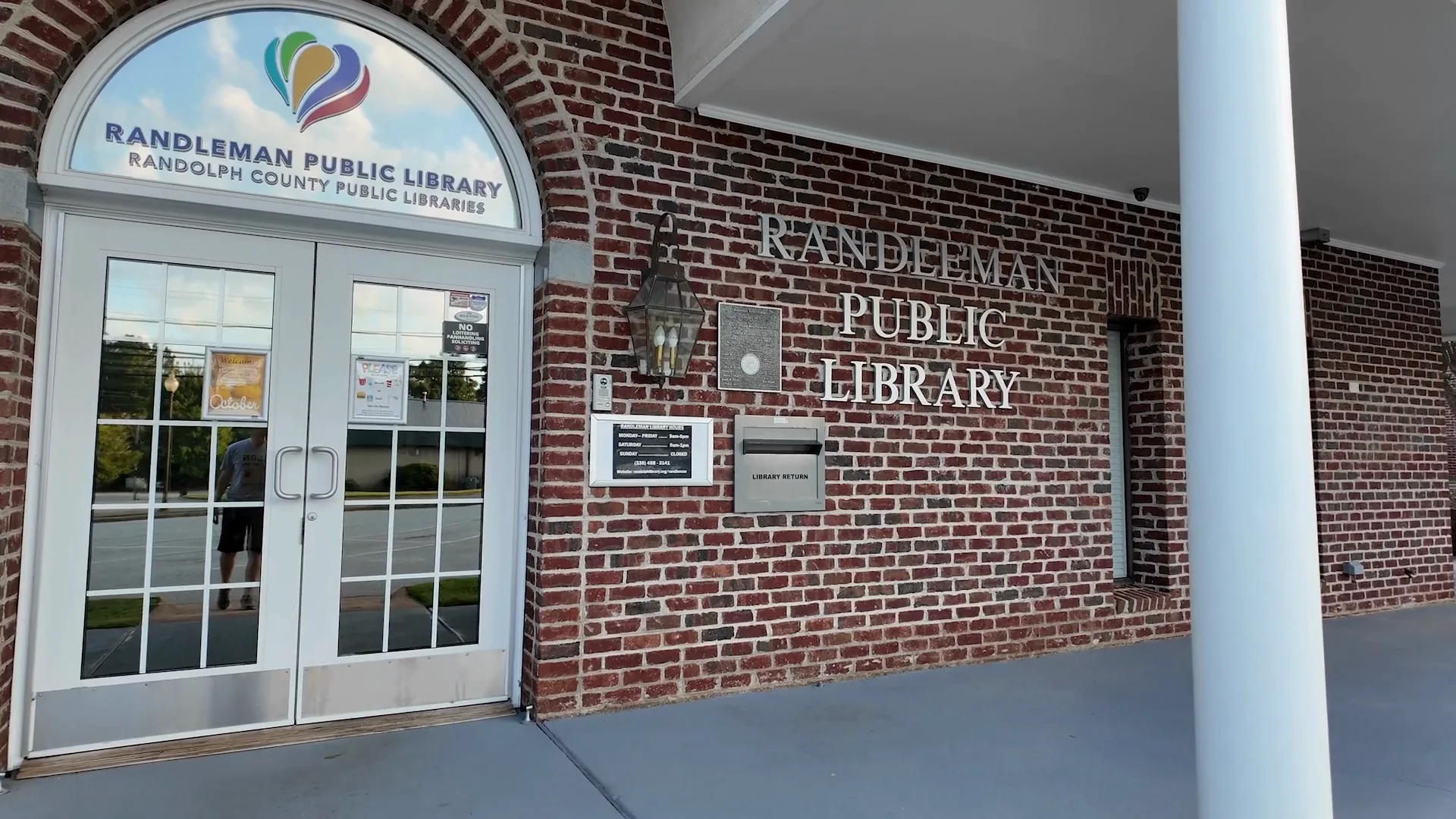
On Dec. 8, the Randolph County Board of Commissioners voted 3–2 to abolish the Randolph County Public Library Board of Trustees and its governing bylaws, just weeks after the board declined to remove Call Me Max, a children’s book by author Kyle Lukoff and illustrator Luciano Lozano. The book tells the story of a young transgender boy who asks to be called by his chosen name at school and later comes out to his parents.
Library trustees voted 5–2 in October to keep the book on shelves, citing concerns that removal would set a precedent for censorship. Trustee Betty Armfield told commissioners the board followed established review policies and emphasized that parents, not elected officials, should determine what reading material is appropriate for their children.
“We have the responsibility to serve all sides of issues,” Armfield said, according to local reporting. “It’s parents’ responsibility to choose what they believe are appropriate books for their children.”
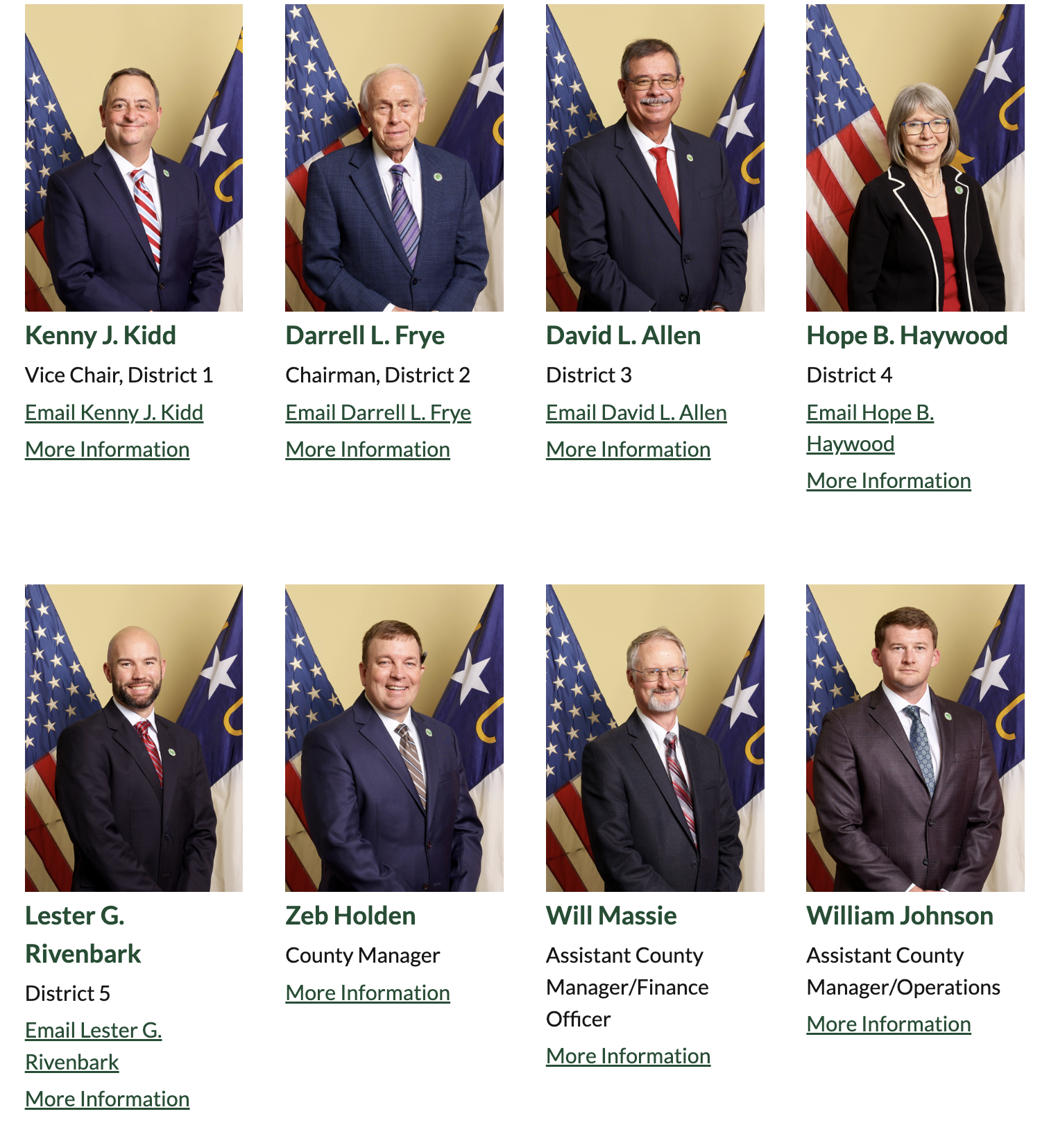
The commissioners’ response was sweeping. Rather than override the trustees’ decision or revise library policy, they eliminated the board entirely. Commission Chair Darrell Frye reportedly framed the issue as deeply personal, referencing a family member he said died by suicide after being “brainwashed” on social media, comments critics described as stigmatizing and misleading. Commissioner Kenny Kidd characterized the vote as a “black-and-white issue,” saying “the soul of our children” was at stake.
The move followed sustained pressure from conservative activists, including Tami Fitzgerald, executive director of the North Carolina Values Coalition, who argued that Call Me Max promotes harmful ideas about gender.
“Planting this lie in a child’s mind at a young age can lead them down a harmful path of social and medical transitioning,” Fitzgerald told The Washington Post.
Medical and mental health organizations have repeatedly rejected such claims, noting that affirming environments are associated with lower rates of depression, anxiety and suicide among transgender youth.
Kyle Lukoff, a transgender man who won the 2020 Stonewall Book Award for When Aidan Became a Brother, said the Randolph County decision fits into a broader pattern of political power being used to marginalize his community.
“Policies can be helpful, but this is ultimately a question of power,” Lukoff said in an interview. “If there are people in power who simply believe trans people don’t belong in their communities or the world at large, they will twist those policies to try and make it a reality.”
That concern, Lukoff has said, is informed by earlier encounters with national conservative politics. In a 2023 interview, he described how the book in question was used as a visual prop during a press conference held by Florida Gov. Ron DeSantis as that state introduced what became known as the “Don’t Say Gay” law, legislation restricting classroom discussion of sexual orientation and gender identity. Lukoff said seeing his work presented as evidence of a social threat was alarming, because it reframed a children’s story about respect and self-understanding as something dangerous by default.
It is safe to say that such moments illustrate why these debates extend far beyond individual titles. By positioning LGBTQIA+ identities, particularly transgender identities as inappropriate or harmful, lawmakers are not protecting children, they argue, but failing to prepare them for the world they already inhabit.
Children today grow up alongside classmates, friends, teachers and neighbors who are transgender, queer, nonbinary, bisexual or otherwise part of the LGBTQIA+ community. Avoiding honest conversations about that reality does not prevent difference; it only leaves young people without the tools to navigate it with empathy.
We should also acknowledge the stress that there is a duty to prepare children rather than shield them. Teaching that not everyone is the same, and that everyone is still worthy of kindness, safety and love equips young people to move through schools, workplaces and communities without fear. Attempts to legislate silence, only reinforce stigma while suggesting that entire groups of people are problems to be hidden rather than neighbors to be understood.
Randolph County voted overwhelmingly for President Donald Trump in the last election, and advocates say the episode reflects a wider national pattern. Across the country, conservative lawmakers and activist groups have increasingly targeted libraries, schools and educators as battlegrounds in a culture war centered on gender identity and sexuality.
Anti-LGBTQ+ activists have organized campaigns against “Drag Queen Story Hour” events, some of which have been met with bomb threats and harassment from far-right groups. In Tennessee, state officials ordered libraries to remove books with LGBTQ+ themes this year. In South Carolina, the York County Library Board recently voted to move all books addressing gender identity into sections restricted to patrons 13 and older, a move proponents said was necessary to “protect childhood innocence.”
Legal challenges have followed. Earlier this year, a former Wyoming librarian, Terri Lesley, settled a wrongful termination lawsuit for $700,000 after she was fired for refusing to remove LGBTQ+ books from youth sections of her library. Neither party admitted wrongdoing, but Lesley said she hoped the settlement would deter similar actions.
“People that want to keep pushing an agenda to go against these library materials and the First Amendment, I hope they see this,” Lesley told CBC Radio in October.
While county officials said Call Me Max will remain available for checkout for now, the dissolution of the library board has alarmed free speech advocates nationwide. Commissioner Hope Haywood, who voted against abolishing the board, told Blue Ridge Public Radio that her colleagues planned to appoint new trustees but had no clear process in place.
“Three commissioners felt like, just abolish the board and then figure it out,” Haywood said.
For Lukoff, the loss feels personal, but the consequences are communal.
As books are banned, boards dissolved and transgender people turned into political symbols, advocates warn that the stakes extend beyond any single county. At issue, they say, is whether public institutions will continue to be governed by fear, or whether they will remain spaces where all people, including transgender children, are allowed to exist with dignity.
@mhoothewho #greenscreen #transrightsreadathon #callmemax #florida #dontsaygay #bannedbooks
♬ [10 minutes version] Jazz Waltz / Snow Fairy(1080034) – mizuna
SaintTreyW
Aug 13
3 mins read
SaintTreyW
Aug 12
5 mins read
 Anders Hare
Aug 11
3 mins read
Anders Hare
Aug 11
3 mins read
Anders Hare
Aug 9
3 mins read

Gaye Magazine® is part of Gaye Media, Inc.© 2026 Gaye Media, Inc. All Rights Reserved.