


 Anders Hare
Jul 30
4 mins read
Anders Hare
Jul 30
4 mins read
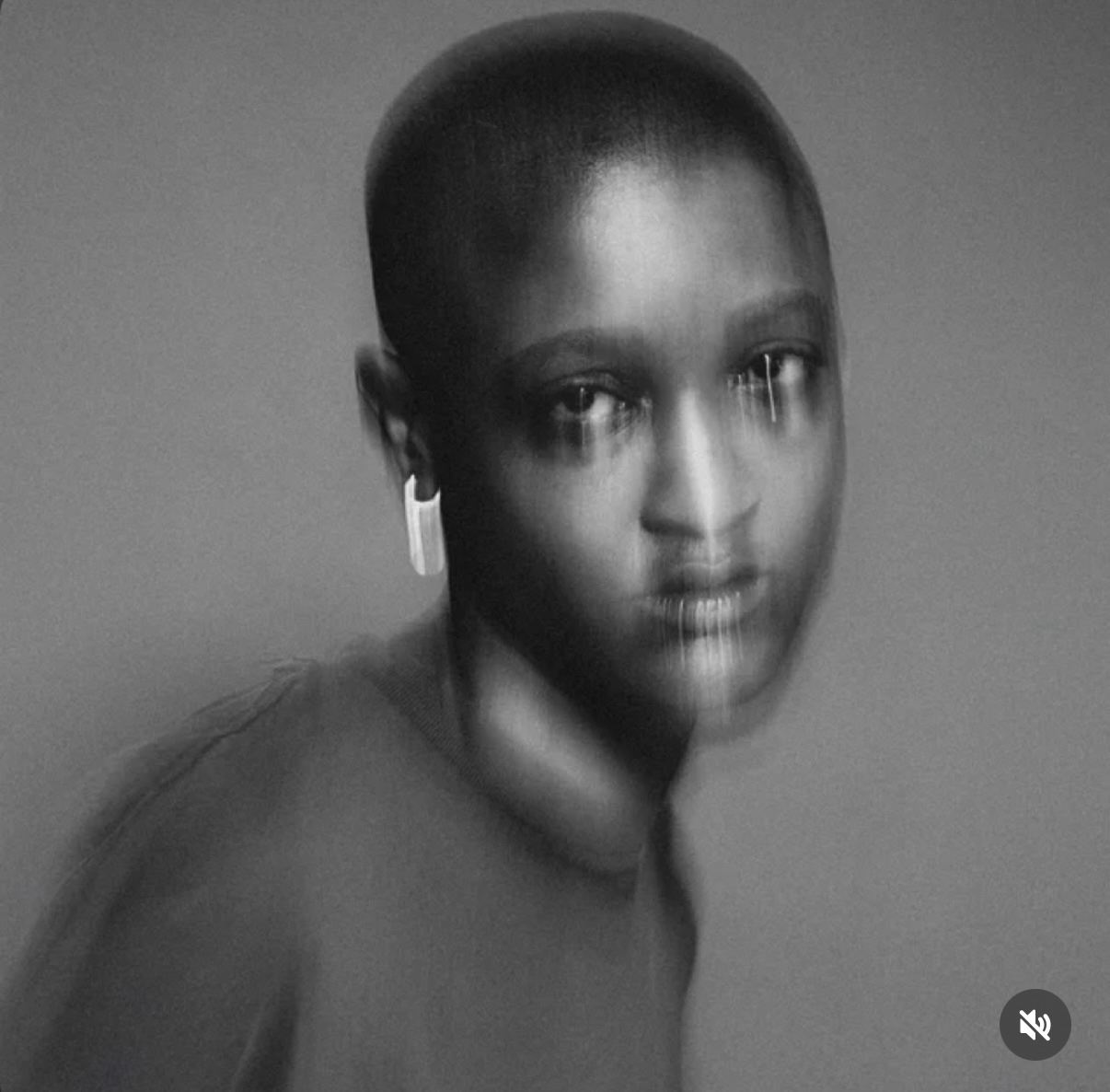
Syd is done mourning. Three years after “Broken Hearts Club” chronicled a painful breakup, the Odd Future alum and The Internet frontwoman returns with “Beard,” a 12-track meditation on self-acceptance, queer love, and the confidence that comes with getting older. The album, released July 17 via Free Lunch/Warner Records, takes its name from the peach fuzz above Syd’s lip — a feature she once hid and has since learned to embrace. That arc of self-love runs through the album, even when the songwriting doesn’t always match the concept’s ambition.
“Walls” opens the project on a slow burn. Over minimalist instrumentation and warm harmonies, Syd checks in with listeners for the first time since 2022, singing that she’s grown but still herself at her core. The song turns sensual quickly as she invites a woman to let her inside her walls. It’s an intimate opener, but not a particularly gripping one. As an introduction, “Walls” doesn’t generate much momentum for what follows.
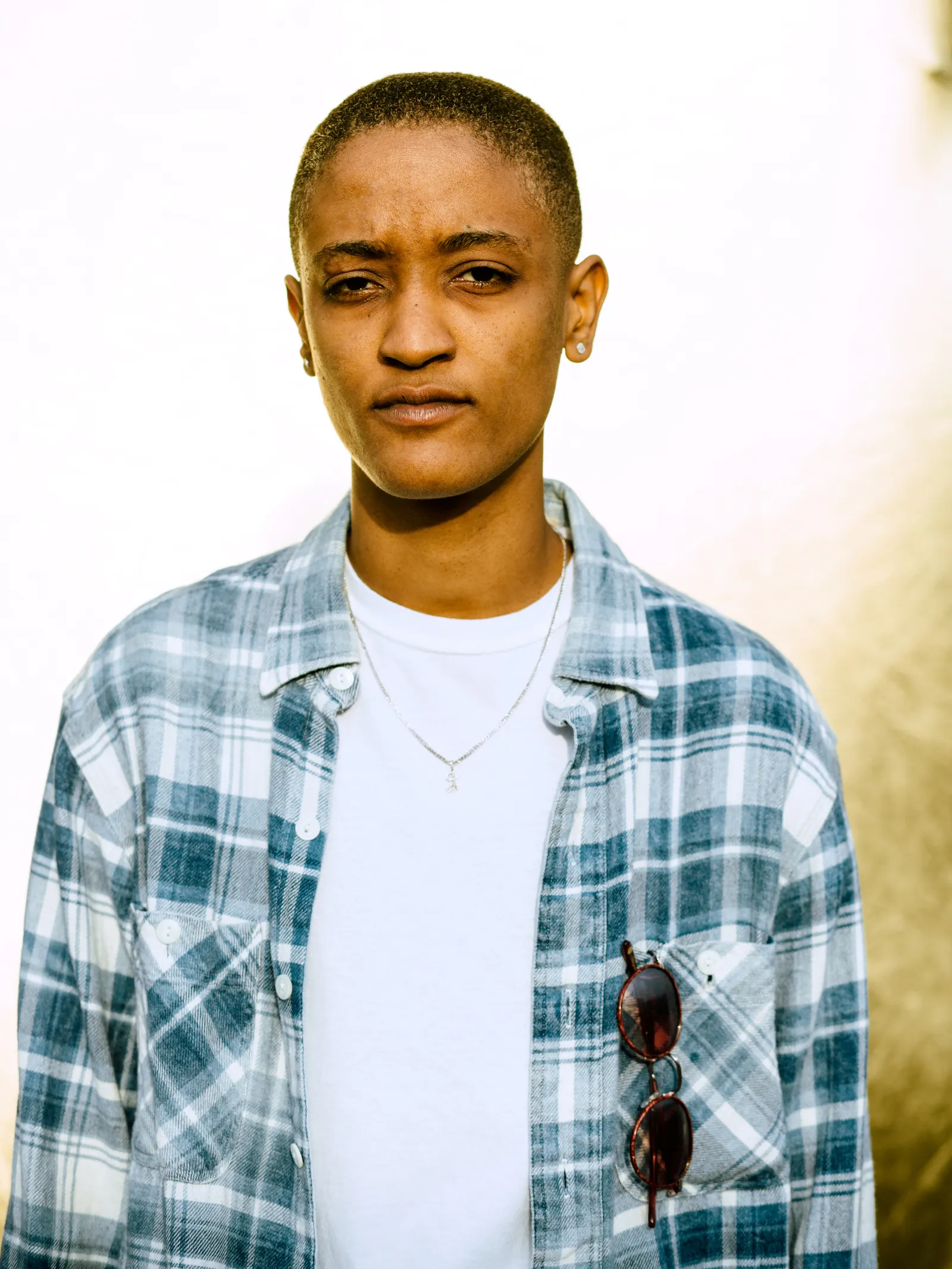
Things pick up with “Callin,” an uptempo, radio-ready cut that sounds more commercial than most of Syd’s catalog. It’s catchy, but the lyrics stay surface level enough that they could belong to nearly any R&B singer. “Jasmin 17” digs a little deeper. Over a reggae-tinged groove, Syd admits she can be a menace and asks a lover how she makes it so easy to love her anyway. Of the three uptempo tracks that open the album, “Jasmin 17” stands out as the strongest.
“My Love” is where “Beard” finds its footing. Built on a breezy bossa nova rhythm, the track finds Syd telling a woman she can love her better than her current partner — a blunt message delivered against an easygoing beat. A jazzy keyboard solo closes out the song, recalling the vibe Syd brought to “Plastic Off the Sofa,” which she co-wrote for Beyoncé’s “Renaissance.” It’s an early highlight and arguably the album’s most replayable moment.
“Always Be Mine” pushes the album into heavier territory. The track features Jordan Ward and touches on drug use and personal demons, as Syd pleads with a partner not to walk away when things get hard. Horns and jazzy production touches give the song a fuller, more textured sound, and Ward’s feature adds another layer to what plays as a yearning request for unconditional love.
“Closet” settles into more traditional R&B territory, built for a late-night drive rather than a big moment. It’s a comfortable, unhurried song — the kind that works better as a mood than a centerpiece. “Bad Guys” follows with an early-2000s R&B sound and an Aaliyah-inspired vibe, addressing a woman who appears to still be questioning her sexuality. It ranks among the album’s more substantive tracks, and the throwback production suits Syd’s voice well. “GMFU,” featuring Big Sean, closes out the project’s core material, with Syd airing frustration at a woman who’s wronged her; Sean’s presence gives the song an added edge and keeps the album’s closing stretch from losing steam.
Beyond the tracks reviewed here, “Any Time,” Syd’s collaboration with James Fauntleroy, stands as one of the project’s most rewarding moments and a highlight of the back half of the record. Its mood and subject matter hit with force, bringing the listener back to an old flame they can’t seem to escape.
Across “Beard,” Syd draws from contemporary R&B, neo-soul, jazz, bossa nova, and hip-hop, and the album is strongest when those influences visibly collide, as on “My Love” and “Always Be Mine.” Just as notable is the perspective she sings from throughout: Syd writes candidly and without hedging about loving women, including moments when she positions herself as a better option than a woman’s male partner. That specificity gives “Beard” some of its most memorable moments.

Still, the album doesn’t fully deliver on the depth its concept promises. Too many of these songs stay at the surface, more concerned with mood than revelation, and the story Syd tells about growth doesn’t always show up in the writing itself. “Beard” has gems scattered across its 12 tracks, and it captures an artist who sounds more comfortable in her own skin than ever. But comfort and evolution aren’t the same thing, and whether this album truly moves Syd forward as a songwriter is a harder question to answer than the one it sets out to ask.
 Gaye Magazine
Aug 29
1 mins read
Gaye Magazine
Aug 29
1 mins read
 Juhi Page
Aug 13
8 mins read
Juhi Page
Aug 13
8 mins read

William Dolliole-Thompson II
Jun 27
3 mins read

Gaye Magazine
Jun 20
2 mins read

Gaye Magazine® is part of Gaye Media, Inc.© 2026 Gaye Media, Inc. All Rights Reserved.