


 SaintTreyW
Dec 24
4 mins read
SaintTreyW
Dec 24
4 mins read
When Mara Berton and June Higginbotham imagined their future, it always included children. What they did not imagine was a $45,000 bill standing between them and the family they dreamed of building.
The Santa Clara County couple, both lesbians, discovered that while their heterosexual colleagues’ fertility treatments were largely covered by insurance, they were excluded from the same benefits. To conceive, they were forced to pay entirely out of pocket, a financial burden that reshaped their timeline, their choices and their emotional well-being.
Last week, that inequity cracked open.
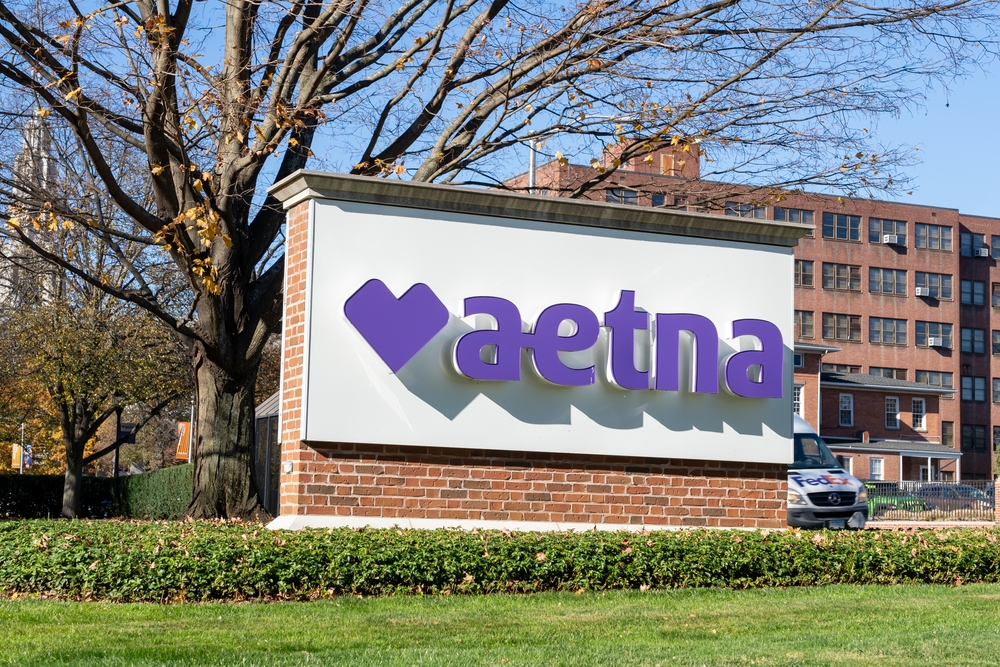
In a landmark national settlement approved by U.S. District Judge Haywood Gilliam Jr., Aetna agreed to cover fertility treatments such as artificial insemination and in vitro fertilization for same-sex couples on the same terms as heterosexual couples. The agreement applies nationwide across all Aetna plans, making it the first case to require a major insurer to implement such a policy uniformly.

An estimated 2.8 million LGBTQ members will benefit, including about 91,000 Californians. The settlement also requires Aetna to pay at least $2 million in damages to eligible California-based members, who must submit claims by June 29, 2026.
“We knew it wasn’t right,” Berton said in an interview with CalMatters. “What we’re fighting for is about family building and having kids. It was really important to both of us that other couples not have to do this.”
Before the settlement, Aetna’s policy required enrollees to engage in six to 12 months of “unprotected heterosexual sexual intercourse” before qualifying for fertility benefits, according to the class action complaint. Women without male partners could only access coverage after undergoing six to 12 unsuccessful cycles of artificial insemination, depending on age, a requirement medical experts say is excessive and clinically unnecessary.
The policy, attorneys argued, treated LGBTQ members fundamentally differently and effectively denied them a benefit that can be prohibitively expensive.
“This was an issue of inequality,” said Alison Tanner, senior litigation counsel for reproductive rights and health at the National Women’s Law Center, which supported the litigation. “Folks in same-sex relationships were being treated differently.”
In an email, Aetna spokesperson Phillip Blando said the insurer is committed to equal access to infertility and reproductive health coverage and will continue working to improve access for all members.
For Berton, the policy felt personal and dehumanizing. After consulting with a fertility clinic and deciding to move forward with donor sperm, she was told by Aetna that she did not meet the definition of infertility. Multiple appeals were denied. Insurance required her to attempt 12 rounds of artificial insemination,even though her doctors recommended no more than four.
Sean Tipton, chief advocacy and policy director for the American Society for Reproductive Medicine, said policies like that are designed to discourage people from using their benefits. While many doctors recommend three to four cycles of insemination before IVF, studies also show it can be more efficient and cost-effective to move directly to IVF.
In 2023, the society updated its medical definition of infertility to explicitly include LGBTQ people and individuals without partners, a shift aimed at preventing insurers from denying claims like Berton’s.
“It takes two kinds of gametes to have kids,” Tipton said. “Regardless of the cause of that absence, you have to have access to care.”
The settlement comes as California prepares to expand fertility coverage further. A new state law taking effect in January will require most state-regulated health plans to cover fertility care for same-sex couples and single people by broadening the definition of infertility. While that law does not apply to Aetna’s national plans, advocates say the momentum is unmistakable.
And it could not come at a more urgent time.
As LGBTQ rights are increasingly rolled back across the country, from bans on gender-affirming care to restrictions on queer families in schools and public life, access to reproductive health care has become another contested frontier. Who is allowed to build a family, and under what conditions, is no longer just a medical question but a political one. This settlement affirms that queer families are not exceptions to be managed but lives to be supported.
Berton and Higginbotham ultimately moved forward without coverage, pulling together money from family and enduring the physical and emotional toll of fertility treatments, including a miscarriage. Today, they are raising twin girls who love the swings and pulling every book off the shelf for story time.
They built their family before the lawsuit concluded. Still, Higginbotham said the victory matters deeply.
“I know people who don’t have children because this isn’t covered,” she said. “The settlement is such a huge step forward that is really righting a huge wrong.”
In a moment when so much is being taken, the ruling stands as a reminder; equality is not abstract. Sometimes, it looks like a family finally being allowed to exist.

 Mykel Hilliard
Dec 19
4 mins read
Mykel Hilliard
Dec 19
4 mins read

SaintTreyW
Dec 18
5 mins read
SaintTreyW
Dec 12
4 mins read

 Gaye Magazine
Dec 11
1 mins read
Gaye Magazine
Dec 11
1 mins read

Gaye Magazine® is part of Gaye Media, Inc.© 2025 Gaye Media, Inc. All Rights Reserved.
