


 Anders Hare
Jul 28
4 mins read
Anders Hare
Jul 28
4 mins read
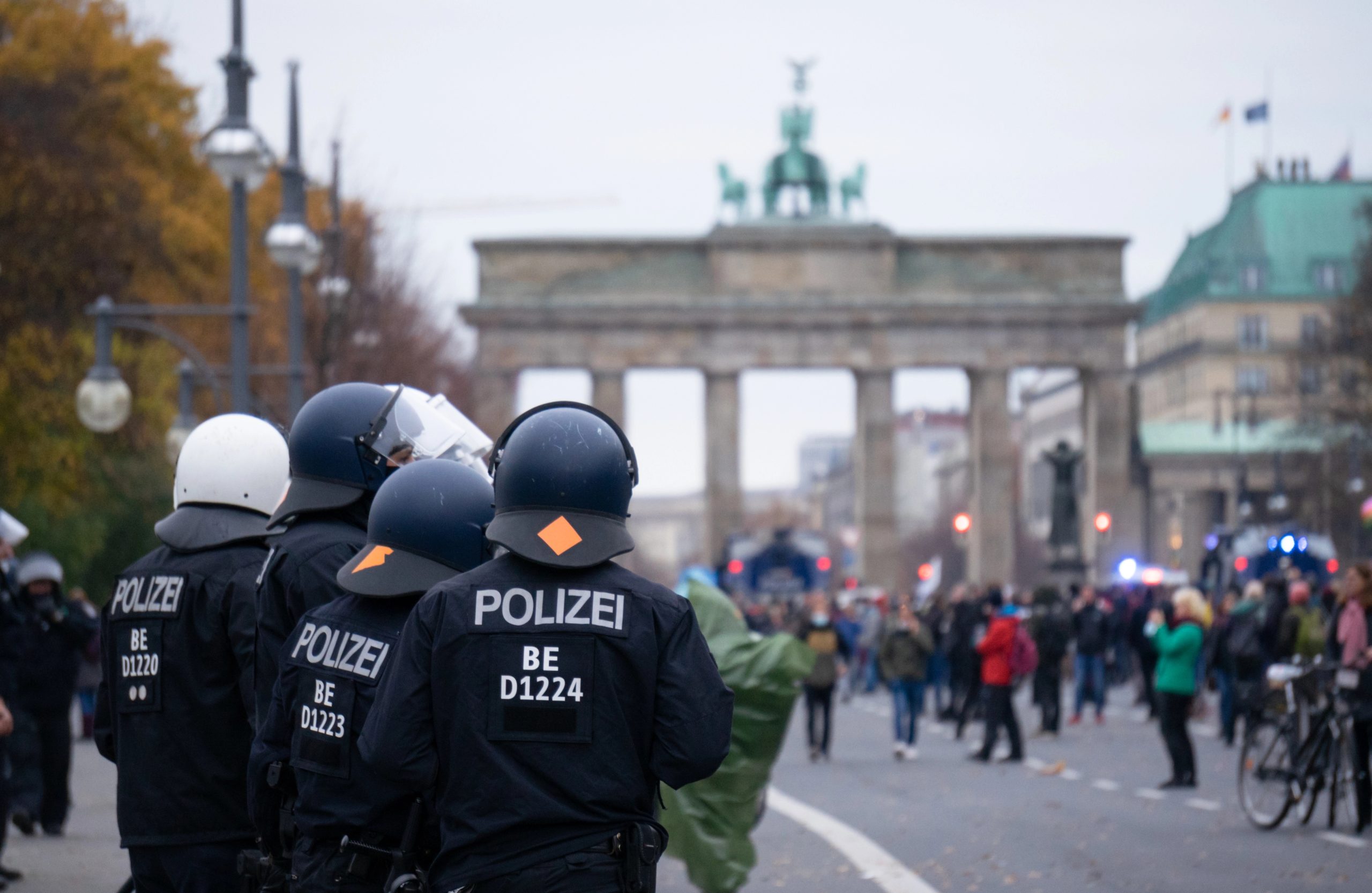
Pride season is supposed to be a celebration. Increasingly, it has also become a season of heightened security briefings, barricades and, too often, bloodshed.
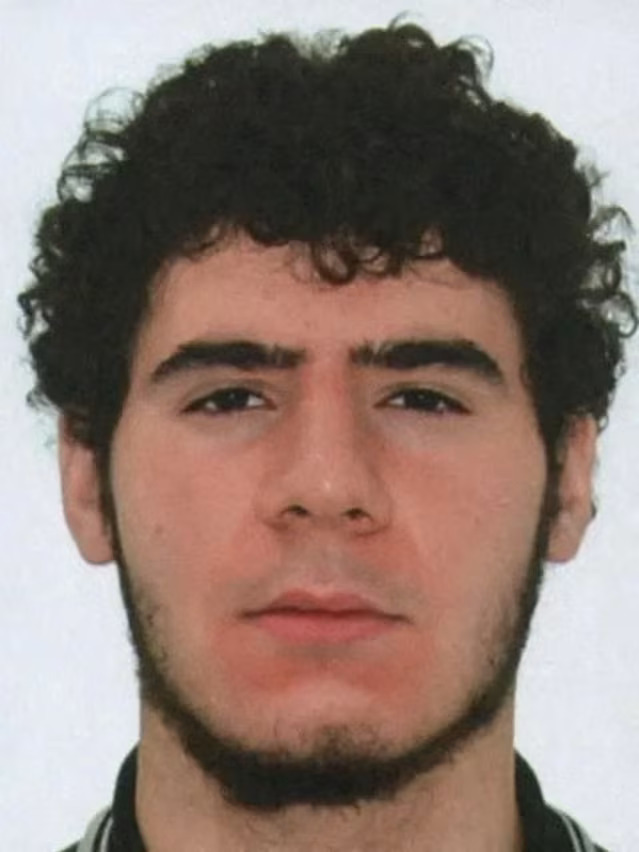
The latest example came on the evening of July 25, when a van plowed into a crowd of Pride celebrants in Berlin’s Tiergarten park during the closing party of Christopher Street Day, one of Europe’s largest LGBTQ+ gatherings. One woman was killed, and 29 people were injured, several critically. The driver, identified by police as 21-year-old Abdul Ballout, a German citizen of Lebanese descent, allegedly abandoned the vehicle and attacked others with a bladed weapon before he was tracked down and fatally shot by police roughly 24 hours later, according to the Associated Press.
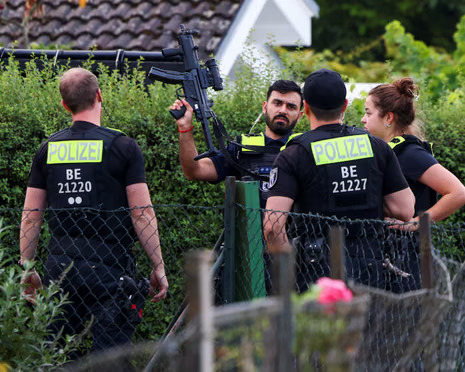
German officials, including Interior Minister Alexander Dobrindt, said the attack fit the profile of Islamist extremist terrorism; prosecutors said Ballout had previously tried to join the Islamic State and had been convicted just two months earlier, in May, of preparing an act of violence endangering the state, but a juvenile court gave him a suspended sentence and freed him weeks before the attack, according to the BBC. The court said it released him because he was no longer in pretrial detention, which had already been lengthy, and he did not meet the statutory threshold for flight risk or reoffending.
The Berlin attack is singular in its details, but not in its target. Pride marches and LGBTQ+ gathering spaces have absorbed a strikingly wide range of attacks over the past decade, carried out by people with very different, sometimes opposing, ideologies. What connects them is less the perpetrators’ politics than the fact that the LGBTQ+ community itself has become a recurring flashpoint for violence, whether the attacker’s underlying motive is religious extremism, far-right nationalism, or personal hatred expressed through mass violence.
In the United States, the clearest throughline runs from the 2016 shooting at Pulse nightclub in Orlando, where a gunman who pledged allegiance to ISIS killed 49 people and wounded dozens more during the club’s Latin Night, to the 2022 shooting at Club Q in Colorado Springs, where a gunman killed five people and wounded more than a dozen others on the eve of Transgender Day of Remembrance. Advocates and survivors have repeatedly drawn a direct line between the two attacks.
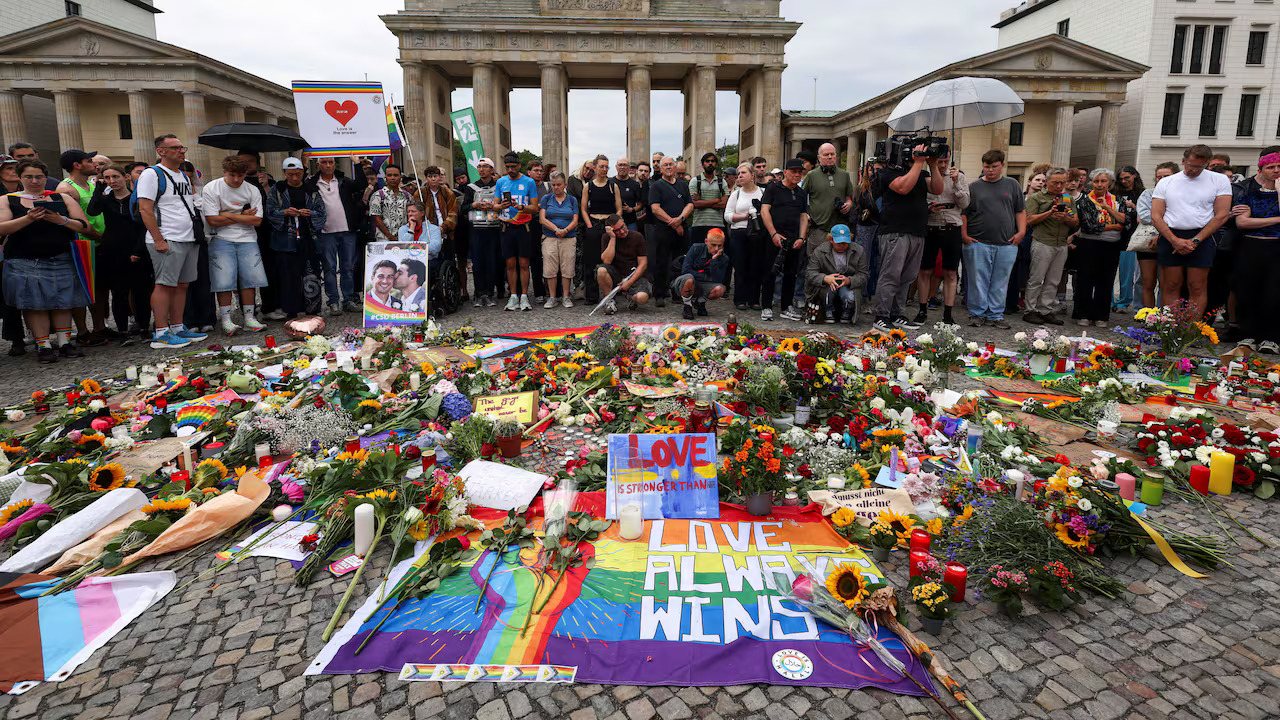
Europe’s pattern has skewed more toward far-right and nationalist violence, though not exclusively. The European Pride Organisers Association told a United Nations investigator in 2024 that its member organizations across the continent were reporting a rising tide of hostility, citing the June 2022 shooting outside a gay bar in Oslo that killed two people on the eve of that city’s Pride march, as well as foiled plots targeting Pride events in Cumbria, England; London; and Vienna. In Georgia, Tbilisi Pride has been repeatedly overrun by far-right and ultranationalist counter-protesters, including a 2023 riot in which demonstrators broke through security barricades, set fires and forced the cancellation of the parade.
Germany has seen its own version of this split. Reporting from Context found that Pride marches there have increasingly been targeted by far-right and neo-Nazi demonstrators, with anti-LGBTQ+ criminal offenses reaching a record 1,785 reported incidents in 2023. Similarly, the European Union’s Agency for Fundamental Rights found that reports of violence and harassment against LGBTQ+ people across the bloc have climbed to record levels in recent years. Against that backdrop, the Berlin attack stands out for being attributed to Islamist extremism rather than far-right nationalism — a reminder that Pride events have drawn violence from multiple, sometimes ideologically opposed, sources rather than a single movement.
Researchers who track anti-LGBTQ+ violence caution against treating any single attack as representative of a single cause. Instead, groups such as the European Pride Organisers Association and ILGA-Europe describe a broader climate: a mix of political rhetoric, organized far-right mobilization, religious extremism and individual hate-fueled violence that together have made Pride security planning, once a modest logistical concern, into a year-round undertaking for organizers on both sides of the Atlantic.
That climate carries a psychological toll that extends well beyond the immediate victims. Research following the Pulse shooting found that LGBTQ+ people nationwide reported increased emotional distress and reduced willingness to visit gay bars and other spaces long considered safe havens, according to the gun violence prevention group Everytown. Advocates say each new attack–whether in Orlando, Colorado Springs, Oslo, Tbilisi or now Berlin–tends to reactivate that same collective anxiety, regardless of where in the world it occurs or who is found responsible.
 Gaye Magazine
Oct 22
3 mins read
Gaye Magazine
Oct 22
3 mins read
 SaintTreyW
Oct 15
4 mins read
SaintTreyW
Oct 15
4 mins read
SaintTreyW
Oct 9
3 mins read
Zuri Pryor-Graves
Oct 2
5 mins read

Gaye Magazine® is part of Gaye Media, Inc.© 2026 Gaye Media, Inc. All Rights Reserved.