 SaintTreyW
Mar 31
4 mins read
SaintTreyW
Mar 31
4 mins read

In a moment where visibility alone no longer guarantees safety, organizers in Atlanta are calling for something deeper: strategy, alignment, and collective power.
On March 31, in recognition of Trans Day of Visibility, the Solutions Not Punishments Collaborative, or SnapCo., will host the Deeper Than Visibility Summit: Shift the Narrative and Gag the Right at Atlanta City Hall. The gathering arrives as anti-trans rhetoric and legislation continue to escalate across the United States and globally, shaping both public discourse and policy in ways advocates say endanger transgender communities.
Rather than centering visibility as an endpoint, this year’s summit positions it as a starting point. Organizers describe the convening as a practical intervention, designed to equip attendees with tools to challenge harmful narratives at their root and reshape how trans lives are discussed across media, policy, and everyday conversation.

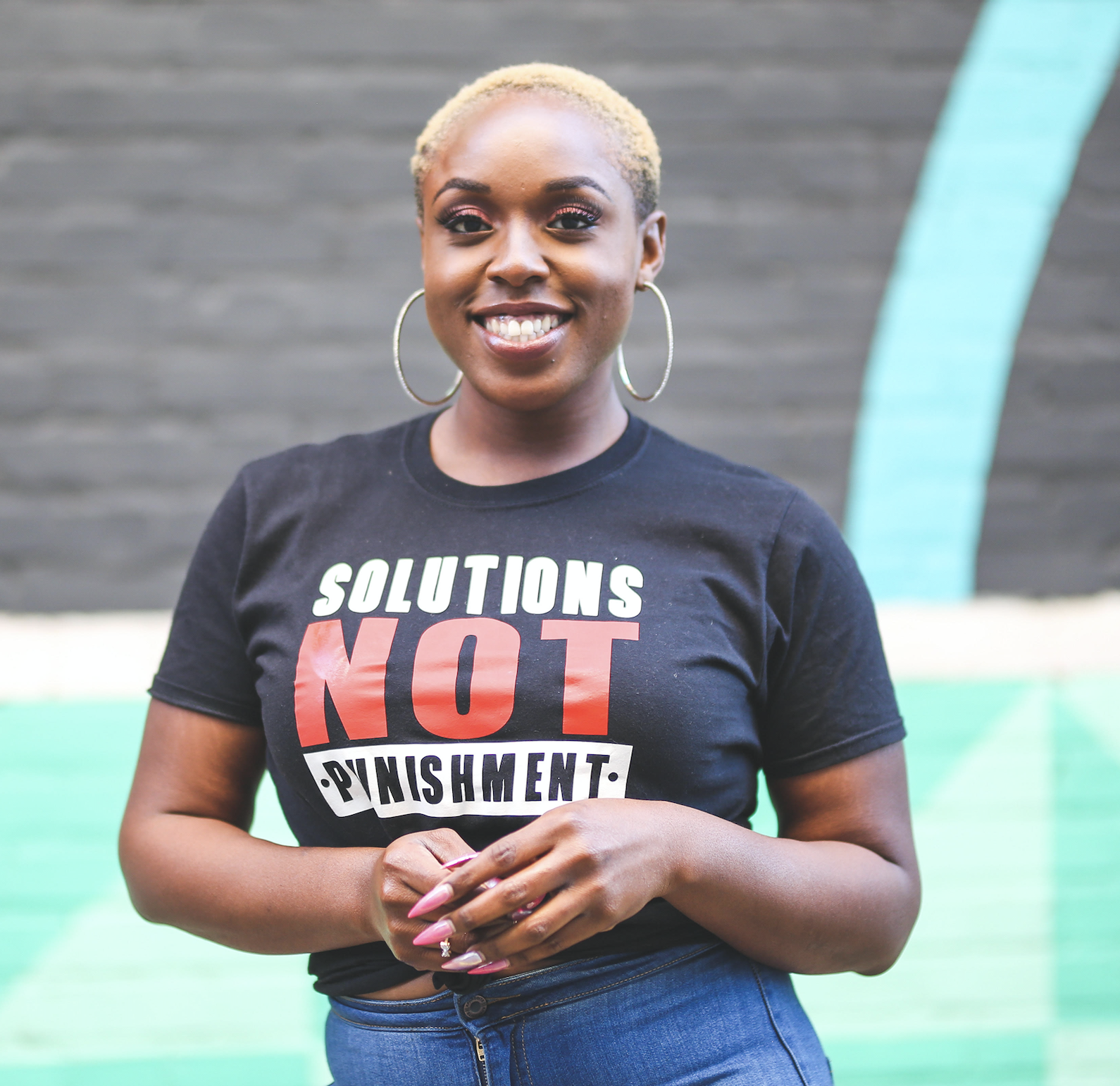
“Visibility has never been enough to keep us safe,” said Toni-Michelle Williams, executive director of SnapCo. “We are living in a moment where trans people are being legislated, targeted and erased in real time, not just in the United States but around the world. We need strategy. We need alignment. We need to be intentional about how we talk about ourselves because our lives depend on it. This summit is about building that muscle together.”
The summit will also mark the release of “How We Talk About Us,” a new zine developed by SnapCo. The publication serves as a practical guide for community members, advocates and media professionals, offering language and frameworks to interrupt harmful narratives and reframe public discourse around trans lives. Organizers say the zine is a direct response to the urgency of the current political climate, where misinformation and stigmatizing rhetoric often shape policy outcomes.
Across the country, transgender communities are facing a wave of policy attacks that threaten basic rights, safety, and civic participation. The Safeguard American Voter Eligibility Act, known as the SAVE Act, would impose stricter identification requirements for voting, including documentation that precisely matches birth records. Advocates warn that such measures could disenfranchise transgender individuals who have legally changed their names or gender markers.
At the state level, new laws are already taking effect. In Kansas, a measure implemented Feb. 26 invalidated transgender residents’ identification documents overnight, forcing many to carry IDs that do not reflect their identities or risk increased scrutiny in everyday interactions, including encounters with law enforcement.
Human rights observers have raised alarms about these developments. The Lemkin Institute for Genocide Prevention has warned that the convergence of policy restrictions and dehumanizing rhetoric reflects early-stage genocidal conditions, underscoring the stakes of the current moment.
Within this context, organizers say narrative strategy is not abstract but essential. The Deeper Than Visibility Summit will bring together trans leaders, organizers, and allies for workshops and collaborative sessions focused on cultural intervention, media engagement, and community defense. Participants are expected to leave with tangible tools to organize locally and respond to harmful rhetoric in real time.
SnapCo is also inviting journalists and media professionals to engage directly with transgender leaders and community members. Organizers say this access is critical in a media landscape where trans stories are frequently distorted or reduced to political talking points.
Founded as a Black trans and queer-led organization, SnapCo centers its work on ending what it describes as the “crisis of passive genocide,” incarceration, and criminalization affecting Black trans women and broader trans and queer communities. The organization advocates for a vision of the South rooted in restorative and transformative justice, where safety is not enforced through punishment but built through care and collective investment.
The summit reflects that vision, offering not only a space of gathering but a framework for action. In a climate where trans lives are debated in legislatures and contested in public discourse, organizers are insisting on something more grounded: the power to name themselves, to define their narratives, and to build the conditions necessary for survival and thriving.
The Deeper Than Visibility Summit will take place from 11 a.m. to 3 p.m. at Atlanta City Hall. Registration is available here.

SaintTreyW
Mar 26
4 mins read

 Juhi Page
Mar 25
4 mins read
Juhi Page
Mar 25
4 mins read

SaintTreyW
Mar 24
6 mins read

Gaye Magazine® is part of Gaye Media, Inc.© 2026 Gaye Media, Inc. All Rights Reserved.