


 SaintTreyW
Jan 24
5 mins read
SaintTreyW
Jan 24
5 mins read
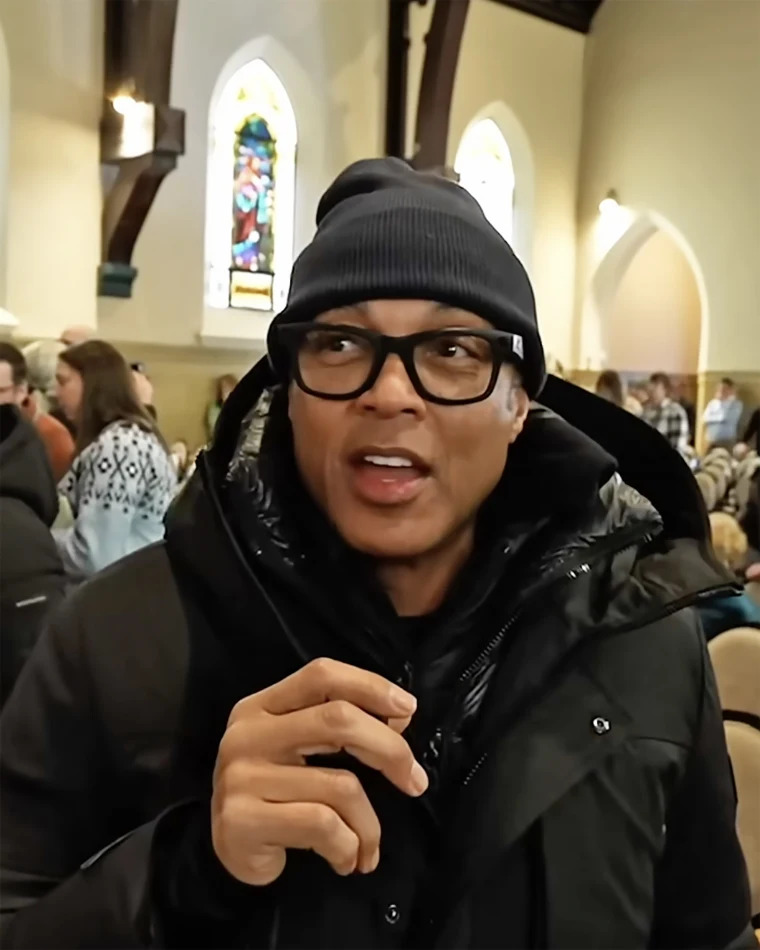
This article follows an earlier report published this week examining whether the Justice Department could pursue criminal charges against journalist Don Lemon in connection with the St. Paul church protest.
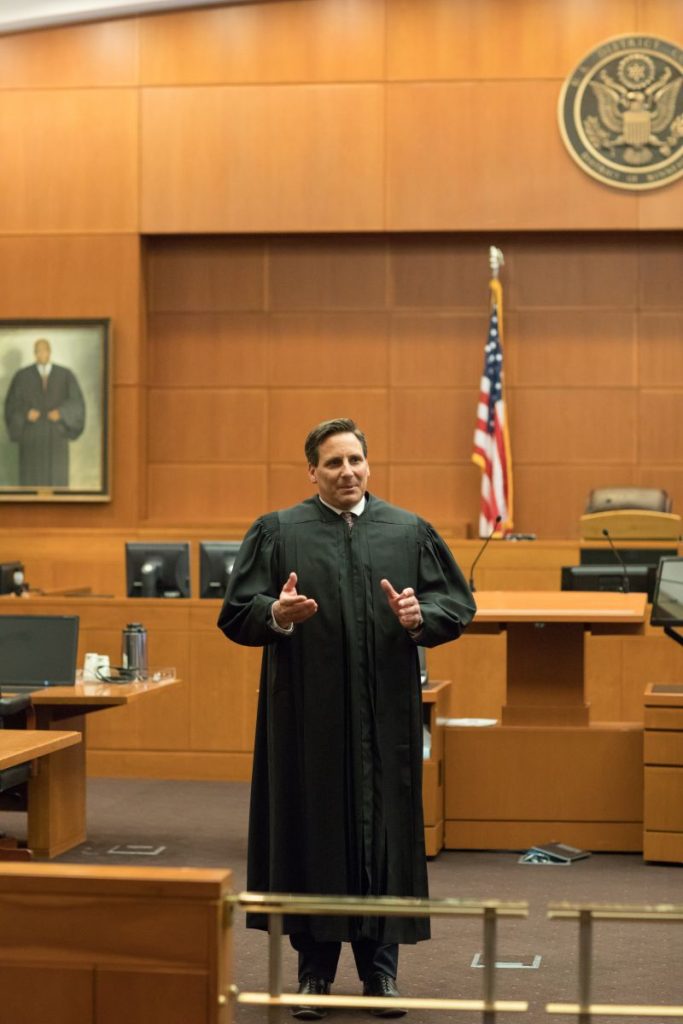
A federal magistrate judge in Minnesota declined to approve criminal charges against journalist Don Lemon and rejected key federal charges against multiple protesters arrested following an anti-Immigration and Customs Enforcement (ICE) protest inside a St. Paul church, sharply rebuking the Justice Department’s legal theory and intensifying scrutiny of its expanding use of civil rights statutes to police dissent.
U.S. Magistrate Judge Douglas Micko refused to sign a criminal complaint sought by federal prosecutors against Lemon, a former CNN anchor now working independently, according to multiple sources familiar with the proceedings. Lemon attended and reported on the Sunday protest at Cities Church in St. Paul, where demonstrators disrupted a worship service after learning that an ICE official appeared to be among the church’s pastors.
Attorney General Pam Bondi has spent days in Minnesota as the Justice Department surged prosecutors and law enforcement resources into the Twin Cities. One source familiar with the matter described Bondi as “enraged” by the magistrate judge’s decision. Another source emphasized that the department could still attempt to pursue other avenues to charge Lemon.
Lemon’s attorney, Abbe Lowell, said the magistrate judge’s refusal affirmed Lemon’s constitutional protections.
“The magistrate’s actions confirm the nature of Don’s First Amendment-protected work this weekend in Minnesota as a reporter,” Lowell said in a statement. “Should the Department of Justice continue with a stunning and troubling effort to silence and punish a journalist for doing his job, Don will call out their latest attack on the rule of law and fight any charges vigorously and thoroughly in court.”
Federal prosecutors had initially sought to charge Lemon alongside several activists accused of participating in the protest. Lemon has repeatedly said he was present solely to report. In one video he posted online, Lemon said, “We’re not part of the activists, but we’re here just reporting on them.”
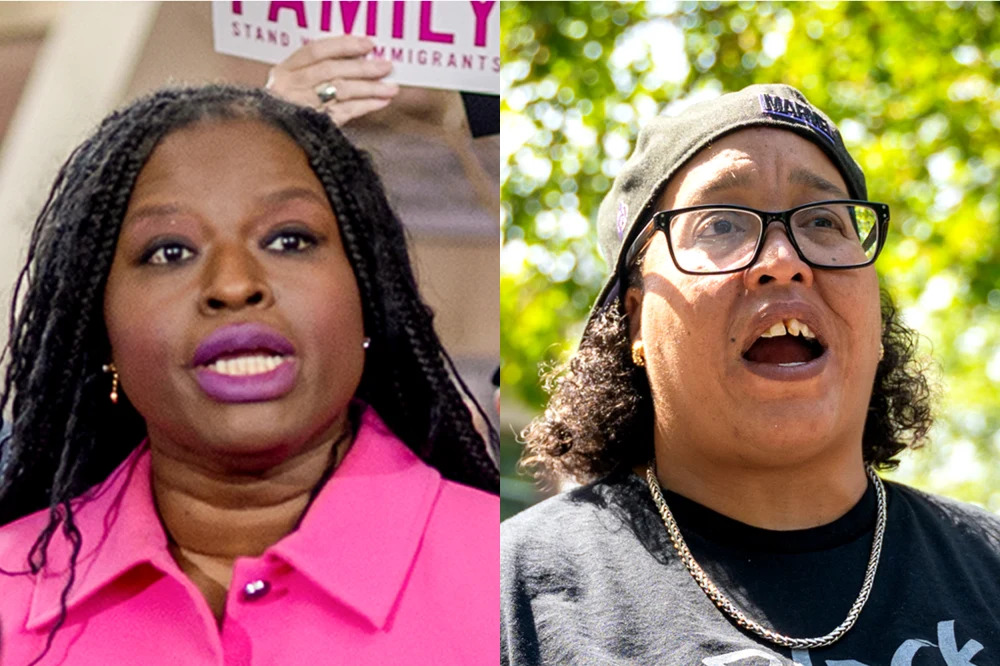
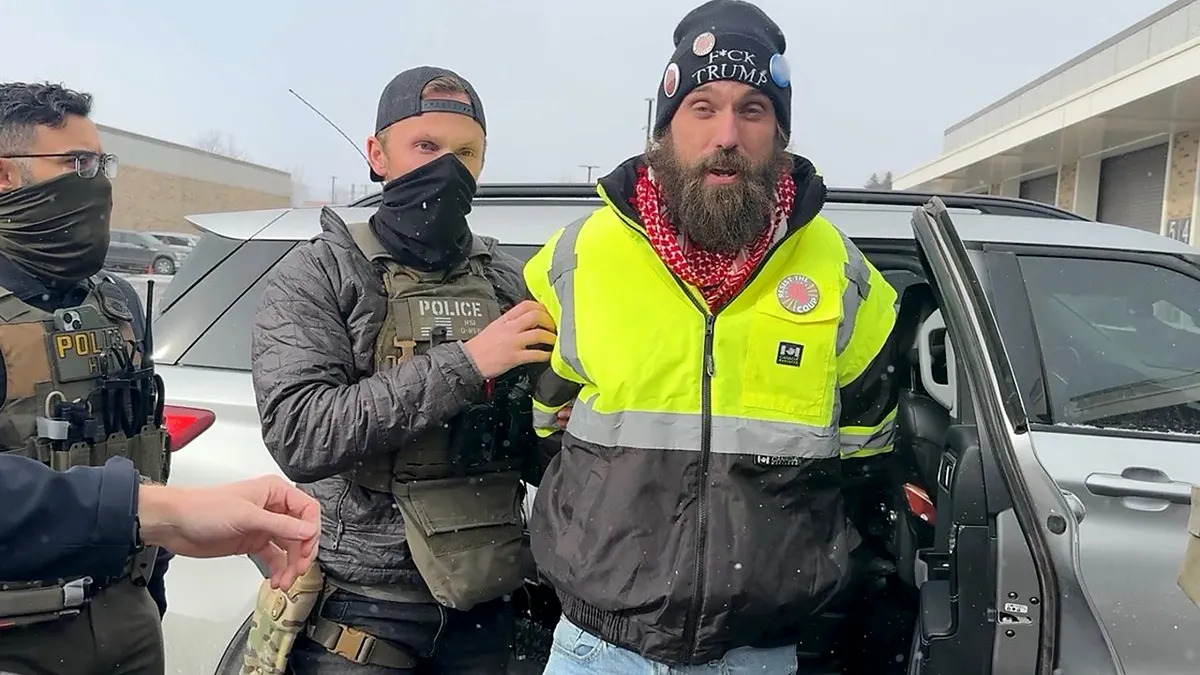
The magistrate judge’s skepticism extended beyond Lemon. On Thursday, authorities arrested three protesters, Chauntyll Louisa Allen, a member of the St. Paul School Board; civil rights attorney Nekima Levy Armstrong; and William Scott Kelly, and sought to charge them under multiple federal statutes.
Allen and Armstrong were initially charged with conspiracy against constitutional rights, a post-Civil War era law that criminalizes coordinated efforts to oppress or intimidate individuals exercising their constitutional freedoms. Prosecutors also attempted to charge both women under the federal Freedom of Access to Clinic Entrances Act, known as the FACE Act, which contains provisions protecting houses of worship in addition to reproductive health facilities.
Micko declined to approve the FACE Act charges, finding no probable cause. Copies of arrest warrants obtained by CBS News show the FACE Act counts physically crossed out, with “NO PROBABLE CAUSE” written in the margins. Defense attorneys confirmed the same occurred on Armstrong’s warrant.
During Thursday’s hearing, federal prosecutors conceded they had not yet provided the defendants or their attorneys with copies of the arrest warrants. Micko ordered a recess and refused to proceed until the documents were produced, prompting audible gasps and cheers from observers watching in overflow rooms.
When proceedings resumed, the judge denied the Justice Department’s request to detain Allen and Armstrong, rejecting prosecutors’ characterization of the protest as a “crime of violence.”
“I don’t see any threat or use of force,” Micko said.
Allen and Armstrong were ordered released under conditions requiring them to remain in Minnesota, stay away from the church property, and avoid contact with witnesses or alleged victims. Defense attorneys later said the two women were not immediately released because the Justice Department planned to appeal the detention decision.
William Kelly, the third protester arrested, was separately ordered released by a federal magistrate judge. Court records indicate Kelly now faces only the conspiracy-against-rights charge after FACE Act allegations were effectively dismissed.
“This administration keeps stretching statutes far beyond their intended purpose,” one defense attorney said outside the courthouse. “Judges are noticing.”
A federal district judge later reinforced the magistrate court’s conclusions. U.S. District Judge Laura M. Provinzino denied the Justice Department’s motions to detain Allen and Armstrong, writing that prosecutors failed to provide “any factual or legal support” for their claim that the protest constituted a crime of violence.
The judge also rejected the government’s assertion that the defendants posed a flight risk, noting they had strong ties to Minnesota and remained in known locations despite being aware of the investigation.
The criminal affidavit supporting the arrests was signed by a Homeland Security Investigations agent, part of ICE. It is alleged that a group of “30–40 agitators” disrupted the service and intimidated congregants, forcing them to exit through a side door, resulting in one reported injury. Judges, however, found the affidavit insufficient to support detention or FACE Act charges.
The protest occurred amid sustained demonstrations in the Twin Cities following the Trump administration’s deployment of thousands of ICE and Border Patrol agents to the region. Protesters have demanded accountability for the death of Renee Good, a U.S. citizen fatally shot by an ICE officer earlier this month.
Bondi publicly framed the protest as an “attack” on religious freedom, writing on social media that the administration would “protect our pastors” and “protect our churches.” Homeland Security Secretary Kristi Noem said arrests could be expected, and the arrests came shortly before Vice President JD Vance arrived in the Minneapolis area to meet with ICE agents.
Civil Rights Division attorneys Robert Keenan and Orlando Sonza are leading the prosecution. Both have previously drawn criticism for leniency arguments in high-profile civil rights cases involving law enforcement.
The Justice Department has declined to comment on the rejected charges.
Civil liberties advocates say the attempt to charge Lemon alongside protesters reflects a growing effort to blur the line between reporting and participation.
“If observing and documenting a protest becomes criminal exposure, that endangers the press function itself,” said one legal analyst following the case.
The White House further inflamed criticism after posting an altered image of Armstrong to social media, making her appear to be crying during her arrest. A senior administration official later acknowledged the image was manipulated as a “meme.”
While Justice Department officials have said the case remains ongoing, the magistrate judge’s refusal to authorize charges against Lemon and the narrowing of charges against the protesters represent a significant judicial check on an administration aggressively testing the outer bounds of federal criminal law.
For now, the rulings underscore a central reality, federal courts are increasingly unwilling to rubber-stamp prosecutions rooted more in political messaging than probable cause, particularly when the First Amendment is squarely at stake.
 Brandon
Jan 23
3 mins read
Brandon
Jan 23
3 mins read
SaintTreyW
Jan 20
6 mins read
SaintTreyW
Jan 19
6 mins read
SaintTreyW
Jan 15
4 mins read

Gaye Magazine® is part of Gaye Media, Inc.© 2026 Gaye Media, Inc. All Rights Reserved.
