


 Zuri Pryor-Graves
Nov 6
13 mins read
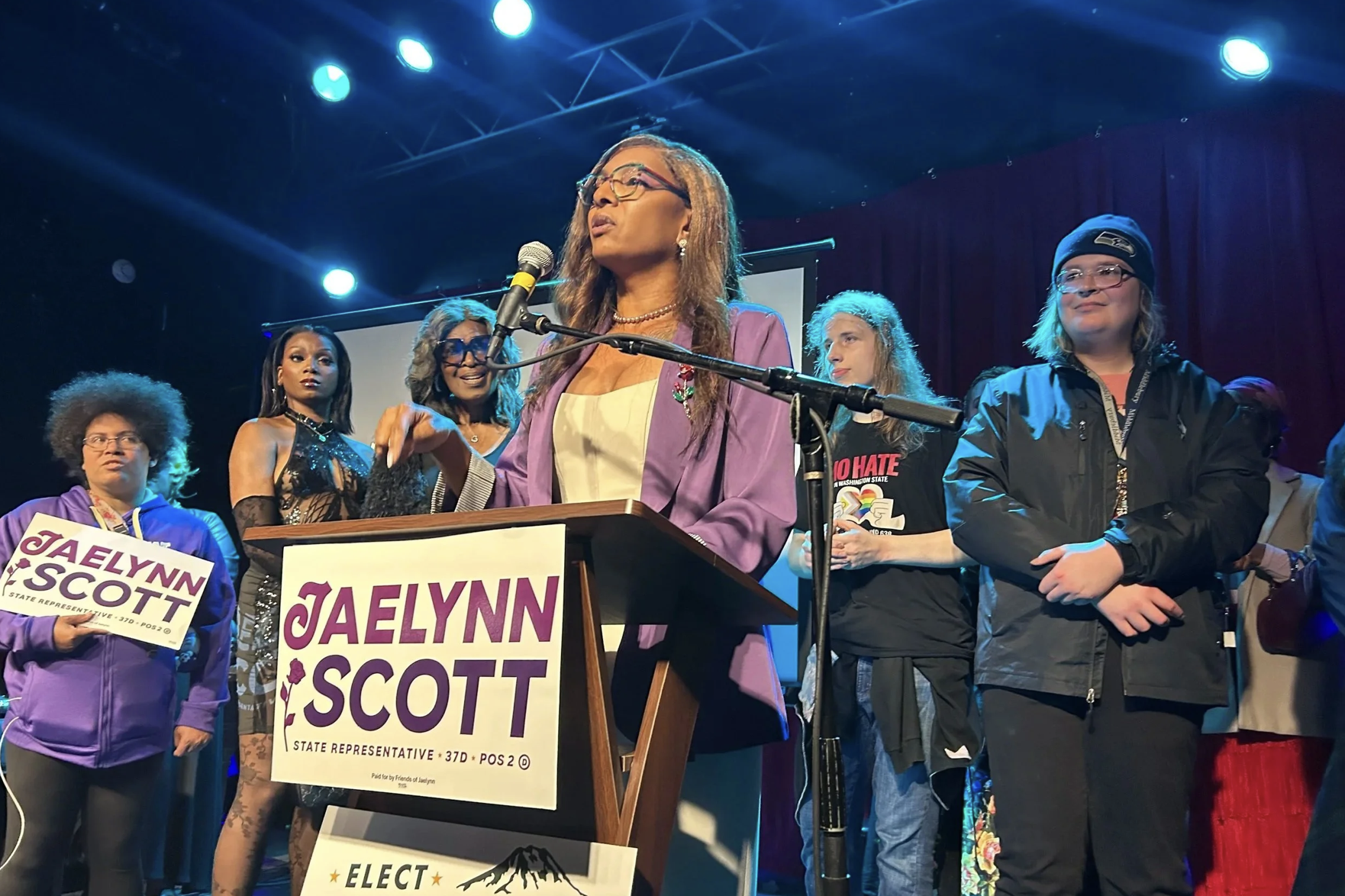
The 2026 midterms brought a remarkable display of diversity to American politics. Across the country, voters elected candidates representing red, blue, and every color of the rainbow, including Black and brown, to offices their communities had never previously held. These victories marked remarkable milestones for communities that have spent generations fighting for a seat at the state and federal table, and they deserve to be celebrated.
But these historic victories also revealed the complexities of identity, representation and political progress. Voters can support candidates from marginalized communities while simultaneously supporting policies that conflict with those communities’ interests. Shared identity does not guarantee shared politics, and representation does not guarantee political agreement or progress.
On November 3, Washington state voters demonstrated exactly that.
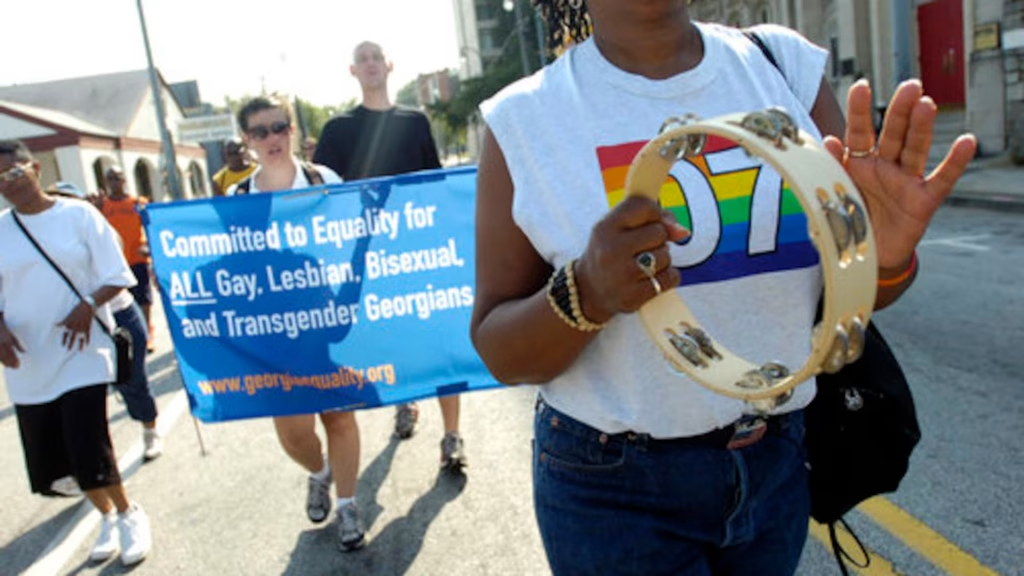
In Seattle’s 37th Legislative District, Jaelynn Scott won approximately 87% of the vote, becoming Washington’s first openly transgender state legislator and the first openly Black transgender woman elected to a state legislature in U.S. history.
Meanwhile, Washington voters statewide approved Initiative 638, restricting transgender girls from participating in girls’ school sports and requiring health care documentation verifying students’ sex. Supporters argued the measure would protect fairness in female athletics, while opponents warned that it would discriminate against transgender students and impose unnecessary verification requirements.
Scott’s victory and the statewide initiative were decided by different electorates, so the results cannot tell us how her individual supporters voted. Together, however, they illustrate something important about American politics: Electing someone from a marginalized community and supporting policies that advance that community’s interests are two different decisions.
And that makes Scott’s historic victory, and the woman behind it, particularly interesting.
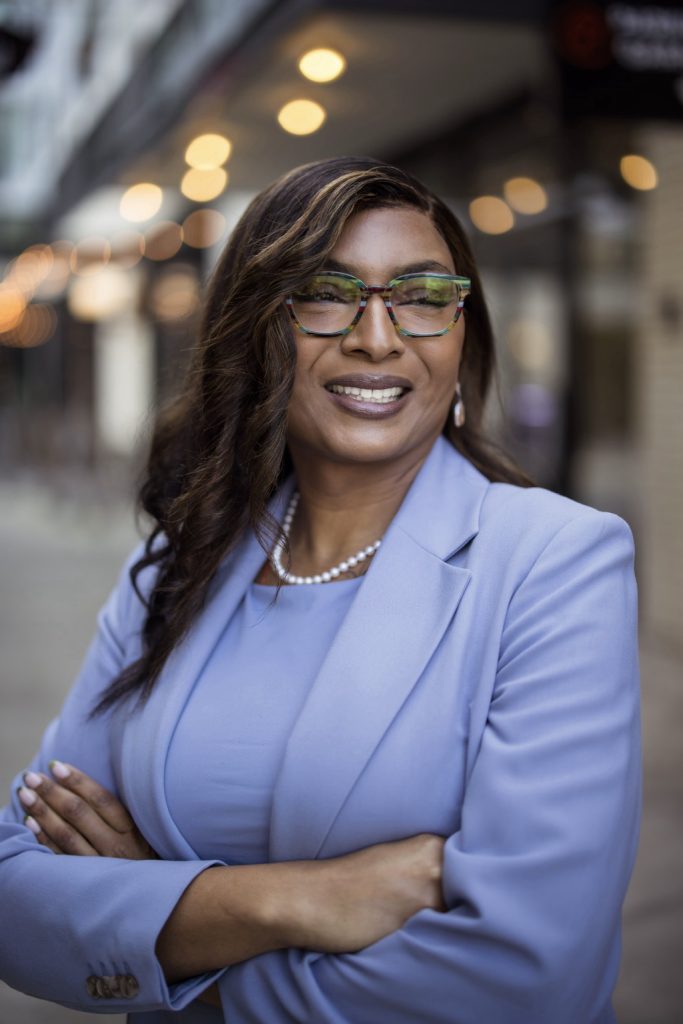
Jaelynn Scott grew up in Mississippi, surrounded by Black Pentecostal and Baptist church traditions that influenced her views on faith and community. At 19, she participated in college protests following the 1998 murder of Matthew Shepard. She later earned a master’s degree in divinity, became an ordained Buddhist minister and worked in family education ministry.
Scott eventually moved to Washington and found a community that welcomed her and gave her the freedom to live openly. She has spoken publicly about experiencing housing instability, employment discrimination and addiction. Those experiences helped shape her interest in improving access to housing, public assistance and other essential services.
She spent years helping people find shelter, navigate public assistance programs and respond to crises. In 2019, she joined the Lavender Rights Project, initially a legal-aid organization. As executive director, she expanded its work to include housing, violence prevention, civil rights and economic justice, particularly for Black transgender communities.
Through that work, Scott became increasingly interested in changing the laws and funding decisions that affected the people she served. When a seat opened in Washington’s 37th Legislative District, she decided to run for office in the community she had come to consider home.
Her campaign focused on affordable housing, universal health care, public education, economic inequality, reproductive freedom and transgender rights. She argued that improving access to essential services and economic opportunities would benefit working families throughout the district.
As a state representative, Scott will be able to introduce legislation, participate in budget negotiations and vote on policies addressing those priorities. Her campaign promises provide voters with a record of what she intends to pursue in office.
For more than 50 years, LGBTQ+ candidates have won elected office while confronting discrimination, public scrutiny and changing expectations about who belongs in government. Their elections expanded LGBTQ+ participation in city councils, state legislatures and Congress.
These officials entered politics with different priorities and approaches to governing. Their records include work on civil rights, taxation, public education, health care, housing and criminal justice. Some made LGBTQ+ protections central to their campaigns; others concentrated on the economic and social concerns of their constituents.
The timeline documents major milestones in LGBTQ+ political representation. The offices these individuals held, the policies they pursued and the communities they served provide additional context for understanding their contributions to American government.
Scott identifies as a democratic socialist and has described her political work as part of a broader movement for working people. In an October interview with KNKX Public Radio, she discussed her belief that addressing disparities in health care, economic opportunity and public safety could improve conditions for Washington residents across communities. Her campaign reflected those priorities, with detailed proposals addressing housing affordability, public services and the state’s tax system.
Scott proposed expanding public and cooperative housing, reducing Washington’s allowable annual rent increase from 10% to 5%, strengthening tenant protections and giving communities opportunities to purchase residential properties before private investors. She also called for universal health care and child care, increased public school funding and expanded community-based public safety programs. To help finance these investments, she proposed taxes targeting high-income households, corporations and the growing data-center industry. Her platform also included protecting abortion access and gender-affirming care, expanding voting rights and reforming campaign financing.
Her legislative ambitions follow years of organizing around similar issues. Scott’s campaign credits her leadership with helping build a coalition that redirected $16 million originally intended for jail expansion toward alternative services and permanent supportive housing for queer and transgender residents, Black and Indigenous communities, and other people of color. The accomplishment, as reported by her campaign, offers an example of the public funding decisions she hopes to influence as a state representative.
For LGBTQ+ voters who prioritize affordable housing, economic security, public education and access to reproductive and gender-affirming health care, Scott’s platform includes proposals directly addressing those concerns. Other voters may share her interest in affordability or public services while disagreeing with her approaches to taxation and government spending. Her published positions give constituents an opportunity to evaluate her political priorities individually.
As a member of the Washington House of Representatives, Scott will be able to introduce legislation, participate in committee discussions, negotiate amendments and vote on state laws and budgets. She will need support from fellow lawmakers to advance her proposals through both legislative chambers and ultimately to the governor. Her campaign commitments provide a starting point for following which policies she pursues, how she votes and what she accomplishes during her term.
Across the country, other newly elected officials are preparing to take office with their own campaign promises and the authority to pursue them.
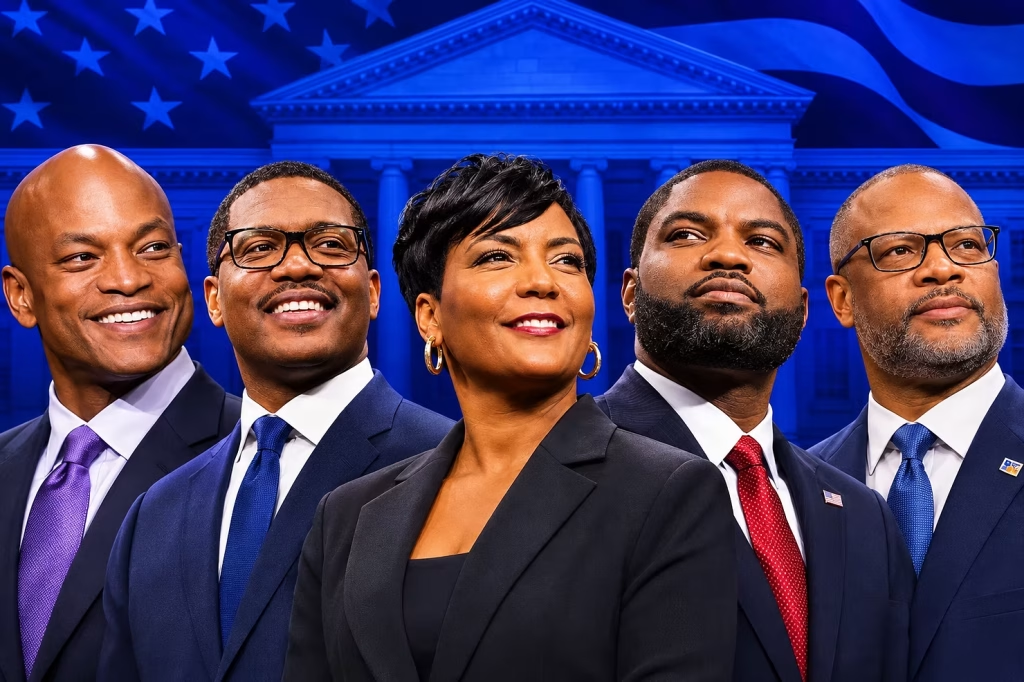
The 2026 midterms brought several historic victories at the state and federal levels. Georgia elected Keisha Lance Bottoms, the first Black woman elected governor in American history, while New Mexico elected Deb Haaland, the nation’s first Native American woman governor. Minnesota elected Peggy Flanagan, the first Native American woman to the U.S. Senate, and New Hampshire elected Chris Pappas, the first openly gay man to the Senate. Voters also elected Black governors in Florida, Wisconsin and Nevada, a Latina governor in Texas and openly transgender state legislators in Alabama and Georgia.
These victories represent significant achievements for communities that have historically faced barriers to political office. They also provide an opportunity to examine the different political positions and priorities of the candidates voters elected.
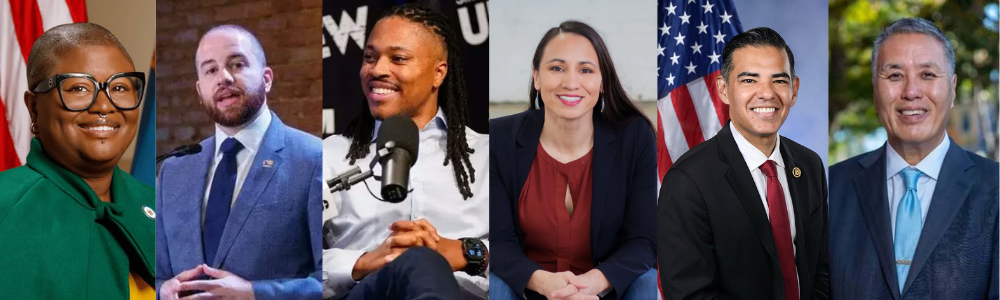
Georgia’s Bottoms and Florida’s Byron Donalds, for example, both made history as Black gubernatorial candidates, although their campaigns proposed different approaches to several major policy issues. Bottoms, a Democrat, advocated expanding Medicaid, protecting reproductive freedom and increasing investment in public education. Donalds, a Republican, emphasized homeowners insurance reform, reducing regulatory burdens, education choice and government spending transparency. Their campaigns illustrate the range of political positions that exist among candidates who share racial identities.
The other historic winners bring their own experience, political affiliations and legislative priorities to office. For voters who identify with these candidates through race, gender, religion or sexual orientation, their campaign platforms offer more information about the policies they intend to pursue. Those proposals may address concerns shared across communities, including housing affordability, health care costs, education funding, economic opportunity and civil rights.
The offices these candidates won also determine how much authority they will have to act on their promises. Governors oversee state agencies, propose budgets and sign or veto legislation. U.S. senators participate in federal lawmaking, confirm presidential nominees and conduct congressional oversight, while state representatives introduce and vote on legislation within their respective states. Each must work within the responsibilities of the office and, in most cases, secure cooperation from other elected officials.
The following chart identifies the historic winners, the offices they will hold, the authority those positions carry and the policy commitments they made during their campaigns.
Historic elections. The offices voters filled, the authority those positions carry, and the promises each candidate made.
| PERSON & HISTORIC FIRST | OFFICE & LOCATION | POWERS & LIMITS | CAMPAIGN PROMISES |
|---|---|---|---|
| Keisha Lance Bottoms First Black woman elected governor of a U.S. state; Georgia’s first Black and woman governor. |
Governor Georgia |
Directs state agencies, proposes budgets, and signs or vetoes bills, but needs legislators to approve new laws and most spending changes. |
Medicaid expansion, affordable housing, public school funding, rural health care, reproductive freedom and lower household costs. |
| Deb Haaland First Native American woman elected governor in United States history. |
Governor New Mexico |
Manages state agencies, proposes budgets, and signs or vetoes legislation, but needs legislative approval for new laws and spending. |
Affordability, higher wages, expanded housing, public education, health care access and community safety. |
| Peggy Flanagan First Native American woman elected to the United States Senate. |
U.S. Senator Minnesota |
Introduces and votes on federal legislation, spending and nominations, but cannot enact laws alone; most bills require House approval and presidential action. |
Affordable health care and housing, reproductive freedom, campaign-finance reform, civil rights and federal obligations to Tribal Nations. |
| Chris Pappas First openly gay man elected to the United States Senate. |
U.S. Senator New Hampshire |
Introduces and votes on federal legislation, confirms presidential nominees, and votes on treaties, but cannot independently enact laws or direct executive agencies. |
Housing and health care affordability, anti-corruption measures, reproductive freedom, and federal LGBTQ+ nondiscrimination protections. |
| Gina Hinojosa Texas’ first Latina governor and first Democratic governor elected since 1990. |
Governor Texas |
Oversees the executive branch, makes certain appointments and signs or vetoes bills, but the Legislature must enact laws and authorize state spending. |
Public education, lower household costs, opposition to school vouchers, government accountability and oversight of data-center development. |
| Allison Montgomery Alabama’s first openly transgender state legislator. |
State Representative Alabama |
Introduces and votes on state laws and budgets, but needs support from fellow lawmakers and completion of the legislative process to enact proposals. |
School funding, health care reform, workers’ rights, data-center oversight, anti-corruption measures and limits on state surveillance. |
Bentley Hudgins Georgia’s first openly transgender, nonbinary and Japanese American legislator. |
State Representative Georgia |
Introduces and votes on state legislation and budgets, but must secure support from other lawmakers to pass proposals. |
Lower living costs, expand health care, raise wages, protect voting rights and strengthen civil-rights protections. |
| Abdul El-Sayed First Muslim American elected to the United States Senate. |
U.S. Senator Michigan |
Proposes and votes on federal legislation, spending and nominations, but cannot independently enact laws or administer executive programs. | Medicare for All, affordable housing, lower household costs, reduced corporate influence, voting rights, clean water and education. |
| Byron Donalds Florida’s first Black governor. |
Governor Florida |
Directs executive agencies, proposes budgets, and signs or vetoes legislation, but requires legislative approval for new laws and most spending. |
Homeowners insurance and housing affordability, tax and regulatory changes, health care price transparency and streamlined permitting. |
| David Crowley Wisconsin’s first Black governor. |
Governor Wisconsin |
Directs the executive branch, proposes budgets and signs or vetoes legislation, but needs legislative support for new laws and spending. |
Lower housing, child care and health care costs, public education, economic opportunity, workers’ rights and reduced energy expenses. |
| Aaron Ford Nevada’s first Black governor. |
Governor Nevada |
Oversees state agencies, proposes budgets, and signs or vetoes bills, but lawmakers must approve new laws and spending. |
Housing affordability, student debt relief, data-center tax incentives, utility costs and government accountability. |
| Xavier Becerra California‘s first elected Latino governor since 1875. |
Governor California |
Oversees executive agencies, proposes budgets, and signs or vetoes legislation, but new laws and most appropriations require legislative approval. |
Housing affordability, housing construction, homelessness prevention, regulatory reform and health care access. |
Representation and Responsibility: Winning an election gives an official the authority to pursue campaign commitments, but not the ability to accomplish every promise independently. Governors work with state legislatures, senators work with Congress, and state representatives must build support among fellow lawmakers. Voters can follow legislation, budgets and policy decisions to measure progress.
For LGBTQ+ voters, these election results are particularly relevant because several candidates campaigned on issues affecting their rights, health care, and economic security. The range of policy positions among the winners also reflects the broader political choices voters faced in 2026. Examining those priorities alongside each office’s authority offers a clearer understanding of what these elections could mean for the communities involved.
LGBTQ+ voters prioritize civil rights, economic security, health care and government accountability when evaluating political candidates. In the Human Rights Campaign Foundation’s 2026 Annual LGBTQ+ Community Survey, 73.7% of respondents ranked civil rights and equal protections among their three most important voting issues. Economic stability, inflation and the cost of living followed at 35.9%, while 32.5% identified government accountability and corruption. The survey included 9,328 LGBTQ+ adults and used a weighted nonprobability sample, so its findings may not represent the entire LGBTQ+ electorate.
An October 2026 study from UCLA’s Williams Institute found that 76% of LGBT Generation Z respondents considered shared values a leading factor in choosing a candidate, while 90% identified rising costs as a top priority.
These findings show that LGBTQ+ voters consider both civil rights protections and the broader economic and political issues affecting their daily lives. Their priorities also differ within the community, making candidates’ policy positions and governing records important considerations.
Several historic winners of the 2026 midterms campaigned on expanding civil rights protections, health care access, affordable housing and economic opportunity. Their ability to advance those commitments will depend on the authority of their offices, legislative support and the policies they ultimately enact.
As these officials take office, voters can measure their progress through the legislation they introduce, the budgets they support and the votes they cast. Those decisions will establish how their campaign commitments translate into policies affecting LGBTQ+ Americans and the communities they represent.
The 2026 midterms gave Americans much to celebrate. Voters elected people to offices their communities had never held, marking historic achievements for Black and brown Americans, women and LGBTQ+ people across the country.
Jaelynn Scott will enter the Washington Legislature with years of community organizing experience and a detailed agenda addressing housing, health care, education, and economic inequality. Her constituents can now follow the legislation she introduces, the votes she casts, and her progress toward fulfilling those commitments.
The same expectations apply to the other historic winners preparing to assume office. Their experiences may influence how they govern, and their decisions will affect constituents with a wide range of political interests. Voters can stay involved by following legislation, examining budgets, contacting their representatives, and holding officials accountable for the promises that earned their support.
These victories deserve recognition, and the work ahead deserves our continued attention. Political representation is personal, and every voter brings their individual experiences, beliefs, and expectations to the ballot box.
Voters made history on November 3, and now the people they elected have campaign promises to keep, constituents to answer to and real decisions to make. As we continue to celebrate who won; let’s pay just as much attention to what they do with the power voters gave them.
 Gaye Magazine
Nov 6
1 mins read

Gaye Magazine
Oct 22
3 mins read

 SaintTreyW
Oct 15
4 mins read
SaintTreyW
Oct 9
3 mins read

Gaye Magazine® is part of Gaye Media, Inc.© 2026 Gaye Media, Inc. All Rights Reserved.