


 SaintTreyW
Nov 15
6 mins read
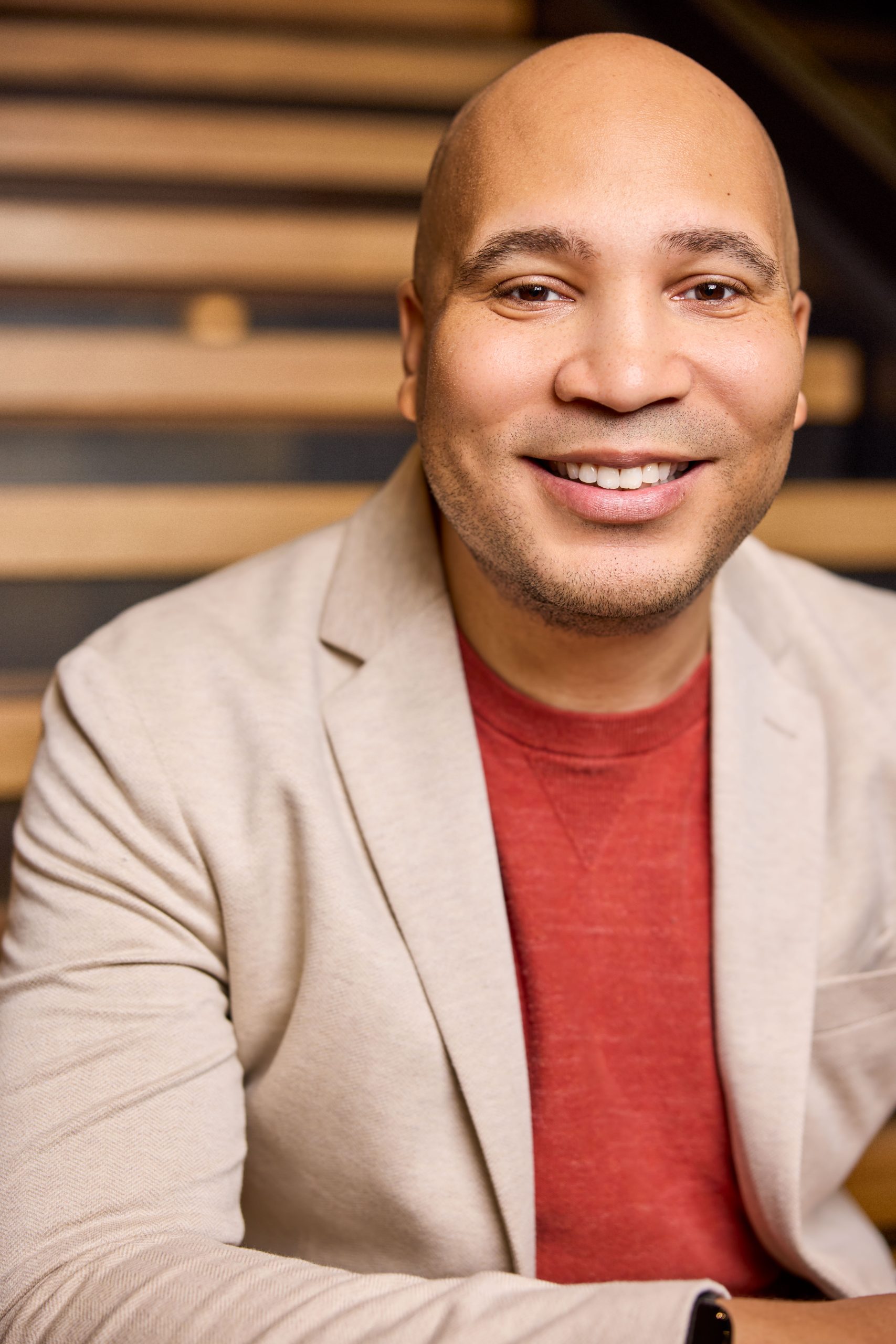
Long before Malik Brown helped run a historic campaign for Georgia governor, his great-grandmother taught him a rule about serving others.
“We called her Ma. She hammered service into us,” Brown told Gaye Magazine. “If somebody needed it more than we did, you helped, and that was the end of the conversation.”
That lesson would follow Brown from community fundraising to Atlanta City Hall and, eventually, into the senior leadership of Keisha Lance Bottoms’ successful gubernatorial campaign.
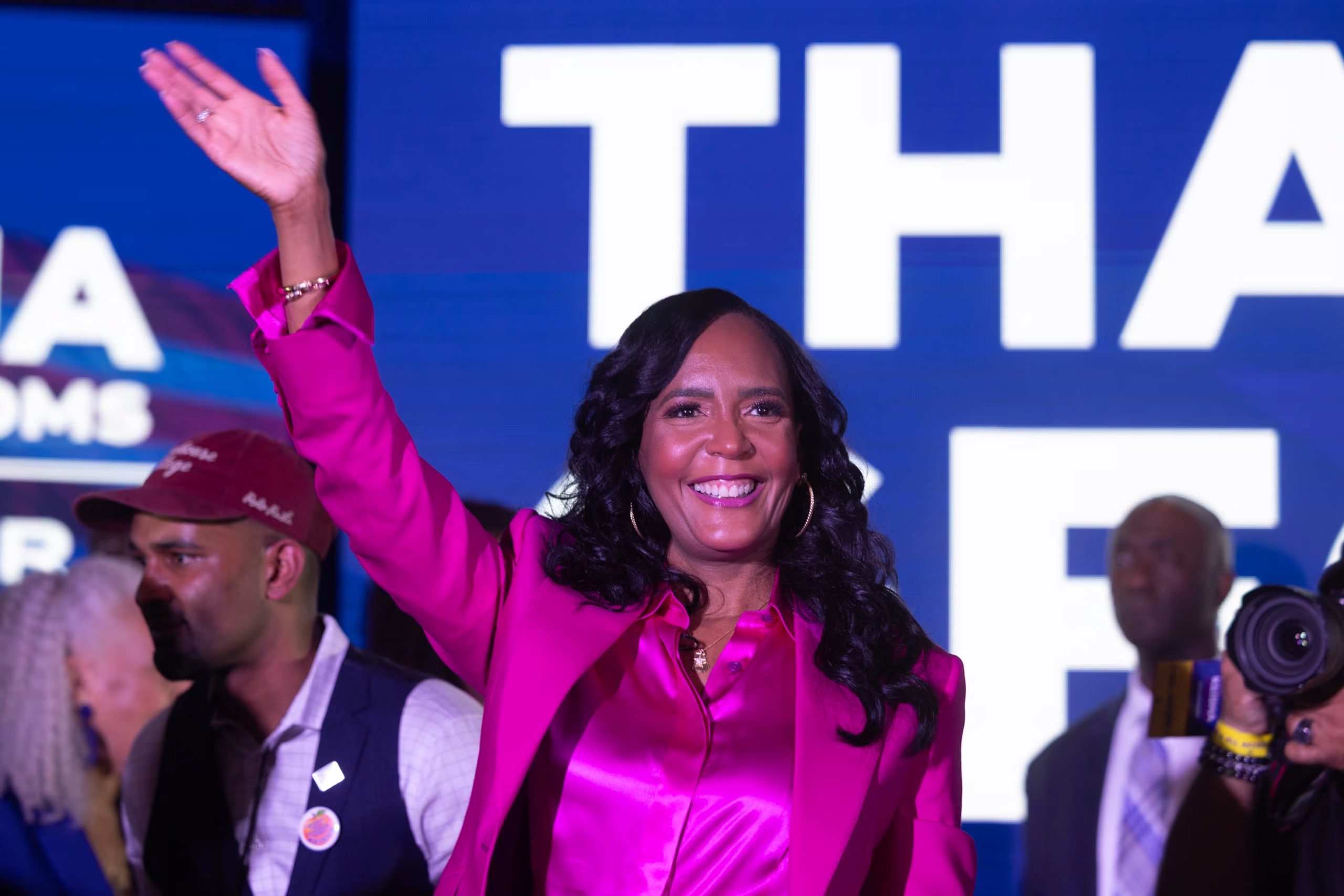
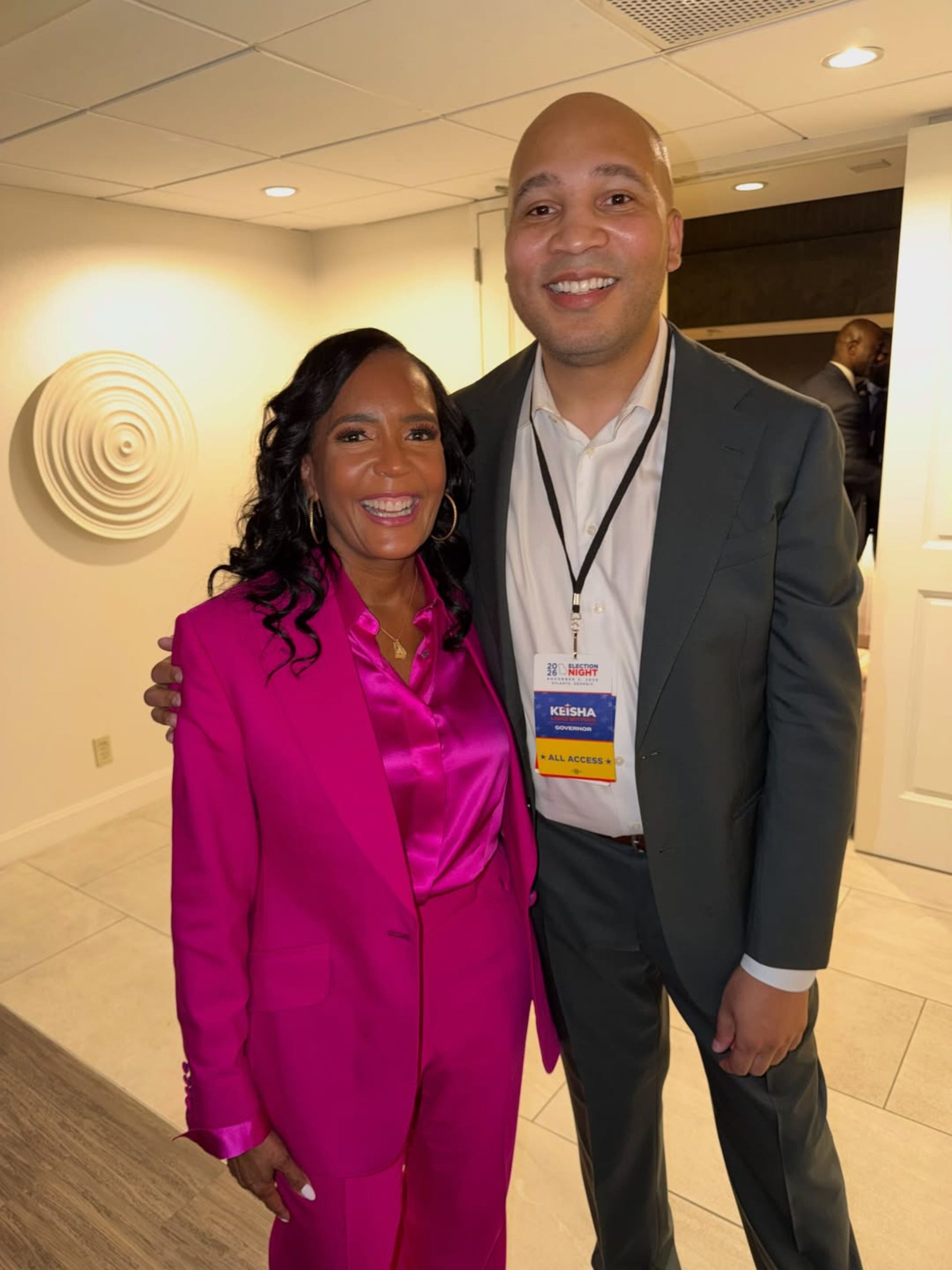
As deputy campaign manager for operations, Brown helped build and maintain the organization behind Bottoms’ victory while overseeing its LGBTQ and human rights policy work. Bottoms defeated Republican businessman Rick Jackson on Nov. 3, becoming the first Black woman elected governor in the United States.
For Brown, a Black gay man raised in the South, the result carried both professional and deeply personal significance.
“I spent that night thinking about our ancestors,” he said. “So many people sacrificed so much to make that moment possible, and most of them never got to see anything like it.”
Brown traces his understanding of service to a family whose roots stretch across the Caribbean and the South. His mother’s family comes from the West Indian islands. His father’s family has lived in Georgia for generations.
As a teenager, he began recognizing how government decisions could reach into his own life. California’s Proposition 8, which barred same-sex marriage, became a defining example.
“It passed the same night Barack Obama was elected,” Brown said. “I remember feeling like the country had just said yes to one part of me and no to another.”
His first substantial advocacy work involved raising money for the Human Rights Campaign. Asking people to support a cause taught him something he would carry into politics, people could change their minds, and someone had to be willing to make the case.
“Politicians are no different,” he said. “They’re just people, and usually someone just has to be willing to sit across from them and tell the truth. That’s when I realized I wanted to change the system from within.”
Before entering city government, Brown also worked at AID Atlanta, where his responsibilities included HIV education and prevention, development, and event planning, according to an Atlanta announcement about his appointment.
Those experiences connected advocacy to practical work: raising money, sharing information, and building relationships with people whose needs were not always reflected in public policy.
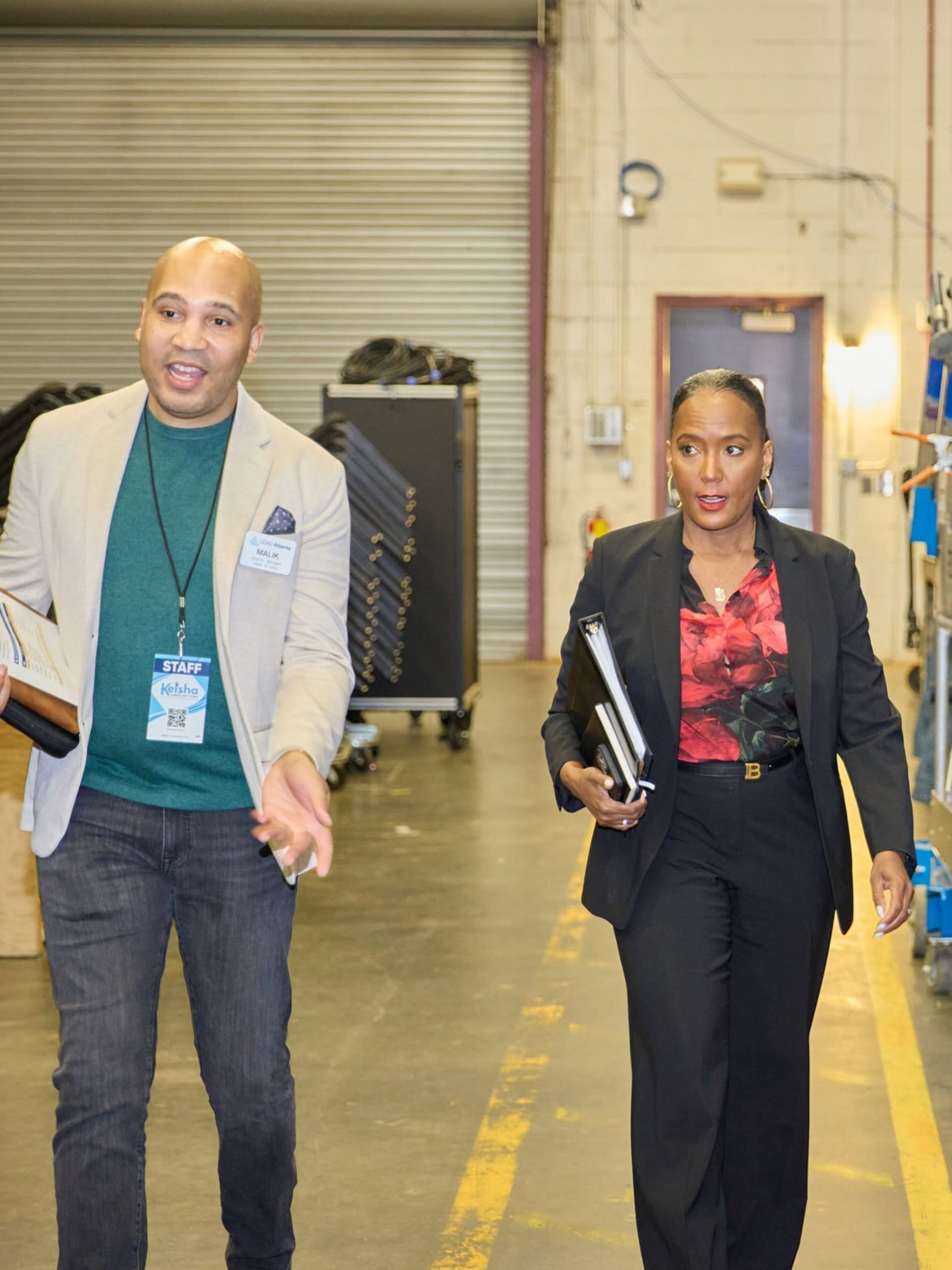
Brown’s relationship with Bottoms began on her mayoral campaign, where he worked as a junior staff member.
“What struck me right away was how warm and honest she was,” Brown exclusively shared with Gaye Magazine. “I hadn’t met many politicians who took the time to get to know the new guy. She did.”
He also noticed the campaign’s willingness to spend time in LGBTQ spaces. That engagement continued after Bottoms became mayor.
In May 2018, her administration announced Brown’s appointment as Atlanta’s first full-time LGBTQ affairs coordinator alongside the creation of the mayor’s LGBTQ advisory board. The administration identified youth homelessness, HIV prevention, and job readiness among its priorities for LGBTQ residents.
In 2020, Bottoms elevated Brown to the city’s first director of LGBTQ affairs, a senior advisory role that Atlanta described as the first of its kind in the Southeast, NBC News reported.
Brown continued serving under Bottoms’ successor, Mayor Andre Dickens. Across roughly seven years in city government, his work helped turn LGBTQ inclusion into programs, policies and public services.
According to Georgia Voice reporting published by Rough Draft Atlanta, initiatives during his tenure included LGBTQ cultural humility training for city employees and elected officials, more than 100 all-gender restrooms in city-owned facilities, and a partnership with Atlanta Legal Aid Society providing free legal name and identification changes for transgender residents.
For Brown, the scope of that work challenges the assumption that an LGBTQ affairs position occupies a narrow corner of government.
“As Atlanta’s first Director of LGBTQ Affairs, I was working on trainings with police and fire, programming with the world’s busiest airport, policies with HR, and legislation with City Council,” he said.
“Our years at City Hall are some of my favorite memories,” he added. “She showed what’s possible when an ally is in charge.”
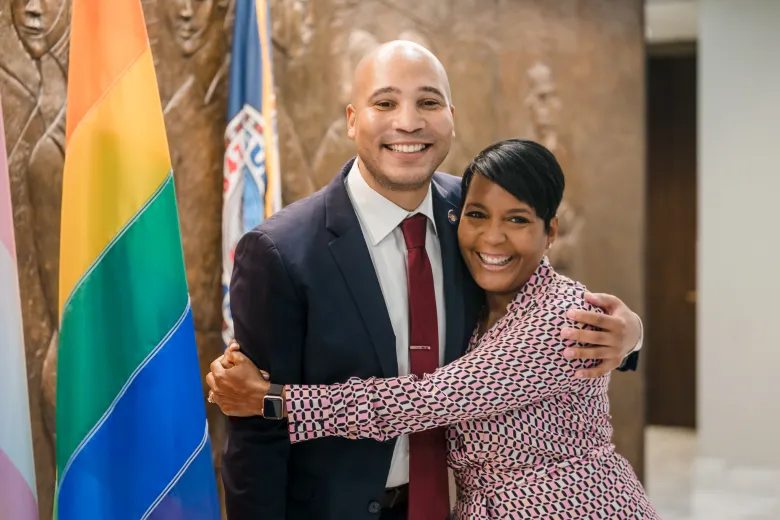
Brown brought electoral experience to the governor’s race as well. He served on the Biden campaign’s Out for Biden LGBTQ leadership council in 2020 and as a special adviser on LGBTQ engagement for the Rev. Raphael Warnock’s successful 2021 Senate runoff campaign.
When Bottoms considered running for governor, Brown said, the prospect of working together again overcame his interest in a quieter, less political life.
“She’s one of those rare leaders I’d follow anywhere, because I believe in her vision and her heart for service,” he said. “And Georgia is home. Fighting for it was never a hard call.”
As deputy campaign manager, his assignment was to make the campaign function.
“My job was to build the backbone of the campaign and keep it running,” he said.
That meant hiring and onboarding employees, organizing major events, supporting celebrity surrogates, maintaining the website, and coordinating with the designers and printers producing campaign materials. He also worked on endorsements, fundraising, and LGBTQ and human rights policy.
“Some days I was helping with a victory speech,” Brown said. “Other days I was on the phone with a printer, begging them to help with an impossible deadline.”
Money remained a central challenge. Jackson invested more than $200 million of his own money in the race, according to The Associated Press.
“We were never going to match that,” Brown said. “So every dollar had to go that much further.”
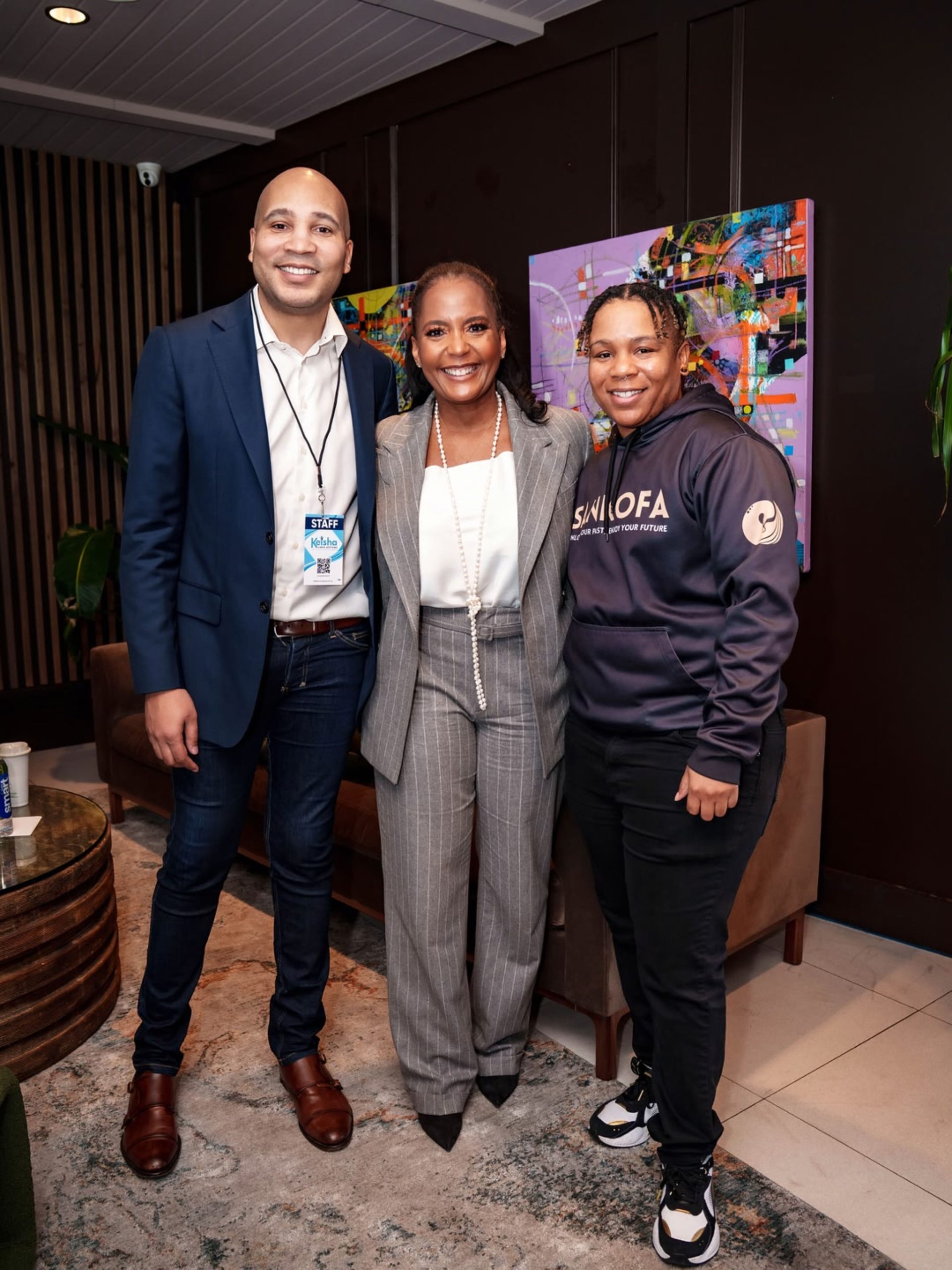
The responsibilities drew on skills Brown had developed beyond electoral politics. He leads the Atlanta LGBTQ+ Community Center Initiative at the Atlanta Fulton County Recreation Authority, work he said requires coordinating architects, community meetings, program design, fundraising and research.
“That’s operations,” he said.
Running a statewide campaign demanded that he connect those skills on a larger scale.
“The biggest way I’ve grown as a leader is learning to zoom out,” Brown said. “Early on, I treated every project like its own thing. Now I look for how they connect, because they almost always do.”
Brown credits Atlanta’s LGBTQ community with helping shape his leadership. But he said statewide work also requires recognizing the limits of familiar political circles.
“Some circles in Atlanta can turn into an echo chamber,” he said.
Bottoms, he said, pushed the team to hear directly from voters. The approach reminded him of his work on Warnock’s campaign, when conversations across Georgia often differed from the political discussions dominating his own networks.
“Nine times out of ten, they hadn’t heard the talking points that were so loud in the echo chamber, and they didn’t care about them,” Brown said. “They wanted to know how we were going to lower prices.”
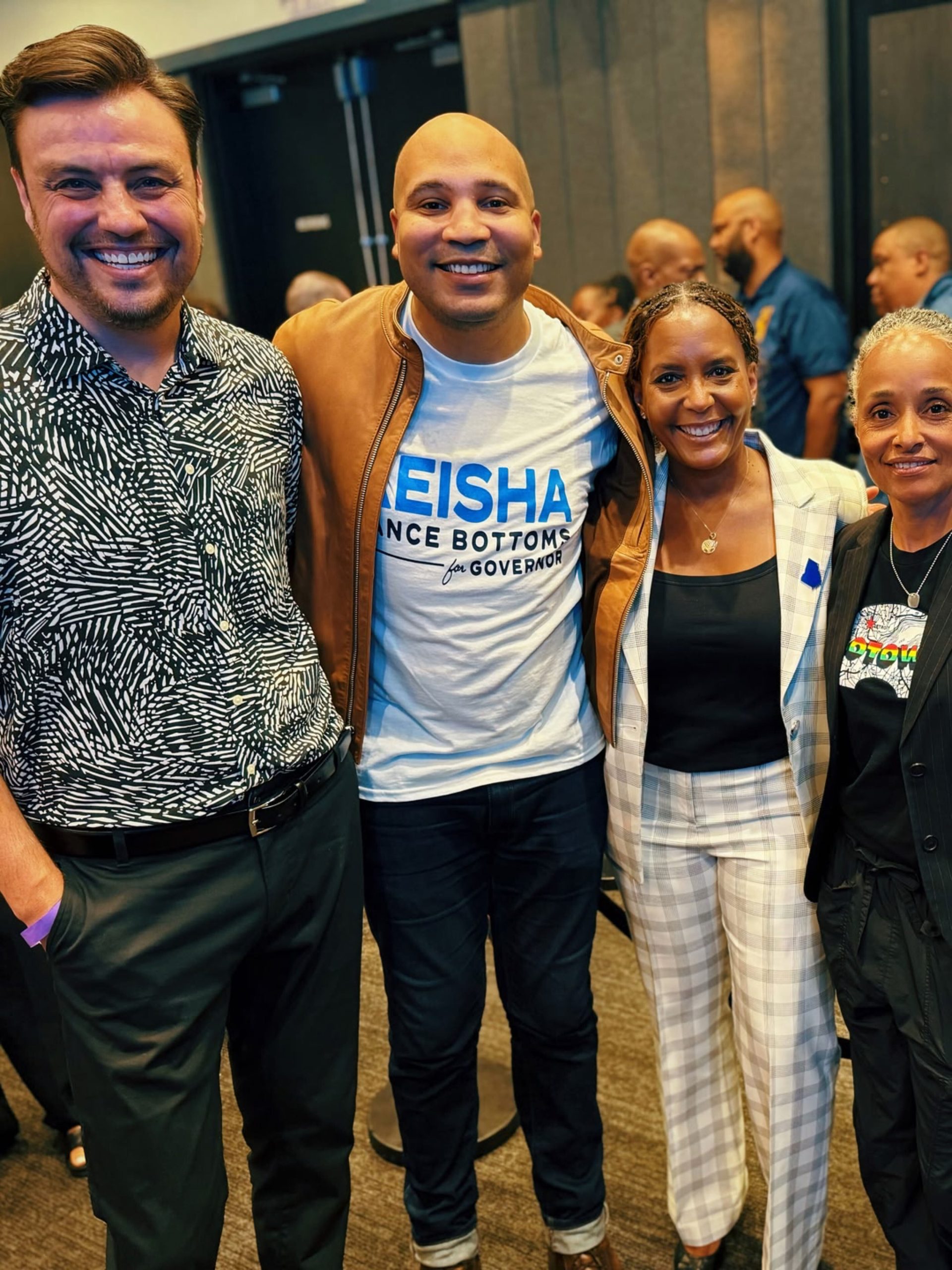
For Brown, LGBTQ advocacy and broader campaign leadership were not competing assignments. His experience working across city departments, community organizations and public policy had prepared him to manage an operation serving a statewide electorate.
His role also illustrates a distinction in political representation: LGBTQ people do not participate only as voters to be courted or advocates for a single policy area. They help hire the staff, manage resources, and make the decisions that keep campaigns moving.
Bottoms’ election ended more than two decades of Republican control of Georgia’s governor’s office. It also broke a barrier no Black woman had crossed in any state.
Brown thinks about that history through the people who will inherit it.
“I think about the little Black girls across this country who woke up that Wednesday morning knowing they could be governor,” he said. “That’s already part of her legacy, and she hasn’t even been sworn in yet.”
He also wants the record to reflect the LGBTQ people whose work helped make the victory possible.
“LGBTQ+ people worked in almost every part of this campaign, and they were some of the best in the business,” Brown said.
“They helped make history, and I’m so proud I got to do it alongside them.”
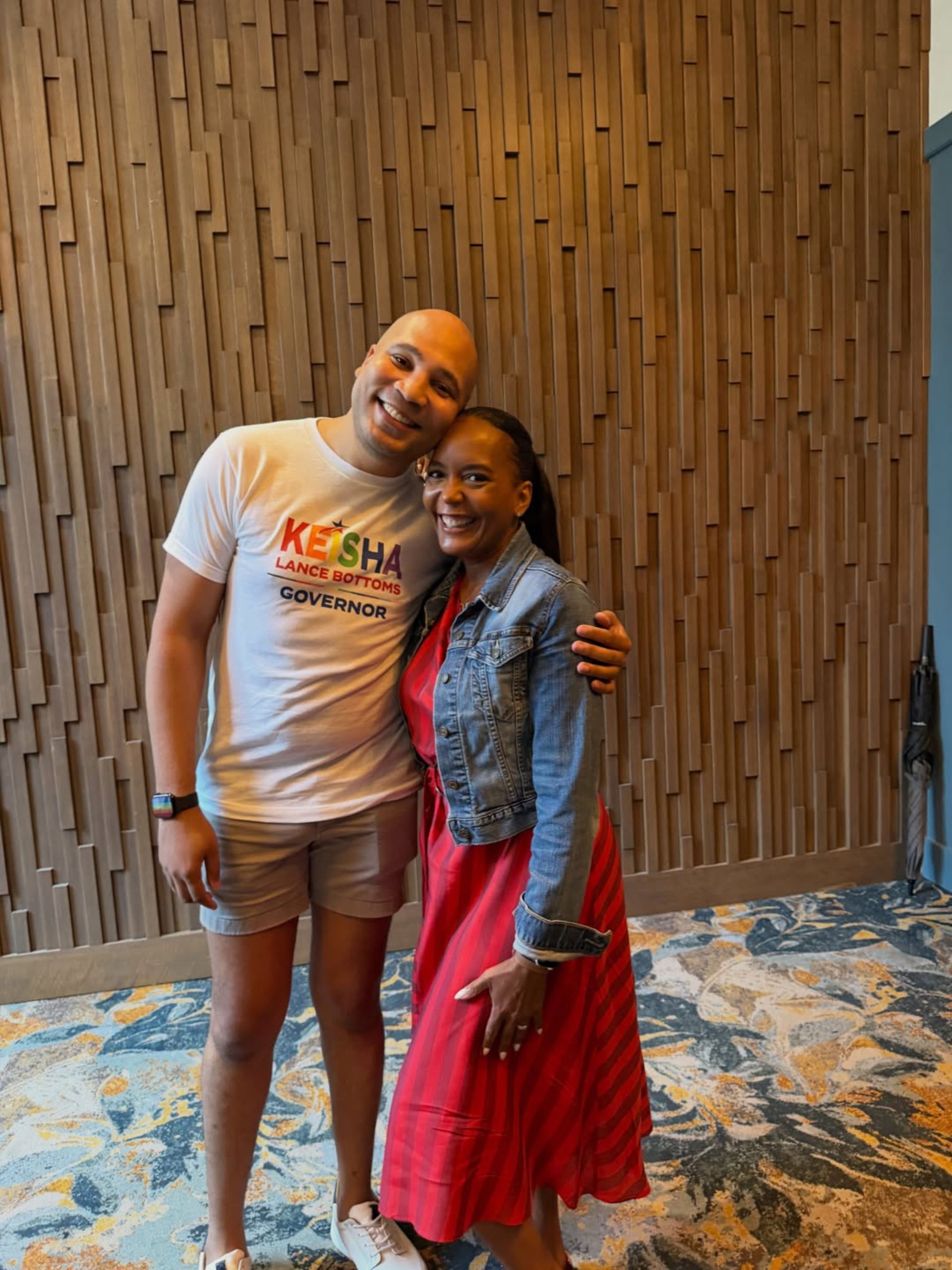
 Mykel Hilliard
Nov 11
7 mins read
Mykel Hilliard
Oct 29
11 mins read
SaintTreyW
Oct 14
9 mins read
 Juhi Page
Aug 13
8 mins read

Gaye Magazine® is part of Gaye Media, Inc.© 2026 Gaye Media, Inc. All Rights Reserved.