 SaintTreyW
Dec 12 2025
4 mins read
SaintTreyW
Dec 12 2025
4 mins read
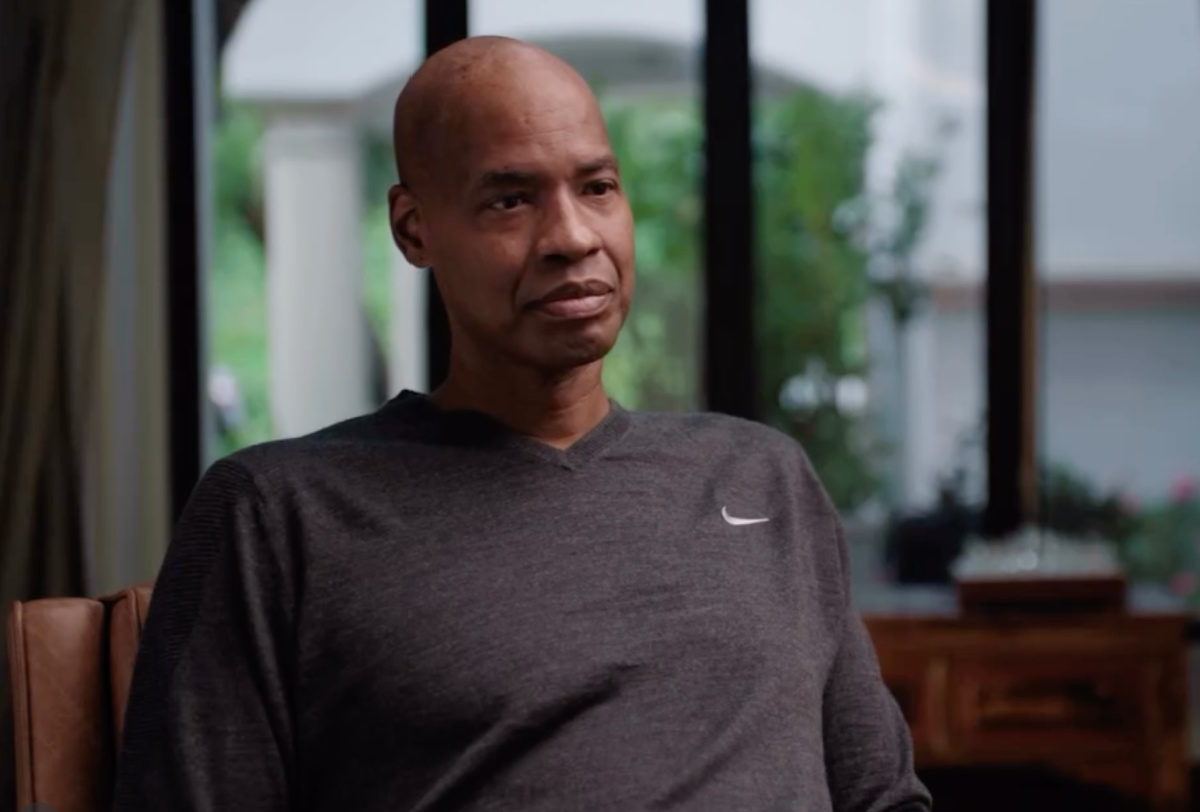
Jason Collins, the former NBA center who made history in 2013 as the first openly gay man to play in a major U.S. professional sports league, says he is battling stage 4 glioblastoma, one of the most aggressive and deadly forms of brain cancer, and has been told he may have about a year to live.
Collins, 47, shared the gravity of his diagnosis in an interview published Thursday by ESPN, co-written with Ramona Shelburne. He revealed that the cancer developed rapidly and began with subtle but alarming symptoms that escalated in a matter of weeks.
“It came on incredibly fast,” Collins told ESPN, describing early signs such as memory loss and difficulty focusing. Like many athletes conditioned to push through pain, he initially dismissed the symptoms. “Unless something is really wrong, I’m going to push through. I’m an athlete,” he said.
That instinct nearly cost him his life.
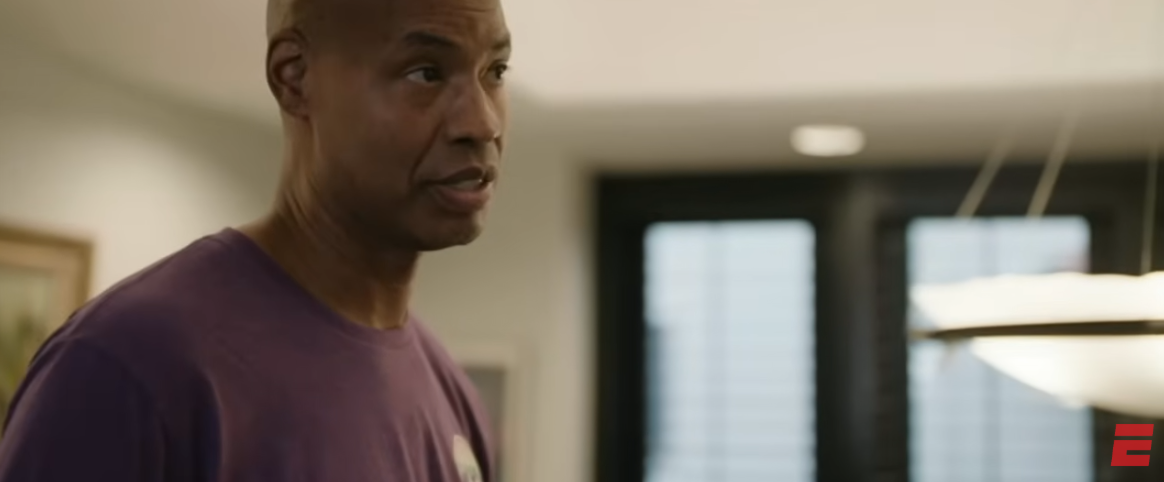
By August, Collins’ cognitive issues had worsened significantly. While packing with his husband, film producer Brunson Green, for a trip to the U.S. Open tennis tournament, Collins found himself unable to complete basic tasks. Soon after, his short-term memory, mental clarity and comprehension deteriorated to the point that he said he no longer felt like himself.
A CT scan revealed the cause: a multiforme glioblastoma growing aggressively inside his skull. Because the tumor is encroaching on the frontal lobe, the area of the brain responsible for personality, decision-making and sense of self, the condition is especially difficult to treat.
“What makes glioblastoma so dangerous is that it grows within a very finite, contained space, the skull,” Collins said in the ESPN story. “And it’s very aggressive.”
Doctors warned him that without immediate intervention, the cancer could be fatal within weeks.
With the support of Green, his family and close friends, Collins began an aggressive treatment plan that included medication, radiation and chemotherapy. He is currently in Singapore, where he is receiving specialized and experimental care, including immunotherapy that is still being studied but has shown promise for this type of cancer.
“We aren’t going to sit back and let this cancer kill me without giving it a hell of a fight,” Collins said. “We’re going to try to hit it first, in ways it’s never been hit.”
The decision to pursue innovative treatment, Collins said, echoes another pivotal moment in his life: coming out publicly as gay while still an active NBA player. At the time, he understood he was stepping into uncharted territory, risking backlash to live openly and truthfully.
“I feel like I’m right back in that position now, where I might be the first person through this wall,” he said.
In September, Collins announced publicly that he was undergoing treatment for a brain tumor but did not disclose the severity of his condition. The latest revelations underscore just how serious the diagnosis is, while also highlighting a measure of hope. After beginning treatment, Collins said he has “come out of the fog” and regained much of his mental clarity.
Collins’ story is inseparable from his basketball legacy. A Southern California standout, he and his twin brother, Jarron Collins, went on to play together at Stanford University, where Jason helped lead the Cardinal to an Elite Eight appearance and a Final Four berth.
He was selected with the No. 18 pick in the 2001 NBA Draft by the Houston Rockets and traded on draft night to the New Jersey Nets, along with Richard Jefferson. Collins became a key contributor on the Nets teams led by Jason Kidd that reached the NBA Finals in 2002 and 2003. Known as a physical, defense-first center, he played 13 NBA seasons with the Nets, Grizzlies, Timberwolves, Hawks, Celtics and Wizards.
After retiring, Collins remained active in the league as an NBA ambassador, representing the organization at events and continuing to advocate for inclusion in sports.
Now, he faces a different kind of fight, one that is deeply personal but still resonant for many.
Collins recalled that when his grandmother was diagnosed with stage 4 stomach cancer, she resisted even hearing the word “cancer.” His own approach is different.
“I don’t care if you say the word,” he said. “I have cancer. But just like my grandmother fought it, I’m going to fight it.”
For many LGBTQ+ people, Collins’ life has long symbolized courage under pressure and the cost, and power, of visibility. As he confronts a terminal diagnosis with honesty and resolve, that legacy continues, reframed not around survival alone, but around refusal; a refusal to disappear quietly, to surrender without resistance, or to stop telling the truth about what it means to be alive.

SaintTreyW
Mar 31
4 mins read

SaintTreyW
Mar 26
4 mins read

 Juhi Page
Mar 25
4 mins read
Juhi Page
Mar 25
4 mins read

Gaye Magazine® is part of Gaye Media, Inc.© 2026 Gaye Media, Inc. All Rights Reserved.