


 Anders Hare
Sep 1
3 mins read
Anders Hare
Sep 1
3 mins read
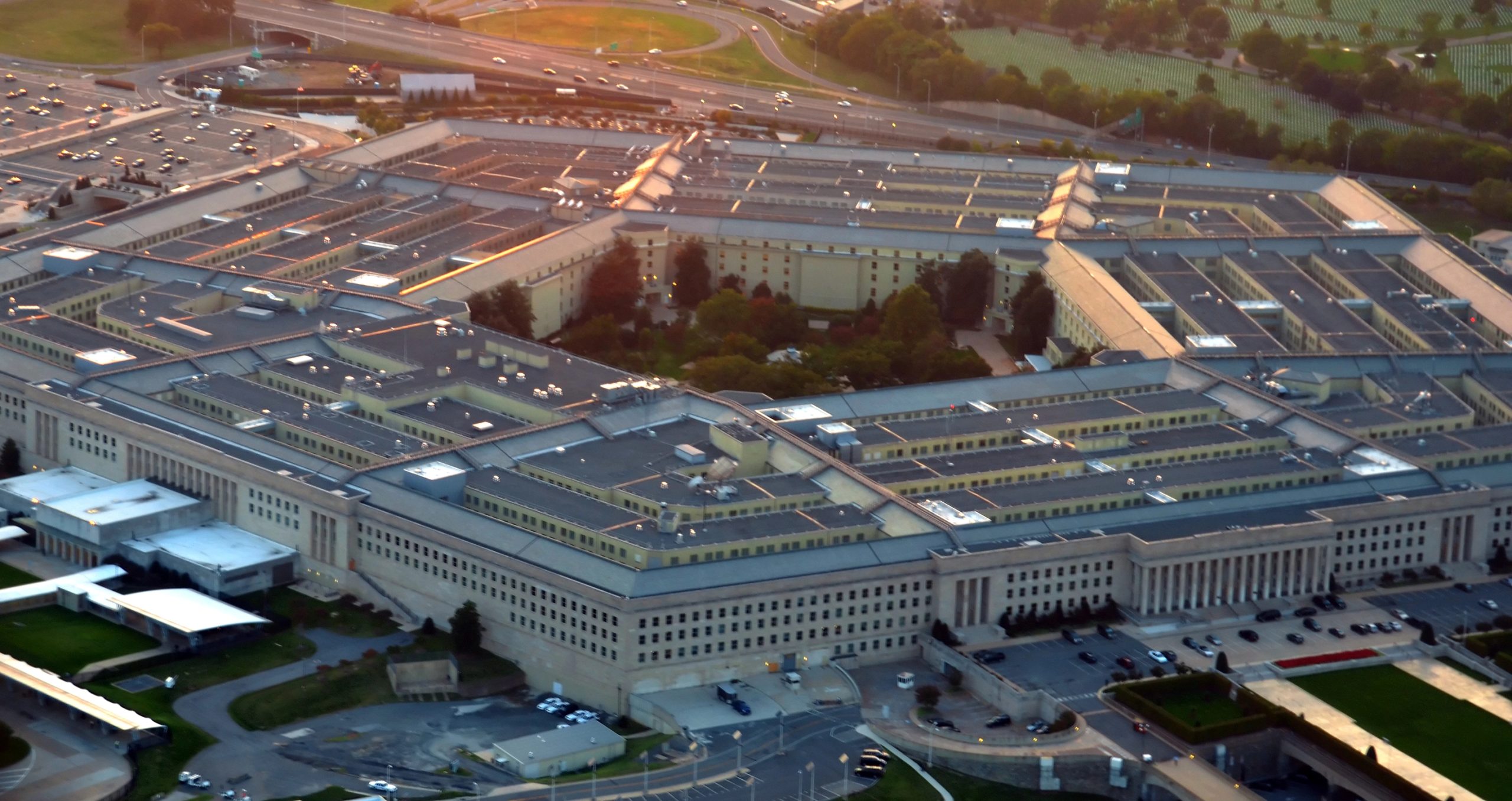
Two federal judges have already said the same thing about the Trump administration’s transgender military ban: it looks like it was written to punish people, not to protect the country. Now the administration is asking the Supreme Court to overrule both of them before a trial can even happen.
The Department of Justice filed the request Friday in the case Talbott v. USA. The filing asks the justices to overturn a ruling from a federal appeals court in Washington, D.C., that has allowed transgender troops to stay in the military while the case plays out. The administration argues the policy targets a medical condition called gender dysphoria, not transgender people themselves. That distinction matters legally: it would let the government defend the ban under an easier legal standard.

Talbott v. USA was filed after Trump signed the order reinstating the transgender military service ban from his first term, after group of transgender service members and prospective recruits sued to block it. It was the first legal challenge filed against the administration’s transgender military ban executive order, brought by the LGBTQ+ legal groups GLAD Law and the National Center for Lesbian Rights.
In March 2025, U.S. District Court judge Ana Reyes issued a nationwide preliminary injunction blocking implementation of the ban, and the case has been in litigation ever since. It survived an early Supreme Court setback in a related case before winding up back in front of the D.C. Circuit, and now, potentially, the justices themselves.
Two lower courts have already rejected that argument. In June, a divided panel of that appeals court kept transgender troops protected from discharge. One of the judges, Robert Wilkins, wrote that the policy seemed to come from a “bare desire to harm” transgender people. The judge overseeing the case, Ana Reyes, has gone further, calling the ban “soaked in animus and dripping with pretext” and “a solution in search of a problem.”
Reyes ruled that the case can proceed as a class action, meaning her decision could affect not just the original plaintiffs but all transgender service members and recruits. A trial is scheduled to begin Jan. 4, 2027.
This isn’t the Supreme Court’s first brush with the issue. In May 2025, the justices allowed a related version of the ban to take effect while a separate case worked through the courts. The three liberal justices dissented, and the unsigned order didn’t say whether the ban was constitutional — only that it could remain in place for now. The new request asks the court to settle that bigger constitutional question before the trial even happens.
The Pentagon case is one piece of a larger pattern. In January 2025, President Donald Trump signed an executive order declaring that the federal government would recognize only two sexes. That order led the State Department to stop issuing passports with an “X” gender marker and pushed federal health agencies to remove transgender-related health information from their websites.
In November 2025, the Supreme Court let the administration enforce a rule requiring passports to list a person’s sex at birth instead of their gender identity, a policy the American Civil Liberties Union called discriminatory.
The Talbott case now moves to the Supreme Court, one of several ongoing legal fights over the administration’s transgender policies. The justices are expected to respond to the request in the coming months.

 Mykel Hilliard
Sep 12
3 mins read
Mykel Hilliard
Sep 12
3 mins read

Mykel Hilliard
Feb 6
5 mins read

Gaye Magazine® is part of Gaye Media, Inc.© 2026 Gaye Media, Inc. All Rights Reserved.