


 SaintTreyW
Mar 26
4 mins read
SaintTreyW
Mar 26
4 mins read
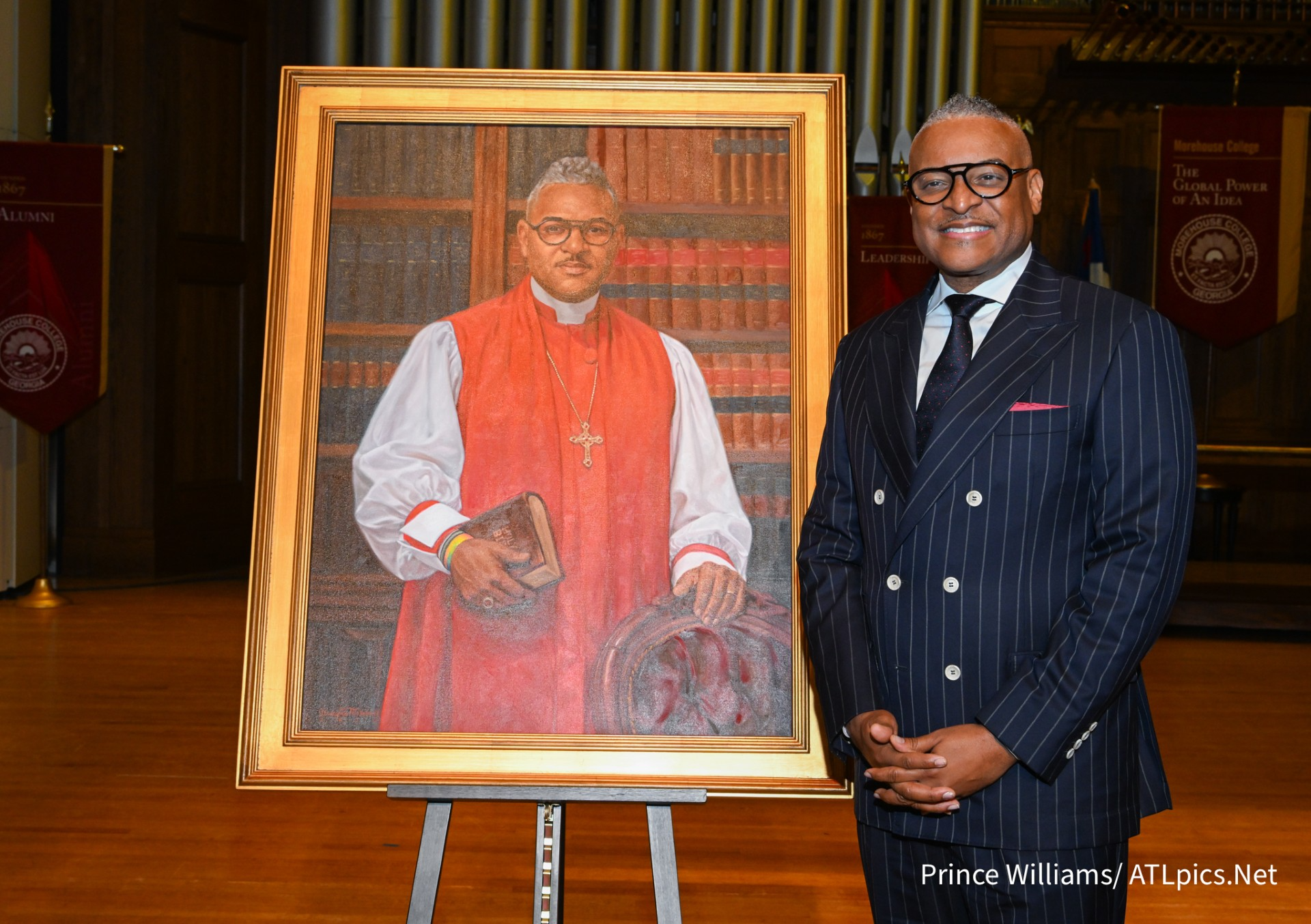
The walls of the Martin Luther King Jr. International Chapel at Morehouse College have long told a story about power, faith, and liberation. On March 19, 2026, that story widened.
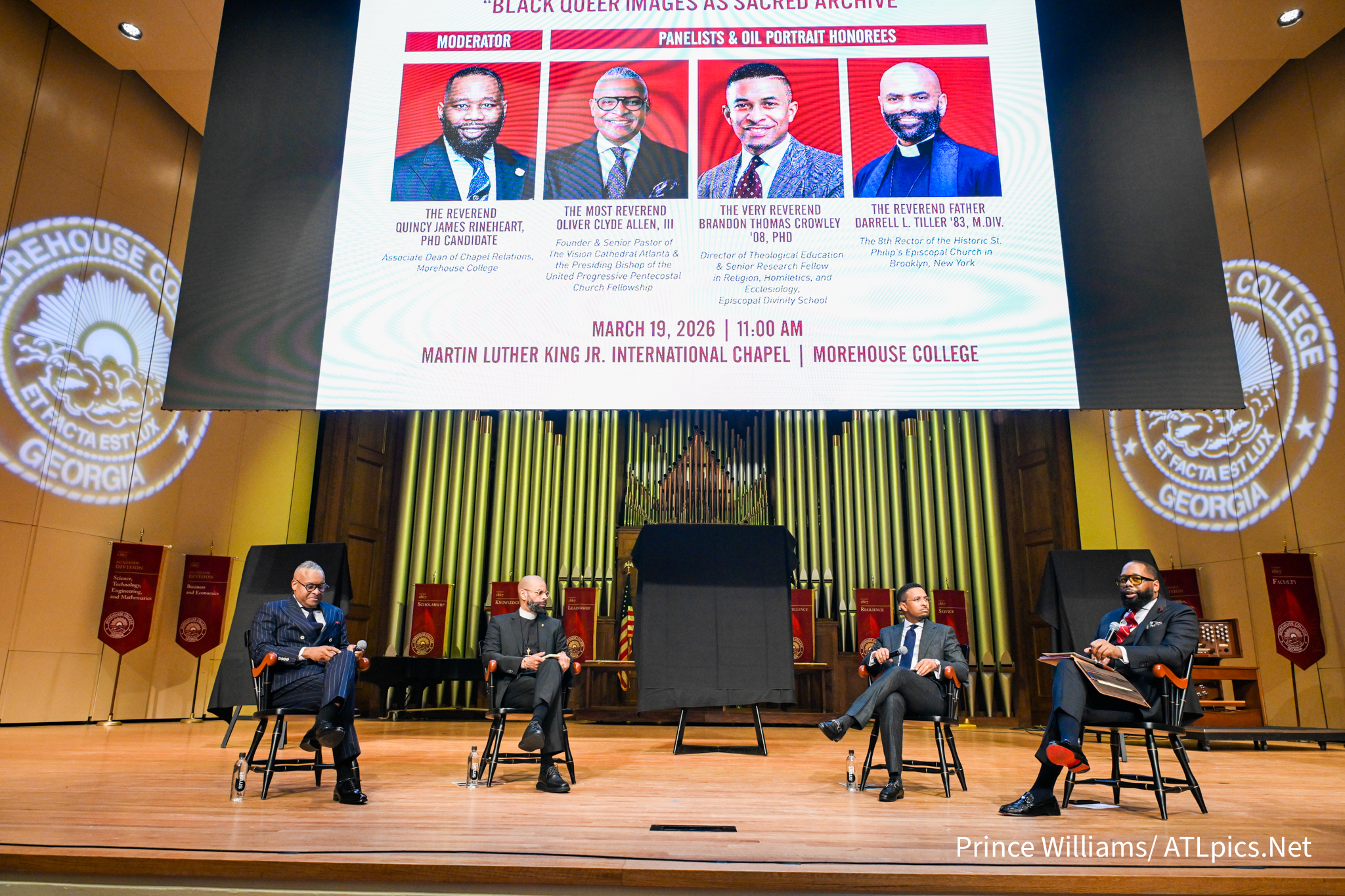
During the Bayard Rustin Crown Forum, an oil portrait of Bishop O.C. Allen was unveiled, marking the first time an openly Black gay bishop has been permanently installed among the institution’s most revered figures. Painted by artist Dwayne Mitchell, the portrait now hangs alongside images of the Rev. Martin Luther King Jr., Mahatma Gandhi, and Abraham Lincoln, reshaping a visual archive that has defined moral leadership for generations.
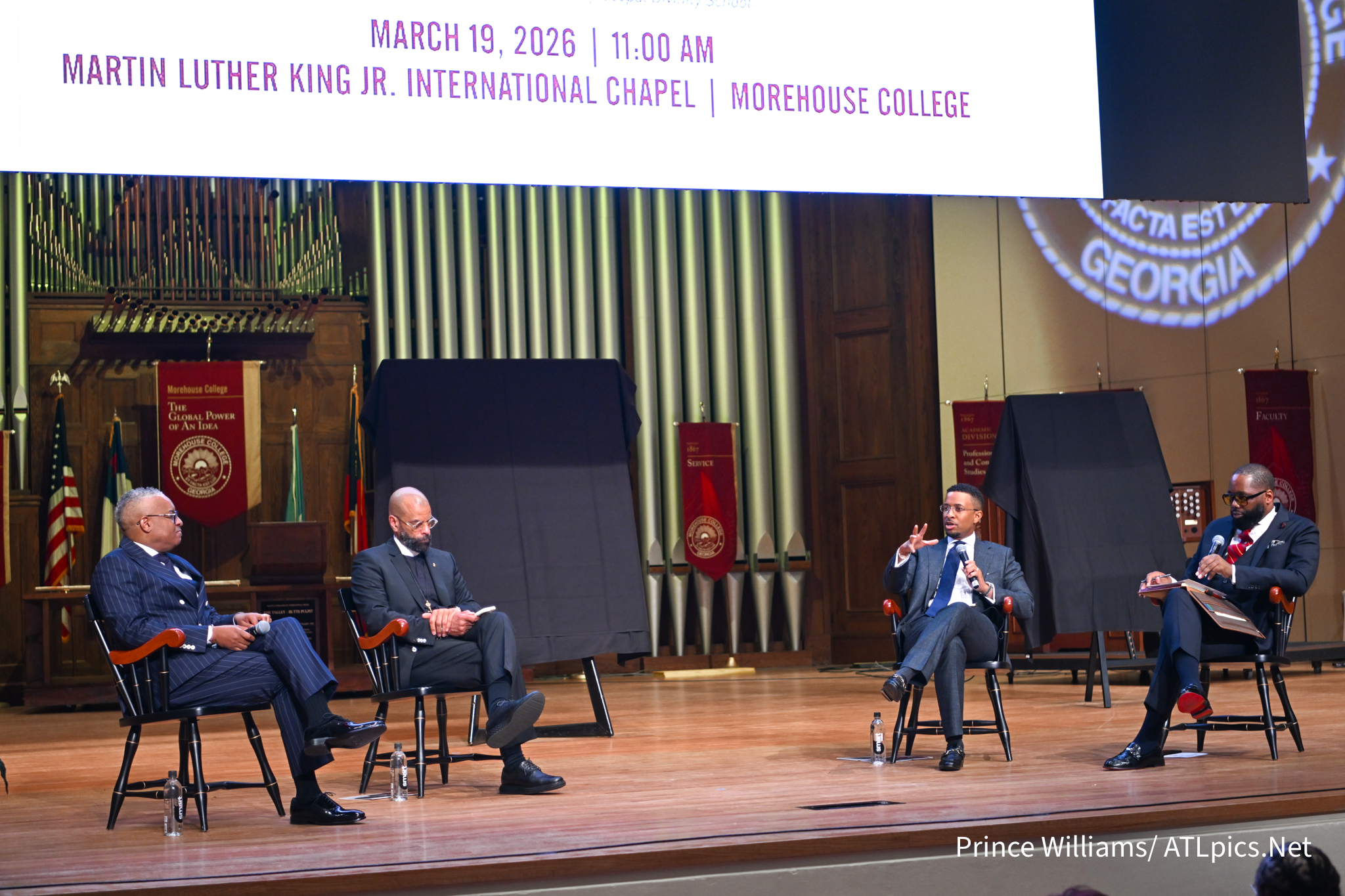
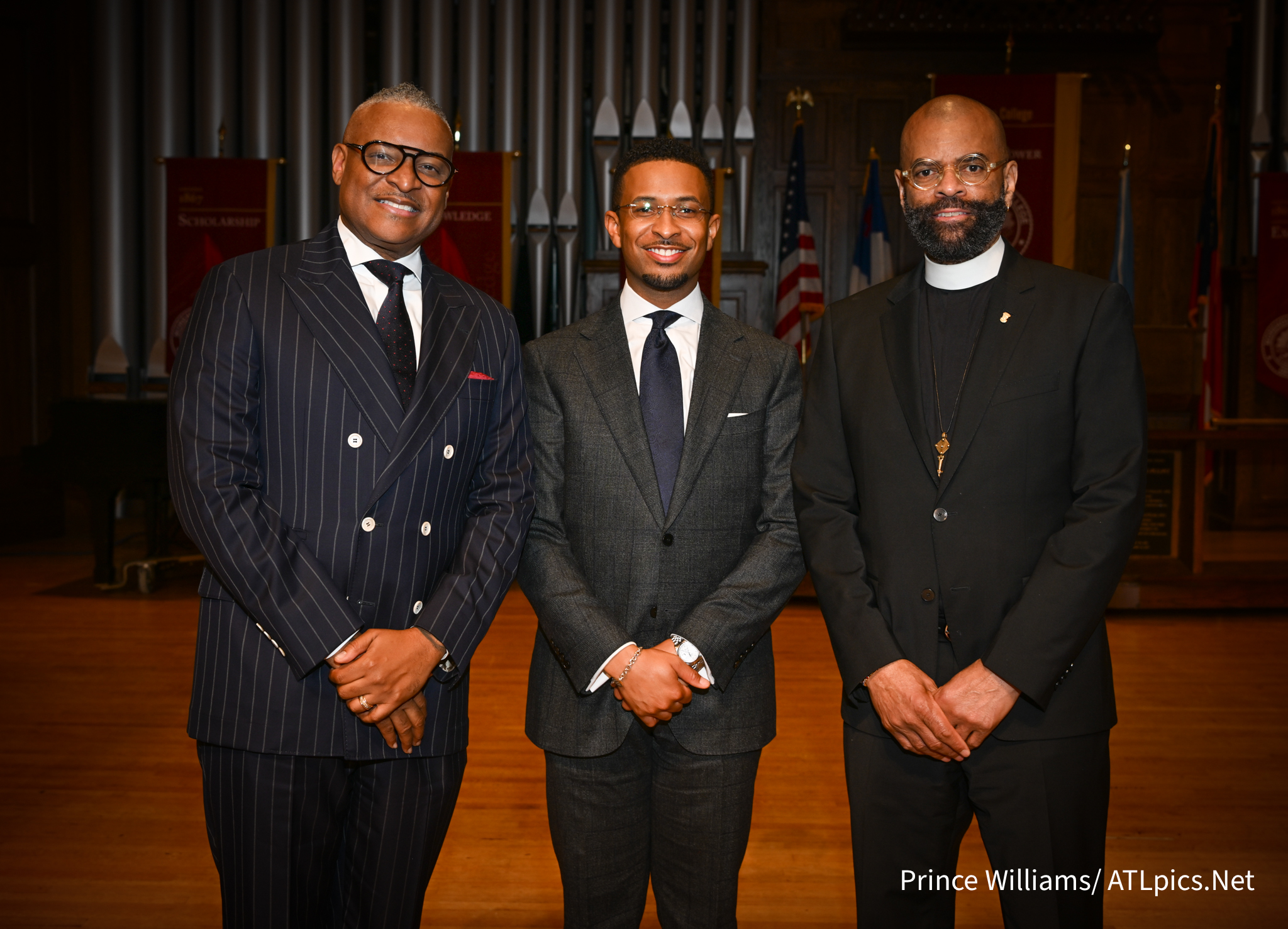
The moment, both ceremonial and historic, signals a shift in how institutions remember those who have shaped faith, culture, and collective struggle. Allen was honored alongside Rev. Dr. Brandon Crowley and Father Darrell Tiller, expanding the chapel’s representation of Black queer spiritual leadership. Prior to this, only Pauli Murray and Bayard Rustin were recognized as openly queer figures within the space.
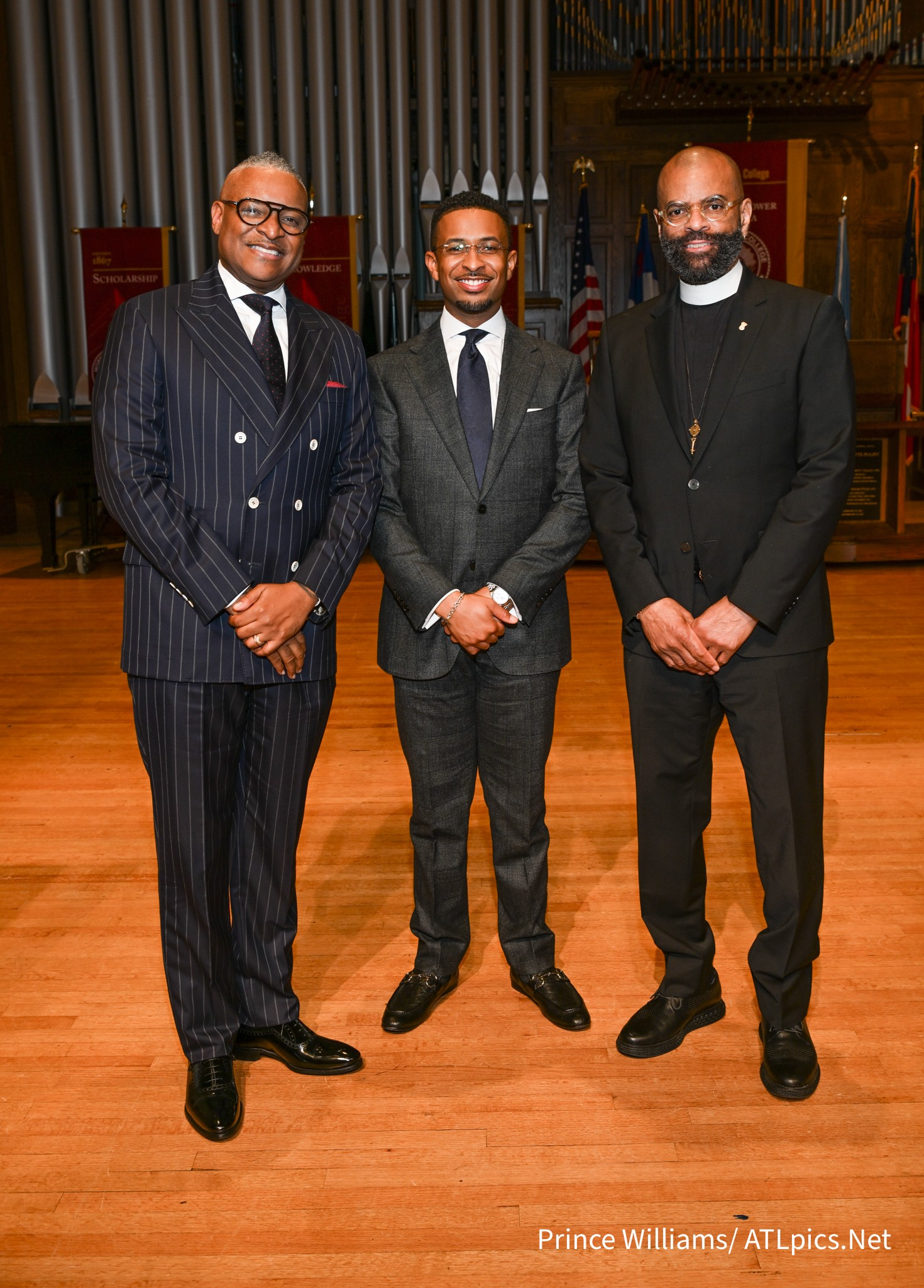
The unveiling arrives as both affirmation and correction, acknowledging a lineage of Black queer clergy who have long done the work of ministry, organizing, and care, often without institutional recognition.
“This moment is both personal and political. To be honored at Morehouse College, a place that has shaped Black legacy and liberation, reminds me that our lives and truths cannot be erased, even in oppressive times. In a climate where Black queer people are debated, denied, and legislated, this moment stands as quiet resistance and loud affirmation. It says that faith, identity, and truth can coexist, and that we belong not just in the margins of history, but on its walls; we are the story. And my life is proof that what they tried to silence, God will still put on display,” said Bishop Allen in an exclusive statement to Gaye Magazine.
Allen’s presence on the chapel wall carries particular weight, given his roots at Morehouse. As a student, he studied religion and philosophy and helped create one of the college’s first safe spaces for Black gay students, building community in a place where such visibility was once limited.
His return to campus as a permanent fixture within its most sacred space reflects a rare full-circle moment, one that bridges past marginalization with present recognition.
Today, Allen serves as founder and senior pastor of The Vision Cathedral of Atlanta and presiding bishop of the United Progressive Pentecostal Church Fellowship, overseeing a ministry that spans multiple cities across the United States. His work extends beyond the pulpit into public health, advocacy, and national leadership.
Allen serves on the board of directors for the Human Rights Campaign and was appointed by former President Barack Obama to the Presidential Advisory Council on HIV/AIDS. His initiative, Prevention from the Pulpit, has mobilized faith communities nationwide to confront HIV stigma and advance public health education, positioning the church as a site of both spiritual and material care.
Beyond institutional roles, Allen has helped shape Black queer cultural life. As a longtime organizer of Atlanta Black Pride, he has contributed to one of the largest Black LGBTQ+ gatherings in the world. His media platform, Soul Work, continues to explore spirituality through a Black queer lens, offering narratives that challenge exclusionary traditions while honoring the sacred.
The portrait itself, rendered in oil, stands as more than a tribute. It is a permanent installation, a visual declaration that future generations of Morehouse students will encounter as they move through the chapel. In this way, Allen’s image becomes part of the institution’s living curriculum, teaching without speaking.
At its core, the installation raises a question about memory. Who is remembered, and why? The walls of institutions like Morehouse do more than commemorate the past; they signal possibility. They tell students who have been allowed to lead, whose lives are worthy of study, and whose legacies are meant to endure.
Allen’s portrait does not so much disrupt that tradition as complete it.
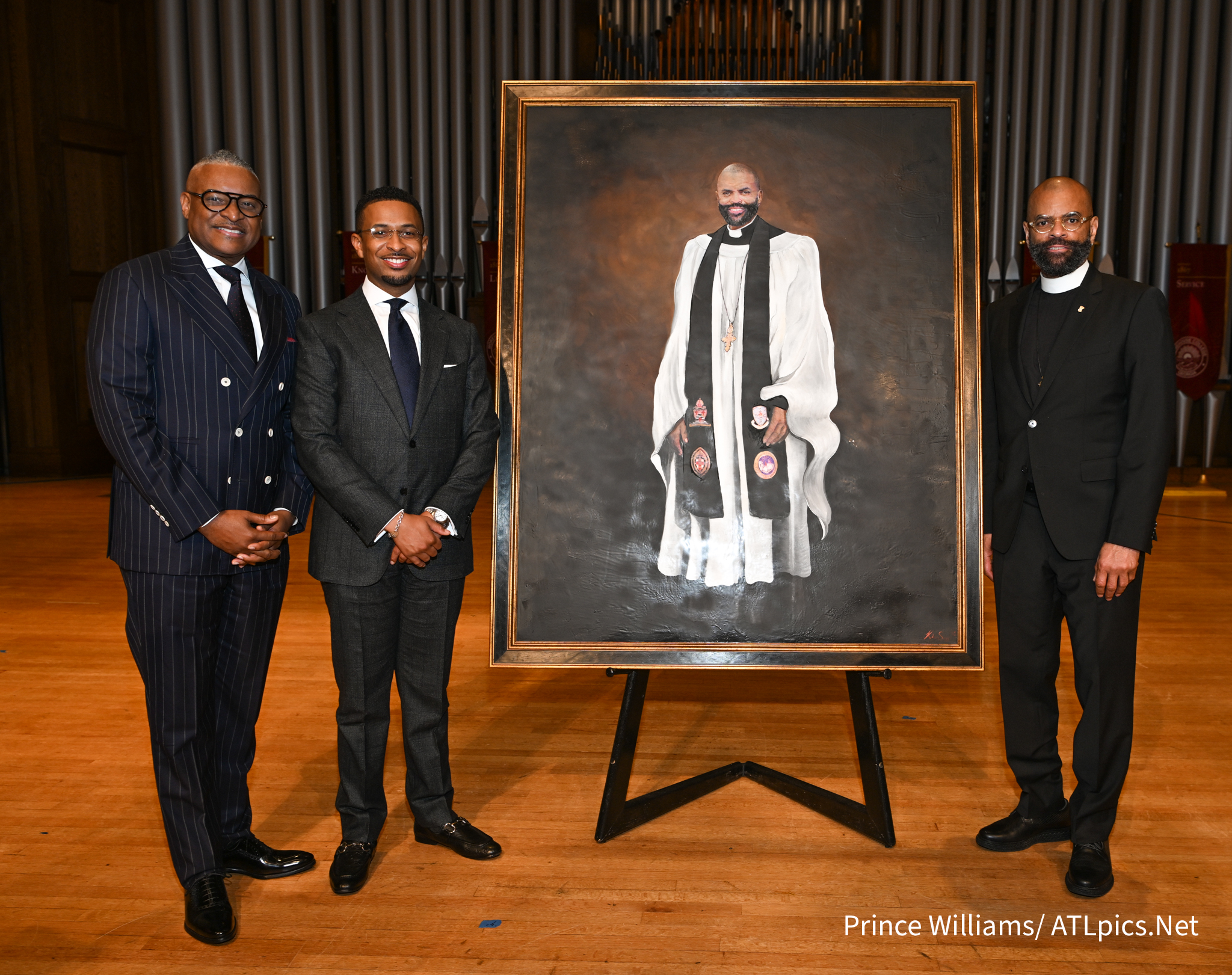
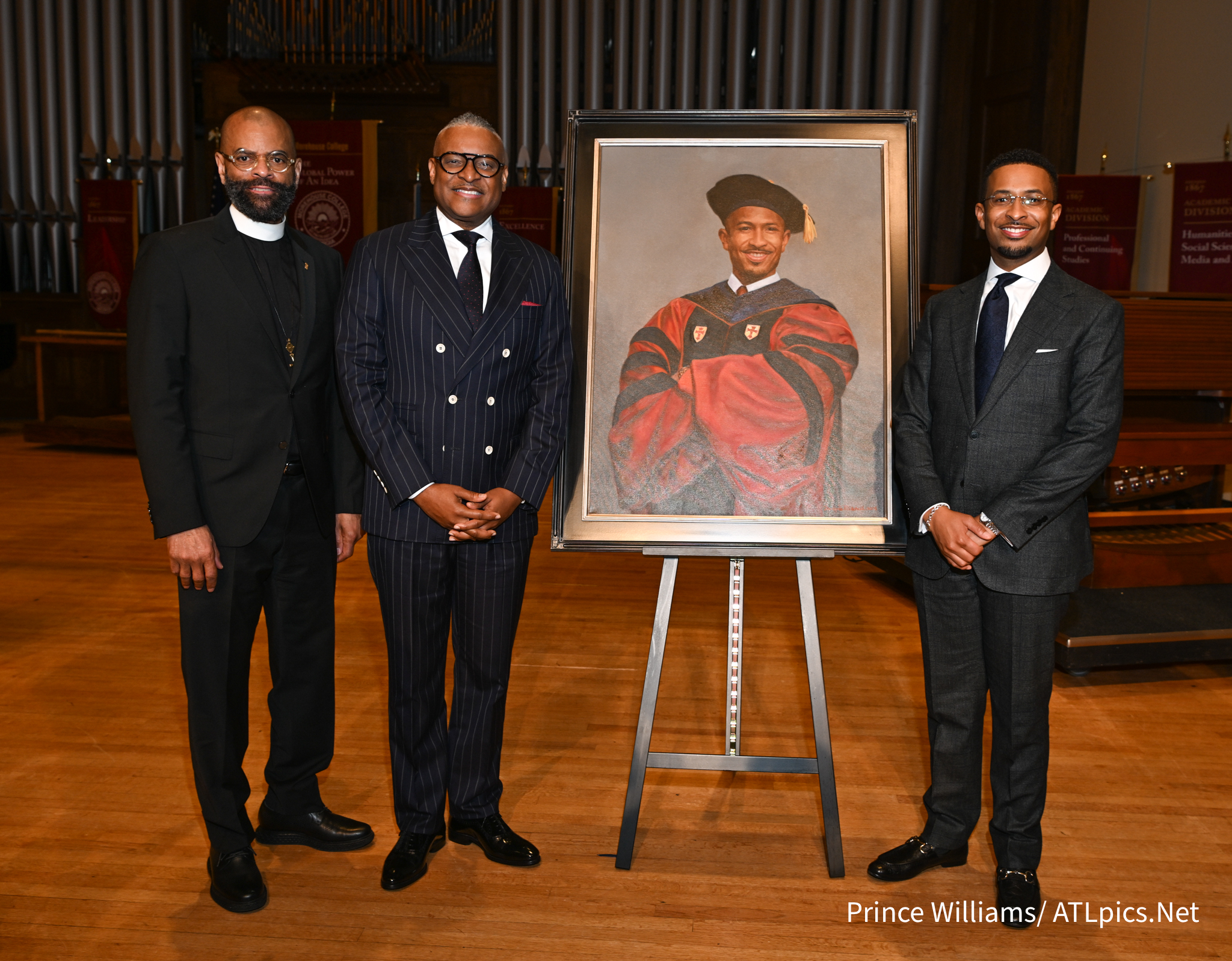
Black queer clergy have always existed within American faith traditions, carrying congregations, building movements and tending to communities in times of crisis. What has often been missing is not contribution, but recognition.
The Bayard Rustin Crown Forum, named for the openly gay civil rights strategist who helped organize the 1963 March on Washington, provided a fitting backdrop for this expansion. It rooted the moment in a longer history of Black queer leadership that has shaped both faith and freedom movements.
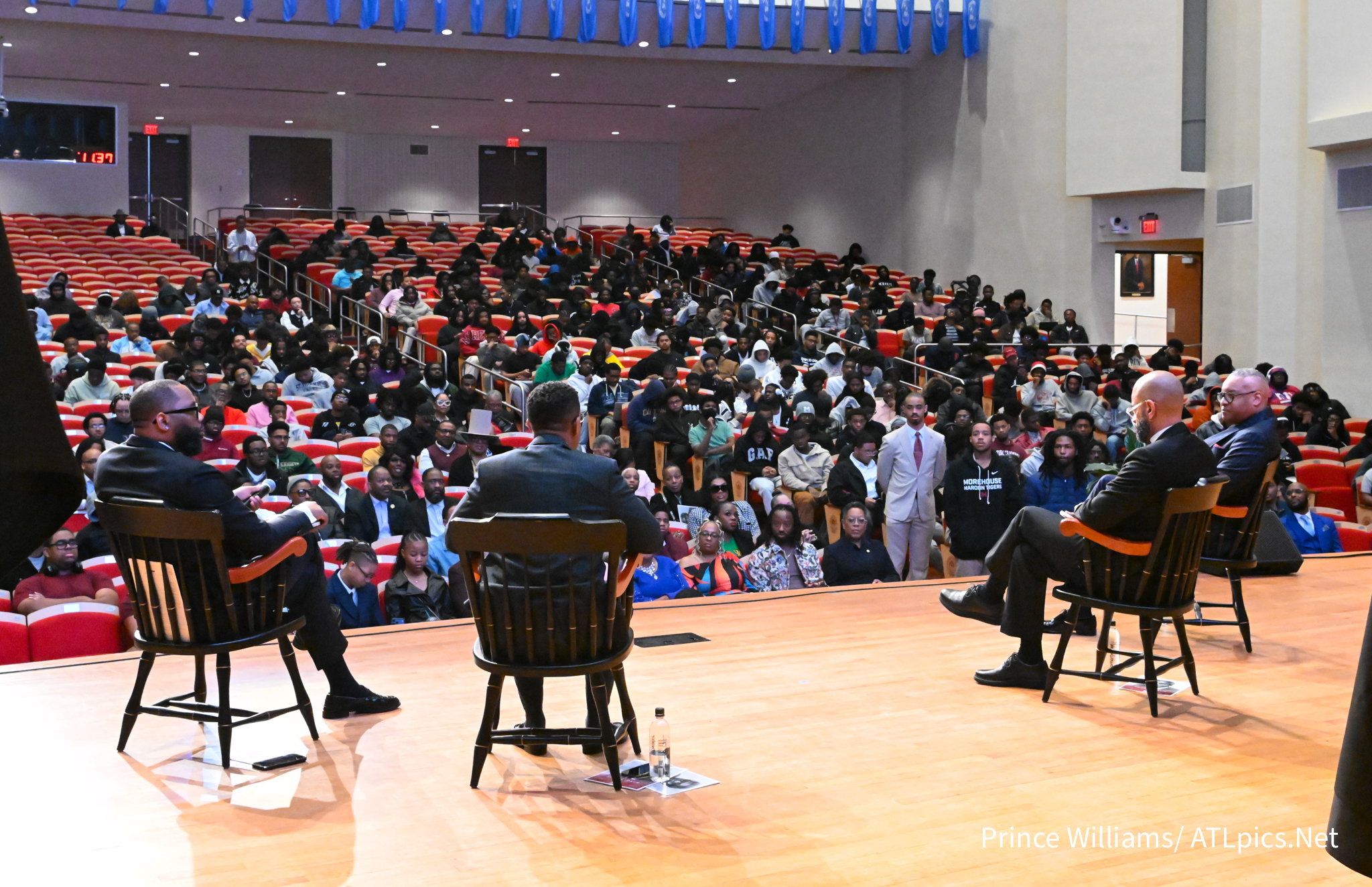
For students navigating the intersections of faith and identity, the impact is immediate. The portrait offers a quiet, steady answer to a question many have carried: whether they belong in both spaces at once.
On the chapel wall, the answer is no longer abstract. It is visible, permanent, and undeniable.
View More Photos:
 Kenneth Williams
Jun 11
2 mins read
Kenneth Williams
Jun 11
2 mins read
 Gaye Magazine
Jun 9
4 mins read
Gaye Magazine
Jun 9
4 mins read

Gaye Magazine
May 7
2 mins read
SaintTreyW
Apr 19
7 mins read

Gaye Magazine® is part of Gaye Media, Inc.© 2026 Gaye Media, Inc. All Rights Reserved.