


 SaintTreyW
Apr 19
7 mins read
SaintTreyW
Apr 19
7 mins read
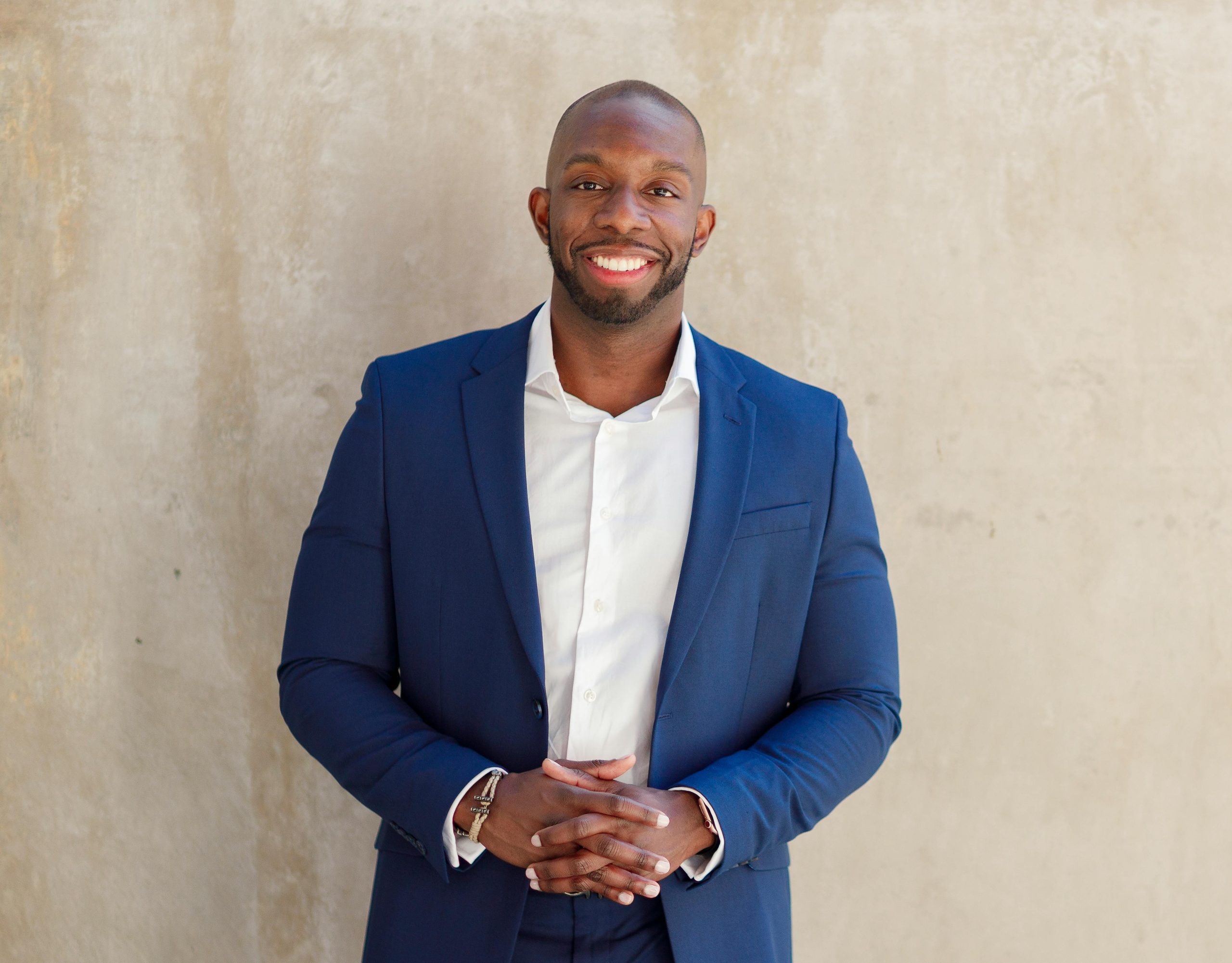
I first met Dr. Everton Blair Jr. in 2017 at a campaign kickoff I had organized inside Coan Middle School in Atlanta’s Edgewood neighborhood for Stacey Abrams’ gubernatorial run. A colleague pulled me aside and told me there was someone I needed to meet, someone whose name would matter in the years to come. That someone was Everton.
Our interaction was short but I do remember leaving with an impression of someone who was special. What he carried was a steadiness and a spirit of disciplined clarity that did not ask for attention but demanded to be taken seriously. In the years since, we moved through many of the same rooms, the long arc of Southern politics bending slowly through organizing and advocacy, campaign cycles, and the quiet work of trying to make a state reckon with itself. We became, in time, collaborators in that work, bound by a shared understanding that Georgia was not fixed, that it could be remade.
On April 1, Gaye Magazine sat down with Blair for an extended conversation about his run for Congress in Georgia’s 13th District. The exchange moved across time, from the boy he once was to the candidate he is now, and toward a question that lies beneath his campaign — are voters willing to accept the style of change he is offering?
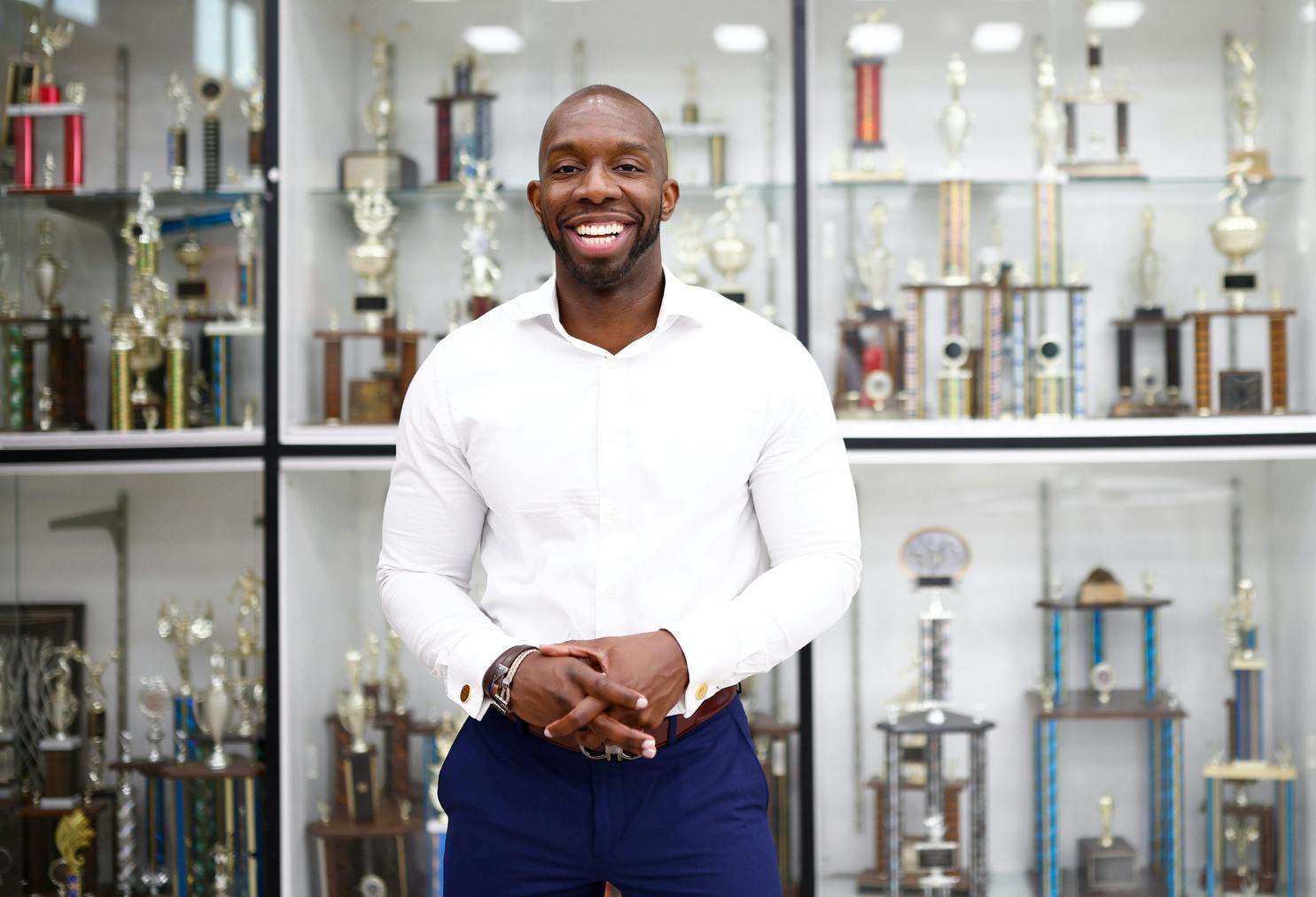
Blair is one of several candidates seeking to unseat longtime incumbent Rep. David Scott (D-GA), who has held the seat since 2003. The challenge is not simply electoral but a generational and ideological contest between an established order and a rising demand for something more willing to confront the conditions shaping people’s lives.
To understand Blair’s candidacy, one must begin with Gwinnett County. It is a place where Georgia’s political landscape has been quietly rewritten through organizing and movement. Black families leaving Atlanta for space and possibility; immigrant communities building new roots; school systems stretching to meet a population that has outgrown the assumptions that once defined it.
Blair was born and raised there, the son of Jamaican immigrants who carried with them not just aspiration, but expectation. The expectation is that you contribute and do not wait for the system to recognize you before you begin to shape it.
He came of age within a school system that revealed early the limits of fairness. When his classmates were forced to share outdated textbooks, he bought new ones for the class. It is a small story, but it reveals something foundational about his refusal to accept that inequity is inevitable.
That instinct followed him into the classroom as a math teacher and then into public office. In 2018, he was elected to the Gwinnett County School Board, becoming the youngest member ever elected and the first person of color to serve. He entered as the only Democrat, an outlier in a structure not built with him in mind.
But he did not remain alone for long.
Blair recruited candidates, built relationships, and helped flip seats that reshaped the board’s political balance. He was later unanimously elected board chair, a rare moment of consensus in a divided environment. Under his leadership, the district raised teacher pay, expanded student services, and navigated the pandemic with a steadiness that suggested governance, even now, could still function with purpose.
“I think there’s a real moment where we need stronger fighters,” Blair said.
Blair is part of a crowded Democratic primary that reflects both the possibility and the fragmentation of this political moment. The field includes state Rep. Jasmine Clark, state Sen. Emanuel Jones, Jeffrie Fauntleroy, Dr. Heavenly Kimes (yes, Married to the Married to Medicine Reality TV personality), and Dr. Joe Lester, alongside Republican Jonathan Chavez.
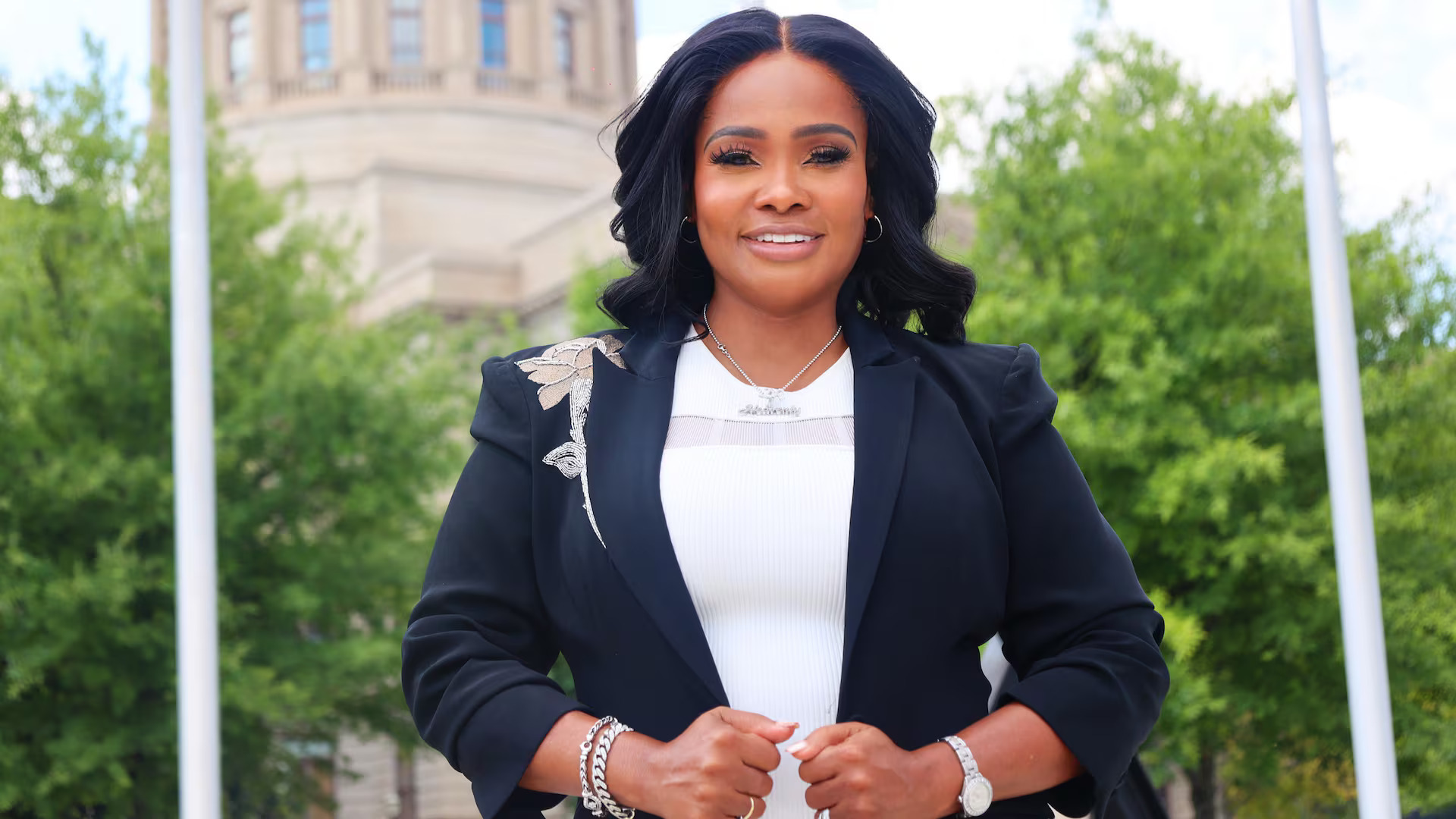
Each candidate brings their own record and their own claim to the future of the district. However, what unites the field is a shared recognition that the seat is no longer insulated by incumbency alone.
Blair frames his candidacy not as a challenge for its own sake, but as a response to absence. Too many missed votes, too limited presence, and a growing sense among voters that representation has become symbolic rather than functional.
“People are frustrated,” he said. “They want leadership that shows up.”
And in that frustration lies the opening. Not just for a new candidate, but for a redefinition of what the role demands.
If elected, Blair would become the first openly Black gay member of Congress from the South, but he does not offer that as a headline alone.
“It breaks down the walls,” he said.
For Blair, queerness is not an accessory to politics; it is a way of understanding it and a way of recognizing who is excluded, to whom is forced to navigate systems not built for them, and how those systems can be reshaped.
In 2018, after winning his school board race, he publicly came out on National Coming Out Day. What followed were noticeable shifts, as Blair described. Teachers who felt safer being open and students who saw themselves reflected in leadership for the first time.
These moments matter because they alter the boundaries of possibility and suggest that leadership need not be distant or abstract; it can look like the people it serves.
Blair’s platform makes clear that representation must be paired with material change. He supports expanding civil rights protections to ensure that no one is denied housing, employment, education, or healthcare on the basis of identity. He calls for full access to gender-affirming care, HIV prevention tools, and mental health services.
Beyond access, his platform emphasizes infrastructure; funding for hate crime prevention, support for LGBTQ-owned businesses, investment in community centers, and safe public spaces.
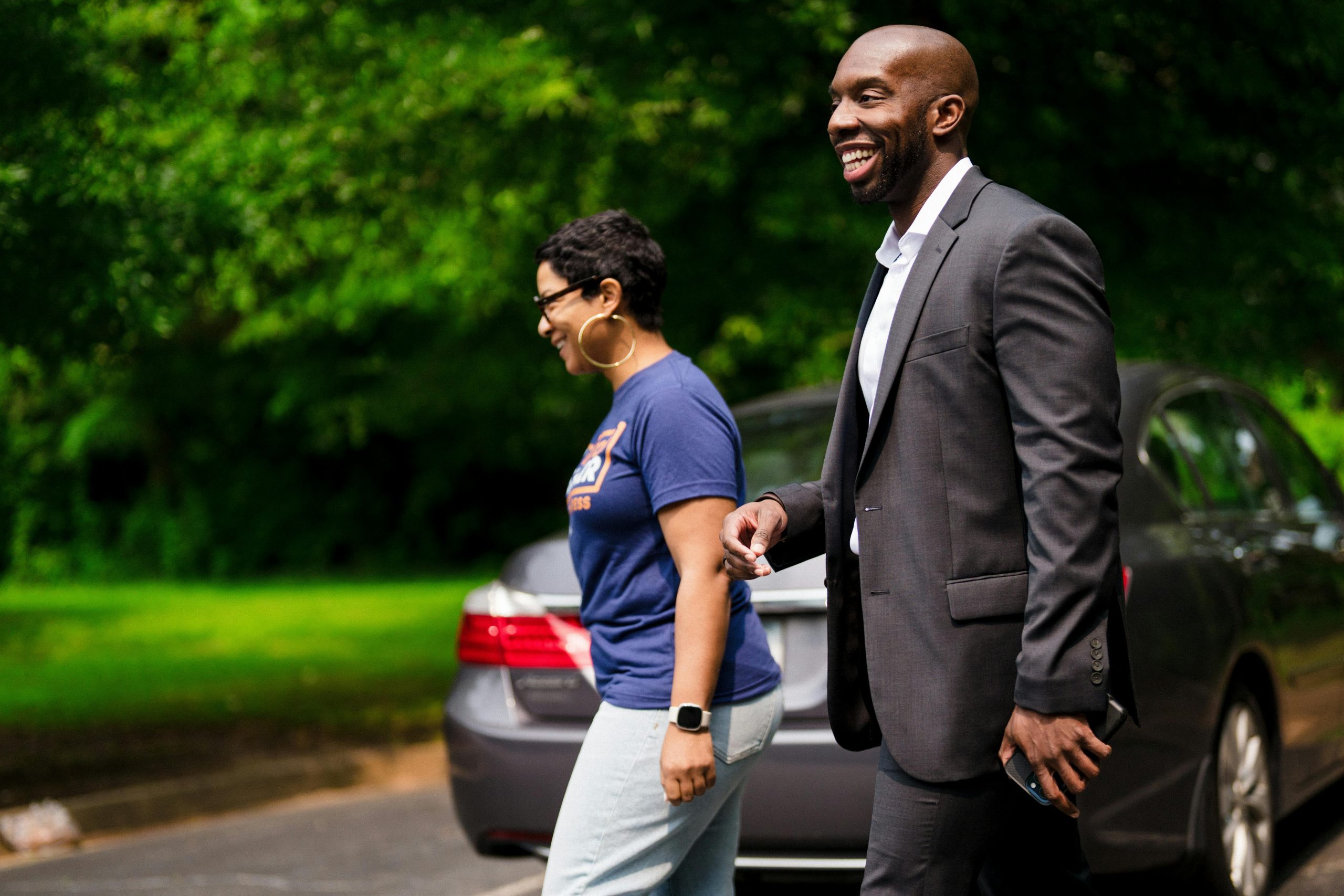
He recognizes that safety is not achieved through language alone, but rather through systems that function, resources that reach people, and leadership that remains accountable to those most at risk.
“People are living paycheck to paycheck here,” Blair said.
The suburbs of metro Atlanta are often described as stable, even comfortable, and that description obscures more than it reveals. It overlooks the long commutes, rising housing costs, and schools that must do more with less.
Blair speaks about these realities not as interconnected conditions; the kind that shape whether people feel secure in their lives or constantly on edge.
Blair describes the Trump administration as destabilizing, in both policy and principle. He argues that its approach to governance has normalized a form of power that prioritizes control over accountability.
“We’ve got to put sand in the gears,” he said.
Blair’s critique extends beyond Republicans. He argues that Democrats have too often failed to meet the moment, choosing caution where urgency is required.
Blair cites the recent federal government shutdown as evidence of a system that has lost its capacity to function in the public interest. The standoff over funding for the Department of Homeland Security left federal workers, including TSA agents, without pay.
“This is what happens when we don’t have leaders who can both hold the line and deliver,” Blair said.
He describes the shutdown not as an isolated event, but as part of a broader pattern; a government that operates in cycles of crisis, where the consequences are borne not by those making decisions, but by those living with them.
Blair also connects the shutdown to deeper structural issues, including the placement of immigration enforcement within Homeland Security.
“Immigration is an administrative process,” he said. “It should not be treated as a national security threat.”
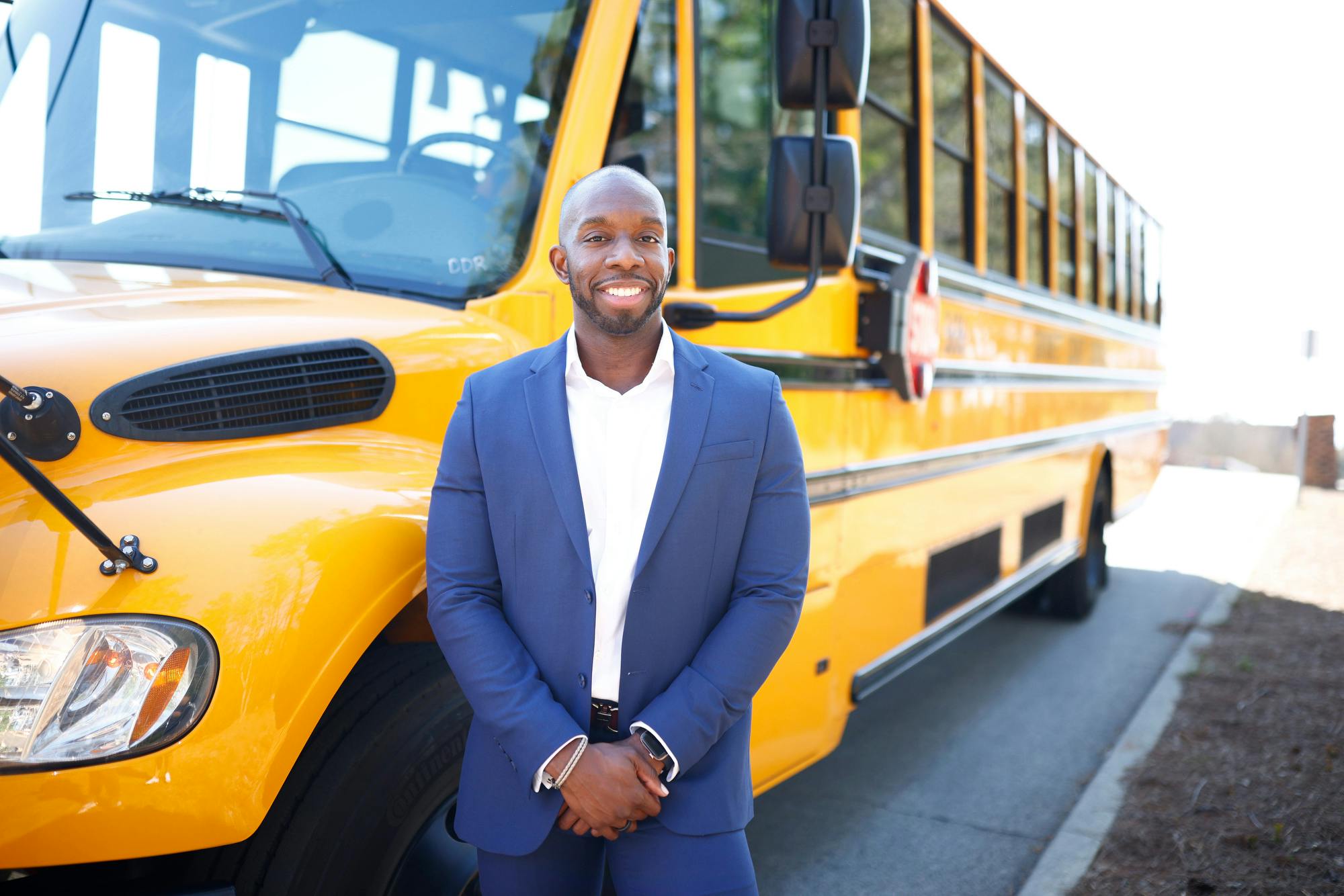
For Blair, the failure is not just political but conceptual. What he described as a misalignment between what government is and what it is meant to do.
At the state level, Blair sees Georgia as a testing ground for policies that target LGBTQ+ communities. Legislative efforts restricting gender-affirming care and expression in schools are, in his view, part of a coordinated strategy.
“We have a bully pulpit that we don’t use effectively enough,” he said.
He argues that federal leadership must play a more active role; not just responding to legislation after it passes, but shaping the conditions under which it is debated.
“We need bold structural change,” Blair said.
He rejects the idea that moderation will resolve the party’s challenges. For him, the issue is not where Democrats position themselves, but whether they deliver on their promises.
That includes codifying rights, addressing economic inequality, and confronting the influence of corporate interests.
Blair is asking voters to consider not only who represents them, but what representation requires. He is asking them to imagine a politics rooted in presence, accountability, and dignity.
As I think back to that first meeting in 2017, what remains is not just the introduction, but the sense that something had begun.
That sense persists.
And in that persistence, the future remains unsettled, still being shaped by someone willing to step forward and insist that something better is possible.
For readers who want to follow the race more closely or learn more about Blair’s platform, the campaign maintains an active digital presence (@evertonblair). His official website outlines policy priorities, campaign updates, and opportunities to get involved, from volunteering to voter outreach. Blair also regularly shares updates, statements, and community engagement through his social media channels, where the campaign’s day-to-day movement can be seen in real time.
For those in Georgia’s 13th District, that access offers a direct line not just to a candidate, but to the evolving shape of the campaign itself; one grounded in visibility, responsiveness, and the ongoing work of building a political future that feels both present and possible.
Watch our full interview with Everton Blair Jr. Below:
SaintTreyW
Oct 14
9 mins read
 Juhi Page
Aug 13
8 mins read
Juhi Page
Aug 13
8 mins read
 Brandon
Aug 6
8 mins read
Brandon
Aug 6
8 mins read
SaintTreyW
Aug 5
10 mins read

Gaye Magazine® is part of Gaye Media, Inc.© 2026 Gaye Media, Inc. All Rights Reserved.