


 SaintTreyW
Nov 21
4 mins read
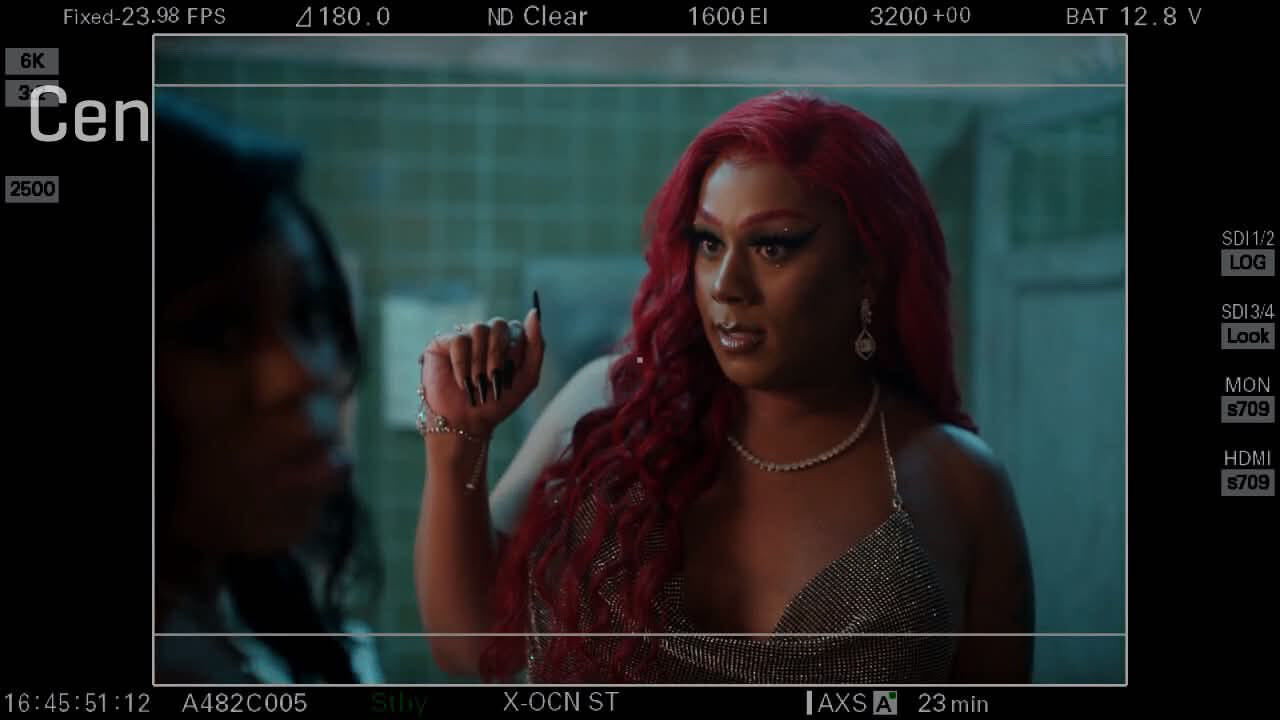
For Toni Bryce, playing Nineveh on “P-Valley” has meant more than developing a character. It has meant learning that her body, her St. Louis accent, and her Blackness do not need to be negotiated away to belong on television.
“In the world of P-Valley, we get to honor our Black culture,” Bryce told Gaye Magazine.
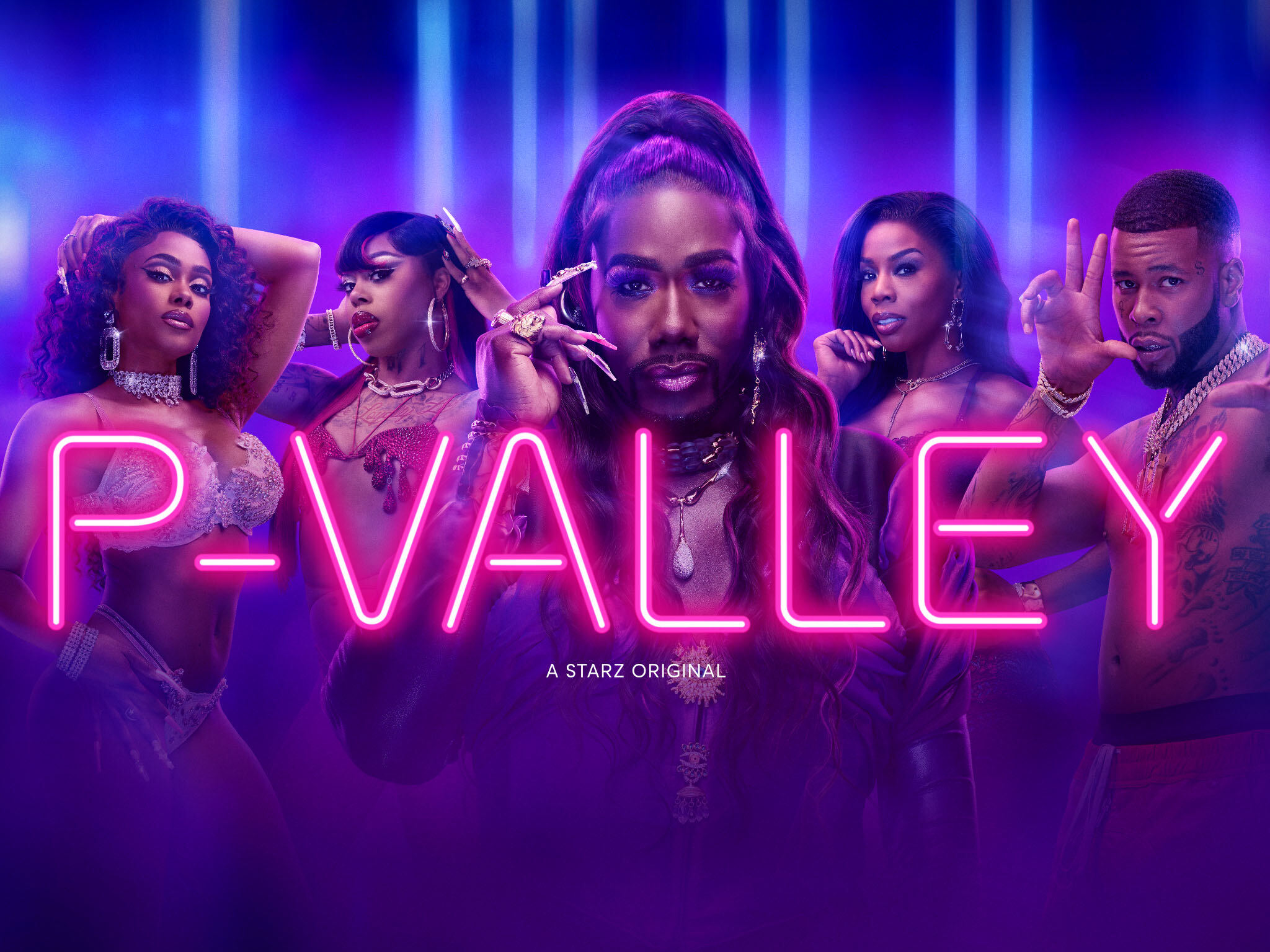
As the Starz drama prepares to return Dec. 4 for its third and final season, Bryce is reflecting on the freedom she found in the role, and the opportunities she wants the entertainment industry to extend to Black transgender performers. The nine-episode season begins with a two-episode premiere.
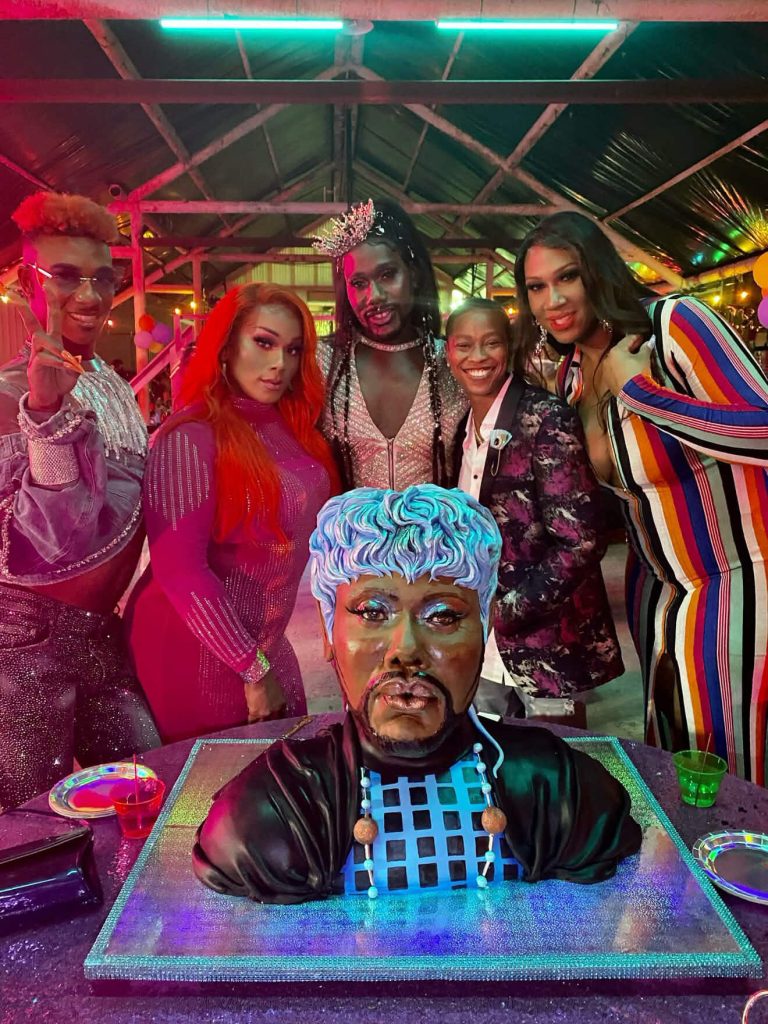
Created by Katori Hall, “P-Valley” centers on the people whose lives intersect at The Pynk, a strip club in the fictional Mississippi Delta town of Chucalissa. For Bryce, that world offered room to embrace parts of herself she said the industry had encouraged her to change.
“We have to code switch, lose our accents, wear hair and makeup that they want for our characters and so much more,” she said.
On this set, she said, neither losing weight nor abandoning her accent was a prerequisite for doing the work.
“Sometimes it doesn’t feel real because that’s not your average experience in this industry,” Bryce said.
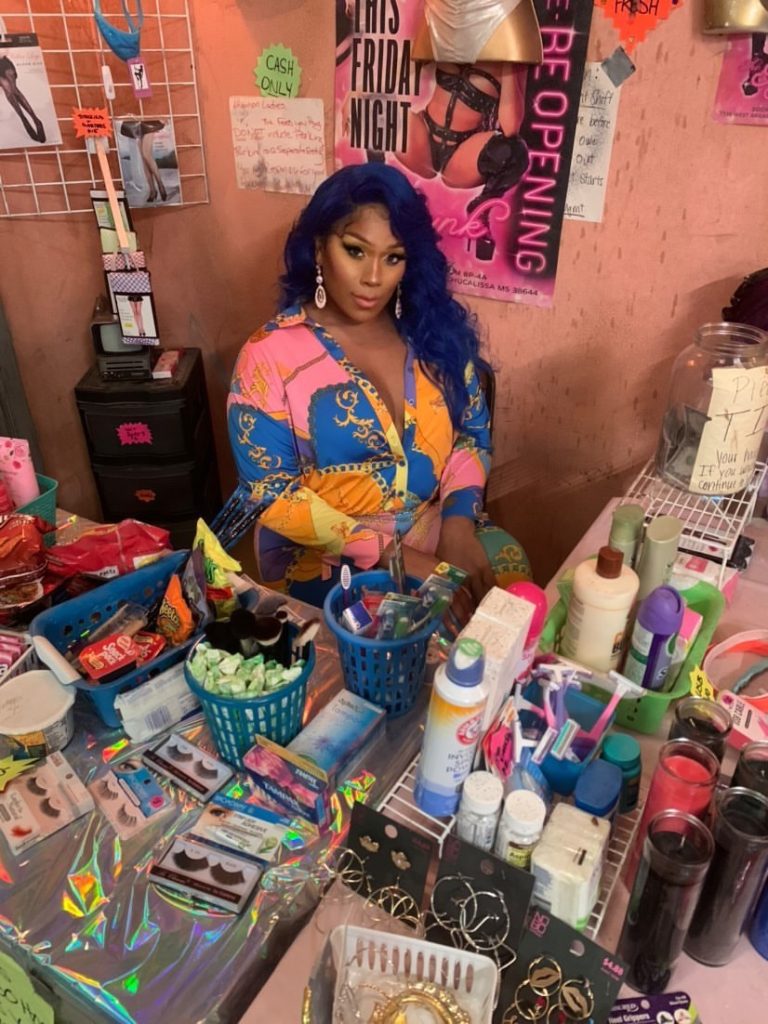
Bryce approached Nineveh with a commitment to making the character’s experiences recognizable, even when they differed from her own.
She recalled Nineveh’s introduction in the fifth episode of the first season; the character is in jail, housed in a men’s cell and pleading to be placed with women.
For the actress, the scene required attention to the person behind the conflict. Although Bryce said she has never been incarcerated, she understood the experience of having her identity questioned or treated as grounds for exclusion.
“While I never went to jail, I have experienced discrimination and ‘othering’ many times, and I wanted that fight for visibility to feel real,” she said. “You’ll get more of that in Season 3.”
Her approach places Nineveh’s humanity at the center of the performance: a woman asking to be recognized as herself, not reduced to the circumstances in which viewers first encounter her.
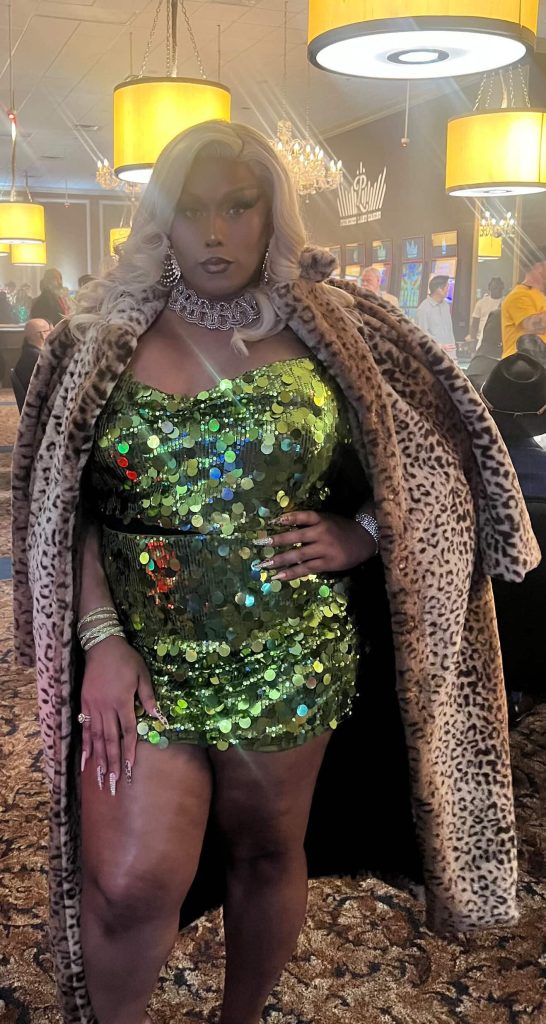
Another part of Bryce’s work happened before she stepped in front of the camera: becoming comfortable enough with her body to let audiences see it.
Bryce calls plus-size transgender women the “Lush and Plush” community. She said those bodies are not often represented among the trans women audiences encounter in film and television.
She remembered what it meant to see actress Ashton Grooms portray Dior in the third season of “Star,” a season in which Bryce said they worked together. Seeing a plus-size trans woman on screen made her feel “seen and hopeful.”
“I wanted to return the favor and become that for someone else,” Bryce said.
Doing so required vulnerability. She had to confront insecurities about showing parts of her body while developing a character whose presence includes confidence and desirability.
Bryce credited the costume teams on “P-Valley” with helping her navigate that process. Having options, she said, helped her feel seen rather than pressured into a single version of how her character should look.
“It’s been important to me to make sure we feel beautiful, desired, and comfortable as we are bringing these characters to life,” she said.
For Bryce, the trust behind the scenes makes a difference in what audiences see. Nineveh’s confidence is not separate from that process; it is supported by the care that allows the actress to embody it.
Bryce described Nineveh as a woman who became a house mother after hustling in the streets, bringing her history and sense of desirability with her to The Pynk.
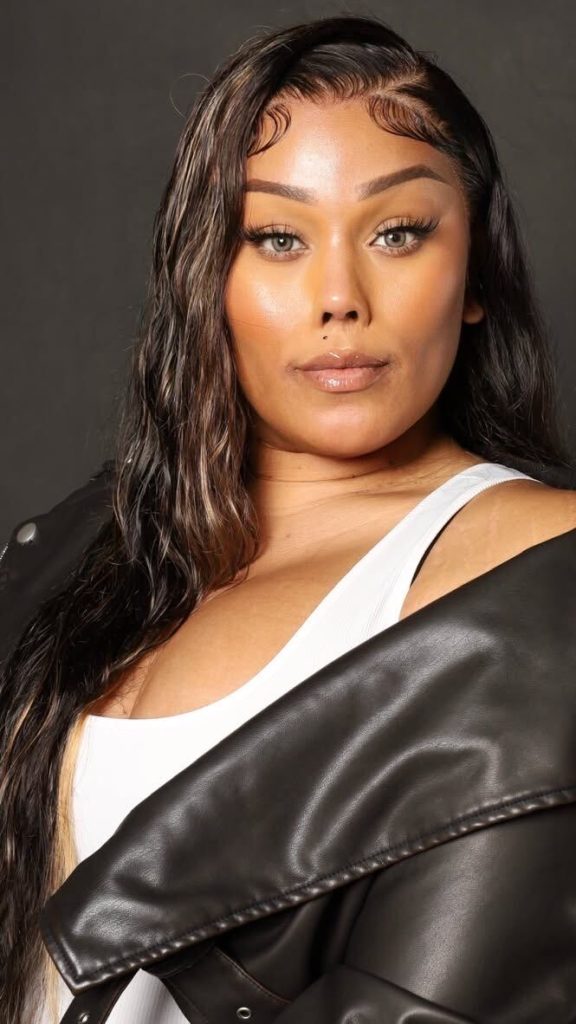
While Bryce values the opportunity to portray Nineveh, she does not want the industry to confuse one kind of role with the limits of her ability.
Her message is direct is that transgender performers are actors, and their opportunities should reflect the range of lives they can portray.
“We can be the teacher, judge, gas station clerk, cashier, lover, CEO, and so many other things that don’t have to center our Trans identity.”
Limiting performers to explicitly transgender characters, she said, makes their employment dependent on whether someone decides to tell a trans-centered story.
Bryce wants inclusion to extend beyond casting to writers’ rooms, producing teams and other positions behind the camera. Her call is about both creative opportunity and the ability to earn a living.
“See us for our talents just like you see the rest of the industry,” she said.
As “P-Valley” enters its final chapter, Bryce is clear that her ambitions do not end with Nineveh. Asked what kinds of roles she wants the industry to consider for actors like her, she rejected the premise that the possibilities should be narrow.
“So, what roles do you ask? ALL OF THEM!”
SaintTreyW
Nov 15
6 mins read
 Mykel Hilliard
Nov 11
7 mins read
Mykel Hilliard
Oct 29
11 mins read
SaintTreyW
Oct 14
9 mins read

Gaye Magazine® is part of Gaye Media, Inc.© 2026 Gaye Media, Inc. All Rights Reserved.