


 SaintTreyW
Aug 12
5 mins read
SaintTreyW
Aug 12
5 mins read
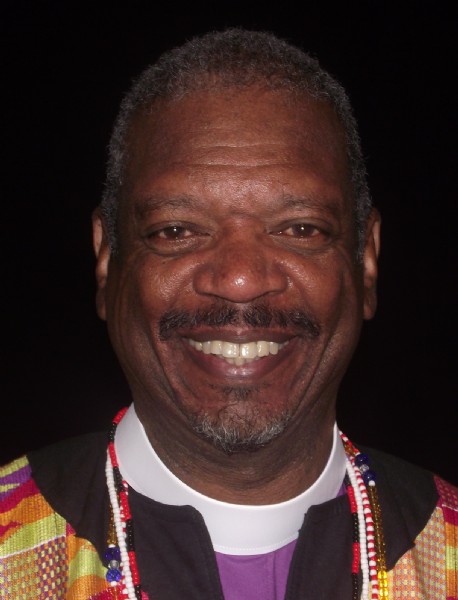
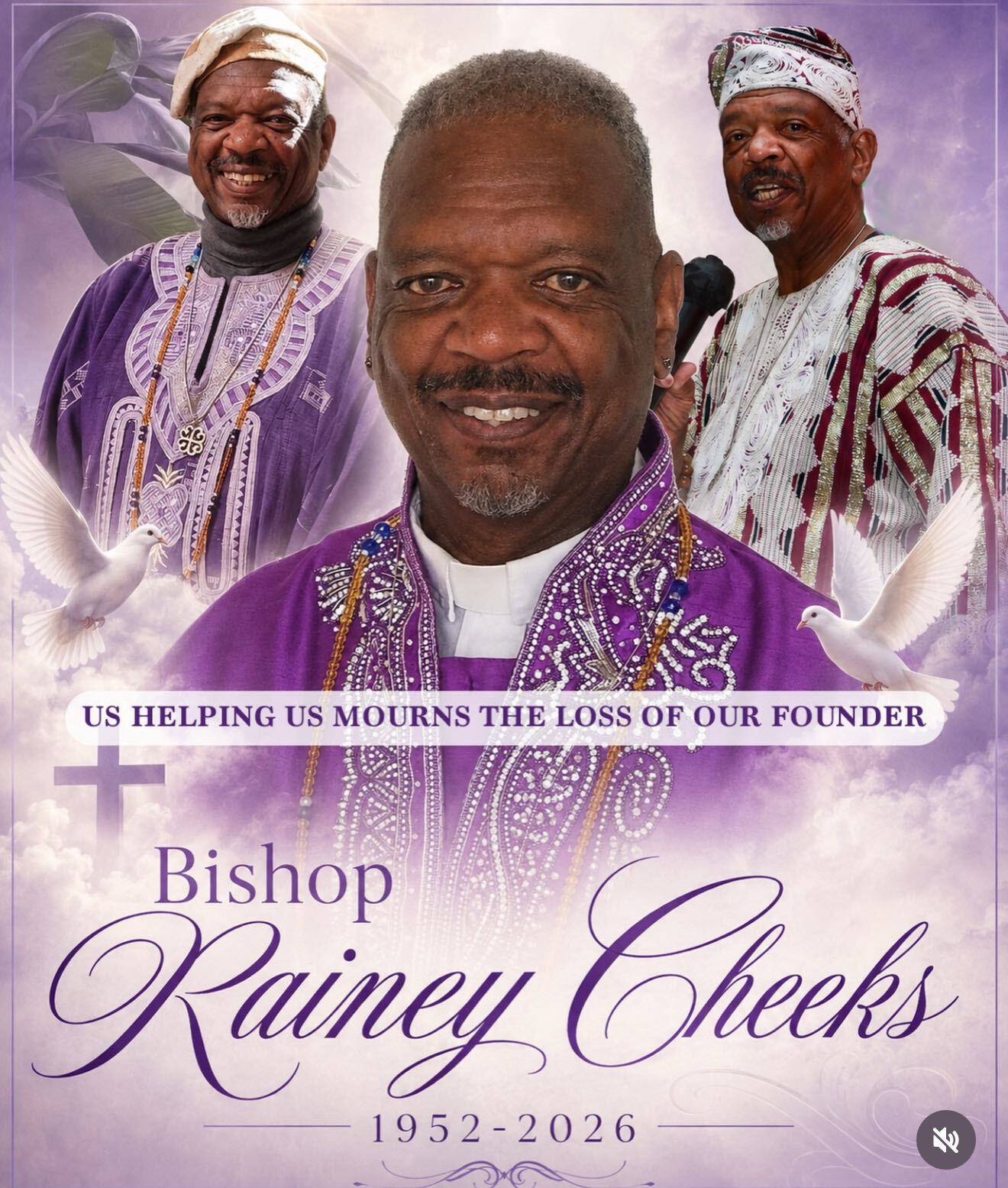
With profound sorrow and deep gratitude, Us Helping Us, People Into Living, Inc. announced the passing of its founder, Bishop Rainey Cheeks, whose death marks the end of an era for Washington, D.C.’s Black LGBTQ+ community and the national HIV/AIDS advocacy movement. Cheeks, who lived openly with HIV since 1985, was a rare blend of spiritual leader, health educator, martial artist, and community organizer whose life’s work centered on the radical belief that Black queer people deserved to live whole, healthy, and dignified lives
His death comes just weeks after public prayers for his health following a kidney transplant, underscoring the physical toll of decades spent on the frontlines of the AIDS crisis. Tributes have poured in from faith leaders, public health officials, and longtime collaborators who credit Cheeks with laying the groundwork for culturally competent HIV prevention and care in the DMV area and beyond.
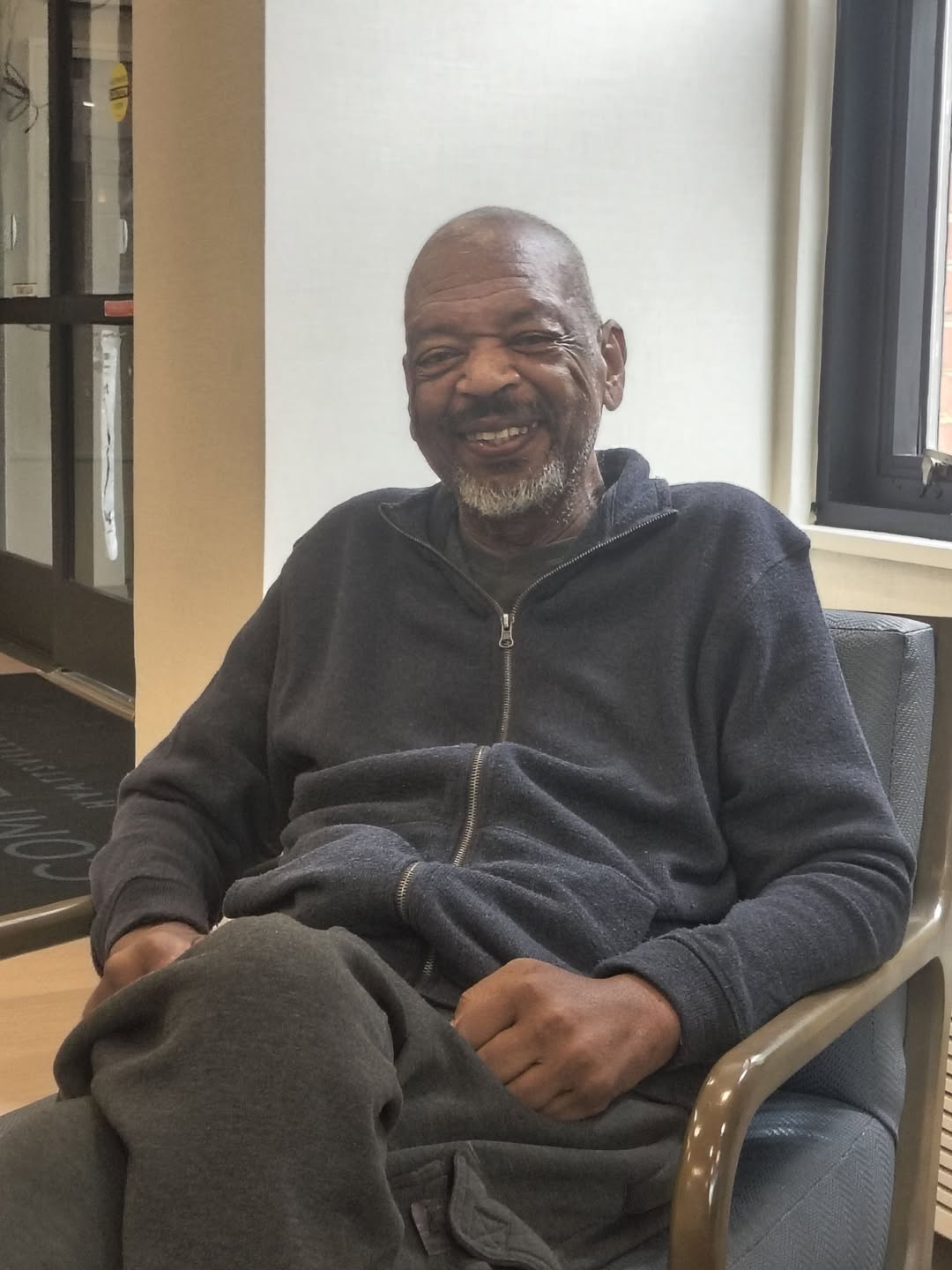
Born and raised in Washington, D.C., Kwabena Albert Rainier “Rainey” Cheeks was a native son whose early life foreshadowed a lifetime of service. A teenage martial arts prodigy, he earned black belt status in Tae Kwon Do at 14, competed on the first U.S. team at the World Championships in Seoul in 1973, and was later inducted into the Tae Kwon Do International Hall of Fame with the rank of 9th Degree Grand Master.
But it was the social upheaval of the late 1960s and ’70s that sharpened his commitment to justice. After Dr. Martin Luther King Jr.’s assassination in 1968, Cheeks began walking women home at night to keep them safe, a small act that grew into a lifelong fight for the dignity and safety of marginalized people. By 1975, he was managing and providing security at the legendary Clubhouse, a drug- and alcohol-free discotheque that became a sanctuary for D.C.’s Black LGBTQ+ community during the dawn of the AIDS epidemic.
Ordained in 1982 through the National Spiritual Science Center, Cheeks fused metaphysical study, African spiritual traditions (including initiation as an Asomfo Priest of Tegare in Ghana), and holistic healing practices into a ministry that refused to separate the body, mind, and spirit. In 1993, he founded Inner Light Ministries, where he preached what he called “the radical inclusiveness of Jesus Christ” and offered HIV testing and education alongside Sunday worship.
In 1985, the same year he learned he was HIV-positive, Cheeks founded Us Helping Us, People Into Living, Inc. (UHU) with a small group of volunteers, including Prem Deben, Aundrea Scott, and Howard Morris, all of whom have since passed. The organization began in his living room and later met at the Clubhouse, offering holistic health workshops that taught HIV-positive Black gay, bisexual, and transgender people how to maintain wellness through meditation, nutrition, energy work, and peer support.
At a time when mainstream AIDS organizations often ignored or misunderstood the needs of Black queer communities, UHU centered their realities. Its early curriculum, designed by Cheeks and Deben, emphasized self-care as resistance: “I have it. It does not have me!” became a mantra for participants navigating stigma, isolation, and a health care system that frequently failed them.
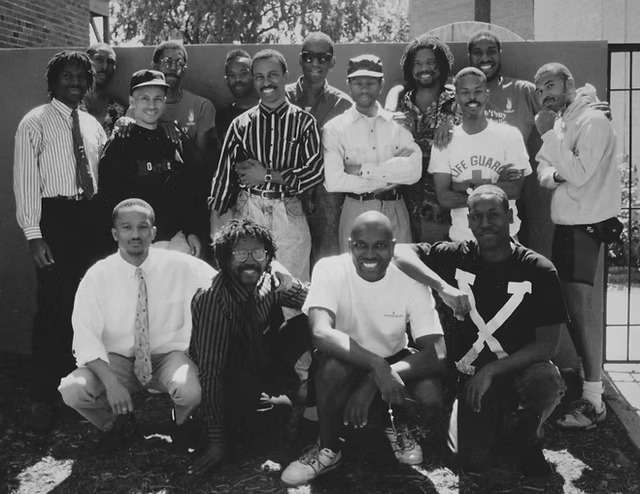
Registered as a nonprofit in 1988, UHU grew from a volunteer collective into one of the nation’s most respected community-based organizations serving Black LGBTQ+ people. By the mid-1990s, it had secured its first Ryan White Title I grant, expanded its mission to include HIV-negative men, and launched innovative prevention programs like condom distribution in Black gay bars, the “Down Low” Help Line, and the Barbershop Program.
Over four decades, UHU evolved into a multi-service agency with two locations in the greater Washington, D.C. area, including a certified freestanding mental health clinic. Its programs have addressed HIV prevention, PrEP education, mental health, substance use, housing, and research participation, always with an eye toward health equity for underserved populations. Notable initiatives include DENIM (Developing and Empowering New Images of Men) for Black gay youth, “Girl Talk” for transgender women, and partnerships with major research institutions like the HIV Prevention Trials Network.
Cheeks’ leadership attracted funding from the CDC, SAMHSA, Gilead Sciences, and local health departments, but he never lost sight of UHU’s grassroots roots. Even as the organization professionalized, he remained a visible presence, preaching, teaching, and reminding staff and clients alike: “I see the God in you.”
Cheeks’ influence extended far beyond UHU’s walls. He presented at international health conferences in Amsterdam, Berlin, and Tokyo on the interconnection of mind-body healing for people living with HIV. He served on advisory boards for the D.C. Department of Health, the Religious Coalition for Reproductive Choice, and the Black Church Initiative, and spoke at venues ranging from Brown University to the Congressional Black Caucus.
In 2021, DC Black Pride established the Bishop Kwabena Rainey Cheeks Award to honor faith leaders who provide outstanding spiritual guidance to the Black LGBTQ+ DMV community, a testament to his enduring impact on the intersection of faith and queer liberation.
He was also a published author; his 2011 book, Reclaiming Your Divine Birthright, distilled decades of spiritual and practical wisdom into a guide for living fully in the face of adversity.
In the days since his passing, tributes have echoed a simple truth: UHU, and countless lives it has touched, exists because Rainey Cheeks dared to imagine it.
Cheeks is survived by his partner, Rev. Celestia Tobe Cheeks, and a vast spiritual family of colleagues, mentees, and community members who carry forward his vision of whole, liberated living.
For Gaye Magazine readers and beyond, his life offers both a model and a mandate, to build institutions that reflect our values, to center the most marginalized among us, and to never separate the fight for health from the fight for dignity.
SaintTreyW
Sep 25
6 mins read

SaintTreyW
Sep 17
5 mins read
SaintTreyW
Sep 16
7 mins read
 Anders Hare
Sep 1
3 mins read
Anders Hare
Sep 1
3 mins read

Gaye Magazine® is part of Gaye Media, Inc.© 2026 Gaye Media, Inc. All Rights Reserved.