


 SaintTreyW
Aug 5
10 mins read
SaintTreyW
Aug 5
10 mins read
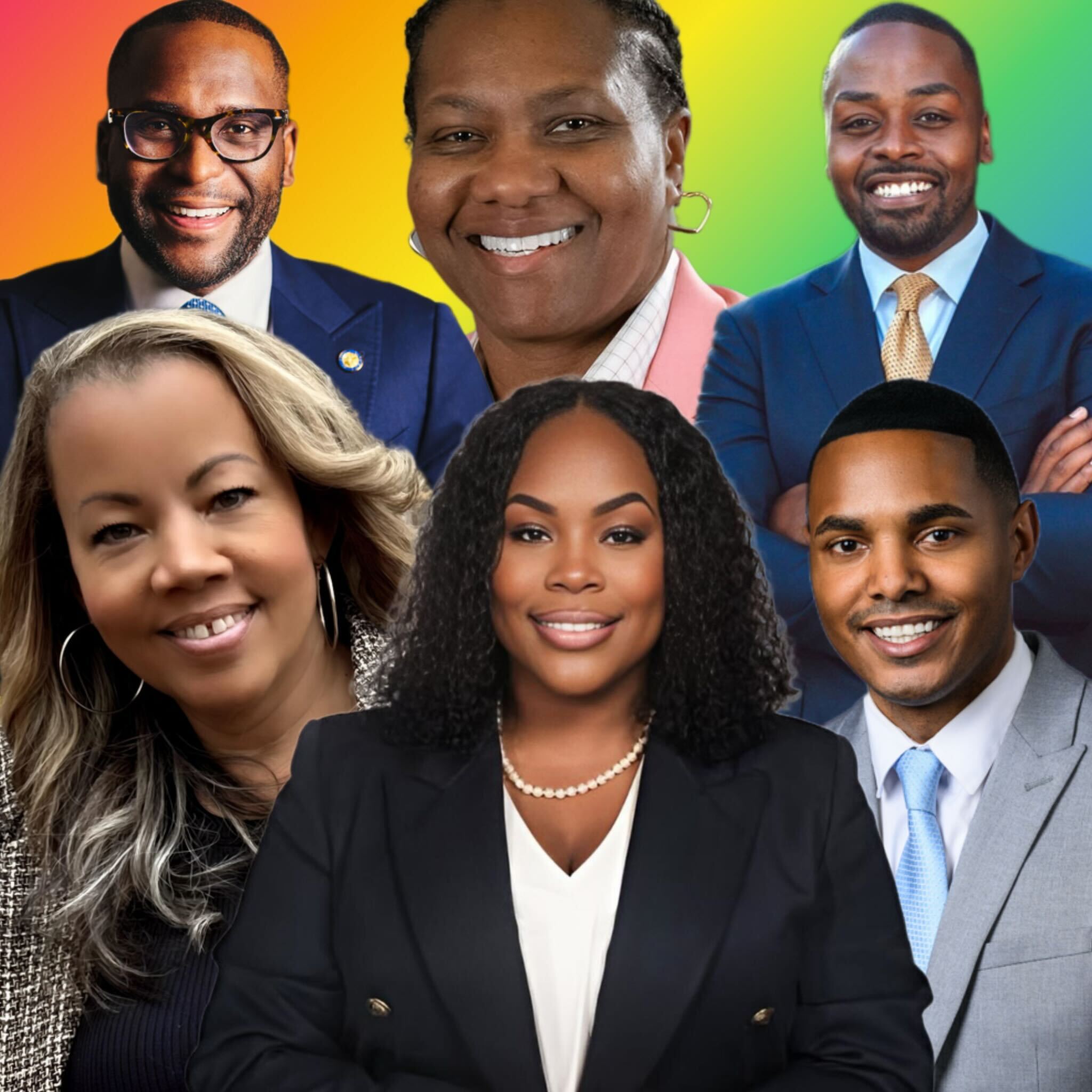
In a year defined by escalating attacks on LGBTQ rights, Black queer candidates are stepping into the 2026 election cycle with more than campaigns to run. They are carrying the burden of representation in a political environment where visibility alone is no longer enough to guarantee safety, influence, or survival.
The LGBTQ+ Victory Fund’s 2026 candidate slate reflects both the promise and the pressure of this moment. Across federal, state and local races, openly LGBTQ candidates are seeking office while lawmakers in dozens of states continue advancing bills that target trans people, queer youth, classrooms, health care access and anti-discrimination protections. For Black LGBTQ leaders, the stakes are even higher because anti-LGBTQ politics often overlaps with racial inequality, voter suppression, housing insecurity and uneven access to public services.
This year’s slate makes clear that the fight is not only about who gets elected. It is about who gets to shape the rules, defend vulnerable communities and decide whether equality remains a governing principle or becomes a rhetorical promise hollowed out by legislation.
The 2026 election arrives after years of intensifying backlash against LGBTQ Americans, with state legislatures serving as the main front line. Advocacy trackers say 809 anti-LGBTQ bills have been introduced across 43 states this year, with 62 passed, 277 still active and 470 defeated, underscoring how rapidly the fight over rights has spread from classrooms and hospitals to courts, capitols and city halls. Those bills have targeted everything from school curriculum and restroom access to gender-affirming care and parental notification rules, reinforcing a patchwork of rights that can change dramatically from one state to the next.
That fragmentation has made elections matter in immediate, practical ways. In states where protections exist, LGBTQ residents may still face school policies, health systems or local officials hostile to their identities. In states where protections have been rolled back, the consequences can be more severe, affecting access to care, education, public accommodations and employment. For Black LGBTQ people, those risks are often compounded by racial disparities in health outcomes, income, incarceration and political representation.
The political significance of 2026 is especially stark because LGBTQ representation remains far below parity. The LGBTQ+ Victory Institute’s 2026 Out for America report says representation has tripled since 2017, but LGBTQ people still hold just 0.26 percent of elected positions in the United States. That gap helps explain why candidates like those on the Victory Fund slate are often asked to do two jobs at once: win office and symbolize a broader struggle for legitimacy.
For Black queer candidates, that symbolic load is especially heavy. Their campaigns are often interpreted not just as local races but as tests of whether American democracy can make room for multiple identities at once. In this climate, a Black LGBTQ candidacy can function as a challenge to both racism and homophobia while also offering a governing model centered on civil rights, public health, and community safety.
The LGBTQ+ Victory Fund has spent more than three decades building the candidate pipeline that now feeds races at nearly every level of government. Founded in 1991, the organization has become one of the most visible institutions in LGBTQ political organizing, helping recruit, train, and support openly LGBTQ candidates running for office across the country.
Its strategy has long rested on the idea that political change requires more than individual wins. It requires a bench. That means identifying candidates early, helping them build donor networks, and steering them toward offices where they can gain legislative experience and grow into broader leadership roles. The group’s 2026 slate reflects that long-game approach, with candidates running for city councils, school boards, state legislatures, statewide office and Congress.
The current cycle also shows how the Victory Fund has widened its political map. Its endorsements now span states with strong LGBTQ protections as well as states where lawmakers have aggressively pursued anti-LGBTQ legislation. That geographic spread suggests a deliberate effort not only to defend existing gains but to plant representation in places where queer political power remains fragile or underdeveloped.
The organization’s framing is increasingly urgent because representation itself is under strain. Victory Institute data show that LGBTQ elected officials remain significantly underrepresented despite measurable growth in recent years. In that context, each candidate on the slate is more than an individual campaign. Together, they represent an attempt to preserve political footholds in an era of backlash.
The 2026 slate includes a mix of incumbents, challengers and local officials whose races may shape school policy, housing, budgeting, health access and civil-rights enforcement in ways that rarely make national headlines but often matter most to everyday lives. Listed below, these candidates show the breadth of Black LGBTQ political ambition this cycle.
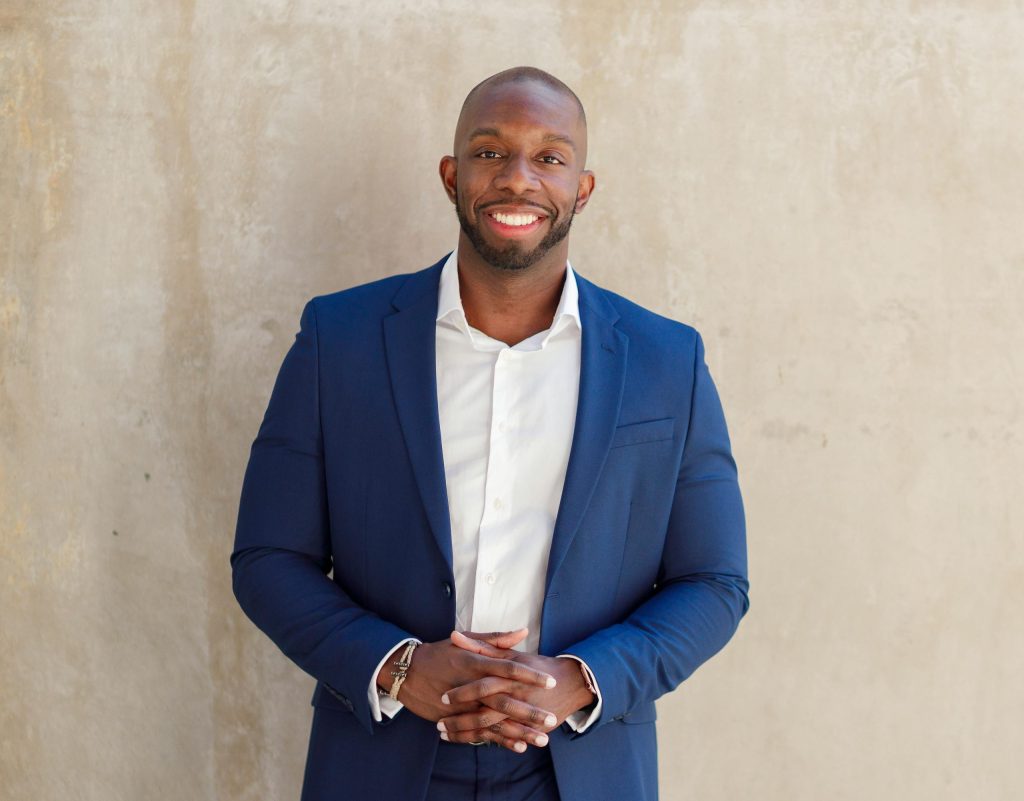
Everton Blair, the former Gwinnett County School Board chair, emerged as one of the most closely watched Black queer candidates in Georgia’s 13th Congressional District, a race that drew added attention after Gaye Magazine interviewed him in April about his bid for Congress. Blair did not prevail in the crowded Democratic primary, finishing behind the top vote-getters in the May contest, but he later entered the special election to fill the remainder of the term of the late Rep. David Scott, whose death left the seat open. His candidacy centered on education, affordability, democracy and civil rights, placing him squarely within a broader generation of Southern Black LGBTQ leaders trying to translate local leadership into federal power.
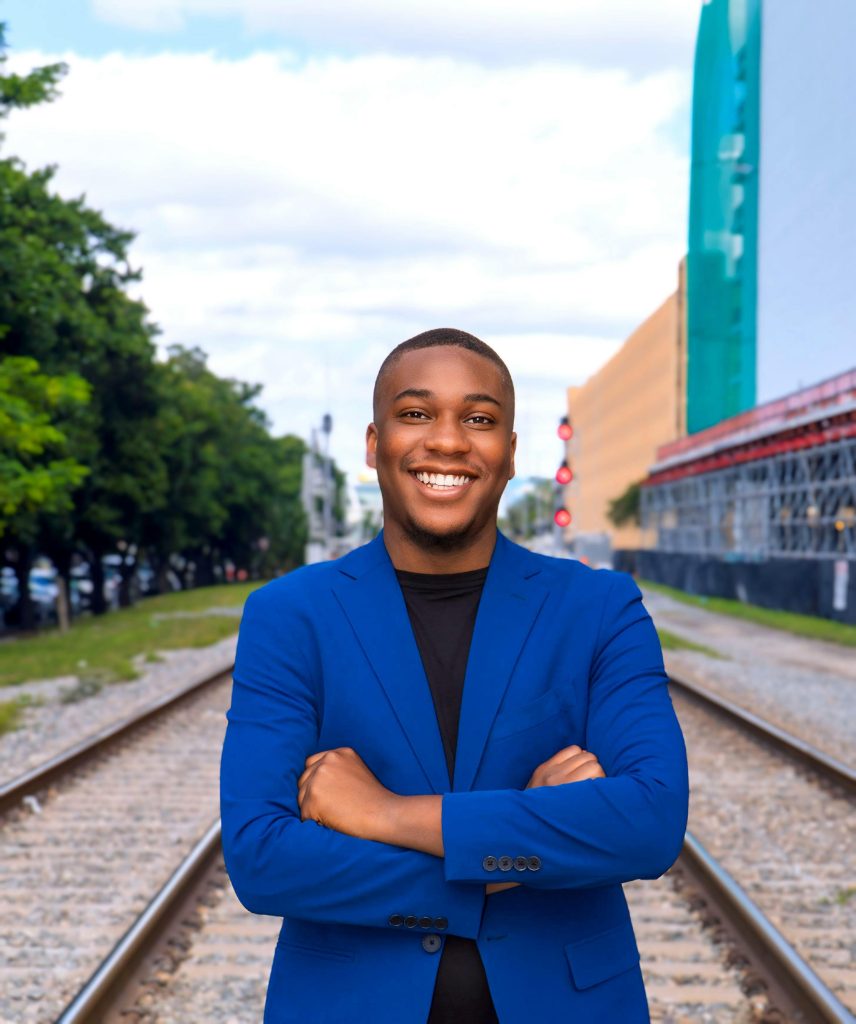
Elijah Manley’s campaign has been sharpened by the upheaval in Florida’s 20th Congressional District, where longtime Rep. Debbie Wasserman Schultz’s decision to run in a newly redrawn majority-Black seat has sparked a broader fight over representation, power and political trust. Black Democrats and community leaders have criticized the move as an attempt to secure a safer political path after redistricting reshaped her previous district, arguing that the shift risks sidelining Black leadership in a seat long seen as central to Black political voice in South Florida. For Manley, the race is not only about defeating an incumbent but about challenging what he and other local leaders see as an establishment maneuver that could dilute Black representation and leave the district’s priorities in the hands of someone who is less rooted in its lived experience.
That framing matters because the dispute has become bigger than one candidate. Reports from local and national outlets have described an emerging effort among Black candidates and organizers to consolidate opposition behind one challenger, a sign that many in the district view the race as a test of whether demographic change and redistricting will translate into real political power. Manley has used that tension to argue that voters should choose a candidate who is directly accountable to the district’s Black communities, working families, and younger voters rather than one backed by incumbency and national party infrastructure
**Manley is NOT an LGBTQ+ Victory Fund endorsed candidate, but we felt his race should be highlighted for all of the above-mentioned reasons**
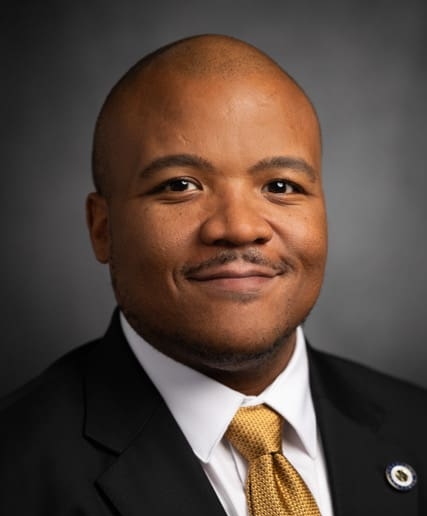
Venton Jones has already established himself as one of the most important openly LGBTQ Black lawmakers in Texas, where he has worked on public health, HIV prevention and broader equity issues. His profile matters because Texas remains one of the nation’s most contested political environments for LGBTQ people, and his continued presence in the Legislature offers both a legislative voice and a visible rebuke to anti-queer politics.
Dwayne Key’s city council campaign underscores how local office can become a meaningful site of LGBTQ governance. Municipal leaders often shape housing policy, public safety budgets and neighborhood services more directly than higher-level officials, making local seats critical for communities facing discrimination or economic precarity. Key’s candidacy suggests a focus on practical governance and coalition-building.
Ashanti Martinez has built a public profile around youth advocacy, civic engagement, and criminal justice reform. His work points to the kind of intersectional policymaking many Black LGBTQ candidates are trying to advance: reforms that address not only identity-based discrimination but also the broader systems that shape opportunity and safety. In Maryland, his campaign sits within a state where Democratic power has often made room for progressive social policy, but where organizing still matters.
Zachary Parker’s campaign is rooted in education, accountability, and public service, positioning him as a candidate who sees local government as a lever for structural change. In a city where LGBTQ residents are highly visible yet still affected by inequity, Parker’s candidacy highlights the importance of turning representation into policy outcomes. His work fits within a broader D.C. political tradition that often serves as a national signal for progressive governance.
Erick Russell remains one of the most significant figures in Black LGBTQ political history. He became the first openly gay Black man elected to statewide office in the United States, a milestone that still carries enormous symbolic and practical weight. As treasurer, Russell has been associated with steady, fiscally focused governance, and his reelection effort shows how identity-based breakthroughs can mature into institutional power.
Mathhewos Samson represents the changing face of Black queer politics, particularly in states with large immigrant and multiracial communities. His campaign centered on economic mobility, health care and opportunity, suggesting an effort to speak to voters through material concerns rather than identity alone. In Georgia, where statewide politics remain fiercely contested, that blend of biography and policy may prove essential.
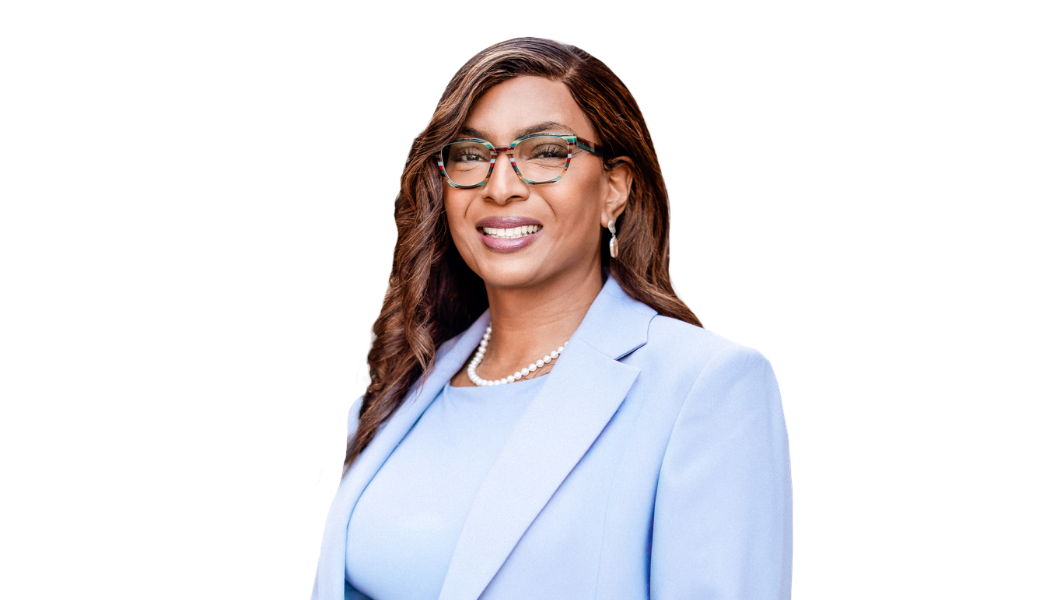
Jaelynn Scott’s campaign reflects the rise of Black LGBTQ political organizing on the West Coast, where questions of housing, public safety, health care and civil rights are increasingly linked rather than treated as separate issues. Scott, a transwoman who serves as executive director of the Lavender Rights Project, has built her work around advancing justice for Black gender-diverse communities through legal advocacy, public policy and coalition-based organizing. Her campaign centers on housing as a human right, expanded access to health care, stronger crisis-response systems and protections for civil liberties, with a particular emphasis on communities pushed to the margins by rising costs and political hostility.
Ritchie Torres is one of the most prominent openly LGBTQ members of Congress, but his politics have made him a complicated figure inside progressive coalition politics. While he has built his reputation on housing, constituent service, and public policy, his strong support for Israel and hostility toward many pro-Palestinian activists have sharpened criticism from younger voters, activists, and human-rights advocates who see his positions as out of step with a broader liberation politics.
Torres’ record has made him a case study in the limits of representation without alignment. He is undeniably historic as an openly gay Afro-Latino member of Congress, yet his foreign-policy stance has created a deep rupture with many communities that expect solidarity across struggles. For critics, the issue is not simply disagreement over policy but the sense that he has chosen to defend power rather than challenge it, especially amid the devastation in Gaza and the larger debate over Palestinian freedom. That tension matters because 2026 politics are increasingly being shaped by voters who want Black and queer leaders to bring moral consistency, not just demographic firsts.
The slate’s local candidates may draw less national attention, but they are often where political power becomes most tangible. School boards, city councils and county commissions determine how schools are funded, how public safety is defined and whether local governments create inclusive environments for residents who are too often excluded from decision-making.
Among the local candidates are Sherrie Aaron in Columbus, Georgia, who won her race; AJ Bailey in Katy, Texas (who lost his primary race in May); Shannon Baldwin, a judge in Harris County Court No. 4 in Texas; and Jamar Day in Baltimore, who ran for school board. These races matter because local offices often set the tone for how LGBTQ residents are treated in everyday life, from classrooms to courtrooms to transit systems.
The additional candidates broaden the slate even further. Triston Ezidore for the Culver City School Board in California; Stormie Forte for the Raleigh City Council in North Carolina, Carmella Glenn for the Madison Common Council in Wisconsin; Lekeisha Hicks for the Montgomery County Commission in Clarksville, Tennessee; Jason Hoskins for the State Senate in Michigan; Corey Jackson for the California State Assembly; and Shervin “Shev” Jones for the U.S. House in Florida all point to a deep bench extending well beyond the most visible races.
Together, those campaigns show how LGBTQ political infrastructure is being built from the ground up. They also show that Black queer leadership is not confined to major coastal cities or national offices. It is emerging in suburbs, county governments, school systems, and statehouses where policy fights are won piece by piece.
The deeper story of the 2026 slate is not just that more Black LGBTQ candidates are running. It is that they are running in a political environment that increasingly treats their existence as a controversy. That makes their campaigns both more difficult and more consequential.
If the anti-LGBTQ wave continues, the next generation of queer leaders will be asked to defend rights that should already be settled. If these candidates win, they may help turn a defensive moment into a governing one. Either way, the 2026 cycle is shaping up as a referendum on whether Black LGBTQ political power can move from breakthrough to durability.
These are the kind of leaders Natalie Nunn would hand a Baddies chain to without hesitation, because they are not just talking about the community; they are getting in the paint for it, taking hits, making moves and still showing up with the receipts. In a political climate that keeps trying to shove Black queer people to the margins, this slate is proof that some folks are not asking for a seat at the table; they are kicking the door open in heels, boots, or whatever gets the job done.

SaintTreyW
Sep 17
5 mins read
SaintTreyW
Sep 16
7 mins read
 Anders Hare
Sep 1
3 mins read
Anders Hare
Sep 1
3 mins read
Anders Hare
Aug 31
3 mins read

Gaye Magazine® is part of Gaye Media, Inc.© 2026 Gaye Media, Inc. All Rights Reserved.