


 SaintTreyW
Apr 17
4 mins read
SaintTreyW
Apr 17
4 mins read
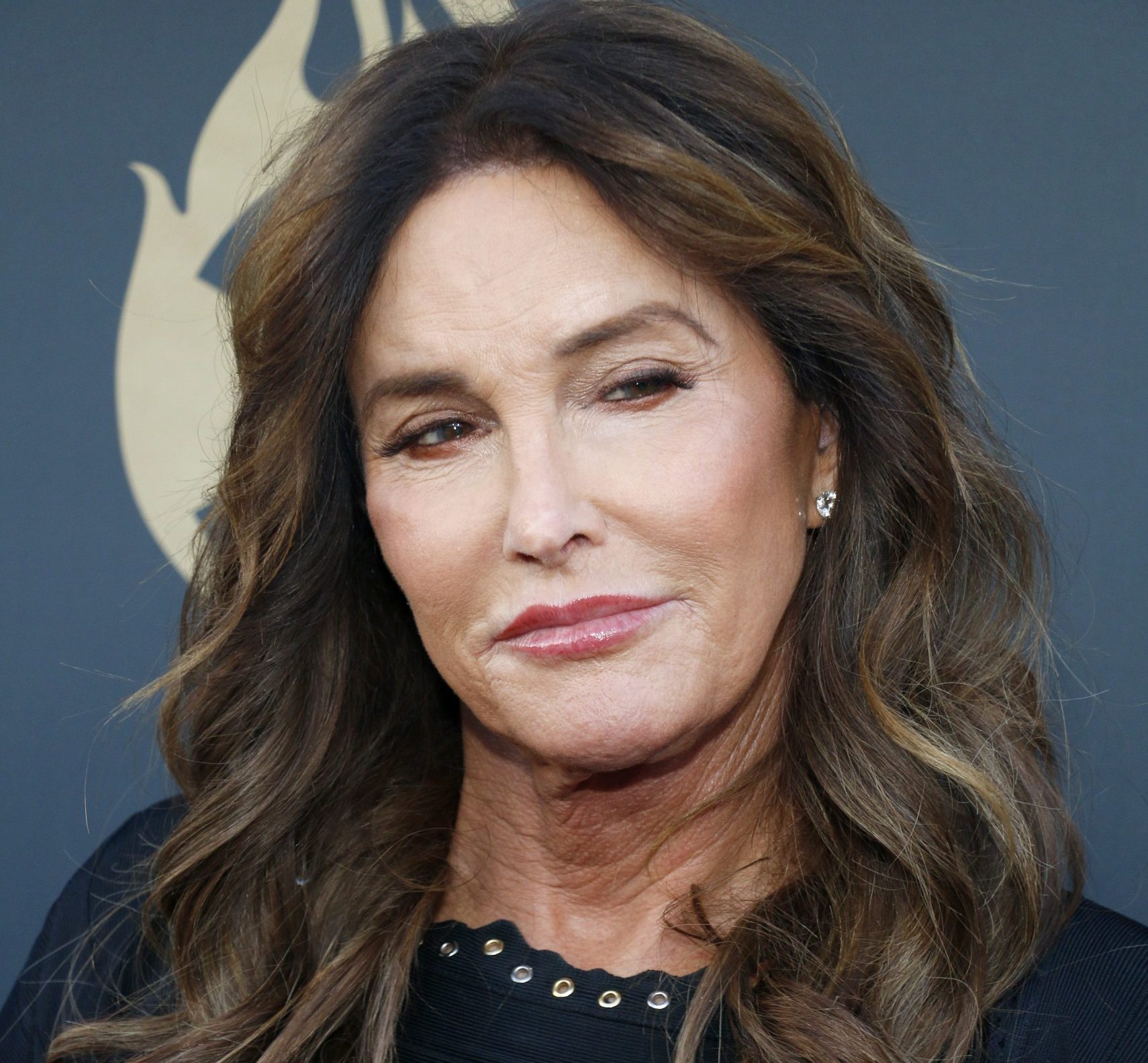
Caitlyn Jenner, once heralded as a visible figure in transgender representation, is again at the center of controversy after calling herself a “hypocrite” for accepting Glamour’s Woman of the Year award in 2015 while now advocating against transgender women’s inclusion in sports.
Speaking on conservative commentator Tomi Lahren’s show, “Tomi Lahren Is Fearless,” Jenner reflected on the contradiction between her past acceptance of the award and her current political positions, which align with right-wing efforts to restrict transgender participation in women’s athletics.
“It’s not like I want to protect the LGBT community, I want to protect women,” Jenner said. “It’s not right. So I fought this battle from the Lia Thomas days until today. And I thought, ‘What a hypocrite I am.’”
Jenner continued, framing her past recognition as inconsistent with her present-day views.
“Here I am fighting this battle: biological men out of women’s sports,” she said. “But back when I came out, what did I accept? Glamour’s Woman of the Year award. What a hypocrite.”
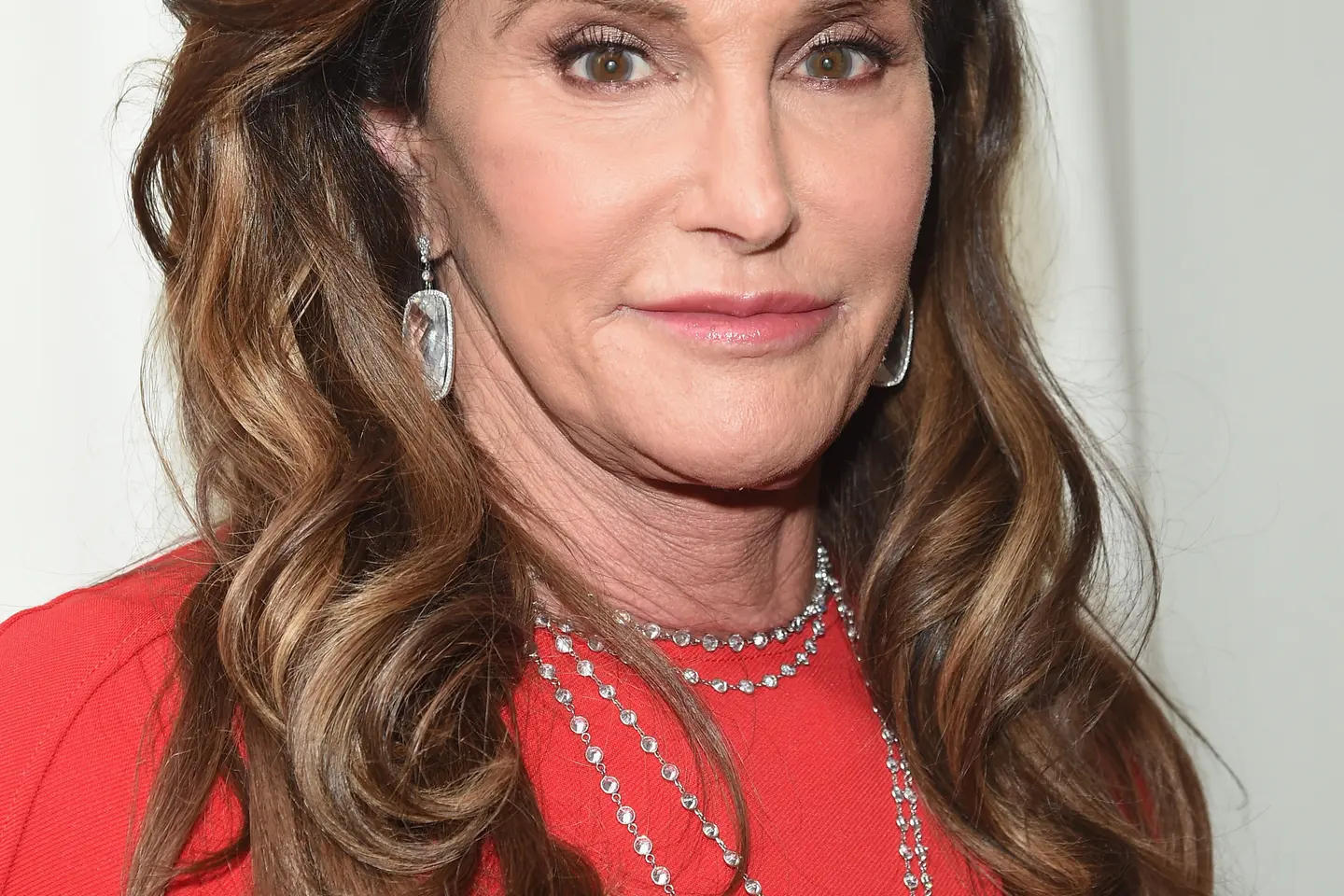
Her remarks mark a sharp departure from the tone she struck nearly a decade ago. In 2015, shortly after publicly coming out as transgender, Jenner accepted the Glamour honor and invoked feminist philosopher Simone de Beauvoir in her speech, quoting, “You are not born a woman. You become one,” as a guiding principle of her identity.
Now, Jenner has distanced herself from that framing. During the interview, she emphasized what she described as a distinction between identity and biology.
“Biologically, I’m female. But genetically, I’m still XY,” Jenner said. “There’s nothing I can do about that. And I’m fine with it. I’m just glad I can wake up in the morning and just be myself.”
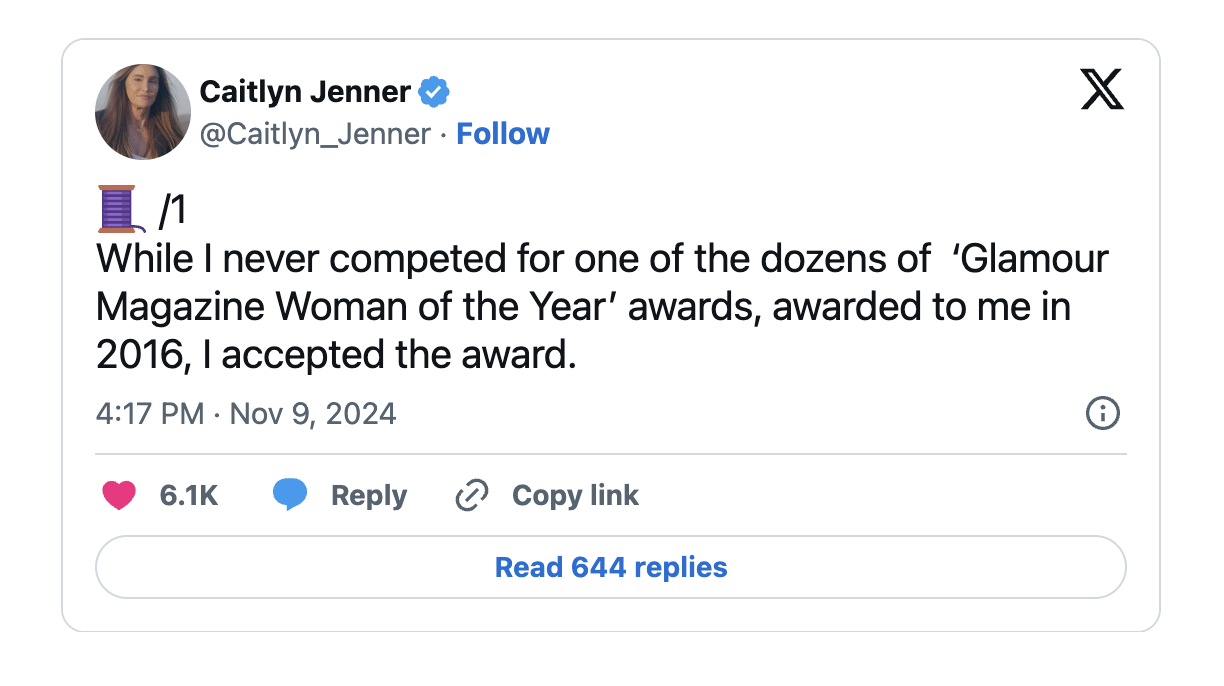
Jenner formally returned the award in 2024, citing conversations with women and families who opposed transgender inclusion in female-designated spaces.
“Upon discussion, thought and reflection, I agree,” she wrote in a post on X at the time. “It’s important to me that I walk the walk… I can no longer in good faith hold onto this award.”
The reversal has drawn renewed scrutiny, particularly as Jenner has become one of the most prominent conservative voices on transgender issues. Her advocacy has included opposition to gender-affirming care for minors and support for policies restricting transgender athletes, positions that align with a broader wave of legislation targeting transgender people across the United States.
In the same interview, Jenner argued that the country has shifted “so far to the left” on transgender rights over the past three decades, suggesting that her own coming out in 2015 helped accelerate that shift.
“When I came out in 2015, I brought this issue forward, but I had nothing but good in my heart,” she said. “I thought this is a very marginalized group of people… and maybe I can make a difference. But unfortunately, the left kind of took my issue.”
At the same time, Jenner acknowledged concerns with certain right-wing policies, noting that recent efforts to restrict gender markers on official documents may have gone “too far right.” She cited her own experience renewing her passport, which she said was returned with a male designation despite her gender identity.
The comments land at a moment when debates over transgender rights, particularly in sports and public accommodations, remain a flashpoint in national politics. For many LGBTQ advocates, Jenner’s rhetoric has been seen as reinforcing narratives that are increasingly being used to justify exclusionary laws and policies.
Jenner’s evolving public stance has also complicated her legacy within the transgender community. Once embraced as a high-profile example of visibility during a pivotal cultural moment, she now occupies a more contested space, often criticized by activists who argue that her platform is being used to undermine the very community she once symbolized.
Her recent headlines extend beyond political commentary. In 2025, Jenner’s longtime friend and manager, Sophia Hutchins, died in an ATV accident in Malibu at age 29. Jenner later filed a financial claim against Hutchins’ estate seeking repayment of more than $439,000 in expenses, which was resolved in March when the estate repaid the funds.
Still, it is Jenner’s own words, and the contradictions within them, that continue to reverberate. In calling herself a “hypocrite,” she has named a tension that many say reflects a broader fracture, not only within her personal narrative, but within the national conversation on gender, identity, and power.
For a figure who once stood at the center of a cultural shift toward visibility, the question now is not simply how Jenner sees herself, but what it means when that visibility turns against the margins it once illuminated.
 Mykel Hilliard
Sep 23
3 mins read
Mykel Hilliard
Sep 23
3 mins read
Mykel Hilliard
Sep 21
4 mins read

Mykel Hilliard
Sep 15
3 mins read

 Gaye Magazine
Aug 27
2 mins read
Gaye Magazine
Aug 27
2 mins read

Gaye Magazine® is part of Gaye Media, Inc.© 2026 Gaye Media, Inc. All Rights Reserved.