


 SaintTreyW
Jun 3
4 mins read
SaintTreyW
Jun 3
4 mins read
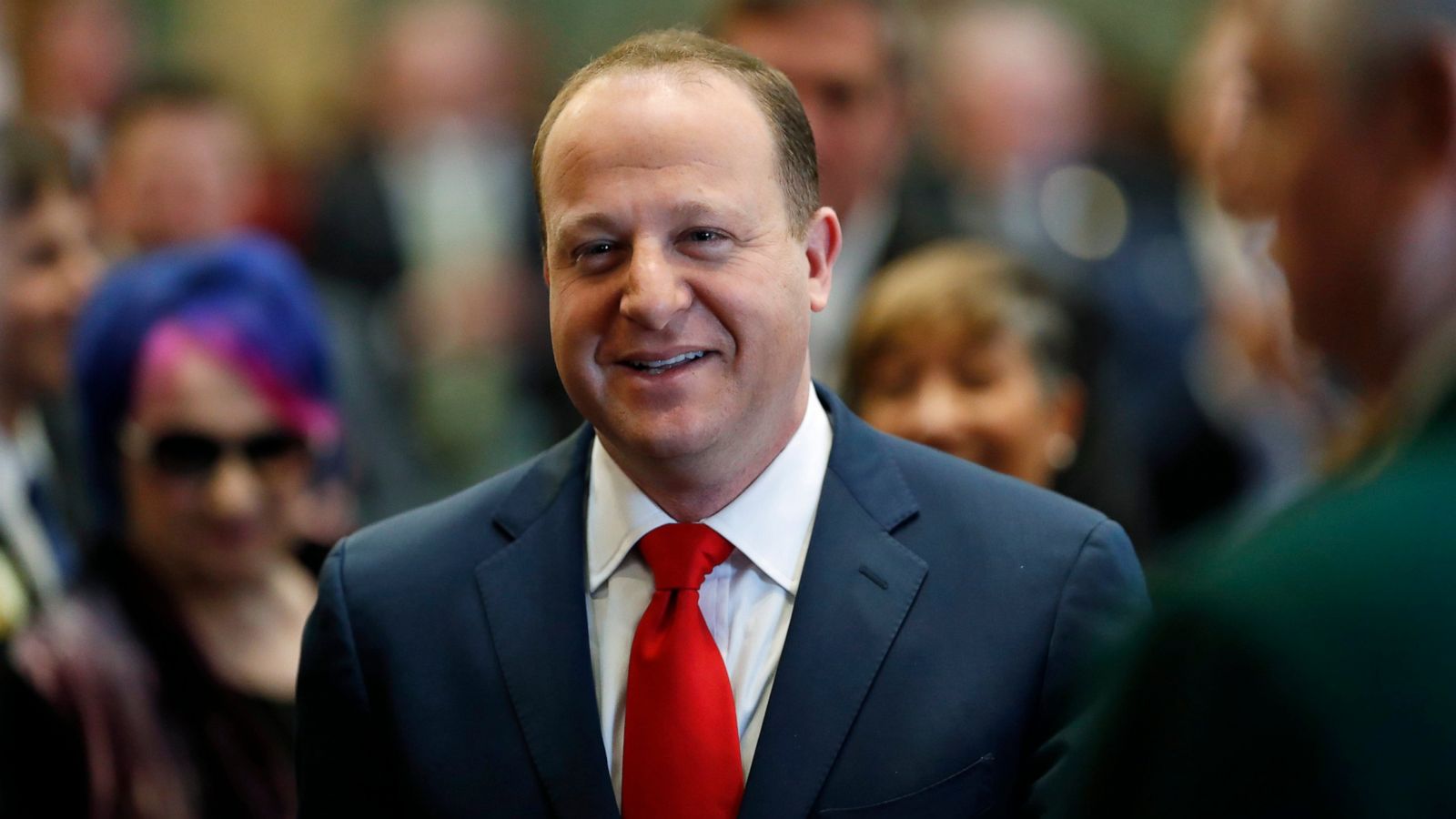
Colorado Gov. Jared Polis signed legislation Monday aimed at strengthening protections for LGBTQ+ youth and expanding legal options for survivors of conversion therapy, marking the beginning of Pride Month with renewed efforts to combat a practice widely condemned by major medical and mental health organizations.
The new law, House Bill 26-1322, creates additional legal pathways for Coloradans who say they were harmed by conversion therapy, a practice that seeks to change a person’s sexual orientation or gender identity. Polis also signed an executive order directing state agencies to ensure that no taxpayer dollars are used to fund conversion therapy services.
The measures come just months after the U.S. Supreme Court struck down Colorado’s previous ban on conversion therapy, ruling that the law was not “viewpoint neutral.” LGBTQ+ advocates and Democratic lawmakers in Colorado responded by crafting legislation they say preserves protections for young people while providing survivors with stronger avenues for legal recourse.

“People shouldn’t be ripped off by those falsely claiming that they can change who you are attracted to or who you are,” Polis said in a statement. “In our Colorado for all, everyone can live authentically, and should not be subject to hateful and simply ineffective conversion therapy.”
Polis, who became the nation’s first openly gay elected governor in 2019, described conversion therapy as harmful and ineffective.
“Conversion Therapy is harmful, can traumatize kids, and is a scam to waste people’s hard-earned money,” he said. “This new law provides Coloradans who have been subject to this dehumanizing treatment with the tools to heal and move on to live strong, healthy, and authentic lives.”
Under the legislation, survivors of conversion therapy will have greater access to civil remedies through existing medical malpractice laws. The measure also extends the statute of limitations in cases involving malpractice related to conversion therapy, recognizing that many survivors may not fully understand or process the harm they experienced until years later.
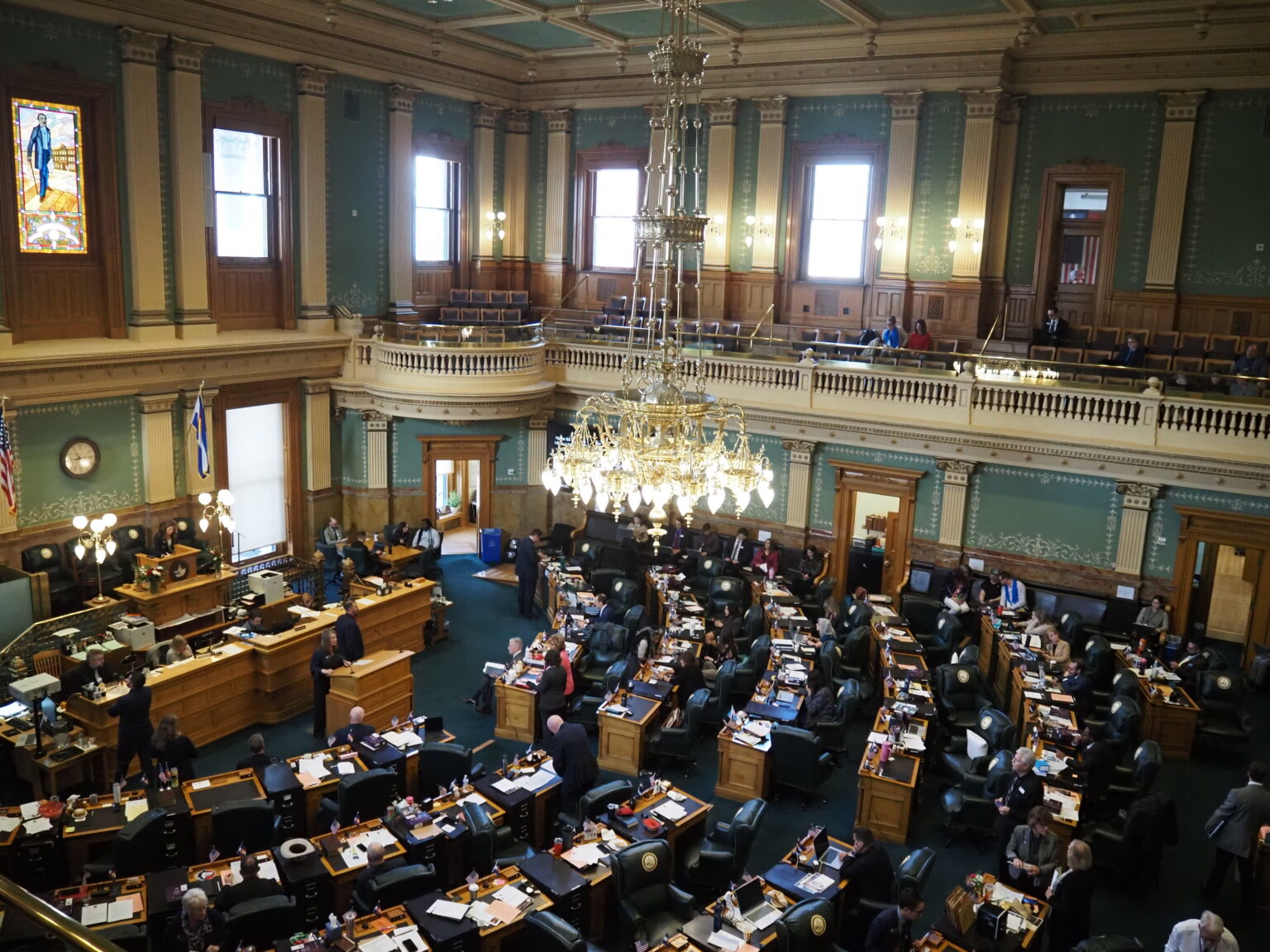
State Rep. Alex Valdez, a Denver Democrat and one of the bill’s sponsors, said the law is intended to create accountability while supporting LGBTQ+ Coloradans who have experienced lasting harm.
“Conversion therapy is ineffective and has dangerous repercussions, and we’re creating a clear pathway for someone who is harmed by these practices to seek justice,” Valdez said. “This law is for all of the LGBTQ+ Coloradans who were told something about them that was wrong because of who they were or who they loved.”
Valdez also pointed to the Supreme Court’s recent ruling as motivation for lawmakers to act quickly.
“With the recent U.S. Supreme Court ruling against Colorado’s conversion therapy ban, we are committed to offering survivors of this harmful practice the protections they deserve,” he said.

State Rep. Karen McCormick, a Democrat from Boulder County and another sponsor of the bill, said lawmakers remain committed to protecting LGBTQ+ residents despite the court’s decision.
“While the U.S. Supreme Court’s ruling on Colorado’s conversion therapy ban law is deeply harmful, we’re not giving up the fight to protect the rights of LGBTQ+ Coloradans,” McCormick said. “The LGBTQ+ community faces higher rates of depression and suicide, and conversion therapy only increases those rates.”
State Sen. Lisa Cutter, a Jefferson County Democrat who sponsored the legislation in the Senate, said the law acknowledges the long-term effects that conversion therapy can have on survivors.
“Mental health is crucial to our overall health and well-being,” Cutter said. “A licensed therapist should not inflict harm on a child or young person by steering them in any predetermined direction.”
She added that the legislation reflects the reality that survivors often need years to understand the trauma they experienced.
“This law recognizes that real harm can be inflicted in the name of therapy, and that this harm might not be fully understood for many years,” Cutter said. “We are simply allowing people to have the time to process and understand the trauma that might have been inflicted, and seek the remedies already available to them under Colorado law.”
Sen. Kyle Mullica, a Thornton Democrat, cited research linking conversion therapy to increased rates of depression, anxiety and suicidal ideation among LGBTQ+ people.
“It is critical that we as policymakers listen to trusted scientific organizations when they tell us a practice is harmful,” Mullica said. “For over a decade, we’ve known that conversion therapy increases suicidality and exacerbates depression and anxiety for LGBTQ+ Coloradans.”
In addition to signing the legislation, Polis issued an executive order directing state agencies to review funding streams and take steps to ensure no public dollars support conversion therapy services.

The governor said the action is intended to protect both LGBTQ+ youth and taxpayers.
“To drive more efficient use of taxpayer funds, I’m also taking action today to ensure that no state funds are used for so-called conversion therapy,” Polis said.
The law and executive order took effect on the first day of Pride Month, a symbolic moment that supporters said underscores Colorado’s commitment to LGBTQ+ equality and youth protection amid ongoing national debates over LGBTQ+ rights and health care.
For advocates, the measures represent a renewed effort to ensure that LGBTQ+ Coloradans can access affirming care, seek justice when harmed, and live openly without fear of being subjected to practices that major medical organizations have long discredited.

SaintTreyW
Oct 15
4 mins read

SaintTreyW
Oct 9
3 mins read

 Zuri Pryor-Graves
Oct 2
5 mins read
Zuri Pryor-Graves
Oct 2
5 mins read

SaintTreyW
Sep 30
7 mins read

Gaye Magazine® is part of Gaye Media, Inc.© 2026 Gaye Media, Inc. All Rights Reserved.