


 Anders Hare
Jul 8
4 mins read
Anders Hare
Jul 8
4 mins read
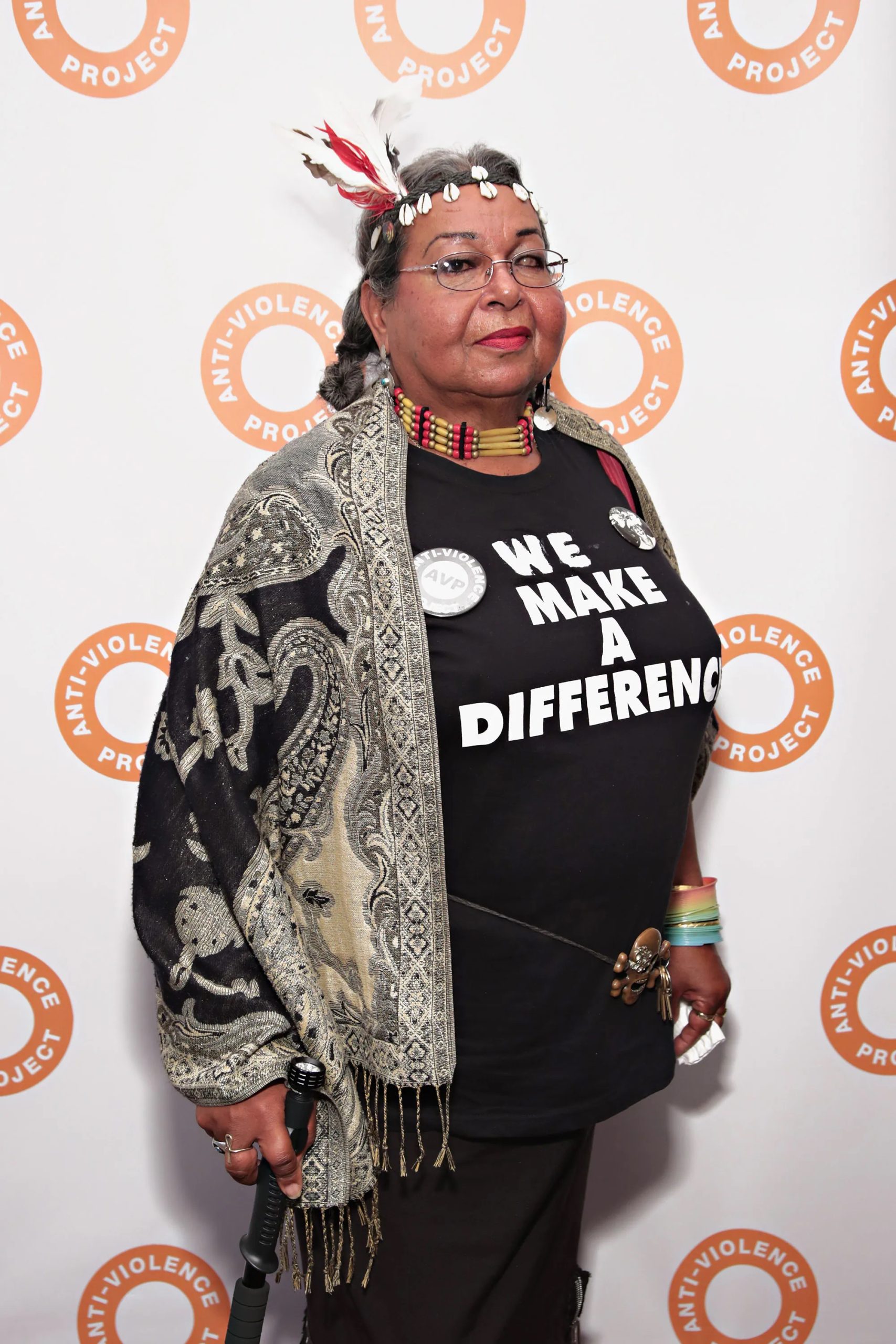
Victoria Cruz, a transgender rights advocate who spent nearly two decades counseling survivors of anti-LGBTQ + violence and who helped keep alive the legacy of Black trans pioneer Marsha P. Johnson, died June 25 in Manhattan. She was 79.
Her partner, Charles Wright, confirmed the death and said the cause was liver cancer, according to The New York Times.
Cruz was born Sept. 19, 1946, in Guánica, Puerto Rico, one of 11 children. She moved with her family to the Red Hook section of Brooklyn at age 4. Her father was a longshoreman, and her mother was a seamstress; both were supportive of her gender identity from an early age, according to the Times.
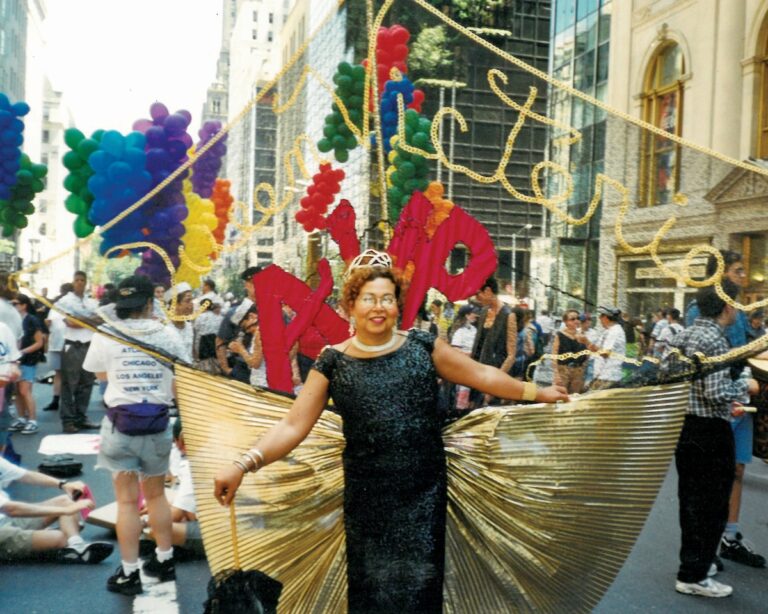
She graduated from high school with a cosmetology license and later enrolled at Brooklyn College in 1978, graduating with a degree in theater. Before her transition, and after finding a doctor to assist with hormone treatment, she worked as a dancer and sex worker in West Village clubs in the 1970s. She also battled and overcame addiction to crack cocaine, according to the Times.
Cruz’s path to activism began after surviving a workplace attack. In 1996, four co-workers at a Brooklyn nursing home groped and verbally assaulted her, according to the Advocate. The case led to protests outside the facility and the arrest of two of the four co-workers, who were convicted of harassment in one of the first New York trials in which someone was held legally accountable for anti-transgender violence.
A fixture of New York’s transgender community for more than five decades, Cruz was a witness to the 1969 Stonewall uprising, where she was dating one of the bar’s doormen. She went on to spend 17 years at the New York City Anti-Violence Project (AVP).
The AVP was founded in 1980 in Manhattan’s Chelsea neighborhood after a series of violent attacks on gay men, according to the organization. It began as an all-volunteer hotline and accompaniment service before hiring its first full-time executive director in 1984. Over the following decades, the organization expanded to provide free, confidential counseling for LGBTQ+ survivors of hate violence, intimate partner violence, sexual violence, police violence and HIV-related violence, and it now coordinates the National Coalition of Anti-Violence Programs, a network of local anti-violence groups across the country.
Today, the organization is the largest anti-LGBTQ+ violence organization in the country, with programs that prioritize those it says are most marginalized, including transgender, gender-nonconforming and nonbinary people of color.
Cruz was featured in the 2017 documentary “The Death and Life of Marsha P. Johnson,” which detailed her years-long investigation into Johnson’s 1992 death, initially ruled a suicide but long disputed by activists who suspected foul play. Cruz referred to Johnson as the “Rosa Parks of our community,” according to Vanity Fair’s 2017 profile of Cruz. The film premiered at the Tribeca Film Festival and was later distributed worldwide by Netflix. Cruz also appeared in the 2021 documentary “Pieces of Us,” discussing her healing work at the Anti-Violence Project.

Johnson, along with Sylvia Rivera, a friend of Cruz, helped lead resistance during the Stonewall uprising and later co-founded Street Transvestite Action Revolutionaries (STAR), an organization that provided housing and support to homeless queer and trans youth in New York. By dedicating years to seeking answers in Johnson’s death, Cruz helped introduce Johnson’s activism and legacy to a new generation.
At the Anti-Violence Project, Cruz’s reach extended well beyond her official duties on the domestic violence hotline, colleagues said. She understood the layered discrimination many transgender people of color faced in housing, employment and law enforcement, drawing in part from her own experiences, according to the Times.
Christine Quinn, who later became the first woman and first openly gay speaker of the New York City Council, brought Cruz on as a volunteer at the Anti-Violence Project and eventually hired her for the front desk and crisis hotline, according to the Advocate.
In 2012, the U.S. Department of Justice awarded Cruz its National Crime Victims’ Service Award, presented by then-Attorney General Eric Holder, for her work assisting survivors of violence.
Cruz is survived by Wright and her sister, Hedye Cruz.

Zuri Pryor-Graves
Oct 2
5 mins read
 SaintTreyW
Sep 30
7 mins read
SaintTreyW
Sep 30
7 mins read

SaintTreyW
Sep 30
3 mins read

SaintTreyW
Sep 25
6 mins read

Gaye Magazine® is part of Gaye Media, Inc.© 2026 Gaye Media, Inc. All Rights Reserved.