


 Zuri Pryor-Graves
Nov 11
8 mins read
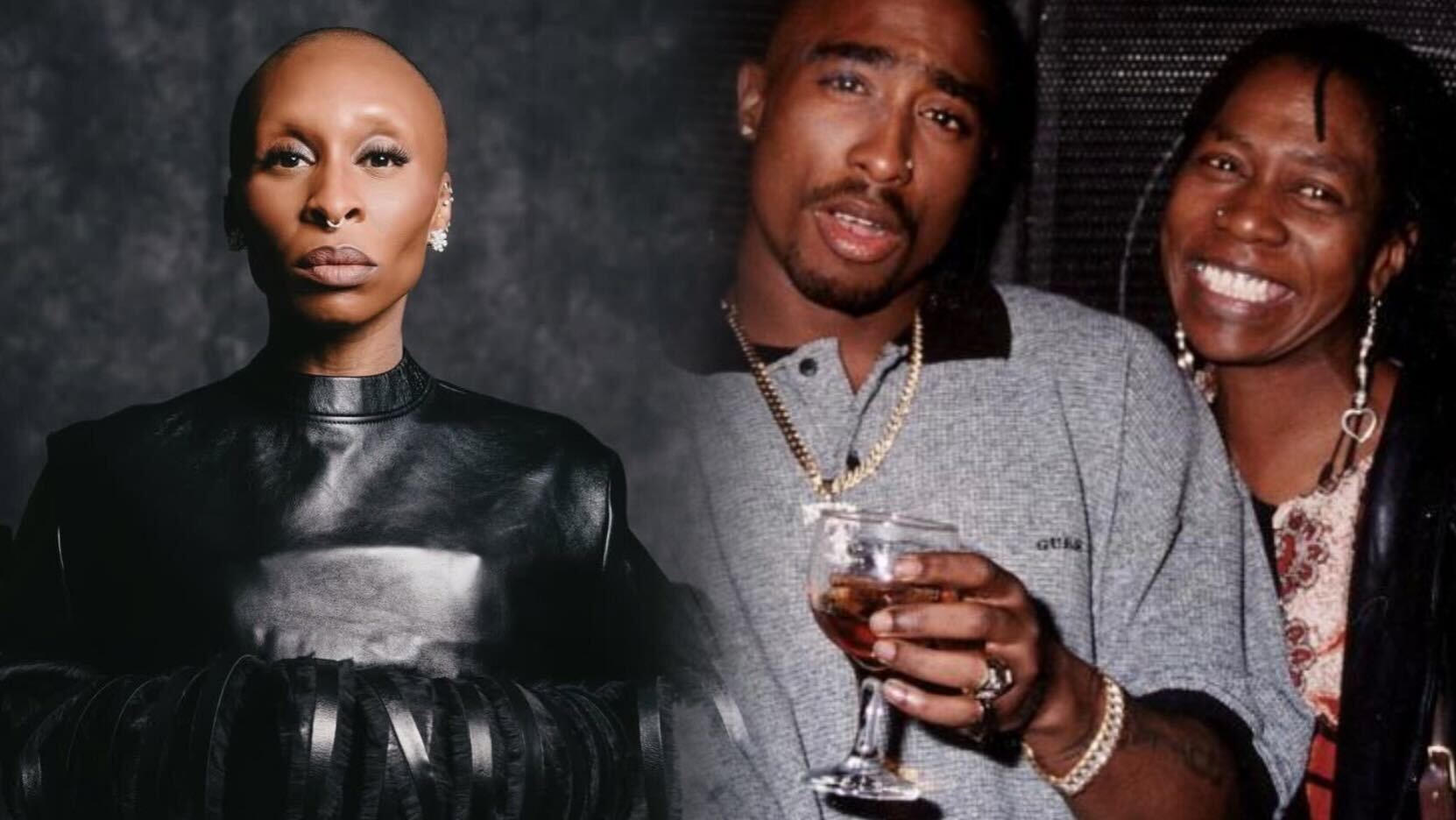
Universal Pictures announced Nov. 4 that Cynthia Erivo will portray Afeni Shakur, Tupac Shakur’s mother, in the upcoming Snoop Dogg biopic, Snoop. The studio plans to release the film in theaters Aug. 6, 2027.
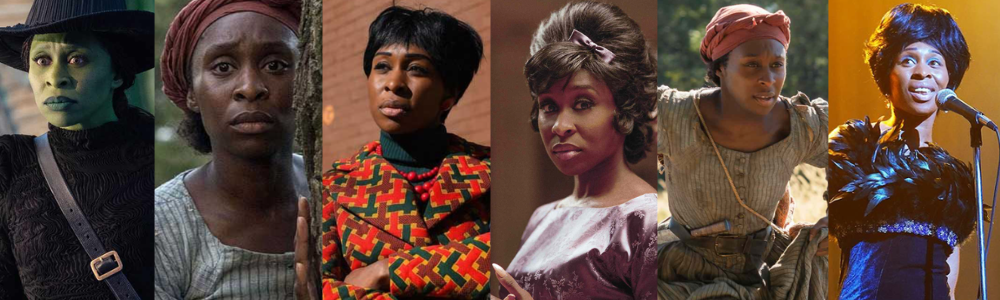
Erivo, who earned critical acclaim for playing Celie in the Broadway revival of The Color Purple, Harriet Tubman in Harriet, Aretha Franklin in National Geographic’s Genius and Elphaba in Wicked, has considerable experience portraying influential Black women. She also shares something with Afeni that makes this casting particularly interesting for LGBTQ+ audiences: both women have histories of bisexuality.
Afeni was a Black Panther, political organizer, prison-rights advocate and mother of one of hip-hop’s most influential artists. She also had romantic relationships with women, participated in gay liberation organizing and maintained close friendships within New York’s queer community.
Her relationship with one woman, Carol Jean Crooks, even influenced the name Tupac received at birth.
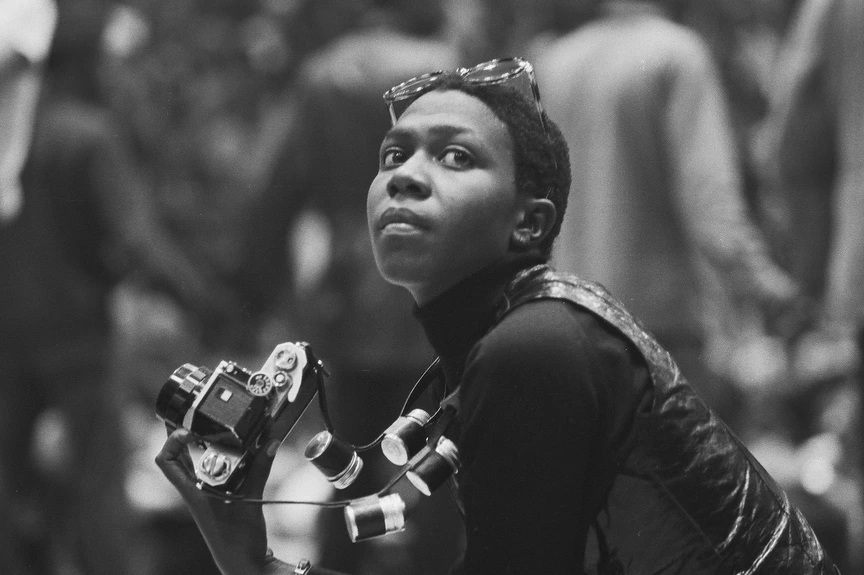
Afeni was born Alice Faye Williams in North Carolina in 1947 and moved to the Bronx during her childhood. She joined the Black Panther Party in 1968 and became active in its Harlem chapter, where she helped organize community programs and participated in the party’s political education efforts.
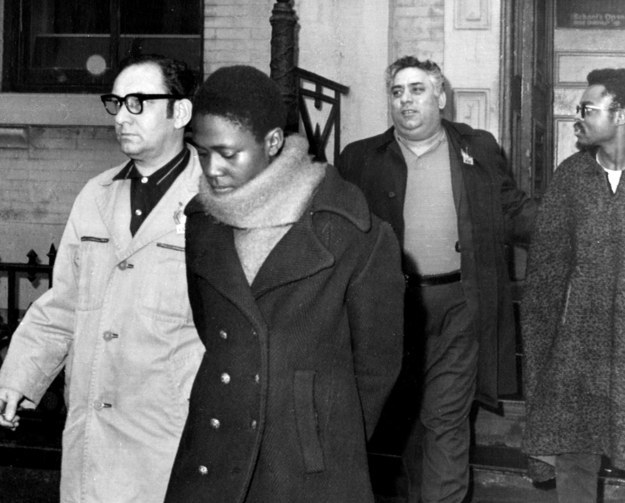
In April 1969, police arrested Afeni and 20 other Black Panthers on conspiracy charges. The case became known as the Panther 21 trial. Afeni helped defend herself in court, questioning witnesses and challenging the prosecution’s case. In May 1971, a jury acquitted all 21 defendants. Afeni gave birth to Tupac the following month.
Historian Hugh Ryan examined Afeni’s relationships with women and involvement in early LGBTQ+ activism in his 2022 book, The Women’s House of Detention: A Queer History of a Forgotten Prison. Ryan identifies Afeni as bisexual and documents her experiences through archival research and interviews with people who knew her.
Afeni did not publicly identify as bisexual during her lifetime. Historian Cheryl X. Dong has also examined how Afeni kept her relationship with prison activist Carol Jean Crooks private while participating in the Black Panther movement.
Afeni met Carol Jean Crooks, a queer Black woman from Brooklyn, while they were incarcerated at New York’s Women’s House of Detention. Crooks, whom friends called “Crooksie,” supported Afeni during her imprisonment, and the two later developed a romantic relationship.
Crooks became an important person in Afeni’s life, including during her pregnancy and Tupac’s birth.
In his research, Ryan interviewed Crooks about their relationship and her involvement in Tupac’s early life. Crooks recalled that Afeni initially gave her newborn son Crooks’ surname.
“He had my last name,” Crooks told Ryan, according to an account published in Spectre. She also remembered Afeni asking a nurse to hand the newborn baby to Crooks before handing him to his mother.
Tupac’s original name was Lesane Parish Crooks. Afeni later renamed him Tupac Amaru Shakur.
Crooks remained close to Afeni after their romantic relationship ended and continued to know Tupac as he grew up.
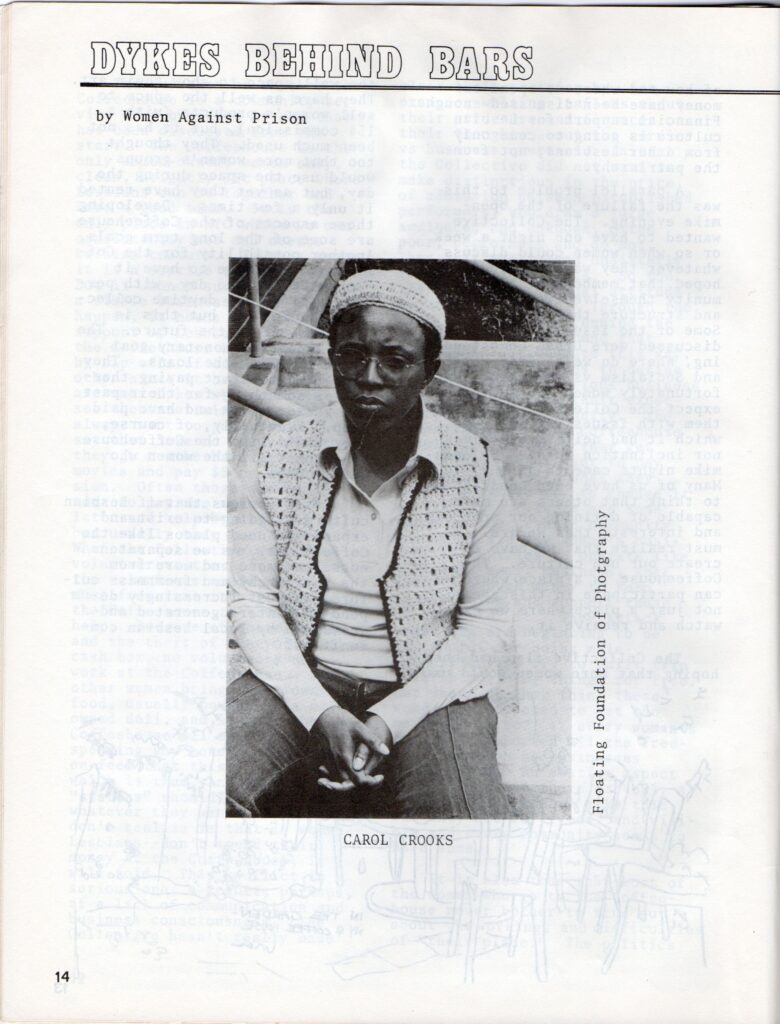
She also contributed to prison-rights history. In 1974, prison officials placed Crooks in solitary confinement, prompting her to challenge the disciplinary process in court. Her case helped establish procedural protections for incarcerated people facing disciplinary segregation.
Afeni supported Crooks’ efforts to obtain legal assistance and continued advocating for the rights of incarcerated women.
On June 28, 1969, police raided the Stonewall Inn in New York’s Greenwich Village. LGBTQ+ patrons resisted the raid, and the demonstrations that followed became an important event in the modern gay rights movement.
Afeni was incarcerated at the Women’s House of Detention, approximately 500 feet from the Stonewall Inn, while awaiting trial in the Panther 21 case.

Women inside the jail joined the protests by shouting support for gay rights and throwing burning belongings from their windows. Ryan documents their participation through historical accounts, including the recollections of lesbian activist Arcus Flynn.
Afeni was among the women incarcerated there that night, although the available historical accounts do not establish whether she personally participated in those specific actions.
The Gay Liberation Front, which formed after Stonewall, subsequently organized demonstrations outside the jail in support of Afeni, fellow Black Panther Joan Bird and other incarcerated women.
Afeni continued working with gay liberation activists after her release. During the Black Panther Party’s 1970 Revolutionary People’s Constitutional Convention in Philadelphia, she participated in a Gay Liberation Front workshop where activists developed demands concerning gay rights.
She also helped arrange communication between Black Panther leader Huey P. Newton and gay liberation organizers.
These efforts placed Afeni among Black activists who supported cooperation between the Black freedom movement, women’s liberation, prison reform and the emerging gay liberation movement.
Afeni’s relationships with LGBTQ+ people continued outside her political organizing and into her family life.
In a 2023 interview about FX’s documentary series Dear Mama, Afeni’s sister Gloria Jean described the wide range of people Afeni introduced to Tupac during his childhood.
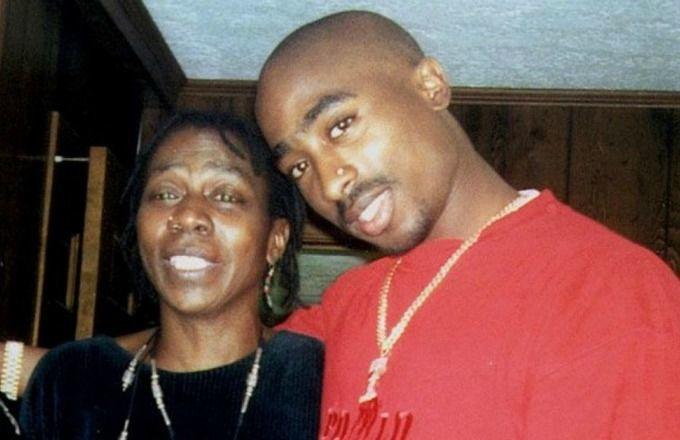
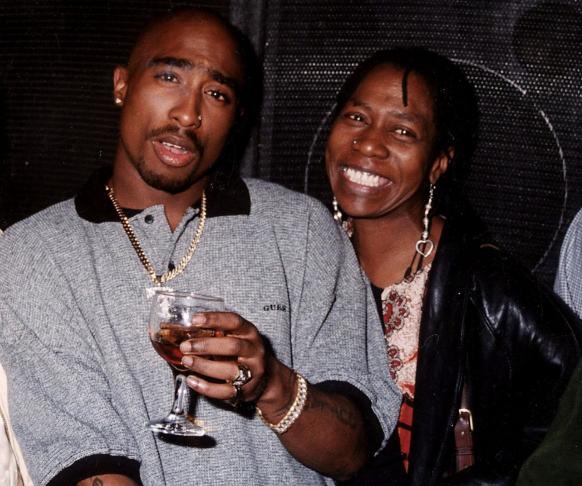
“She brought an array of characters that I never thought existed,” Gloria Jean recalled.
Among those people, she specifically mentioned gay men, gay women, Black Panthers and hustlers.
Gloria Jean explained that Afeni exposed Tupac to people with different backgrounds and life experiences. Her recollections offer additional information about the family and community that influenced the rapper long before he became famous.
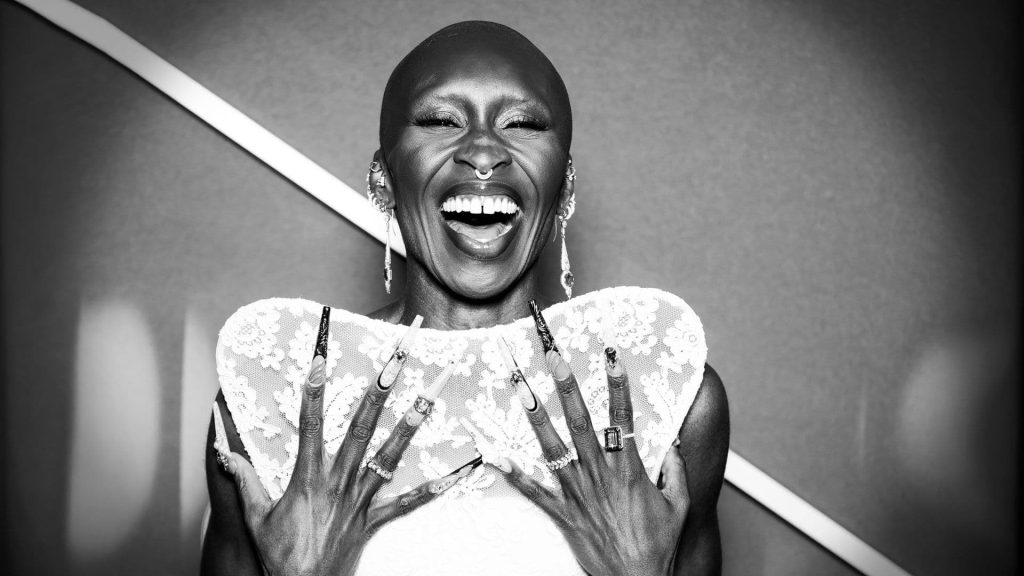
Cynthia Erivo has publicly discussed her bisexuality and her experiences as a Black queer woman in entertainment.
In a 2022 interview with author Jacqueline Woodson for British Vogue, Erivo discussed recognizing her attraction to men and women when she was young and eventually finding the language to describe her sexuality.
“For me, it means taking a risk to claim the freedom of being one’s full self,” Erivo told Woodson about her experience as a queer woman of color.
In March 2025, GLAAD honored Erivo with the Stephen F. Kolzak Award for her contributions to LGBTQ+ visibility and acceptance.
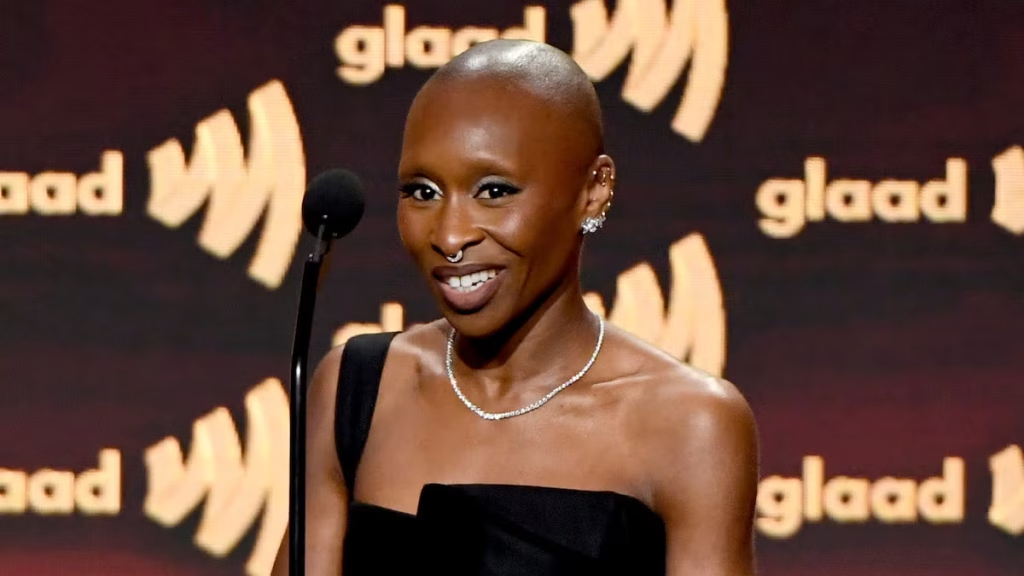
Erivo’s career also includes several performances portraying Black women whose personal lives and identities have attracted considerable public interest.
Erivo has openly discussed her sexuality, while historians have relied on interviews and archival records to document Afeni’s relationships with women. Their experiences differ in significant ways, particularly because they lived during different periods and faced different expectations about sexuality.
Still, Erivo’s personal understanding of bisexuality offers an interesting connection to a woman whose queer experiences have received relatively little attention in mainstream accounts of Tupac’s family.
Neither Erivo nor Universal has publicly indicated whether the film will explore Afeni’s relationship with Crooks or her involvement in gay liberation.
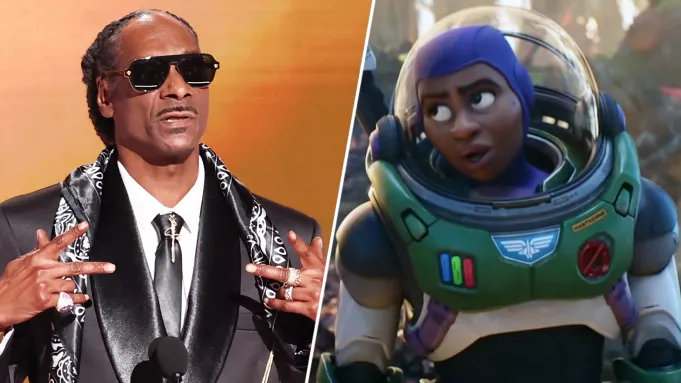
Snoop Dogg, whose life the upcoming film will portray, also has a recent history involving public conversations about LGBTQ+ representation.
In August 2025, Snoop drew criticism after discussing a same-sex couple in Disney-Pixar’s animated film Lightyear. During a podcast appearance, he described feeling uncomfortable when his young grandson asked questions about the couple’s relationship.
His comments prompted criticism from LGBTQ+ advocates and others who objected to his discomfort with same-sex relationships appearing in children’s entertainment.
Snoop later addressed the criticism in a social media comment that Rolling Stone reported.
“Teach me how to learn. I’m not perfect,” he wrote.
His comments are relevant to the upcoming biopic because he is producing a film that includes an openly bisexual actress portraying a woman with a documented history of same-sex relationships and LGBTQ+ activism.
Universal has not announced whether Snoop will address those experiences.
Universal Pictures is producing Snoop, with Craig Brewer, whose credits include Hustle & Flow, directing. Snoop Dogg is among the film’s producers.
Jonathan Daviss, who stars in Netflix’s Outer Banks, will portray Snoop Dogg. Camron Jones will play Tupac Shakur, Lauren London will portray Snoop’s mother, Beverly Tate, and Myles Bullock will play Dr. Dre. Other announced cast members include Algee Smith as Warren G, Tre Hale as Suge Knight and Laya DeLeon Hayes as Shante Broadus.
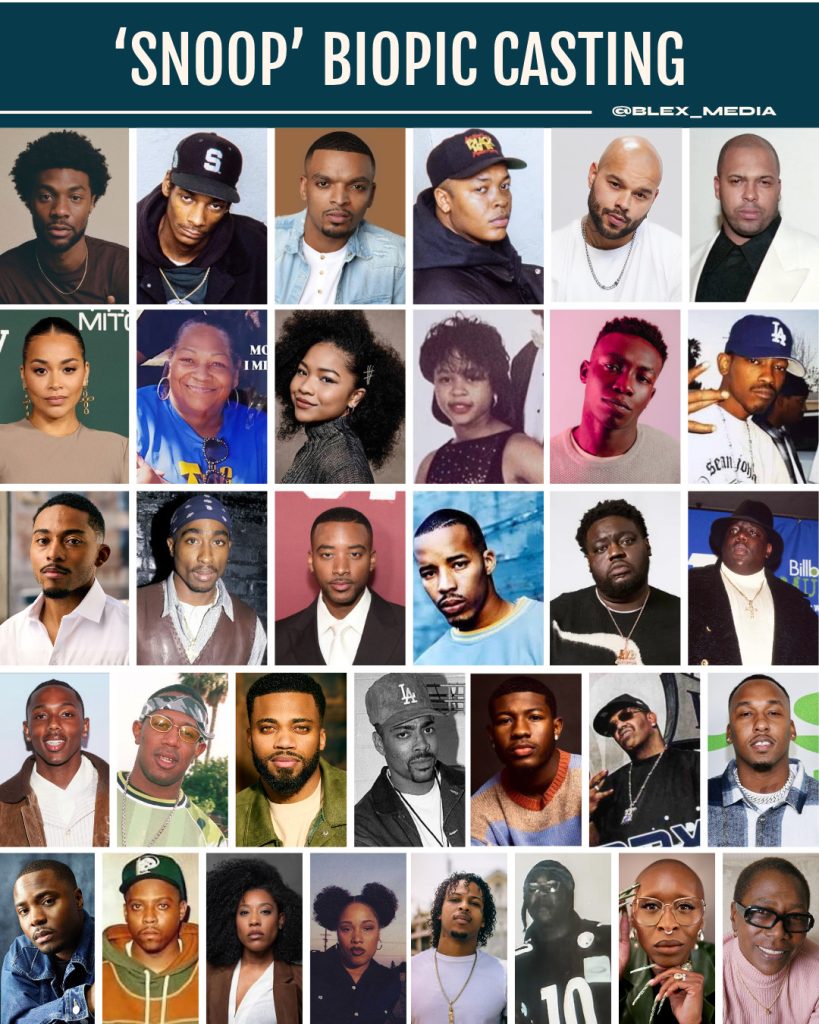
The production is filming in Southern California, and, as mentioned, Universal has scheduled a theatrical release for Aug. 6, 2027.
The film will follow Snoop Dogg’s early life in Long Beach and his rise in the music industry, including his relationships with several major figures in West Coast hip-hop.
We don’t yet know how much of Cynthia Erivo we will see, how much of Afeni’s life the filmmakers will include, or whether audiences will learn about her bisexuality, her relationship with Carol Crooks or her participation in gay liberation.
Gaye readers…you deserve to know the full story. Afeni Shakur had a remarkable history within Black political activism and LGBTQ+ organizing, and her relationships with queer people influenced her family life, including the childhood of the son who became Tupac.
Zuri Pryor-Graves
Nov 4
3 mins read
Anders Hare
Oct 27
6 mins read

Zuri Pryor-Graves
Oct 26
4 mins read

 Gaye Magazine
Sep 29
4 mins read

Gaye Magazine® is part of Gaye Media, Inc.© 2026 Gaye Media, Inc. All Rights Reserved.