


 Anders Hare
Oct 27
6 mins read
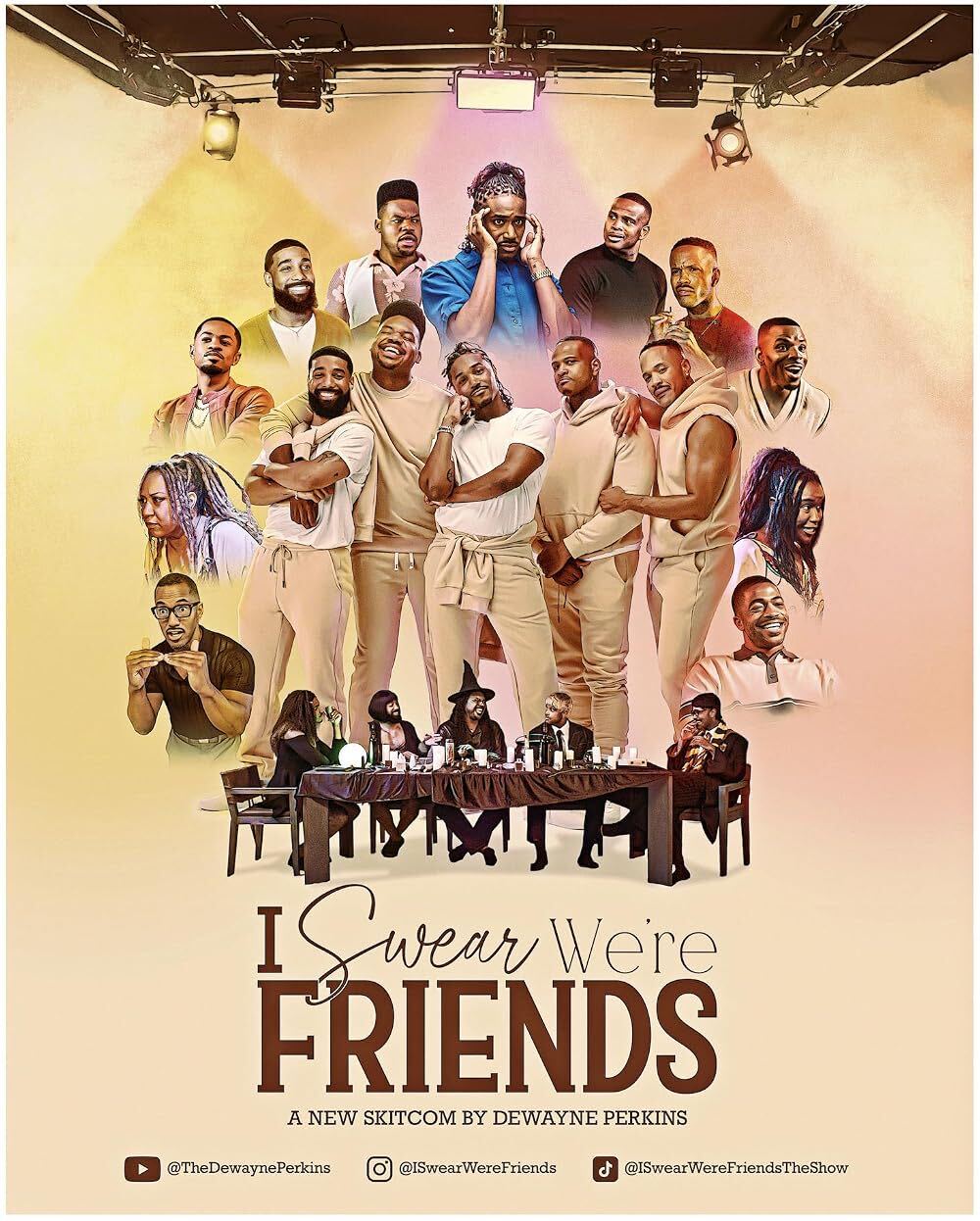
Black queer men deserve to be the center of their own stories without having to explain themselves to anyone else.
That belief drives comedian, actor and writer Dewayne Perkins’ “I Swear We’re Friends,” an independently produced YouTube comedy series that blends sketch comedy with sitcom storytelling. The six-episode series, which Perkins created, wrote and directed, follows a group of Black queer friends whose personalities and complicated relationships fuel the humor.
Beyond the laughs, Perkins hopes the series challenges the idea that Black queer stories appeal only to a niche audience.
“Throughout my career I’ve been faced with this constant conversation around the lack of universality when it comes to Black queerness,” Perkins told Gaye Magazine exclusively.
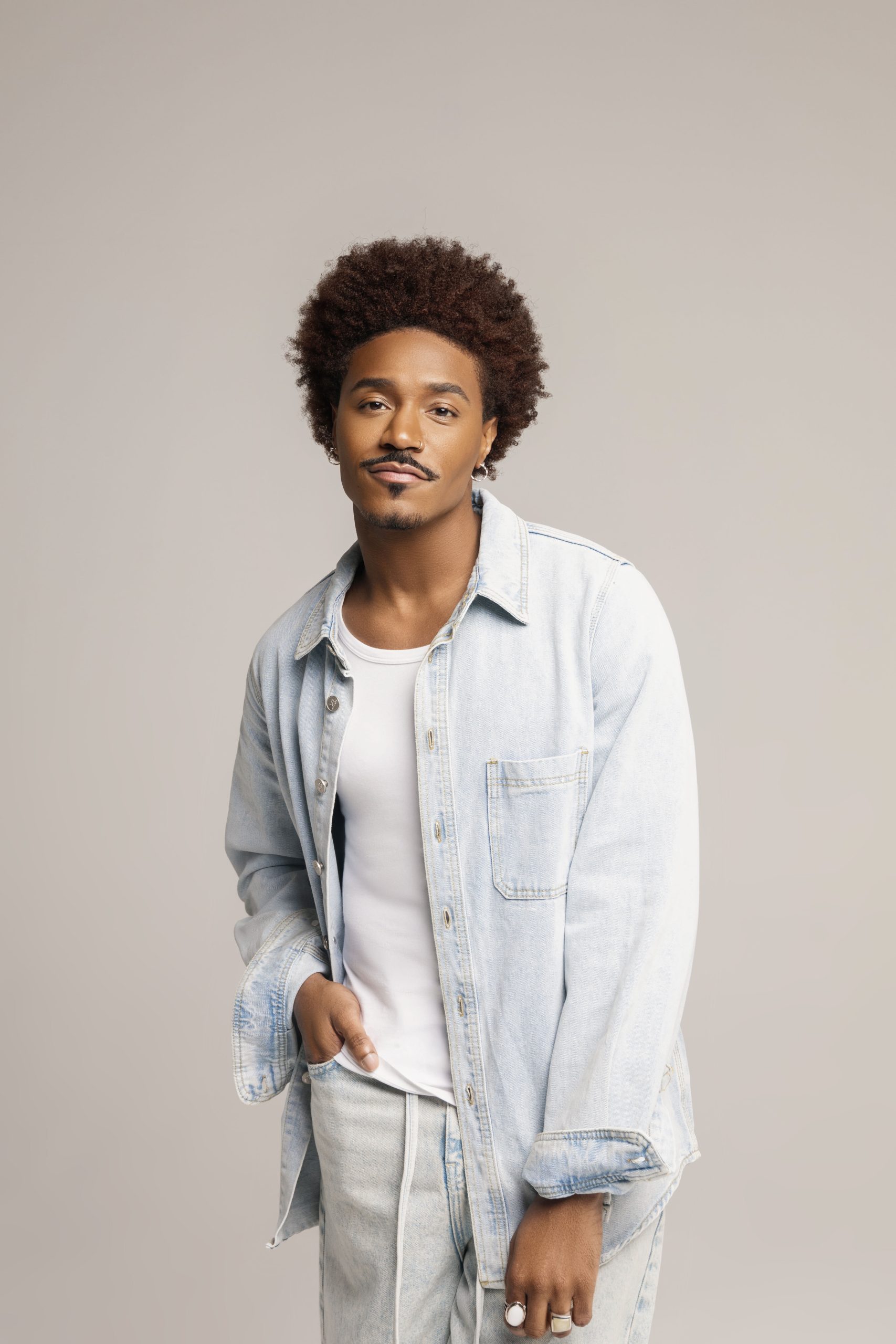
“There’s a false idea that Black queerness is niche, and should be regulated to a box that is only tapped when someone wants to use it to service their larger story.”
Rather than explain Black queer experiences to outsiders, Perkins wants to let his characters exist as fully realized people.
“I’ve lived a life where I’ve watched thousands of hours of television and film that didn’t personally match my exact identity and yet I was able to connect with it because storytelling is about so much more than simply one’s identity,” he said.
The series embraces that universality through an ensemble of characters who are funny, flawed and unmistakably human.
Perkins plays Billy, whom he describes as a whimsical character who has held on to his youthful spirit.
“To make Billy my own, I really wanted to create a character that felt like the adult version of my inner child whose light has not yet been encumbered by the woes of the world,” he told Gaye Magazine.
The other characters bring their own complications to the group. Devere Rogers plays Jacobi, a loyal friend whose chaotic tendencies sometimes test everyone’s patience. Brian Jordan Jr. portrays Zeke, while Philemon Chambers plays Jonathan. Cameron J. Ross rounds out the ensemble as Pierre, whose ego and appetite for attention sometimes overshadow his better qualities.
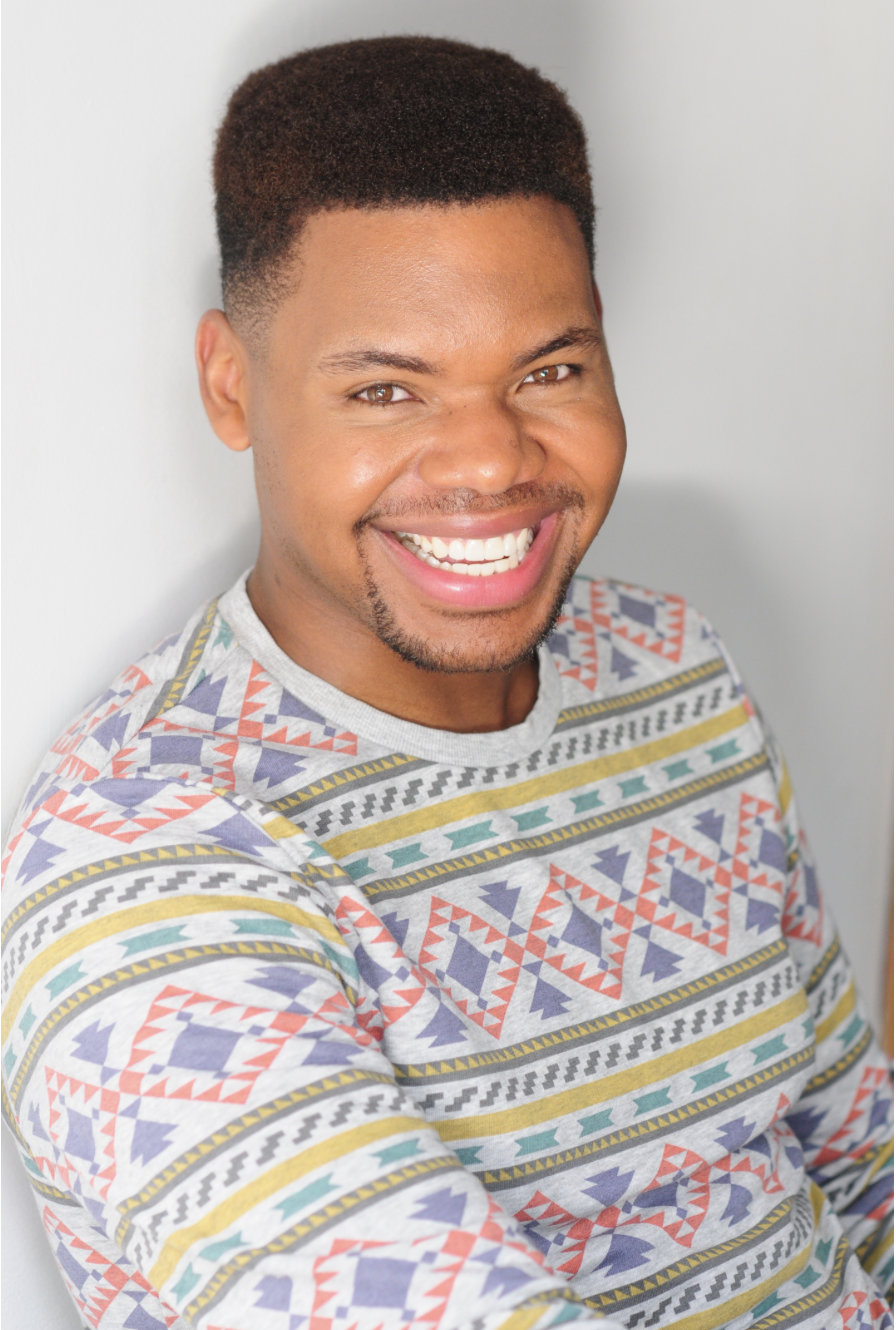
For Rogers, Jacobi represents the friend whose imperfections never diminish the love he brings to the group.
“I hope that audiences learn from Jacobi that it’s OK to be a mess, not have it all together, and not have the answers, but knowing that you have friends and tribe that will lift you up and love you through all your things and ultimately your humanness,” Rogers told Gaye Magazine.
Brian Jordan Jr. (Zeke), said he sees the show as an opportunity to challenge assumptions about masculinity and belonging within the LGBTQ+ community.
“There is a taboo about masculinity in the LGBTQ community that I feel is a little misguided and I’m so glad Dewayne created an avenue for this type of unseen reality to live, because there is so much real estate in the unusual,” he told Gaye Magazine.
Jordan Jr. continued, “I hope the audiences can see themselves in Zeke and more than that— I hope that they can see room for OTHERS in Zeke. A lack of sameness is something that I find so interesting in life and in storytelling. I hope this work challenges people (especially those in subcultures) to be more open, accepting and kind to those that may have a different set of interests or experiences.
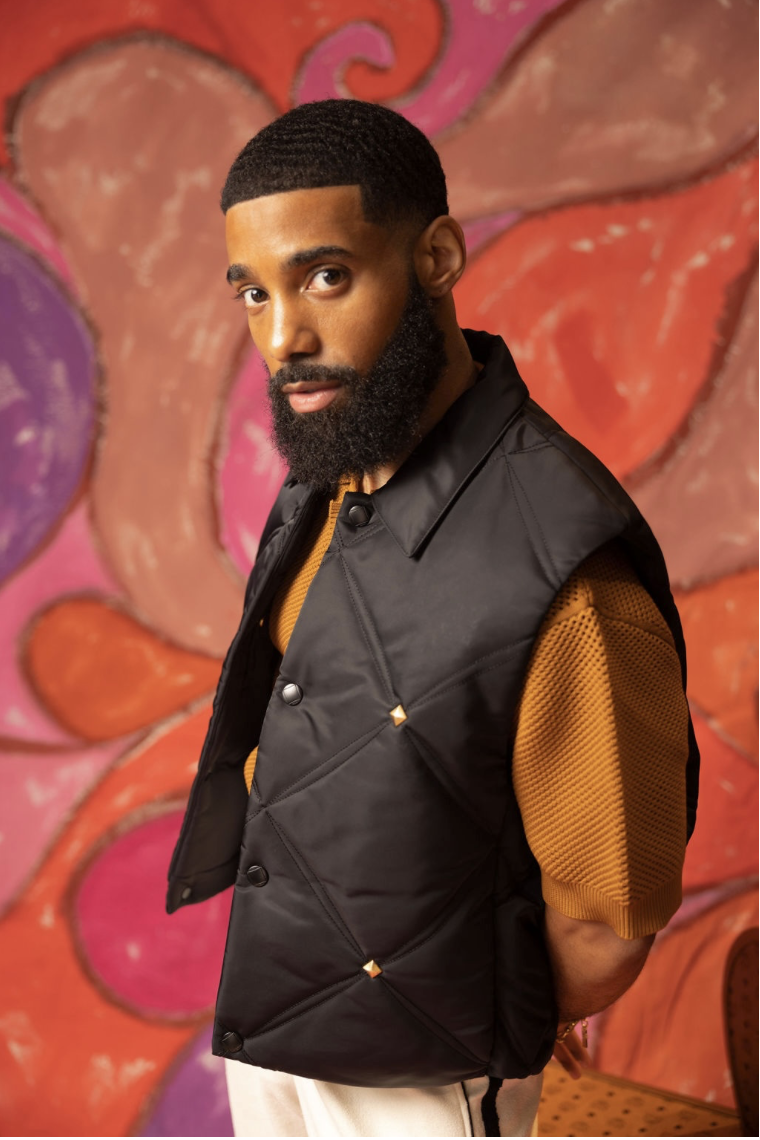
Chambers said his character reflects his own experiences as someone friends turn to for support.
“Dewayne and our brilliant writers made me stepping into this role seamless. I found that this character mirrored my own experiences. I am usually the friend people come to for help and I take pride in that, so truly life imitates art,” he told Gaye Magazine.
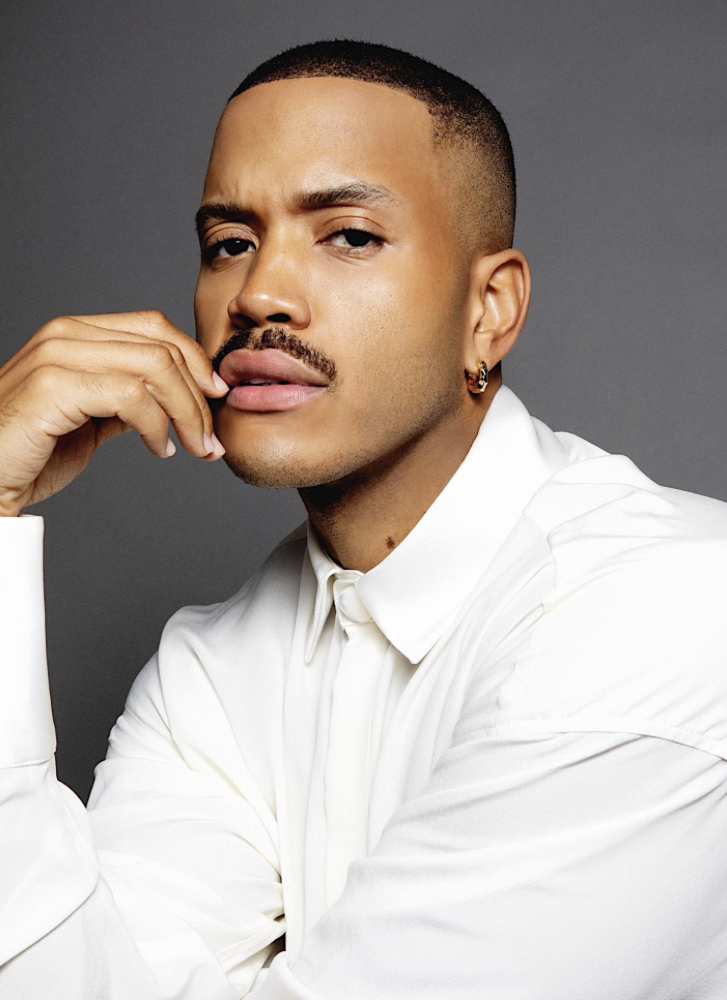
Cameron J. Ross (Pierre) meanwhile, believes Pierre’s imperfections make him relatable.
“He’s flawed, he’s messy, he’s sometimes completely ridiculous, but he’s also human,” Ross told Gaye Magazine. And I hope audiences are able to see the heart underneath all of that.”
“I think there’s a Pierre in every friend group. I’m not necessarily saying he’s the villain of the group, although I’ve heard a few people compare him to Toni Childs from Girlfriends, which I find hilarious. He’s definitely someone who loves attention, can be a little ego-driven, and isn’t afraid to make things about himself.”
Ross continued, “But underneath all of that, I do believe he has a good heart and genuinely understands the importance of friendship. I think what’s going to be interesting is watching him navigate his own sense of self while also figuring out what it really means to show up for the people he loves. As far as making the character my own, I pulled a little inspiration from my actual friend group. Now, I don’t necessarily think I’m the Pierre of my group, but my friend Jared was a GREAT reference for this role. And he’s going to love that I’m saying this publicly! When he watched the show, he actually asked me, “Wait, are you playing me?” And I said, “Well, yes!”
Fans want more of I Swear We’re Friends––each episode currently runs between six and ten minutes. From envisioning a future as a half-hour sitcom to promising audiences the “full course,” the actors are embracing the demand for longer episodes. But creator Dewayne Perkins says expanding the series comes down to more than audience enthusiasm.
Jordan Jr. believes viewers are asking for more than additional minutes on screen.
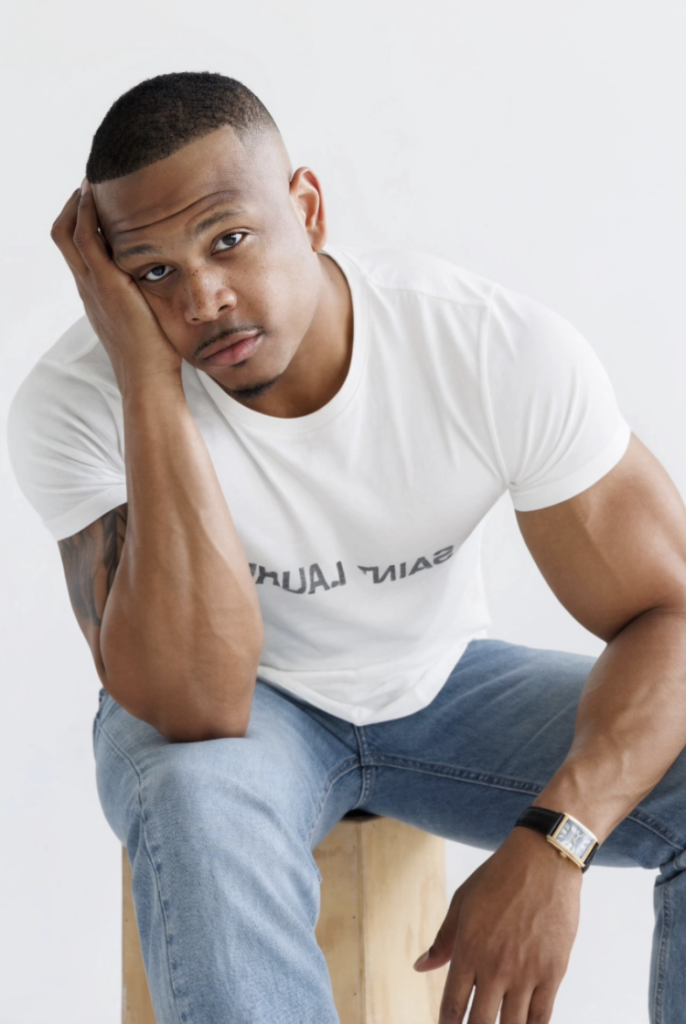
“But I think that what they really want is more story and I believe that is the same thing that we all want,” Jordan Jr. told Gaye Magazine.
For Perkins, expanding the series depends on securing the resources to support a larger production. He independently funded the project and said the short episodes reflect the practical realities of producing television.
“The episodes are short simply because that is what I could afford to make,” he told Gaye Magazine. “This project was completely self-funded by me. Everyone working is getting paid.”
“I’m so happy and elated that fans want longer episodes! We all do too,” Rogers tells us.
He continued, “I think what Dewayne has created in short form is so smart and funny and I also think that there’s a world where this lives as a 22 minute episode show as well. Run up these YouTube numbers and show the powers that be that we need this show on air ASAP!”
Longer episodes require more production time, which increases costs for cast and crew, equipment and locations. Perkins hopes continued audience interest will attract investors, brands and partners who can help the series grow.
For Perkins, the larger goal remains giving Black queer characters the freedom to exist beyond narrow expectations.
“This industry is very stubborn and telling clearly hasn’t been working, so I decided maybe showing instead of telling can push progress a little further,” he told Gaye Magazine.
Ross chimed in, telling us , “As much as people are enjoying watching it, we enjoy making it just as much. I know the episodes feel short right now, but think of this as a little appetizer. We’re ready to give you the full course! We’re hopeful for a second season.”
With “I Swear We’re Friends,” Perkins is betting that audiences will find something familiar in the lives of characters who do not need to represent everyone to resonate with someone.
Watch the series here. Stay tuned for the series finale airing tomorrow, Wednesday Oct. 28.
Check out Dewayne Perkins’ upcoming show at the NYC Comedy Festival.
 Gaye Magazine
Oct 22
3 mins read
 SaintTreyW
Oct 9
3 mins read

Zuri Pryor-Graves
Oct 2
5 mins read
SaintTreyW
Sep 30
7 mins read

Gaye Magazine® is part of Gaye Media, Inc.© 2026 Gaye Media, Inc. All Rights Reserved.