 SaintTreyW
Jun 2
3 mins read
SaintTreyW
Jun 2
3 mins read
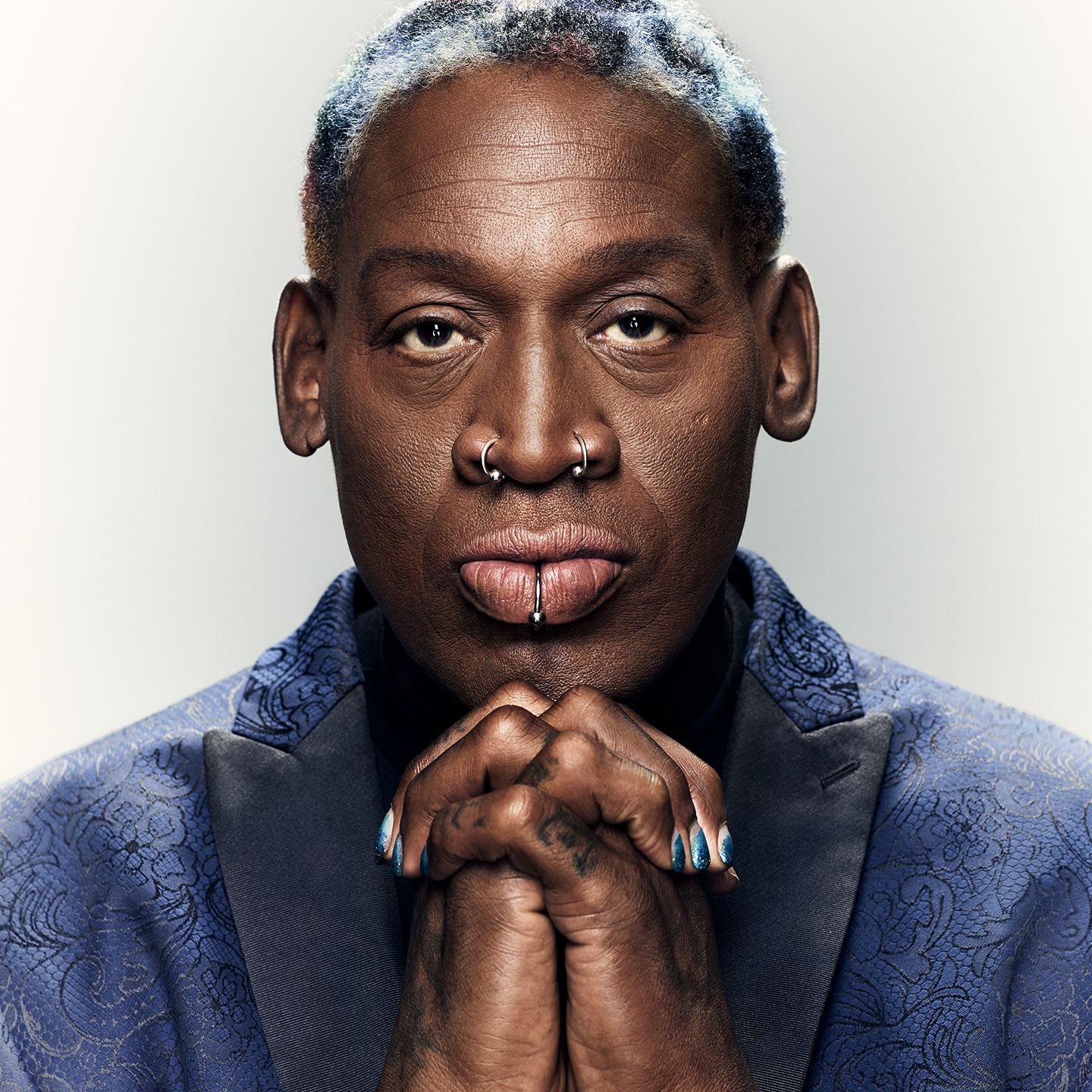
A seven-year-old ESPN documentary about NBA Hall of Famer Dennis Rodman is finding a new audience after resurfacing on ESPN platforms and social media in late May, sparking renewed conversations about the basketball icon’s childhood, identity and unconventional path to stardom.
Originally premiering Sept. 10, 2019, as part of ESPN’s acclaimed “30 for 30” series, “Rodman: For Better or Worse” traces Rodman’s journey from a shy child in Dallas to one of the most recognizable and polarizing figures in sports history. Recent clips from the documentary have circulated widely online, introducing many viewers to revelations Rodman made about his upbringing and the questions he grappled with as a teenager.
Among the moments drawing renewed attention is Rodman’s recollection that people often assumed he was gay because he spent most of his time with his mother and sisters and had few male friends growing up.
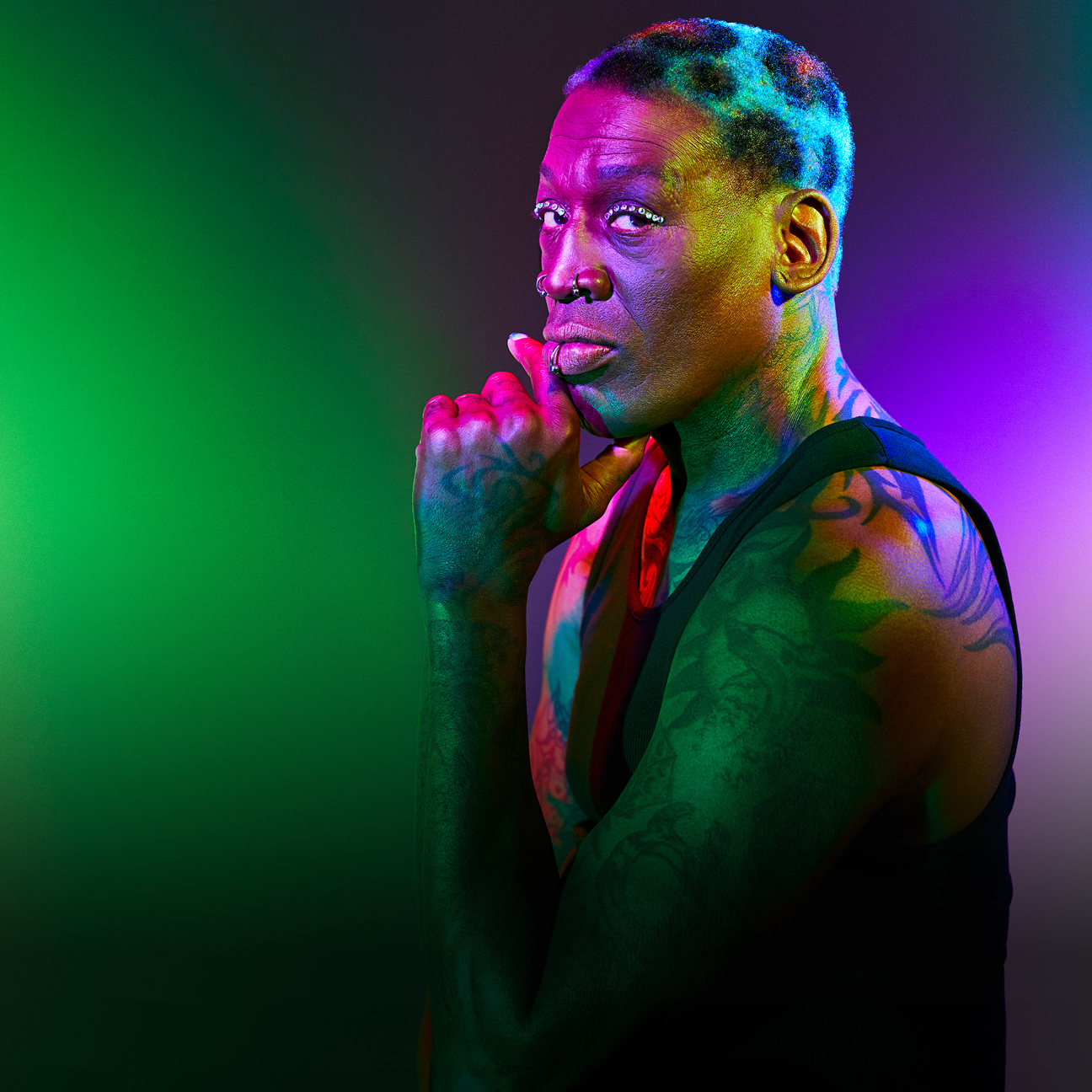
“I was very shy and very insecure,” Rodman says in the film. “I thought that when I was 14, 15, that I was gay because I hung out with my sisters a lot. Everybody was like, ‘You got any guy friends?’ and I was like, ‘No.’ I felt secure hanging out with my mother and my sisters.”
Rodman said the assumptions others made about him contributed to his questions about his identity during adolescence. The documentary also revisits stories Rodman has previously shared publicly, including memories of his sisters occasionally dressing him in girls’ clothing when he was young.
Raised in a single-parent household after his father, Philander Rodman Jr., left the family, Rodman spent much of his childhood surrounded almost exclusively by women. The absence of a father figure and his close relationship with his mother and sisters emerge as recurring themes throughout the film.
The documentary paints a portrait of a child who struggled to fit traditional expectations of masculinity in his neighborhood. Rodman recalls being bullied, feeling isolated, and finding comfort in the company of the women who raised him.
Before becoming an NBA star, Rodman struggled to find direction. His sisters excelled at basketball while he failed to attract attention as an athlete. He was cut from his high school football team and graduated without significant college prospects.
After working a series of jobs, including as an airport janitor, Rodman experienced a dramatic growth spurt that transformed his future. He eventually attended Southeastern Oklahoma State University before being selected by the Detroit Pistons in the second round of the 1986 NBA Draft.
Over a 14-year NBA career, Rodman won five championships, earned two NBA Defensive Player of the Year awards and established himself as one of the greatest rebounders in league history. He was inducted into the Naismith Memorial Basketball Hall of Fame in 2011.
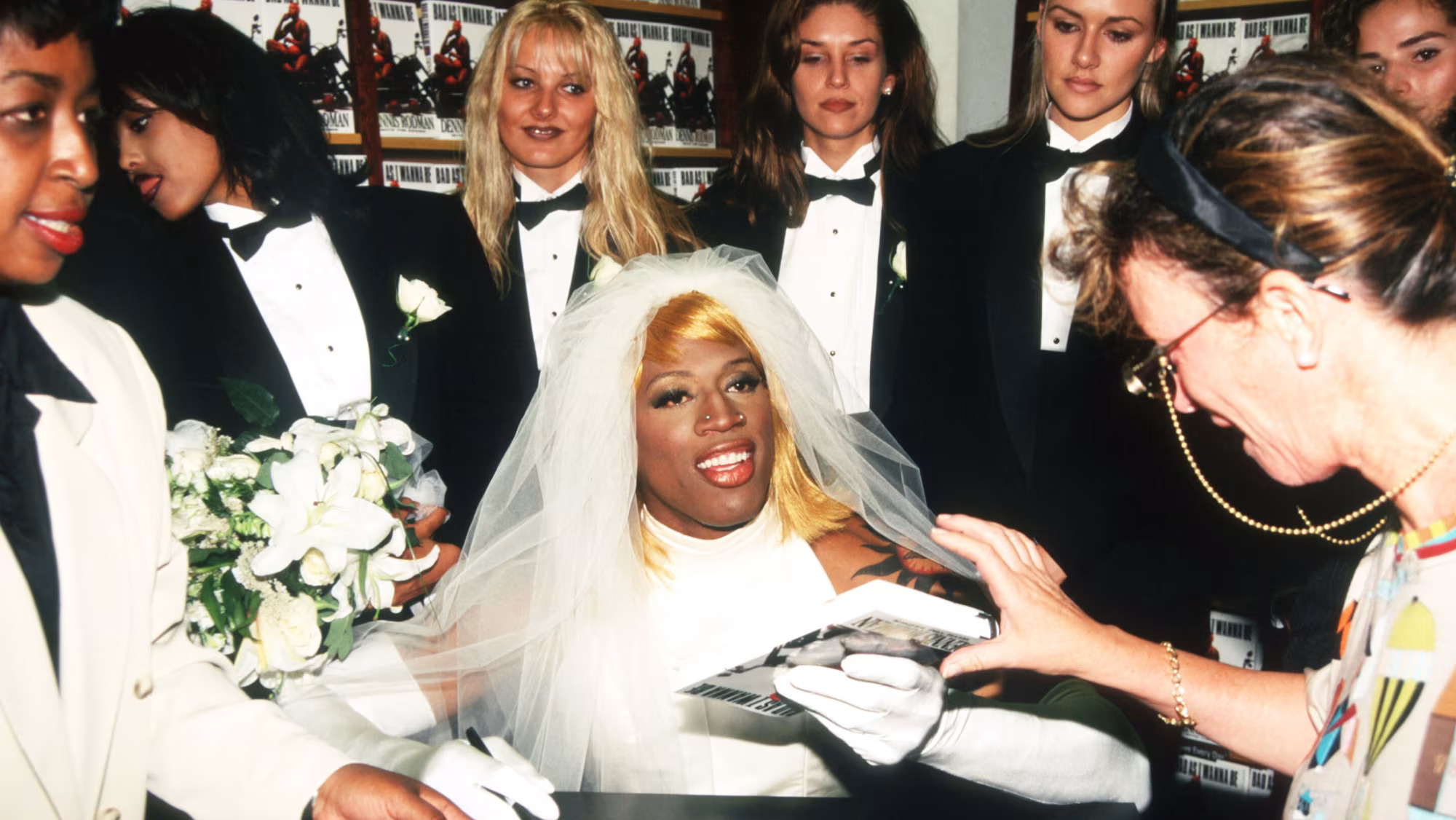
The film also revisits the public image that made Rodman a cultural phenomenon beyond basketball. Throughout his career, he became known for brightly colored hair, tattoos, piercings, dresses and fashion choices that challenged conventional expectations of professional athletes.
The documentary suggests those expressions of individuality did not emerge suddenly during Rodman’s NBA career but were rooted in experiences that began long before he became famous. His childhood memories, family dynamics, and early questions about identity are presented as part of the foundation that shaped the man who would later become one of sports’ most unconventional figures.
In recent years, Rodman has publicly expressed support for LGBTQ+ communities, including an appearance at Houston’s Pride celebration in 2023, where he delivered a message of acceptance and inclusion.
Rather than focusing exclusively on championships and accolades, “Rodman: For Better or Worse” offers a more personal examination of the experiences, relationships, and insecurities that shaped Rodman’s life.
While the documentary first aired in 2019, its recent resurgence has introduced a new generation of viewers to Rodman’s reflections on masculinity, belonging and self-acceptance. The renewed attention underscores how Rodman’s story continues to resonate far beyond basketball, particularly as conversations about identity and self-expression remain at the center of American culture.
“Rodman: For Better or Worse” is now streaming on ESPN+.

 Mykel Hilliard
Oct 3
4 mins read
Mykel Hilliard
Oct 3
4 mins read
 Anders Hare
Jul 31
3 mins read
Anders Hare
Jul 31
3 mins read


Zuri Pryor-Graves
Jul 22
3 mins read

Gaye Magazine® is part of Gaye Media, Inc.© 2026 Gaye Media, Inc. All Rights Reserved.