


 SaintTreyW
May 3
4 mins read
SaintTreyW
May 3
4 mins read
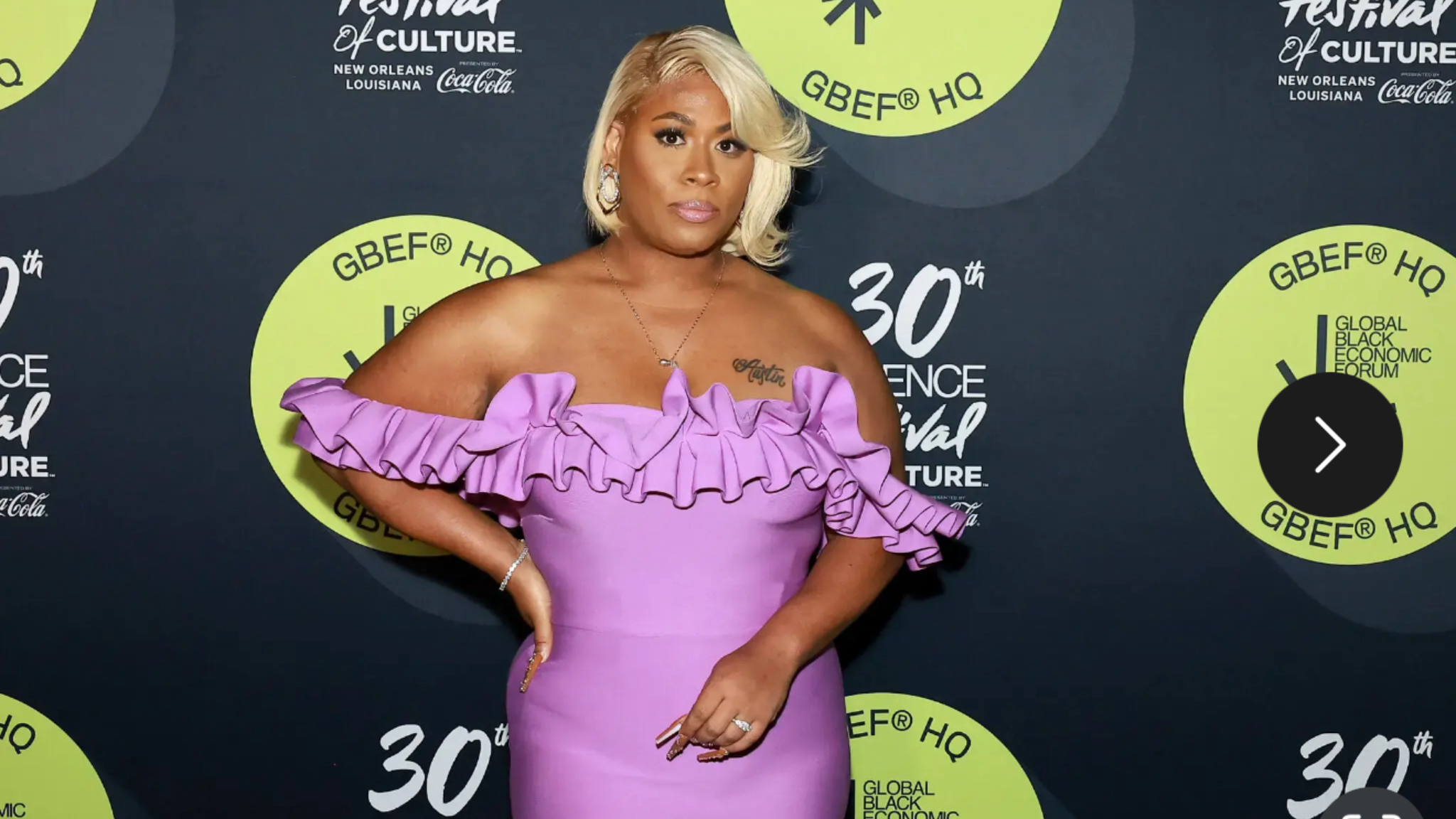
Dominique Morgan, the nationally known Black trans activist and former executive director of The Okra Project, was remanded into custody Tuesday during a closely watched hearing in Brooklyn Supreme Court tied to her guilty plea in a financial fraud case involving nearly $100,000 allegedly diverted from a trans bail assistance initiative.
The hearing, held April 29, did not conclude with sentencing as some observers anticipated. Instead, the court adjourned the matter until May 28, when Morgan is now expected to formally receive sentencing following her earlier guilty plea to second-degree grand larceny and 23 counts of falsifying business records.
Public reporting on the precise courtroom exchanges remains limited as of Friday, though multiple court-watch accounts and social media observers reported that Morgan was denied bail and remanded pending the next appearance.

The case has become one of the most painful and publicly debated reckonings within contemporary Black trans organizing and mutual aid spaces in recent years, particularly because prosecutors alleged the funds at the center of the case were intended to support incarcerated trans people facing detention and violence inside jails.
According to the Brooklyn District Attorney’s Office, Morgan transferred approximately $99,000 from organizational accounts connected to The Okra Project into a personal account in July 2022 after proposing a bail assistance initiative that authorities say was never actually implemented.
Prosecutors alleged the money was instead used for personal expenses, including meals, clothing purchases, car payments on a Mercedes-Benz, and a reported $19,000 closet renovation.
Investigators also alleged Morgan later submitted fraudulent bail documentation when asked to provide records showing how the funds had been distributed. Authorities said some of the individuals listed on those receipts had never been arrested or released in the jurisdictions named.
Morgan, 44, pleaded guilty in February and faces a possible prison sentence of up to 15 years.
Before the criminal case, Morgan had long occupied a visible role within national queer and abolitionist organizing spaces. In addition to leading The Okra Project for several months in 2022, Morgan previously served as executive director of Black and Pink, the Omaha-based nonprofit supporting LGBTQ incarcerated people and people living with HIV/AIDS in prison systems.
Morgan’s public work often centered on prison abolition, mutual aid, and care infrastructure for Black trans communities, making the allegations particularly devastating for many organizers and supporters who once viewed her as a trusted movement leader.
Online conversations following the April hearing reflected that tension. Some activists framed the case as a profound breach of trust involving money designated for vulnerable trans people navigating incarceration. Others warned against flattening the situation into punitive spectacle, arguing the case also raises broader questions about nonprofit oversight, burnout, movement accountability, and how communities respond when harm occurs within liberation spaces themselves.
In a public statement released after the hearing, The Okra Project said it had remained largely silent throughout the legal process “out of respect for the integrity of the investigation, the proceedings, and for all parties involved.”
The organization outlined a timeline stretching back to July 2022, when staff first identified alleged financial discrepancies and referred the matter to newly retained legal counsel. The statement said legal entities in Atlanta also contacted the organization over inconsistencies in documentation connected to the alleged bail fund.
Morgan’s tenure with the organization ended Aug. 3, 2022, according to the statement.
In January 2023, Gabrielle Souza was appointed executive director, and the organization said it immediately pursued formal 501(c)(3) nonprofit status, expanded its board, and implemented new financial oversight measures.
The organization also confirmed it cooperated with investigators from the Brooklyn District Attorney’s Office throughout 2023 and 2024, providing records, digital accounts, and devices connected to the investigation.
Following Morgan’s April remand, The Okra Project said the court ordered restitution as part of the upcoming sentencing process.
The organization additionally disclosed ongoing financial struggles unrelated to the criminal case, including fallout from the bankruptcy of its previous fiscal sponsor and the 2025 bankruptcy of donor platform Flipcause, which it said resulted in the loss of more than 600 recurring donors.
“Despite these compounding challenges, The Okra Project remains committed to our mission and to the community we serve,” the organization said in its statement. “We are actively rebuilding, and we are not done.”
The case arrives at a time when mutual aid organizations, especially those serving Black trans communities, continue to navigate both increasing public visibility and heightened scrutiny of governance, transparency, and sustainability.
For many watching the proceedings, the emotional weight of the case extends beyond criminal liability alone. It has become a flashpoint for larger conversations about what accountability looks like inside marginalized communities already navigating systemic abandonment, anti-trans legislation, incarceration, and chronic underfunding.
Morgan is expected to return to the Brooklyn Supreme Court on May 28 for formal sentencing.
SaintTreyW
Sep 17
5 mins read
SaintTreyW
Sep 16
7 mins read
 Anders Hare
Sep 1
3 mins read
Anders Hare
Sep 1
3 mins read

Anders Hare
Aug 31
3 mins read

Gaye Magazine® is part of Gaye Media, Inc.© 2026 Gaye Media, Inc. All Rights Reserved.