


 SaintTreyW
Apr 14
4 mins read
SaintTreyW
Apr 14
4 mins read
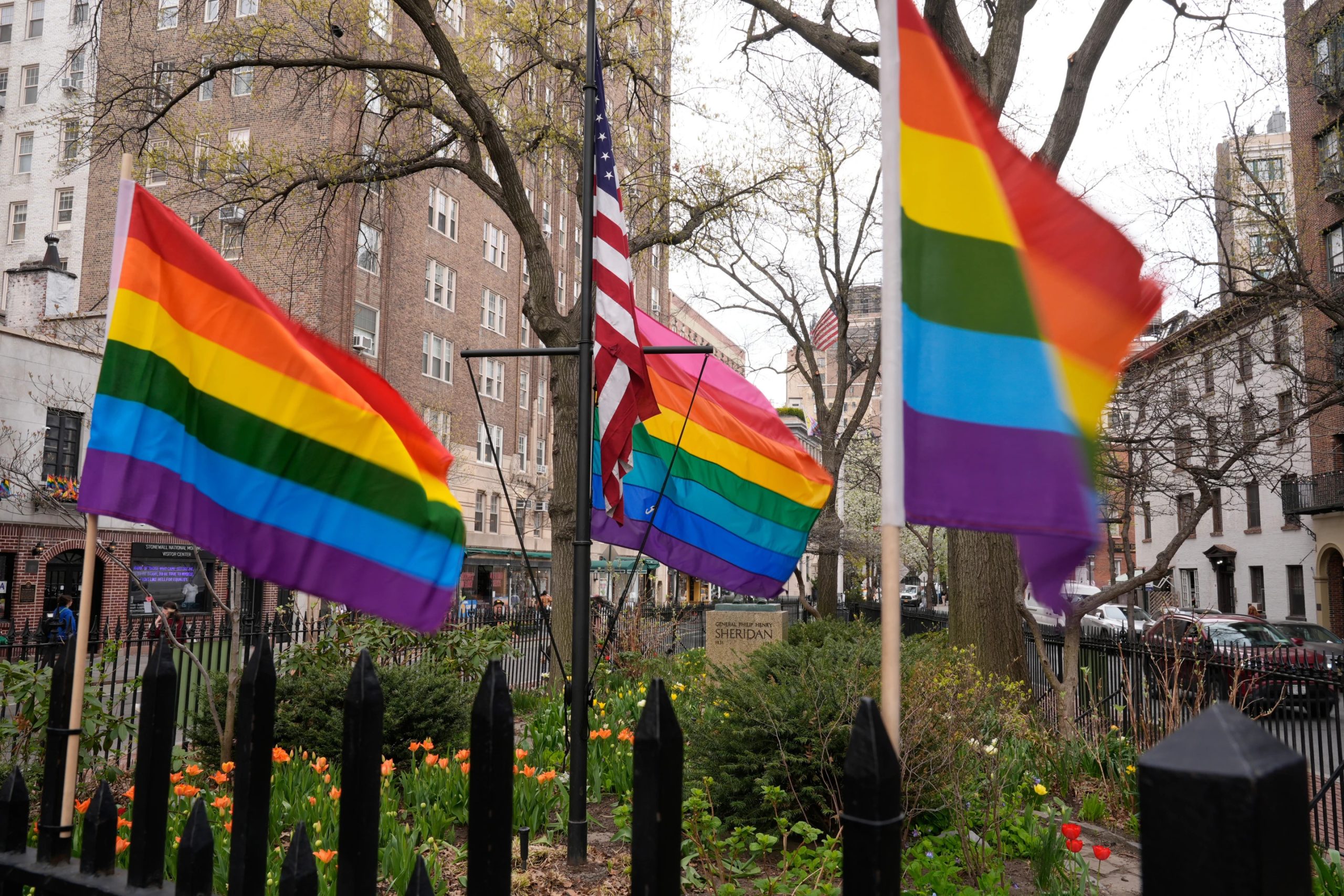
In a move that closes a brief but consequential chapter in the ongoing struggle over public memory and LGBTQ+ visibility, the Trump administration has agreed to restore the rainbow Pride flag at the Stonewall National Monument, reversing its removal earlier this year after a legal challenge from advocacy groups.
The decision, revealed Monday in court filings and approved by a judge, continues a story Gaye Magazine first reported in February, when federal officials quietly removed the flag from the historic site, prompting immediate backlash from activists, elected officials, and preservation organizations.
Under the settlement, the National Park Service will reinstall the Pride flag within seven days and maintain it on the monument’s official flagpole. The agreement also affirms that the flag complies with federal law and agency policy, a notable concession after the administration initially cited new restrictions on flag displays.
The Pride flag will fly beneath the American flag and above the National Park Service flag, in accordance with U.S. flag code. Each banner will measure 3 feet by 5 feet, restoring a visual order that advocates say carries both symbolic and historical weight.
The Stonewall National Monument, located in New York City’s Greenwich Village, marks the site of the 1969 uprising at the Stonewall Inn, where LGBTQ+ patrons resisted a police raid, widely considered the catalyst for the modern LGBTQ+ rights movement. Established as a national monument in 2016 under President Barack Obama, the site has since become a focal point for both commemoration and political contest.
The Pride flag itself has flown at the monument since 2022, following years of advocacy. Its removal in February came after a Jan. 21 federal memo limited which flags could be displayed at National Park Service sites, generally restricting them to official government banners. While the guidance allowed for certain exemptions tied to historical context, officials initially determined the Pride flag did not qualify.
That interpretation was swiftly challenged in court by a coalition of nonprofit organizations, including the Gilbert Baker Foundation and Lambda Legal, which argued the removal was arbitrary and discriminatory.
“The sudden, arbitrary, and capricious removal of the pride flag from the Stonewall National Monument was yet another act by this administration to erase the LGBTQ+ community,” said Karen Loewy, senior counsel at Lambda Legal.
Advocates framed the legal victory as both practical and deeply symbolic. For many, the dispute was never only about a flag, but about whether the federal government would recognize LGBTQ+ history as integral to the American story.
“Stonewall is sacred ground in the fight for LGBTQ+ liberation, and this resolution helps ensure that the Rainbow Flag will continue to fly there, where it belongs,” said Charley Beal, president of the Gilbert Baker Foundation.
Local officials echoed that sentiment, casting the reversal as a broader affirmation of resistance.
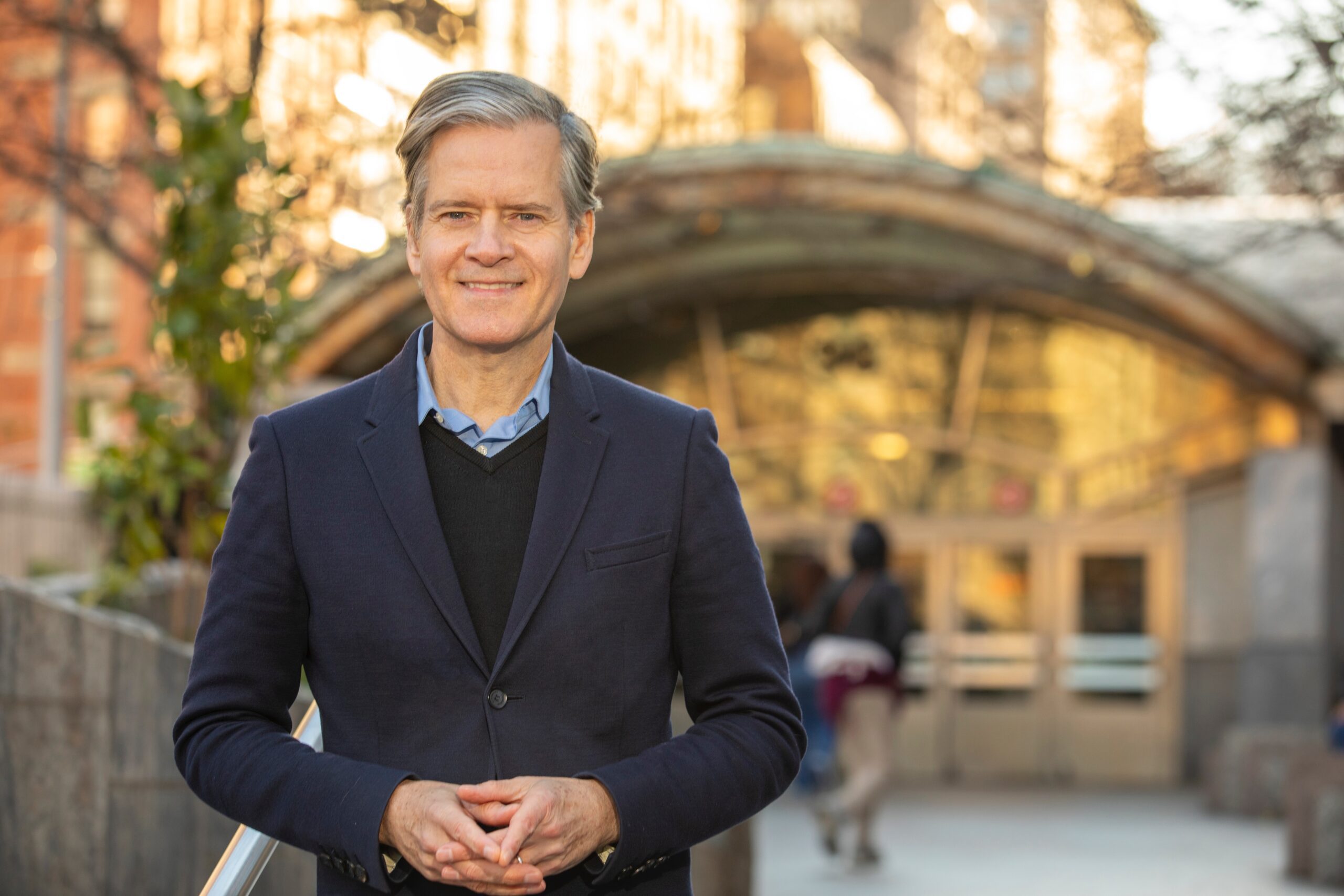
Manhattan Borough President Brad Hoylman-Sigal, who helped organize a protest flag-raising after the February removal, celebrated the outcome in a statement on social media.
“We fought the Trump administration and won,” Hoylman-Sigal wrote, calling the removal an attempt to “erase queer people from American history.”
New York City Mayor Zohran Mamdani described the decision as “a victory for the LGBTQ+ community and for our entire city,” adding that it demonstrated that “New Yorkers won’t let our history be rewritten.”
Still, the resolution leaves some questions unresolved. While the original rainbow Pride flag will return, advocates noted that more inclusive variations, such as the Progress Pride flag, were not included in the agreement.
Activist Steven Love Menendez said he welcomed the outcome but hopes for broader recognition in the future.
“I look forward to the day when the flag display can be restored to its original intent that allows all iterations of LGBTQ+ flags to fly,” he said. “Until then, at least we have the original rainbow flag flying to serve as a beacon of light.”
The dispute over the Pride flag unfolded alongside broader actions by the Trump administration targeting diversity, equity, and inclusion initiatives. In recent months, references to transgender people were removed from Stonewall monument materials, and federal agencies have been directed to review public-facing content deemed “divisive or partisan.”
Against that backdrop, the flag’s restoration resonates beyond the park’s 7.7 acres.
For many, it is a reminder that history is not only preserved in plaques and archives, but in the symbols that remain visible, contested, and alive in public space.
SaintTreyW
Oct 9
3 mins read
 Zuri Pryor-Graves
Oct 2
5 mins read
Zuri Pryor-Graves
Oct 2
5 mins read

SaintTreyW
Sep 30
7 mins read
SaintTreyW
Sep 30
3 mins read

Gaye Magazine® is part of Gaye Media, Inc.© 2026 Gaye Media, Inc. All Rights Reserved.