


 Brandon
Aug 6
8 mins read
Brandon
Aug 6
8 mins read
The organization’s roots date back to 1977, when it was founded as the Gay Community Center of Baltimore (GCCB) at 2745 N Calvert Street. The center officially opened the following year in a modest basement suite, quickly establishing itself as a multi-use community resource. The GCCB housed a men’s STD screening clinic, counseling services, meeting space for community organizations, and production offices for The Baltimore Gay Paper.
Through community-led fundraising efforts, the GCCB acquired its own building at 241 West Chase Street in 1980, providing a permanent home for its rapidly growing services.
The space and its mission were rooted in community, but in its early years the center primarily reflected the needs of white gay men. After women within the community pushed for greater representation and inclusion, the organization changed its name to the Gay and Lesbian Community Center of Baltimore (GLCCB) in 1985.
Throughout the 1980s and 1990s, the HIV/AIDS epidemic ravaged the nation and disproportionately affected LGBTQ+ communities. The GLCCB became an essential resource, providing direct medical care, support services, and a safe place for people navigating unprecedented loss and ongoing systemic oppression. In many ways, the organization expanded on the same community-centered services it had been providing since its founding.
By 2000, the organization became known as The Gay, Lesbian, Bisexual, Transgender Community Center of Baltimore (GLBTCCB). Now entering the 21st century, as the organization continued to grow, so did its understanding of the communities it served. The name change reflected a commitment to inclusion, recognizing lesbian, bisexual, and transgender people. Later on, the organization also embraced the term “sexual and gender minorities”, believing that the acronym “LGBTQIA+” label did not fully reflect the spectrum of the people it served.
In 2019, the GLBTCCB rebranded as The Pride Center of Maryland (PCOM). Today, the storied community center is located on Saint Paul Street in the heart of downtown Baltimore, continuing its mission of serving “sexuality and gender-diverse communities”.
Today, the PCOM serves as a leading statewide community resource, offering a diverse range of free, community-driven programs and services for LGBTQIA+/same-gender loving communities across Maryland. From dance workshops and self-defense classes to its community fridge and numerous health, wellness, and advocacy initiatives, the PCOM continues to provide life-changing and, in many cases, life-saving support.
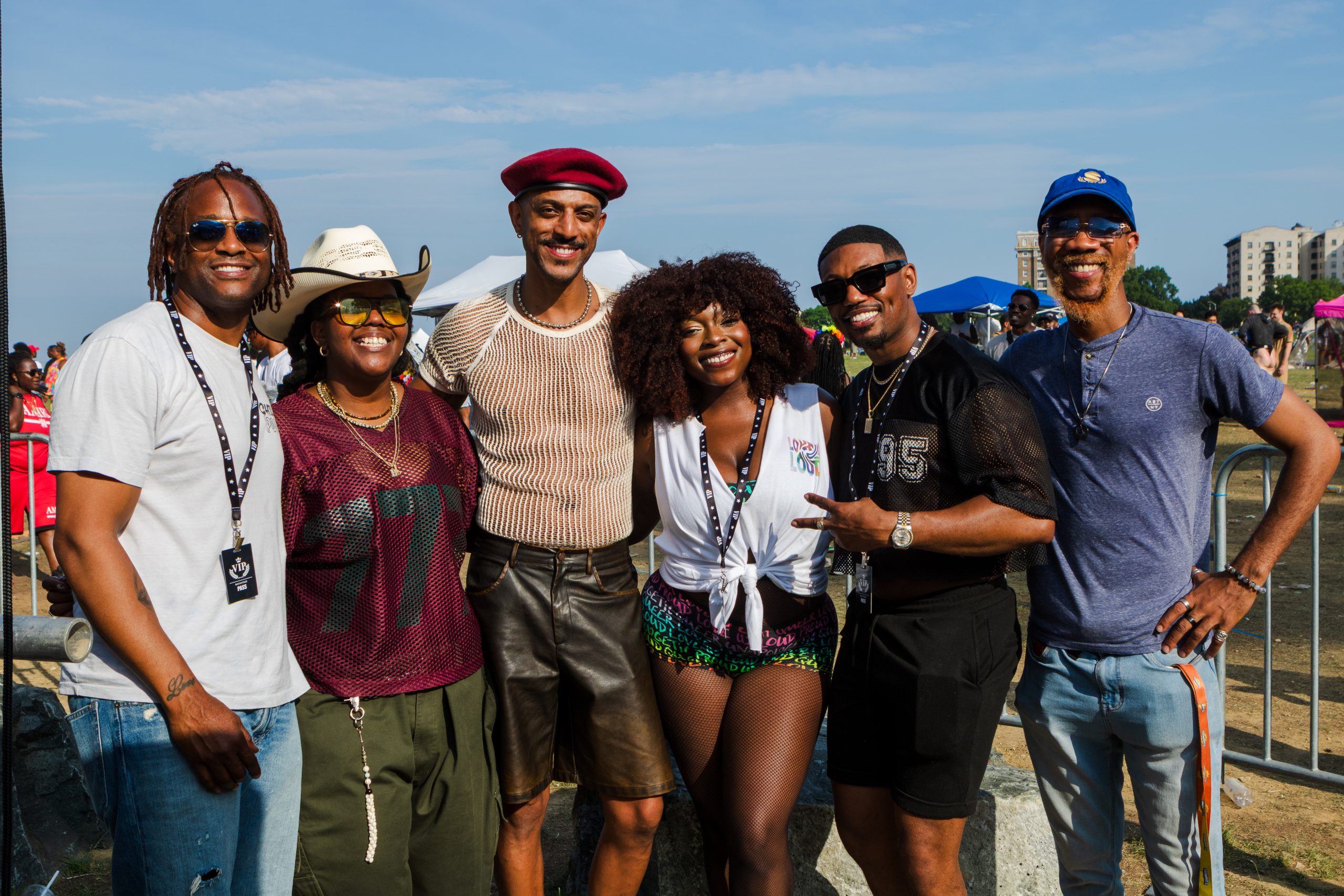
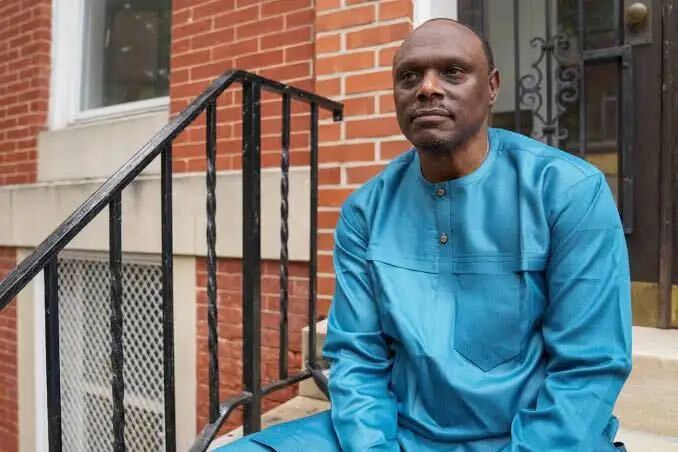
Much of the organization’s growth in the past five years occurred under the leadership of Dr. Cleo Manago, CEO of The Pride Center of Maryland. A renowned educator and social architect, Dr. Manago has spent more than 40 years advancing culturally grounded liberation work for Black communities, including LGBTQIA+/same gender loving communities. Drawing on decades of leadership, cultural analysis, and community partnerships, Dr. Manago has helped transform the PCOM from an ailing organization into the statewide force it is today.
As a testament to that growth, the PCOM recently led a record-breaking 2026 Baltimore Pride, bringing in more than 300,000 attendees and solidified the organization’s role as the organizers behind Maryland’s largest cultural event.
Gaye Magazine had the opportunity to speak with Dr. Manago about his role as CEO, the evolution of the Pride Center of Maryland, and his vision for the organization’s future.
Define the term “social architect” and what that role looks like in practice?
“Changing, creating institutions, language, perspectives, ideas, concepts that weren’t there before that need to be constructed.”
“I’m creating for us. My work is for the collective. I happen to be a same gender loving Black man, so whatever I do would benefit me as well, but it’s really not about me. It’s about creating space that affirms us that was not there before.”
Tell us about your personal and professional journey that led you to become the CEO of the Pride Center of Maryland?
“I didn’t intend to be the CEO of The Pride Center of Maryland. If you were to ask me in 2018, when they first asked me, I would have said no. The reason I said no is because, given my politics, ideations, and perspective, I was not interested in an organization that only focused on so called LGBTQ+/SGL people. I don’t mind being involved in an organization that explicitly affirms, includes, and supports that population. My scope goes beyond sexuality. It includes the whole family with intentional affirmation of us.”
“If we don’t want to be treated like freaks and something strange, we have to be engaged with our community. We have to be a part of the flow of Black life and human life. If we just go somewhere on an island, we’re acting like we’re not normal, that we are freaks of nature, that we are not part of a family, and it’s been my work from the very beginning to be affirmed and to make up for the lack of support and affirmation and build that in whatever I was doing from a retroactive standpoint.”
“In 2020, The Pride Center of Maryland came to the end of a five-year grant, and the people who had to lead the organization did not have the skills or capability to do sustainability work and keep the organization funded after that grant was ending. I was asked to help the organization not close, get it out of debt, and to sustain it because it was on the verge of closure because of bad management.”
“The reason I took the job, as an interim consultant at the time, because being that this organization was historically white and finally had some Black leadership; I didn’t want it to be closed under Black leadership, because that would have been a horrible legacy on this community if that would have happened.”
“Having been around as a consultant, to take The Pride Center of Maryland out of debt, to develop it, improve it, and make it more of a robust, functional, professional corporation. I did it. Now it’s a multimillion-dollar organization, no longer in the red, but truly in the black.”
You’re known for challenging and deconstructing what you view as Eurocentric terms and labels, such as “activism”, “gay”, and “queer”. In 2012, a Huffington Post headline even referred to you as ‘the Most Dangerous Black Gay Man.’ How do you respond to having sharp and informed views that may be considered “radical” to mainstream LGBTQIA+ movements?
“As far as I’m concerned, it’s radical to attempt to silence human beings and marginalize and abuse human beings for being who they are. That’s radical to the human spirit. I think what I’m doing is really more natural.”
“To people who are racist, or conflicted about the existence of the humanity of same gender loving people, trans, gender nuanced people, etc.. I’m not going to treat them as if they’re right and be silent in the midst of their ignorance and their abuse.”
“That is why terminology and language, including same gender loving, are intentional. We have to be intentional too. We can’t keep letting white people determine who we are. We have to learn to love ourselves in our own image, because it has results. That’s why the “mainstream gay community” is so powerful, because they are affirming themselves in their own image even if it’s hurting someone else.”
“That’s a war on Black-affirming agenda and intentionality which I embody. It’s the war that’s radical. Not me.”
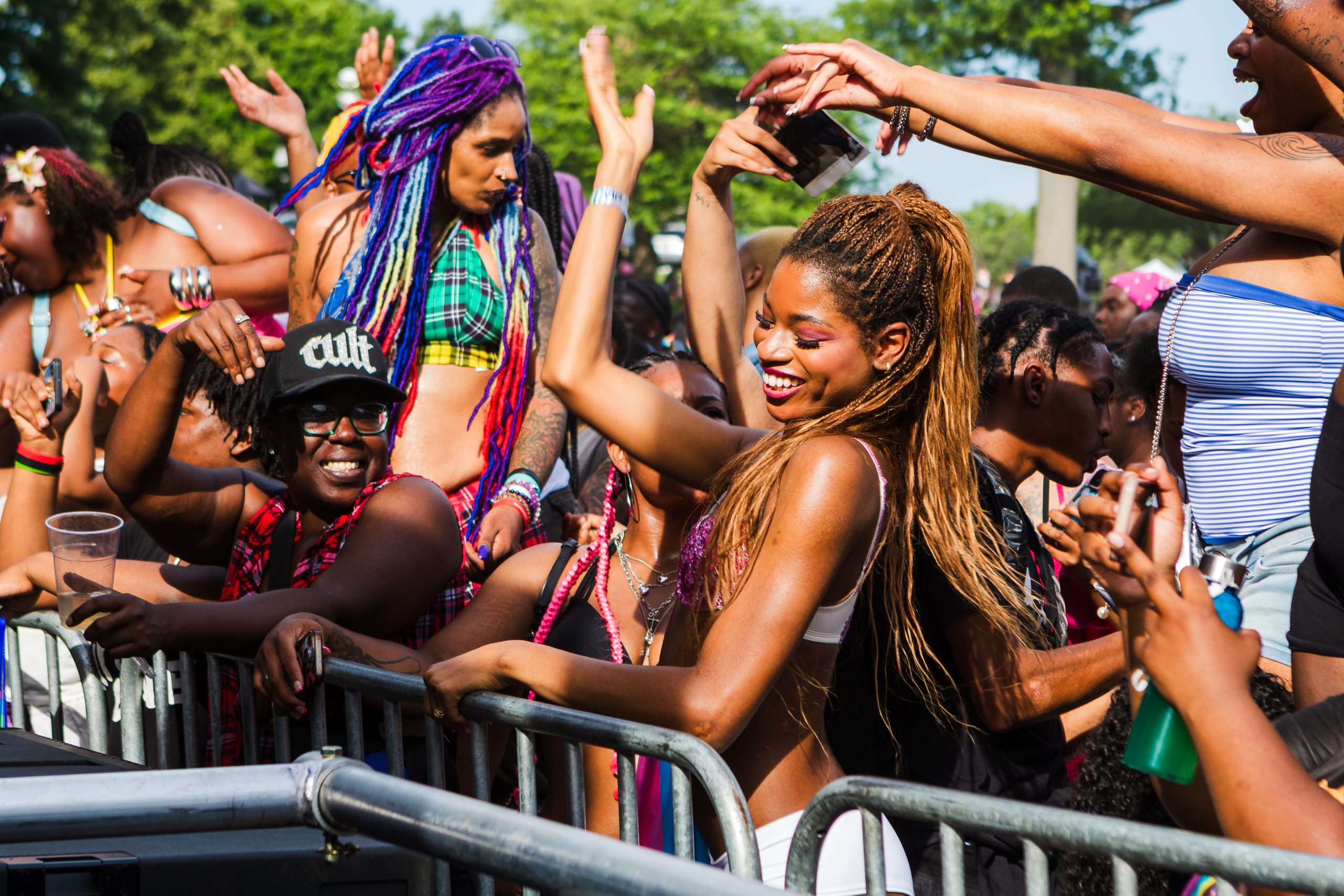
Gaye recently covered a story on the Center for Black Equity’s Save Black Prides campaign, which outlines the ongoing financial hurdles and severe lack of funding Black Prides face to continue; some of them have even postponed or cancelled their Prides. Can you relate to these challenges? Why is it important for sponsors and brands to continue to support Black Prides across the country?
“The reason Black Prides exist is that the mainstream/white Pride was discriminatory and didn’t create affirming, welcoming, and respectful space. So to try to have our own space, some of us created a Black space, so we could be acknowledged and have some place to go.”
“Ironically, in Baltimore, the Pride Festival used to be called “mainstream Pride”. But this one is led by Black people, so it’s different. It’s the only statewide agency run by Black people in the whole country that runs the major Pride festival of the state.”
“I think the Black Pride festivals need more substance. They are parties, and they are not transformational or social change events. When the so called mainstream white gay community has a Pride Festival, they’re raising resources for power. They’re raising resources to have marriage equality, to resolve the HIV/AIDS epidemic among whites, to deal with gays in the military, and more recently to push transgender issues in the center of society.”
“I believe in having a party and having a good time. We’ve been hurt and repressed, and some of this party is an escape, and we want to enjoy and have a good time, so I get it. But I think Black people can’t afford to just have a party. Have a party and simultaneously build revenue and resources to be a powerful community.”
“I don’t want to imply that Black Prides shouldn’t exist; I think they should have more substance, and typically they don’t. If the Black Prides want more support, they have to inspire the communities where they are to be more supportive of it. To be more supportive of it, they have to have substance and be more business savvy.”
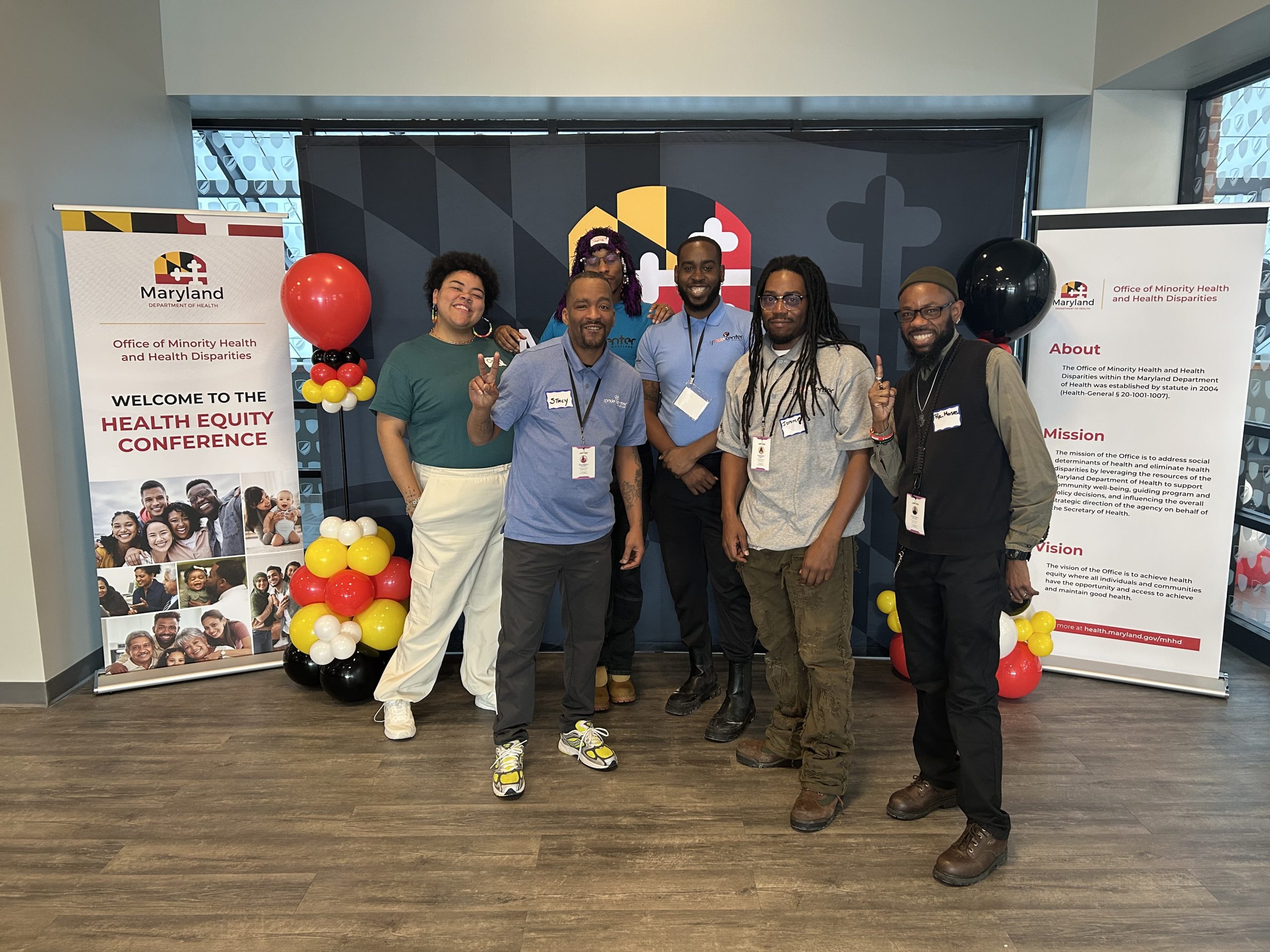
The Pride Center embraces all types of people. What ways has the Pride Center of Maryland fostered a strong relationship with the Black trans community?
“The Pride Center of Maryland has always served, hired, and empowered trans people, including Black trans people. Over half of the population that the organization has served is people from the trans community. Trans inclusion, trans affirmation, the embracing of trans people, trans people being involved and making decisions and influencing things has always been a norm at this organization, even before I came. It’s intrinsic, it’s foundational, it’s not just a relationship, it’s part of the fabric of the organization. From the board to the staff to the volunteers. It always has been. There is no schism or conflict at all with that community.”
What are your top 3 goals for the Pride Center of Maryland in the future?
“Help to make sure the organization is foundationally strong enough for when I do leave, it doesn’t relapse into being another mainstream white gay paradigm or culture that remarginalizes Black autonomy and cultural affirmation and becomes multicultural whiteness. I don’t want it to relapse back into that norm that’s part of the LGBT phenomenon, that everything is centered around the affirmation and accommodation of whiteness.”
“I hope the organization continues to grow. It’s right now the largest organization of its kind in the state and the conveners of the largest Pride festival in the state. I hope I leave a strong enough foot imprint that it doesn’t compromise or relapse into the norm. I hope that whoever takes my place in this role is actively considerate of the spectrum of human beings and what they face, including Black people and advocates for issues and resistors to issues that hurt us along with the rest of our family when it comes to same gender loving, LGBTQ+, gender nuance, etc…human beings in the country.”
 Juhi Page
Aug 13
8 mins read
Juhi Page
Aug 13
8 mins read
 SaintTreyW
Aug 5
10 mins read
SaintTreyW
Aug 5
10 mins read
Brandon
Jul 29
5 mins read
SaintTreyW
Apr 22
8 mins read

Gaye Magazine® is part of Gaye Media, Inc.© 2026 Gaye Media, Inc. All Rights Reserved.