


 Ronnie L. Taylor
Jul 2
6 mins read
Ronnie L. Taylor
Jul 2
6 mins read
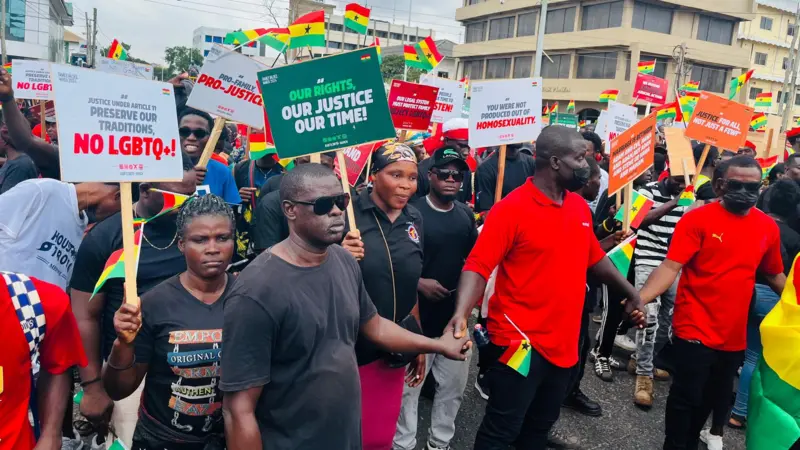
Ghana’s parliament approved the Human Sexual Rights and Family Values Bill on May 29, 2026, by voice vote after the Constitutional and Legal Affairs Committee recommended its passage. The bill is now with President John Dramani Mahama. It will not become law until he signs it, and his office has indicated it will undergo additional legal review first.If Mahama signs it, the bill would impose penalties of up to three years in prison for identifying as lesbian, gay, bisexual, transgender, or queer, and sentences of three to ten years for promoting, sponsoring, or supporting LGBTQ+ activities. It would require citizens to report suspected violations to the police. The bill would also mandate the dissolution of LGBTQ+ organizations within 90 days of signing and ban gender-affirming healthcare.
During this round of amendments, Parliament added exemptions protecting lawyers, journalists, and healthcare workers from prosecution when performing their professional duties related to LGBTQ+ clients. However, teachers are not included in these exemptions: the bill still prescribes six to ten years in prison for anyone who teaches children about LGBTQ+ activities or teaches that more than two genders exist.
This is the bill’s second passage through parliament. A nearly identical version passed in February 2024 under then-President Nana Akufo-Addo but lapsed in January 2025 when the Eighth Parliament dissolved without his signature, following legal challenges. Lawmakers reintroduced it in the Ninth Parliament after Mahama took office, and it passed again on May 29, this time with the new professional exemptions attached.Rights groups and Ghanaian advocates argue that the bill goes far beyond criminalizing same-sex relationships. Human Rights Watch researcher Larissa Kojoué said the legislation “significantly expands criminal sanctions related to same-sex conduct” and warned it could put journalists, teachers, doctors, parents, and civil society actors at risk of prosecution. Ghanaian advocacy group Rightify Ghana has called the bill “an attack on our fundamental human rights,” stating it would remove freedoms of speech and expression, the right to privacy, and rights to healthcare, employment, and housing.
Rightify Ghana is now leading a court challenge, claiming that the bill was passed through its final readings without meeting parliamentary quorum requirements; the group has noted that only about 34 of Ghana’s 276 lawmakers were present in the chamber for the final vote. Ghana’s Commission on Human Rights and Administrative Justice has also warned that the bill infringes on Ghanaians’ fundamental right to association.
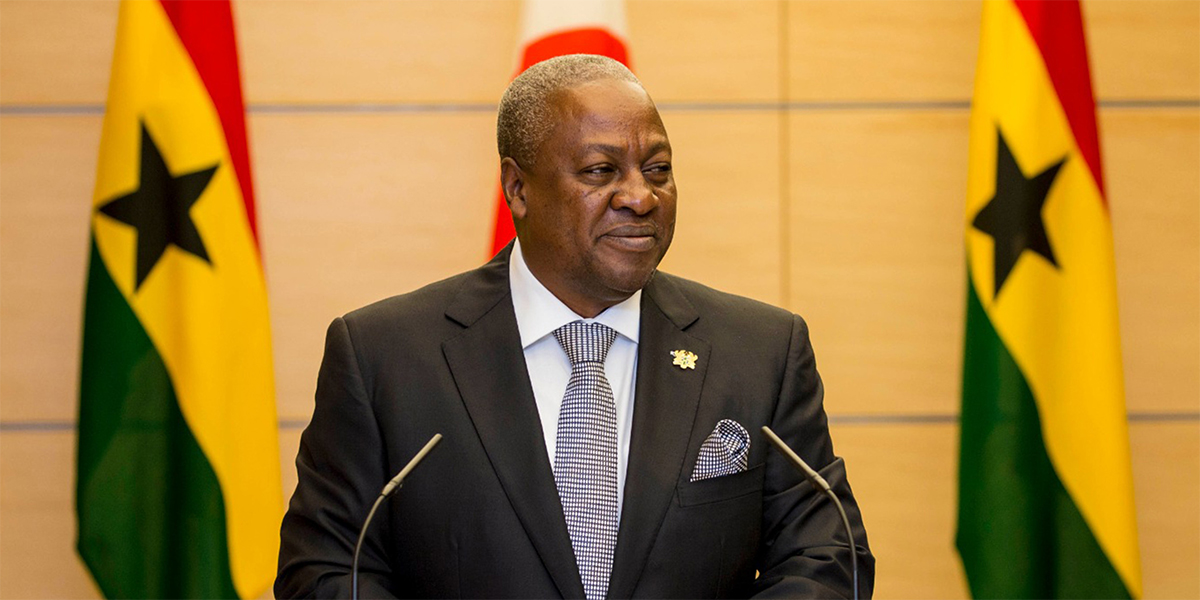
President Mahama, who took office in January 2025, has not yet signed the bill. He has stated he personally believes only two genders exist and that marriage should be recognized only between a man and a woman. Members of his National Democratic Congress had faced sustained pressure from religious leaders to bring the bill to a vote.
However, speaking in the United Kingdom in early June 2026, Mahama said the bill would “undergo scrutiny” before any final decision and that his legal team and the attorney general would review it because it originated as a private member’s bill rather than a government-sponsored one, which under Ghana’s constitutional process requires additional review. Majority Leader Mahama Ayariga has said the bill’s passage fulfilled “a promise that was made” and predicted the president would give it express assent.By March 2026, after Lincoln University in Pennsylvania canceled plans to award Mahama an honorary doctorate over the legislation, Mahama reportedly told civil society groups that the bill was not a government priority. Parliament moved forward with it regardless.Ghanaian LGBTQ+ organizers say the human toll is already evident, regardless of what Mahama ultimately chooses. Ebenezer Peegah of Rightify Ghana said the bill “is very far-reaching: it criminalizes identity; it criminalizes services, including the operations of civil society groups and doctors providing care to the LGBTQ community.”
Leila Lariba, director of One Love Sisters Ghana, said community members are already removing their online presence out of fear of exposure under the bill’s reporting requirements. Trans organizer Va-Bene Elikem Fiatsi described the bill’s reintroduction as disheartening and difficult to accept, while emphasizing that advocacy will continue. Queer rights activist Angel Maxine, whose image became one of the iconic photos of the “Kill the Bill” movement in Accra, has also continued speaking out.International groups have echoed those calls. ILGA and Pan Africa ILGA have urged Mahama to withhold his approval, and the International Planned Parenthood Federation Africa Region has called the bill “the criminalization of identity and solidarity,” urging him to reject it completely. TIERs, the Nigerian LGBTQ+ advocacy group, has called on people across the region and the diaspora to make noise while the president still has a decision to make.Ghana’s bill reflects a broader regional trend, but the extent of outside involvement in shaping it is, according to advocates, the most notable part of this story. More than 30 of Africa’s 54 countries already criminalize same-sex relationships, according to ILGA World. Uganda, Mauritania, and Somalia impose the death penalty. Senegal recently doubled its maximum sentence to ten years, and Burkina Faso is considering similar legislation.That pattern is not accidental. Ghana hosted the 4th African Inter-Parliamentary Conference on Family Values and Sovereignty in Accra from June 3 to 6, 2026, just days after the bill’s passage. Rightify Ghana has called the gathering “an anti-rights gathering organized to dismantle and attack women’s rights, LGBTQI+ rights, and Sexual and Reproductive Health and Rights.” Previous editions of the conference have featured speakers promoting Uganda’s Anti-Homosexuality Act as a model for the rest of the continent.
That figure is worth considering. According to that report, these laws are not just the result of local politics. They are also influenced by organized, well-funded campaigns that cross borders and specifically target Black and African queer communities. Some of the same lawmakers who call the bill a defense of African values have attended conferences in Utah hosted by American conservative organizations.
Public opinion within Ghana is more divided than bill supporters have claimed. Rightify Ghana cited polling shown on Channel One TV’s “The Big Issue,” indicating that the Upper West Region was the only part of the country where a majority opposed the bill, while support was observed elsewhere, with nearly one in three Ghanaians overall opposed. That finding challenges repeated claims by bill sponsor MP John Ntim Fordjour that more than 90 percent of Ghanaians support the legislation.
 SaintTreyW
Sep 25
6 mins read
SaintTreyW
Sep 25
6 mins read
SaintTreyW
Sep 17
5 mins read
SaintTreyW
Sep 16
7 mins read
Anders Hare
Sep 1
3 mins read

Gaye Magazine® is part of Gaye Media, Inc.© 2026 Gaye Media, Inc. All Rights Reserved.