


 Anders Hare
Nov 16
3 mins read

Television audiences are tuning in for queer love stories, celebrating LGBTQ-led dramas and embracing characters who reflect their identities. But despite the success of these shows, LGBTQ representation on television is moving in the opposite direction.
A GLAAD study found that LGBTQ representation declined nearly 25% during the 2025-26 television season, raising concerns about the industry’s commitment to inclusive storytelling.
Released Nov. 12, the 2025-2026 Where We Are on TV study counted 369 LGBTQ regular and recurring characters across scripted broadcast, cable and select streaming programs between June 1, 2025, and May 31, 2026. That represents a loss of 120 characters from the 489 counted during the previous reporting period.
Here are five major findings from the report.
LGBTQ representation dropped nearly 25% in one year
The decline affected broadcast, cable and streaming, with streaming platforms losing the most characters. Streaming accounted for 75% of all LGBTQ characters counted, but lost 96 characters compared with the previous season.
Programs featured in the report include Netflix’s “Stranger Things” and “Hazbin Hotel,” as well as Apple TV’s Pluribus and HBO Max’s Heated Rivalry.
Transgender representation plunged nearly 80%
Transgender representation experienced one of the steepest declines. GLAAD reported a 79% decrease in transgender characters compared with the previous season.
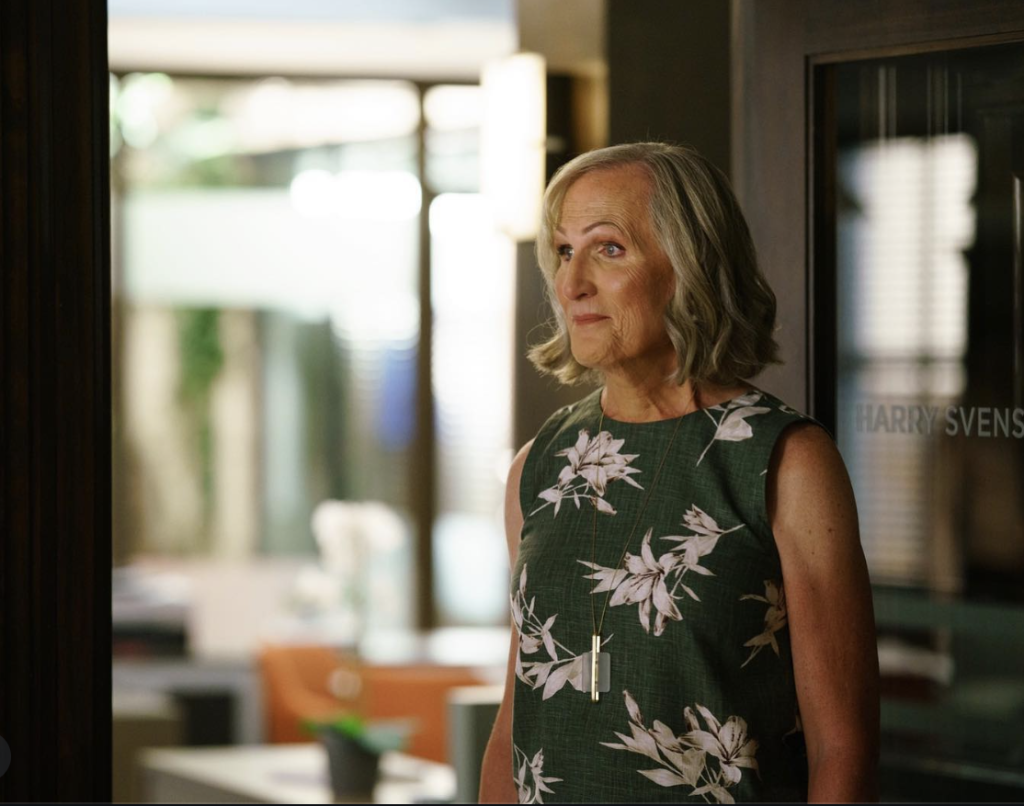
The study counted seven transgender characters across television, compared to 33 tracked for the 2024-25 season.
The findings highlight the continued lack of opportunities for transgender characters, including transgender people of color, to have sustained visibility on television.
Black LGBTQ representation fell to 14%
One of the report’s most significant findings was the decline in Black LGBTQ characters.
Of the 369 LGBTQ characters counted, just 52 were Black. That represents a loss of 32 characters from the previous season. Two years ago, Black characters accounted for 20% of all LGBTQ characters.
The decline was especially apparent on streaming, where Black characters represented 13% of LGBTQ representation, down from 17%. Broadcast representation fell from 26% to 22%, while cable was the only platform to record an increase, rising from 14% to 21%.
GLAAD highlighted several Black LGBTQ characters whose stories reached their final seasons, including Marcus in HBO Max’s “Hacks,” Darren in Netflix’s “Heartbreak High” and Ashley Banks in Peacock’s “Bel-Air.”
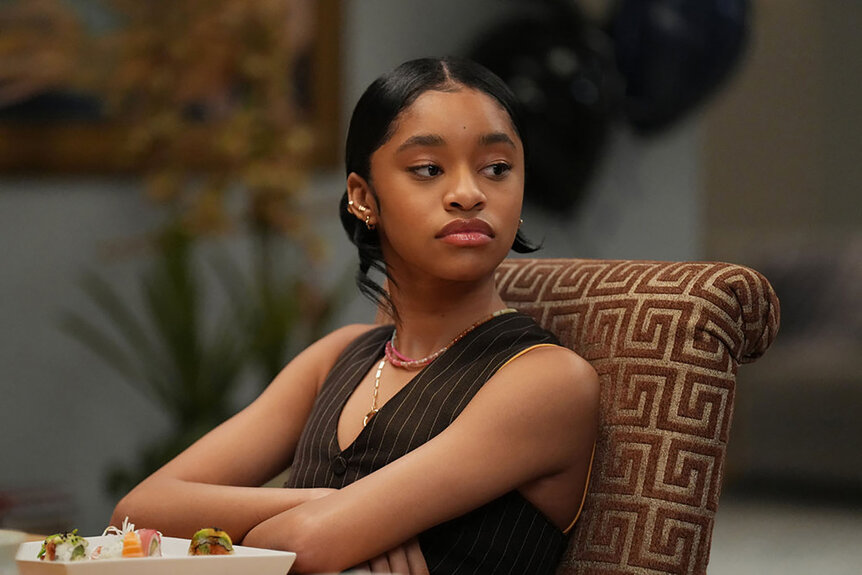
Characters expected to return include Hen and Karen in ABC’s “9-1-1,” Dr. Tara Lewis in “Criminal Minds: Evolution” and Kendra in Netflix’s “Long Story Short.”
LGBTQ-led programs continue to demonstrate audience demand
Despite the decline, several LGBTQ-inclusive programs have attracted significant audiences.
HBO Max’s “Heated Rivalry,” which follows the relationship between two professional hockey players, saw its streaming audience grow tenfold between its premiere and finale. Apple TV’s “Pluribus,” featuring a lesbian protagonist, became the platform’s most-watched original series in the United States.
Netflix’s “The Hunting Wives,” which features a relationship between two women, also doubled its viewership during its second week of release.
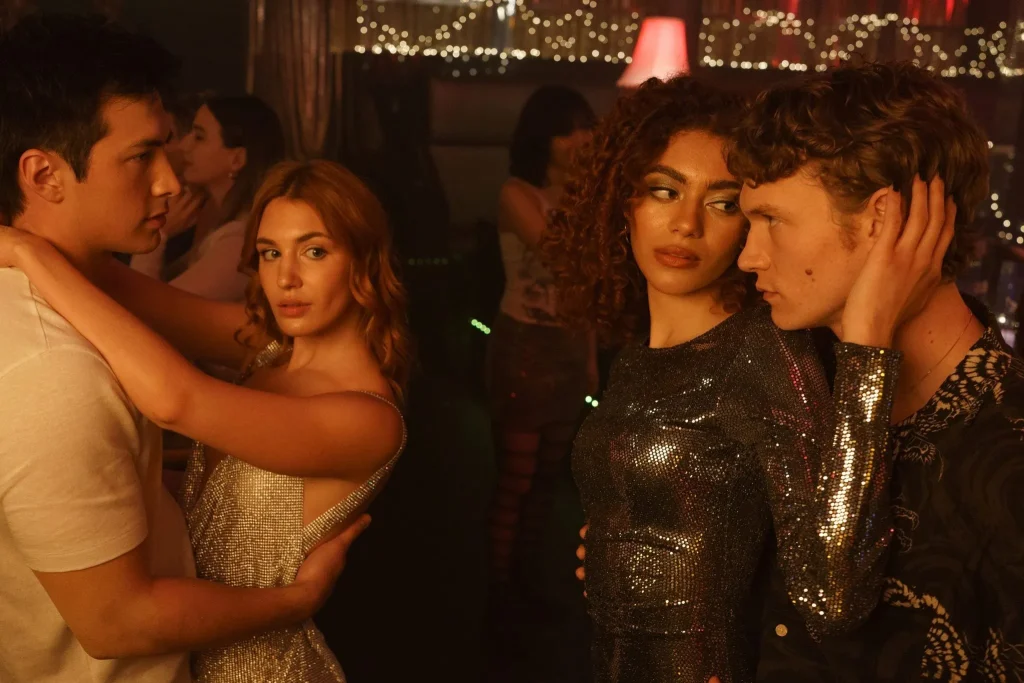
For Black LGBTQ audiences, the success and visibility of characters in programs such as “Bel-Air” and “Hacks” demonstrate the importance of stories that reflect intersecting identities.
Younger audiences still want LGBTQ stories
GLAAD’s findings suggest declining representation does not reflect a lack of audience interest.
Nearly one in four Gen Z adults ages 18-29 identifies as LGBTQ, according to research cited in the report. Additionally, 58% of Gen Z respondents said increasing authentic LGBTQ representation in television and film is important to them.
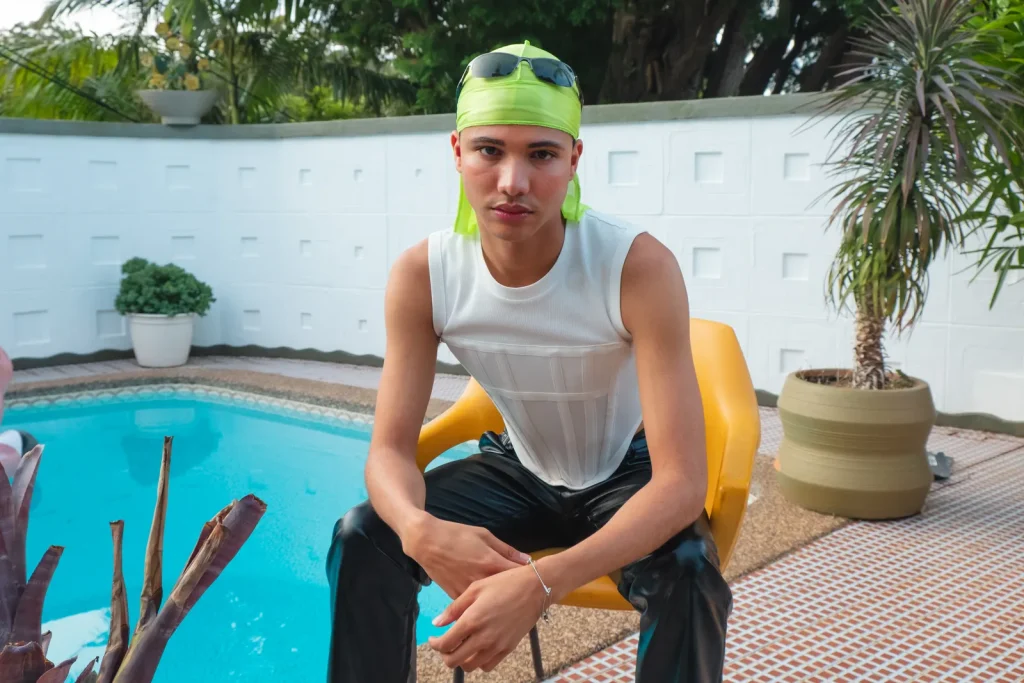
Gen Z audiences are also 61% more likely than the general population to discuss television shows on social media, making them an influential audience for LGBTQ-inclusive programming.
GLAAD President and CEO Sarah Kate Ellis urged television networks and streaming platforms to invest in authentic LGBTQ stories and give inclusive programs the opportunity to grow their audiences.
Anders Hare
Nov 11
2 mins read
William Dolliole-Thompson II
Aug 11
6 mins read
 Brandon
Aug 6
8 mins read
 Mykel Hilliard
Aug 4
3 mins read

Gaye Magazine® is part of Gaye Media, Inc.© 2026 Gaye Media, Inc. All Rights Reserved.