


 Anders Hare
Jul 16
7 mins read
Anders Hare
Jul 16
7 mins read
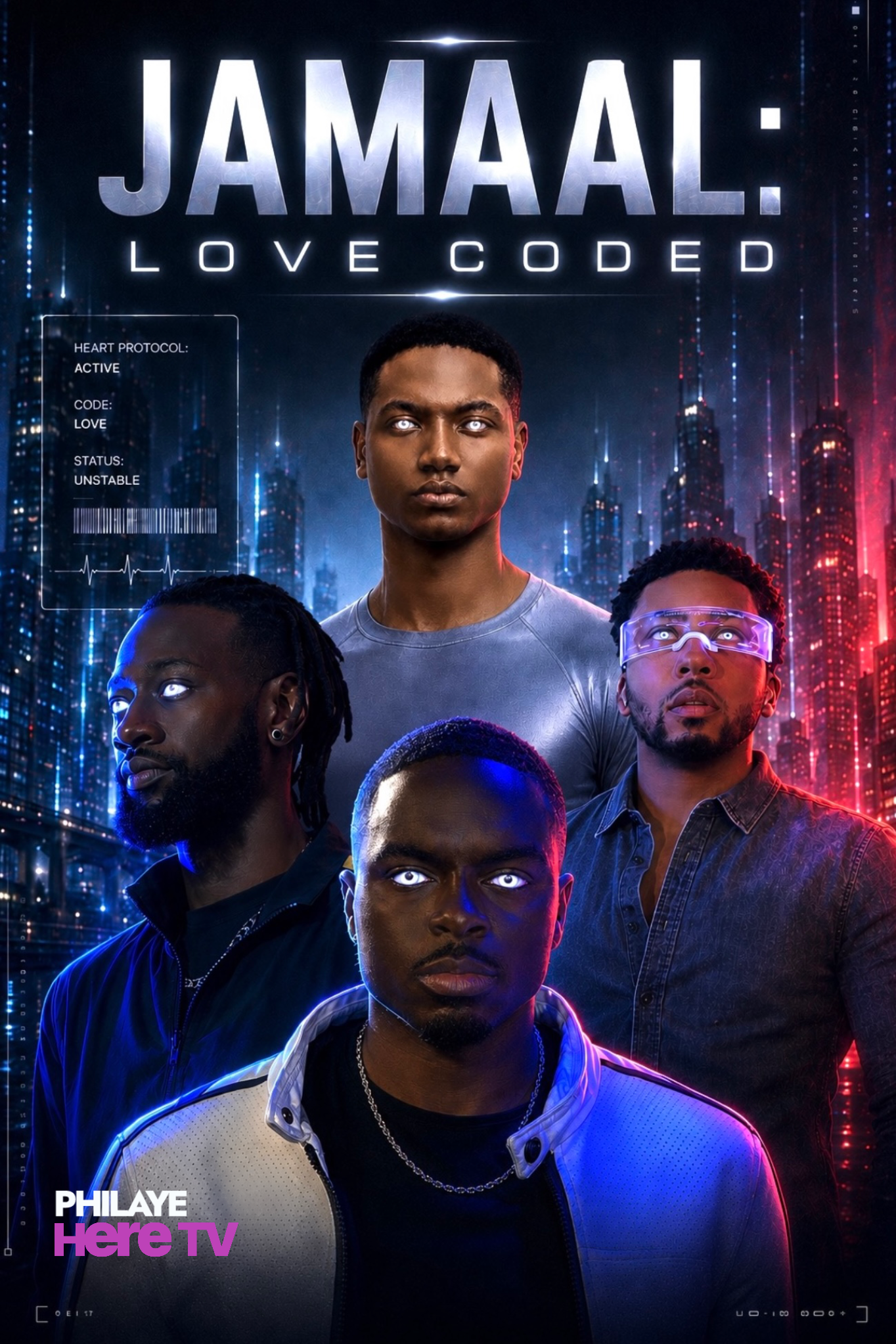
A new science fiction anthology series exploring the intersection of artificial intelligence and Black Queer dating premieres this month, marking a unique entry in the genre.
“Jamaal: Love Coded,” produced and created by Philip Johnson’s production company Philaye Films in partnership with Here TV, debuts July 17 on the LGBTQ+ focused streamer. The series will also be available on Prime Video, Hulu, and additional cable platforms, with a special Los Angeles premiere screening taking place the same day.
The anthology series explores the intersection of futuristic AI innovations and Black gay dating, with Season 1 bringing audiences four 22-minute episodes. Each episode follows a completely different plot, exploring different nuances of futuristic technology.
For Johnson, the series’ futuristic premise is ultimately in service of a deeply human message.
“I hope viewers walk away from the series with the feeling that there are no bounds for us as Black LGBTQ+ individuals in this world,” creator Philip Johnson exclusively tells Gaye Magazine.
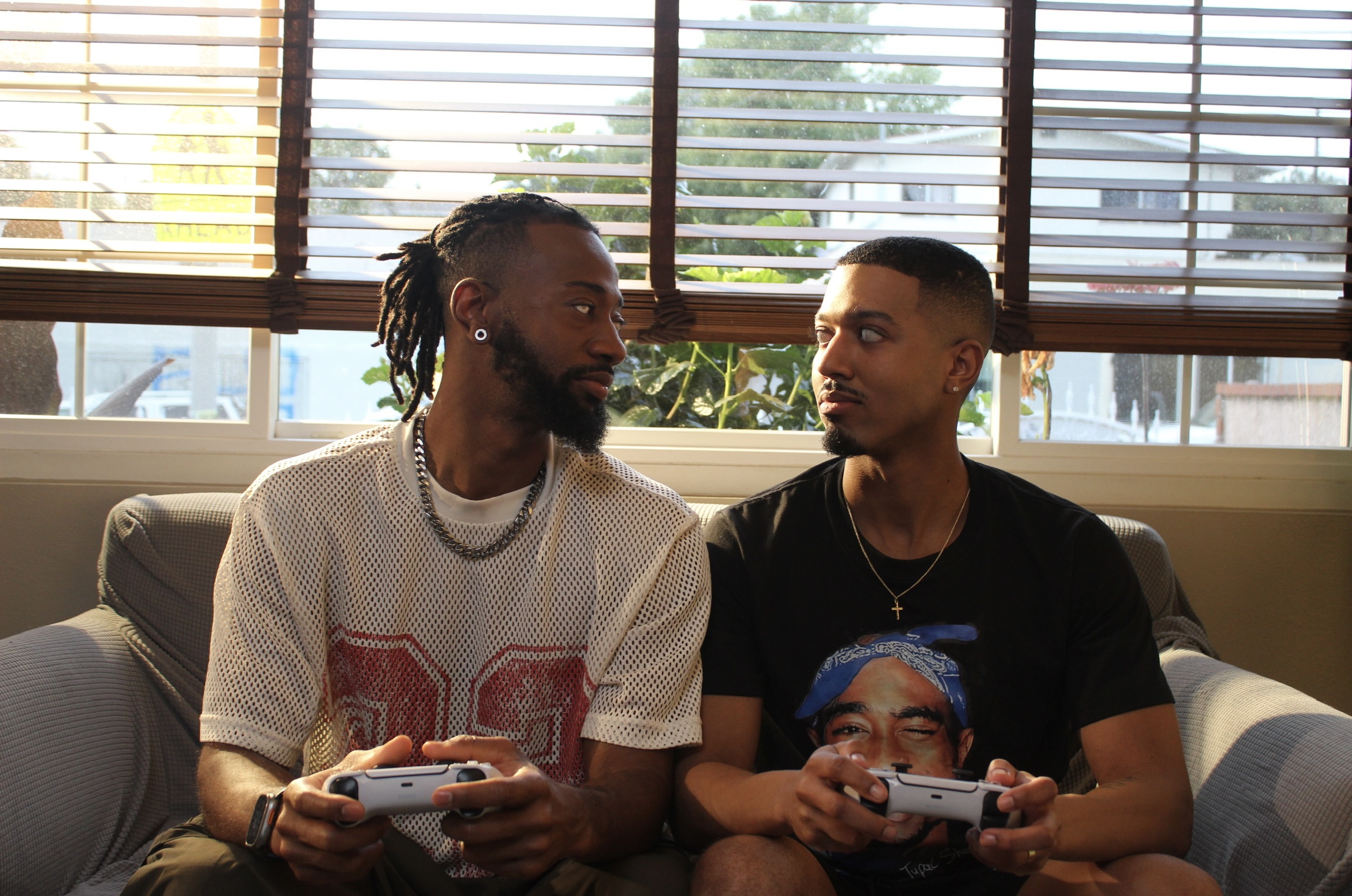
“We can dare to dream/love as boldly and creatively as our hearts desire. There are a million ways to express love. I hope these humanoids make viewers sit and think about their own romantic practices, feelings and experiences. Sure, we aren’t humanoids; however, the metaphors in the show can resonate deeply with daters of all varieties. I want this show to be futuristic escapism with underlying relatable messages in love,” Johnson said.
The premise of the show is derived from “Jamaal,” a 2024 short film about a friendly AI android robot brought into a couple’s home. That film won an award from the AI International Film Festival. Johnson wrote, directed and produced the original short, which also starred Matthew Jennings.
Ahead of its streaming debut, the series has been building buzz on the festival circuit. Individual episodes screened at the Frolic Weekend Film Festival and the Black Alphabet Film Festival in Houston on June 27, according to the production team. Another episode is scheduled to screen at Detroit’s Hotter Than July Film Festival on July 24, with additional festival appearances in other cities expected to follow.
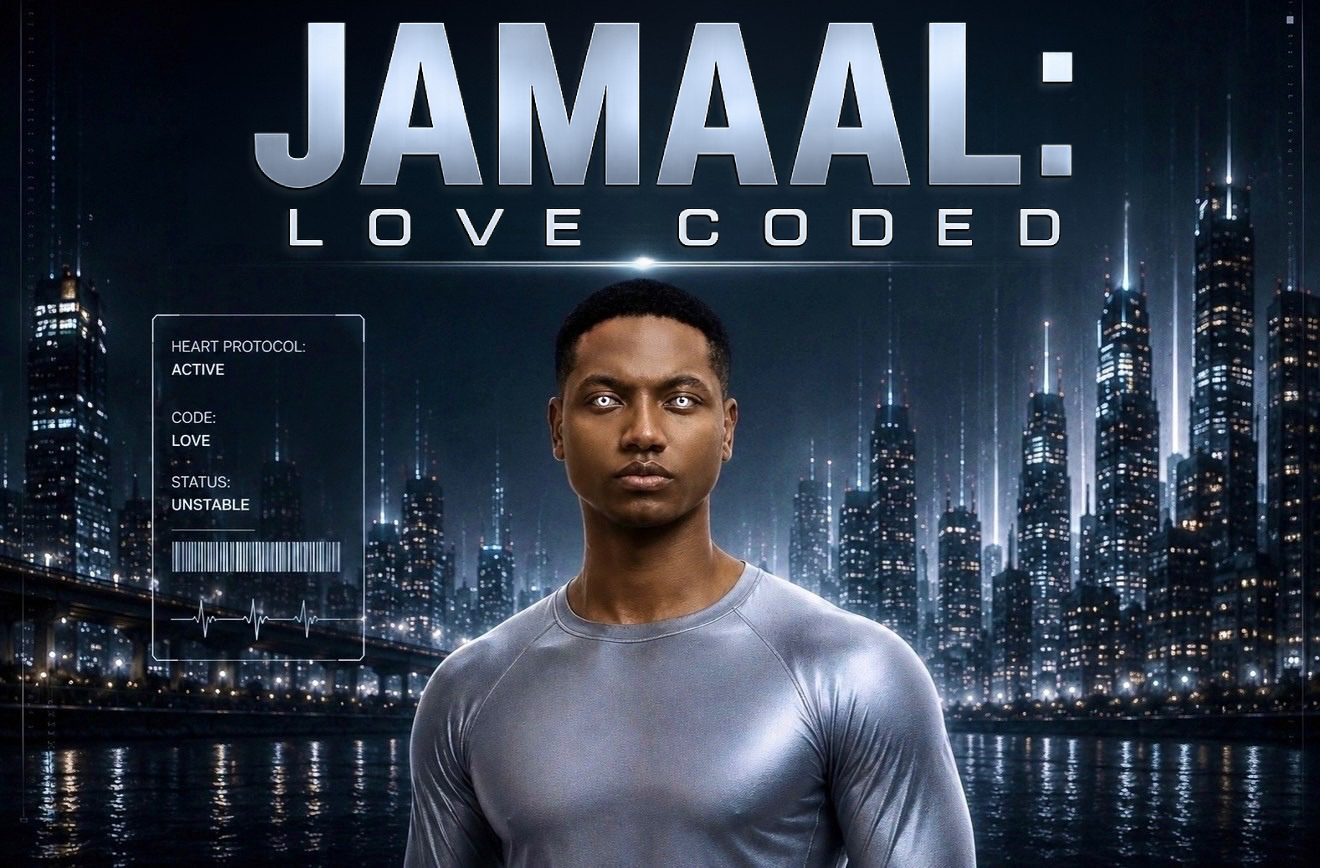
What sets “Jamaal: Love Coded” apart, according to its creators, is its explicit focus on Black queer romance as the lens through which it examines emerging technology. While science fiction anthologies have long used speculative premises to interrogate human relationships, “Black Mirror” being the most prevalent example, few, if any, have centered that exploration specifically on Black LGBTQ dating and intimacy. By pairing android companionship, AI-driven matchmaking and other speculative tech with the everyday realities of grief, mental health and love languages, the series positions itself at a rarely explored intersection of identity and innovation.
The show’s anthology format allows each episode to stand alone, giving writers room to test different tones and technological premises from week to week, a structure that mirrors the flexibility “Black Mirror” popularized while redirecting the genre’s gaze toward stories not often centered in mainstream science fiction.
Producer TJ Bledsoe said that intentionality is at the heart of the series’ vision, sharing, “I’d like the future of human life to look back at my projects and see what the world actually looks like.”
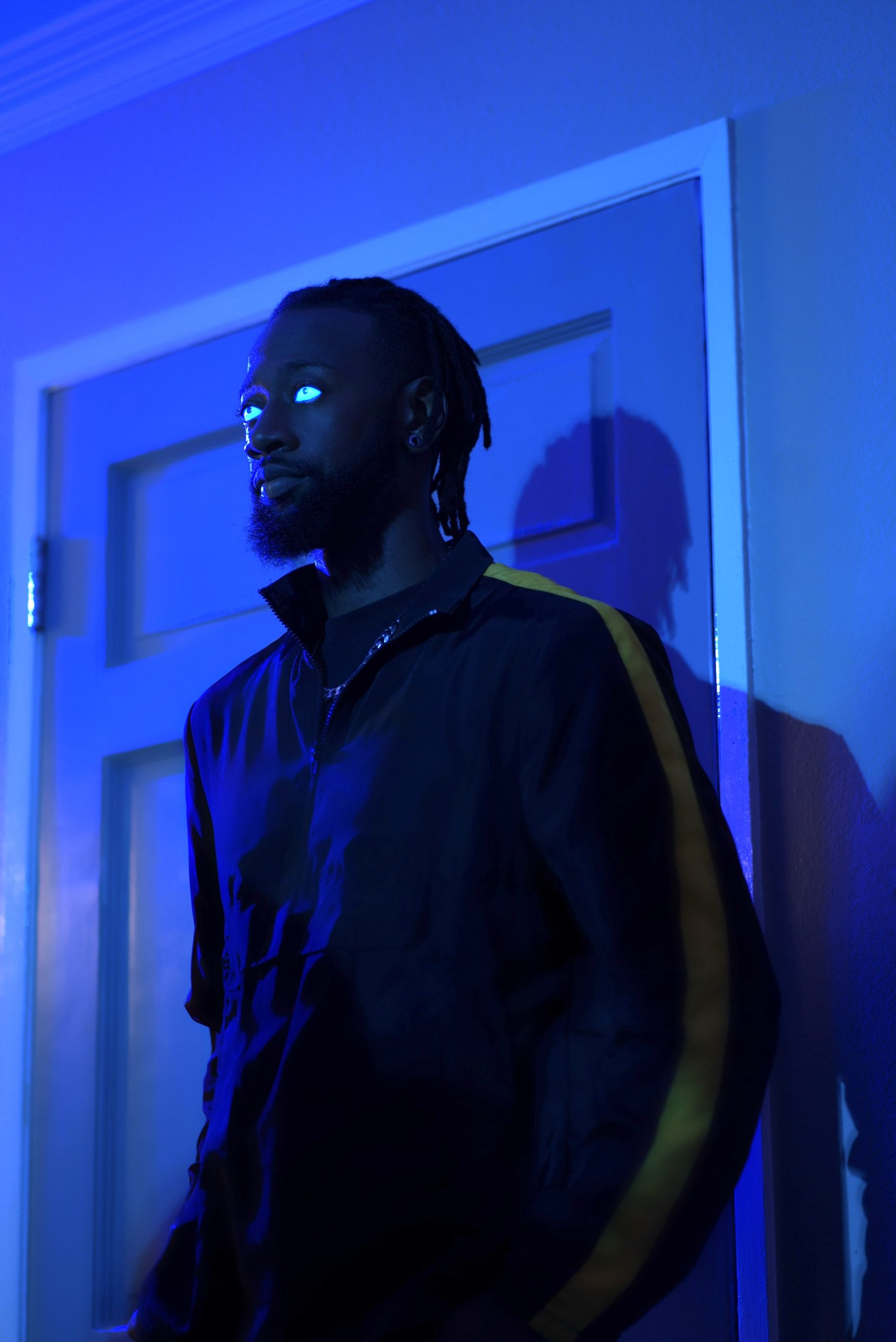
We asked Johnson what inspired the premise of Jamaal: Love Coded, and why was this the story he wanted to tell, given that the intersection of sci-fi and Black queer love has rarely been explored at this level in mainstream media.
“I have loved the Science Fiction genre since my childhood days of reading Sci-Fi books and watching movies like iRobot. I’ve always been in love with the imagination and fantasy worlds that Sci-Fi allows as a genre. When I became a filmmaker in 2019, I set my goal of creating in the Sci-Fi space.”
Johnson continued, “The concept of “Jamaal: Love Coded” came from me wanting to bridge my love of Sci-Fi with the Black queer TV/film space, in a way that felt fictional yet uniquely relatable for viewers. AI is the hottest topic in the science space right now, so I figured incorporating it into a Black queer love story would be intriguing for audiences.”
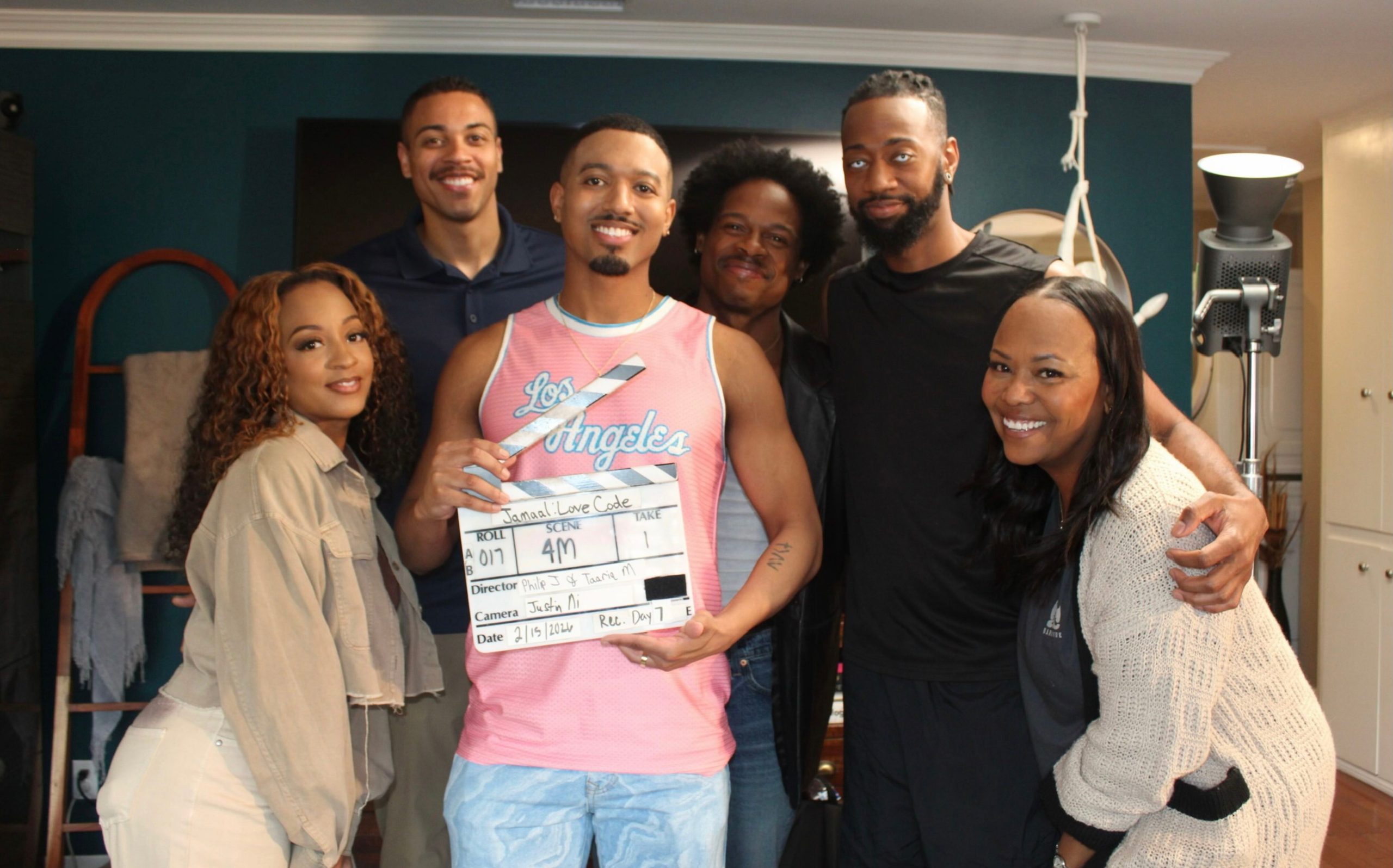
 Jamaal: Love Coded” enters a television landscape with a limited but significant lineage of Black queer storytelling. “Noah’s Arc,” which aired on Logo from 2005 to 2006, was the first scripted television series to center a group of Black gay men, following four friends navigating careers and relationships in Los Angeles while the series tackled same-sex dating, HIV and AIDS awareness, homophobia and gay bashing. “Pose” later took audiences into the New York City ballroom scene of the 1980s and 1990s, starring Billy Porter, MJ Rodriguez and Dominique Jackson in what the show’s champions have called a door-opening moment for Black transgender performers.
Those series, along with more recent efforts, largely told present-day stories that dive into community, friendship and survival. However, advocates say that lineage remains thin. GLAAD’s 2025 Studio Responsibility Index found that Black LGBTQ characters made up just 17% of the 181 characters analyzed in 2024, down from 33% the year before. “Jamaal: Love Code” positions itself as an extension of that history into new territory, using speculative technology rather than realism to examine Black queer intimacy.
“Jamaal: Love Coded” dares Black queer viewers to imagine themselves in a fantasy cinematic space. While I absolutely love grounded projects about serious issues we face as a community, this show suspends reality to allow the audience to escape into this imaginative world of humanoids while hitting on real topics such as grief, relationship intricacies, mental health, etc.. “Jamaal: Love Coded” gives us as Black queer people the permission to see ourselves in futuristic science fiction scenarios that are typically limited to less marginalized demographics.”
Producer J’Lamar Nichols, adds to that sentiment, sharing with us, “As both a producer of Jamaal: Love Coded and a dating coach, I hope this series gets people talking about something much bigger than technology. At its core, this isn’t a story about humans falling in love with robots—it’s a story about what we’re all searching for: love, connection, acceptance, and the desire to be understood.
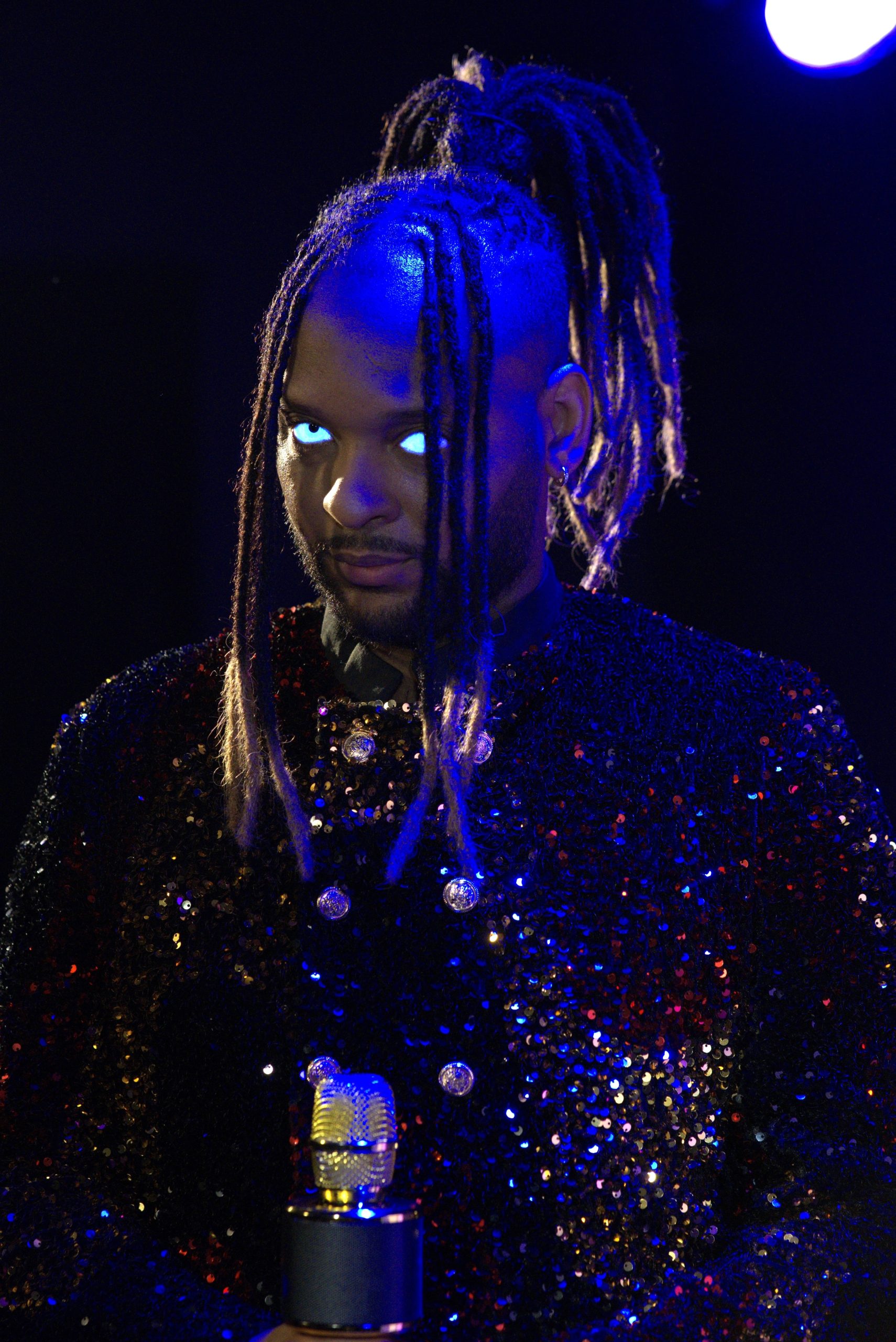
“As a dating coach, I’ve spent years helping people navigate relationships, and one thing I’ve learned is that every generation faces new challenges in how we connect. Technology is already changing the way we date, communicate, and build intimacy. Jamaal: Love Coded simply asks the next question: What happens when artificial intelligence becomes emotionally available in ways humans sometimes aren’t?”
Nichols continued, “I don’t think the series is trying to tell people whether falling in love with a robot is right or wrong. Instead, I hope it encourages viewers to examine their own relationships, ask deeper questions about what real intimacy means, and consider whether we’re becoming more connected—or more isolated—in a world driven by technology. Ultimately, I hope audiences walk away entertained, emotionally challenged, and having conversations they weren’t expecting to have. If people finish the series questioning what makes someone truly capable of love, then we’ve done exactly what we set out to do.”
Dozens of Black creatives are featured in season 1 of the series. The cast of “Jamaal: Love Coded” includes Greg Mathis Jr, Philip Johnson, Matthew Jennings, Casey Daley, Jermell Deshauan, Cody Darnel, Antoine Tate, Michael Flood, Christopher Hill, J’Lamar Nichols, John Knight, Dre Debonair, Twon Marcel Pope, Tiaramy Maloy, Rhonda Ray, and Lamar Robinson. Gaye Magazine had the opportunity to speak exclusively with the cast about their roles in the series and the creative approach they brought to bringing their characters to life.
Actor Matt Jennings, who plays Jamaal in the series exclusively tells us, “Growing up being a BLERD (black nerd) definitely prepared me for this role. Jamaal is one of those characters that I can put on like a comfortable pair of shoes. I think of Jamaal as a love letter to “Data” from “Star Trek: The Next Generation”. So for my Trekkies; keep your eyes open for the signature head tilt.”
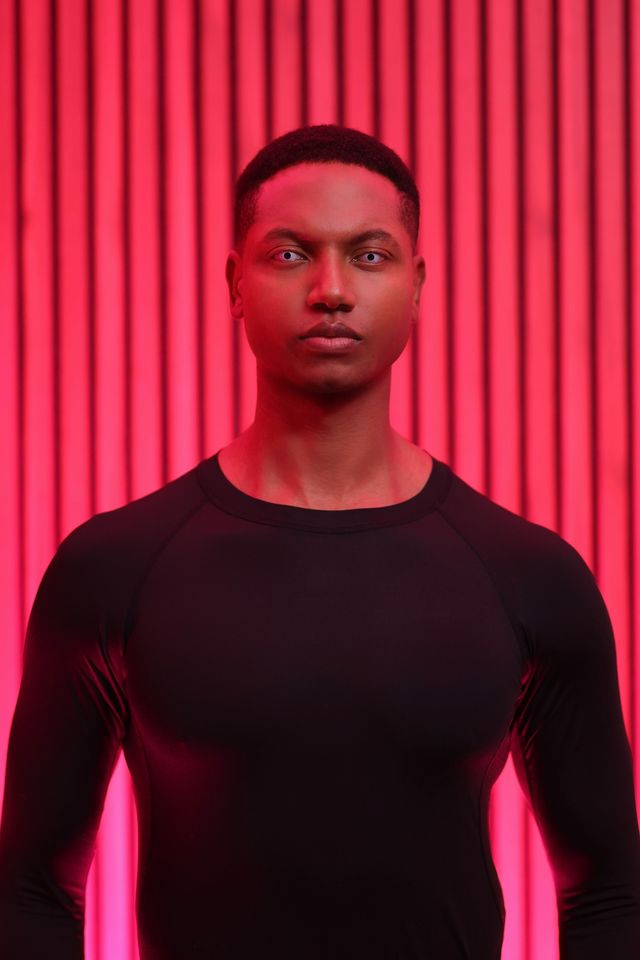
Greg Mathis Jr., who portrays Darien in the series, is making a major transition from reality television to dramatic storytelling. Speaking exclusively with us, he shared, “Jamaal: Love Coded is an exciting step in my acting journey. It’s the kind of imaginative storytelling that challenged me creatively, and I hope it’s the beginning of many more science fiction and genre projects.”
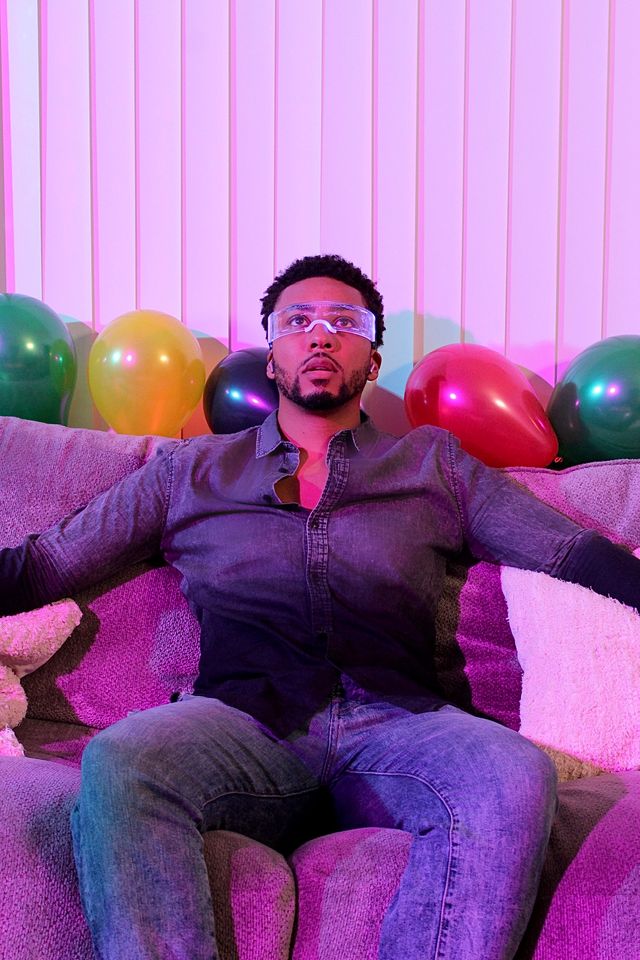
Casey Parris Daley (actor playing Darius), shares with us insight about his episode, “I loved this project and my episode in particular because in a world of AI imitating human behavior perfectly, we wonder if humanity will be replaced by humans. But what we find is that in life, although we find ourselves in the pursuit of perfection both within ourselves and from others, it is not the perfections but the imperfections within us that make us intrinsically human. It is the imperfections in others that fundamentally draw us to others. To be imperfect is to be human, and AI could never replace that.”
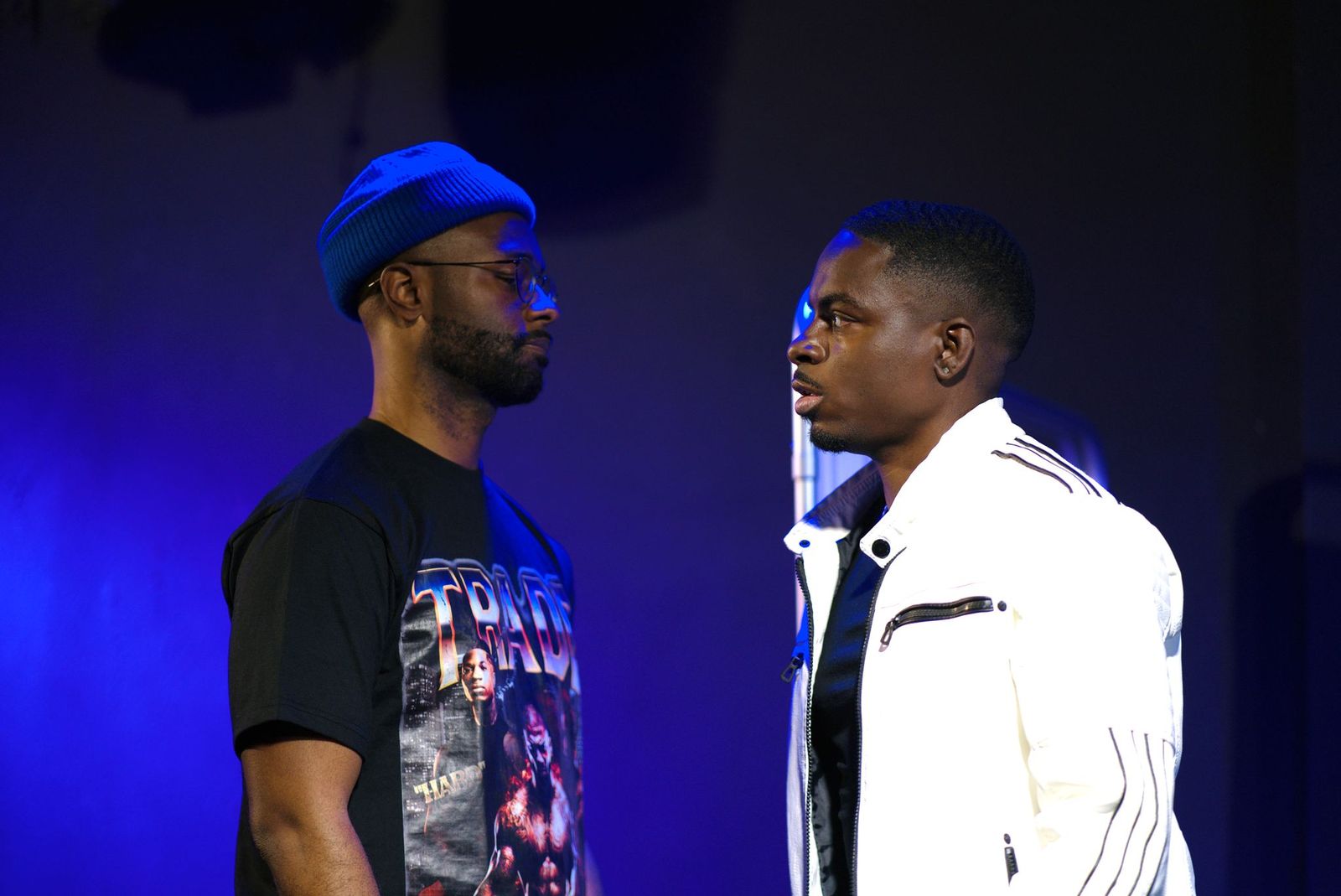
That commitment to authentic representation extends beyond the series’ futuristic premise and into its characters. For Jermell Deshauan, who portrays Chris, joining Jamaal: Love Coded was about helping tell a story that reflects the complexity and humanity of Black queer lives.
Speaking exclusively with Gaye Magazine, he shared, “I believed in this story and wanted to be a part of telling it… it’s current, thought provoking, funny, relatable, and helps to humanize us as we’re not the caricatures or archetypes that sometimes get put on us. We’re uniquely human. Every hour of every day.”
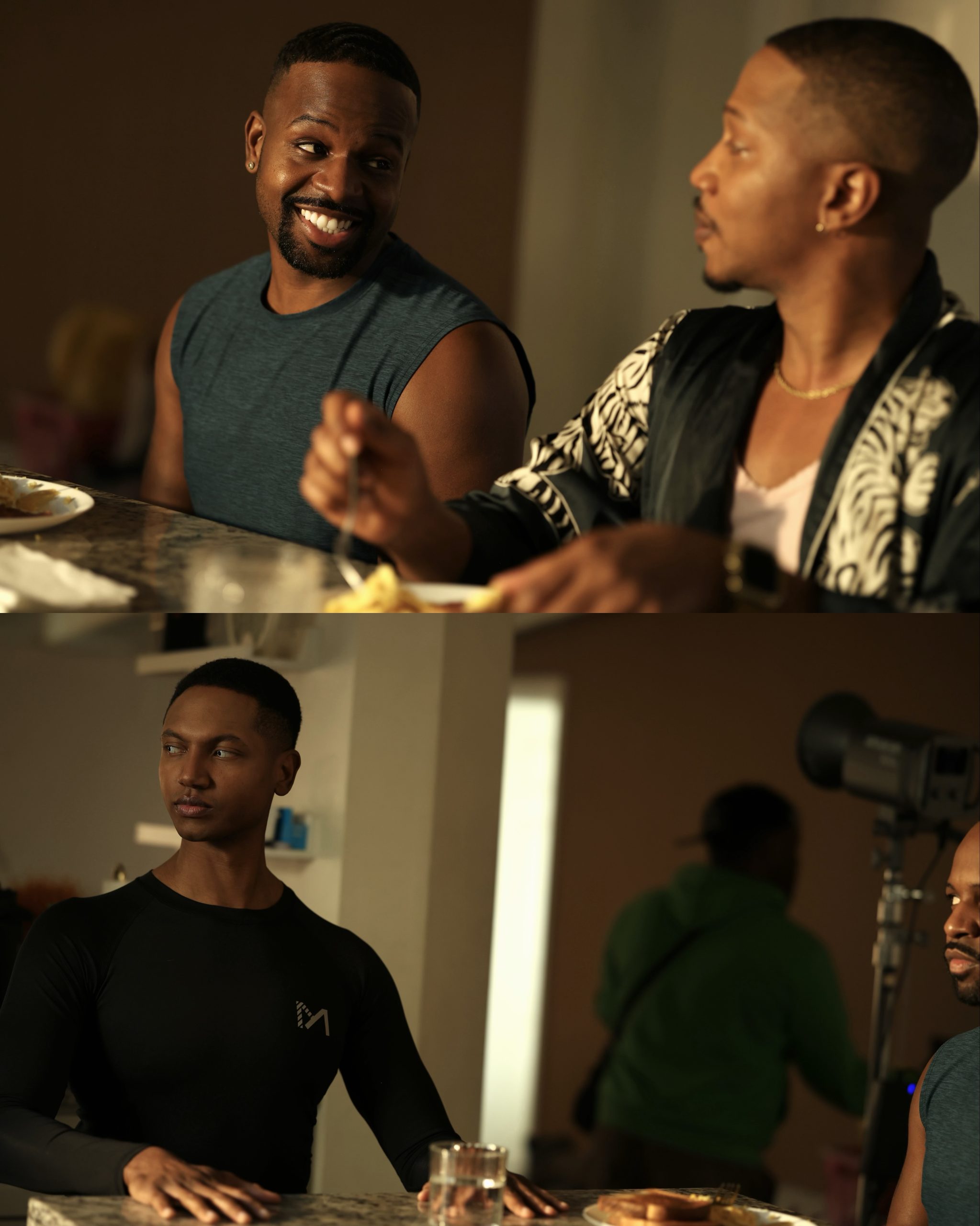
“Jamaal: Love Coded” premieres July 17, streaming on Here TV, Hulu, Prime Video, Comcast and other providers. Watch the trailer here.
 Gaye Magazine
Sep 29
4 mins read
Gaye Magazine
Sep 29
4 mins read
Zuri Pryor-Graves
Sep 23
8 mins read
William Dolliole-Thompson II
Sep 18
3 mins read
 Juhi Page
Sep 14
4 mins read
Juhi Page
Sep 14
4 mins read

Gaye Magazine® is part of Gaye Media, Inc.© 2026 Gaye Media, Inc. All Rights Reserved.