


 SaintTreyW
Nov 7
5 mins read
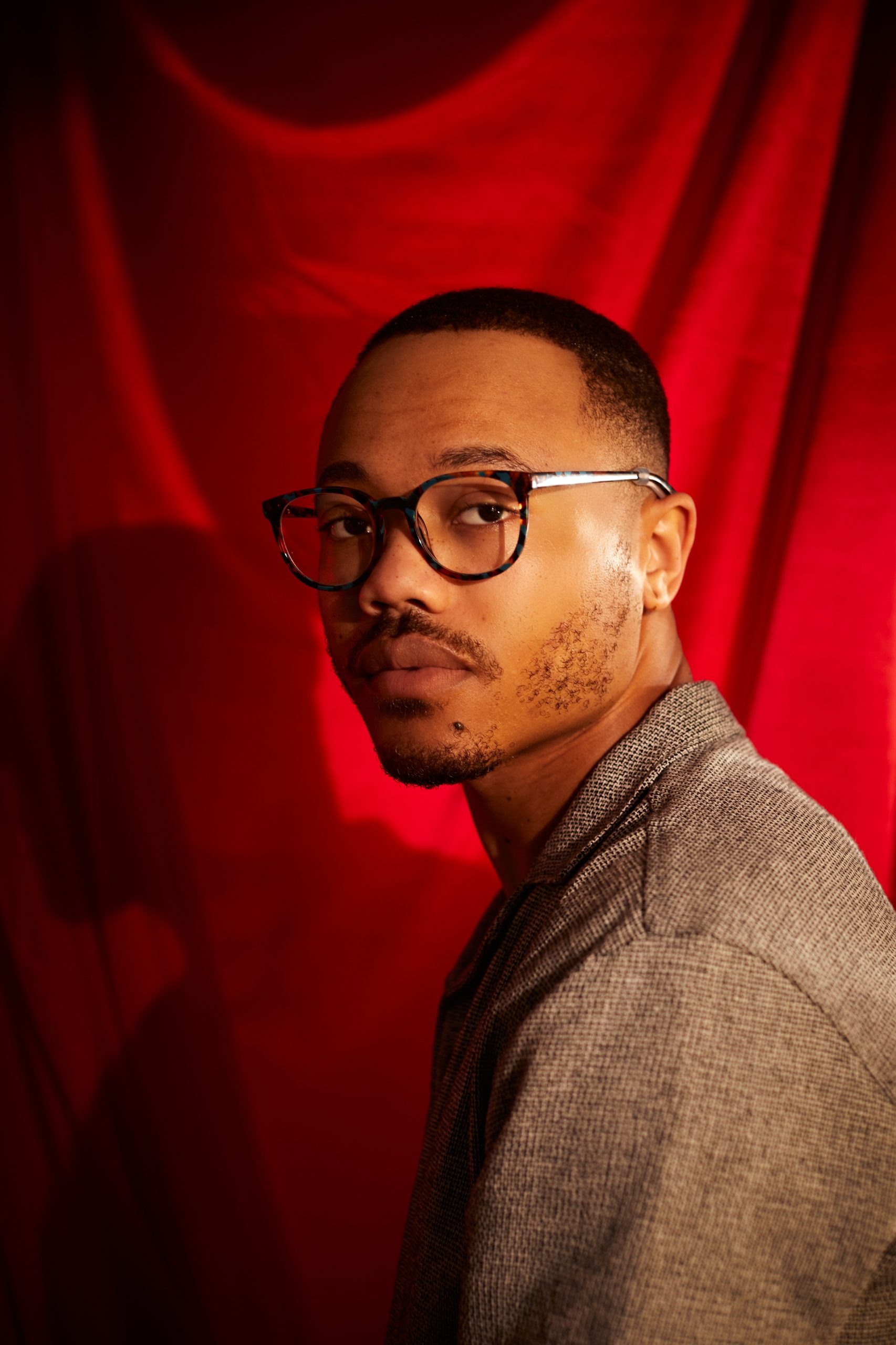
Julian J. Walker has announced his departure from GLAAD after 4 1/2 years, months after fellow Black queer leader DaShawn Usher closed his own seven-year chapter at the LGBTQ media advocacy organization.
Their farewell statements center the communities they served and the people who helped build the work. Together, Walker and Usher helped develop programs that moved beyond visibility, connecting Black queer creatives with resources to tell their stories and advance their careers.
“After 4 1/2 years, my time at GLAAD has come to an end,” Walker wrote in his farewell statement. “I’m beyond grateful for the opportunities and spaces the incredible team and I created.”
Walker, who served as an associate director in GLAAD’s Communities of Color and Media department, directed much of his message toward Black and brown queer creatives. His departure follows Usher’s exit, which Gaye Magazine reported in July. Usher served as the department’s vice president.
“After seven transformative years, I am closing my chapter at GLAAD with deep gratitude, pride, and appreciation,” Usher wrote in his farewell statement.
He described a tenure encompassing campaigns, screenings, media training, research, and partnerships across entertainment, technology, fashion, film, and culture. The through line, he wrote, was a commitment to communities whose stories require more than occasional attention.
“At the center of it all was a commitment to ensuring that Black LGBTQ+ people, queer people of color, and people living with HIV were seen, heard, supported, and reflected with greater care and authenticity,” Usher wrote.
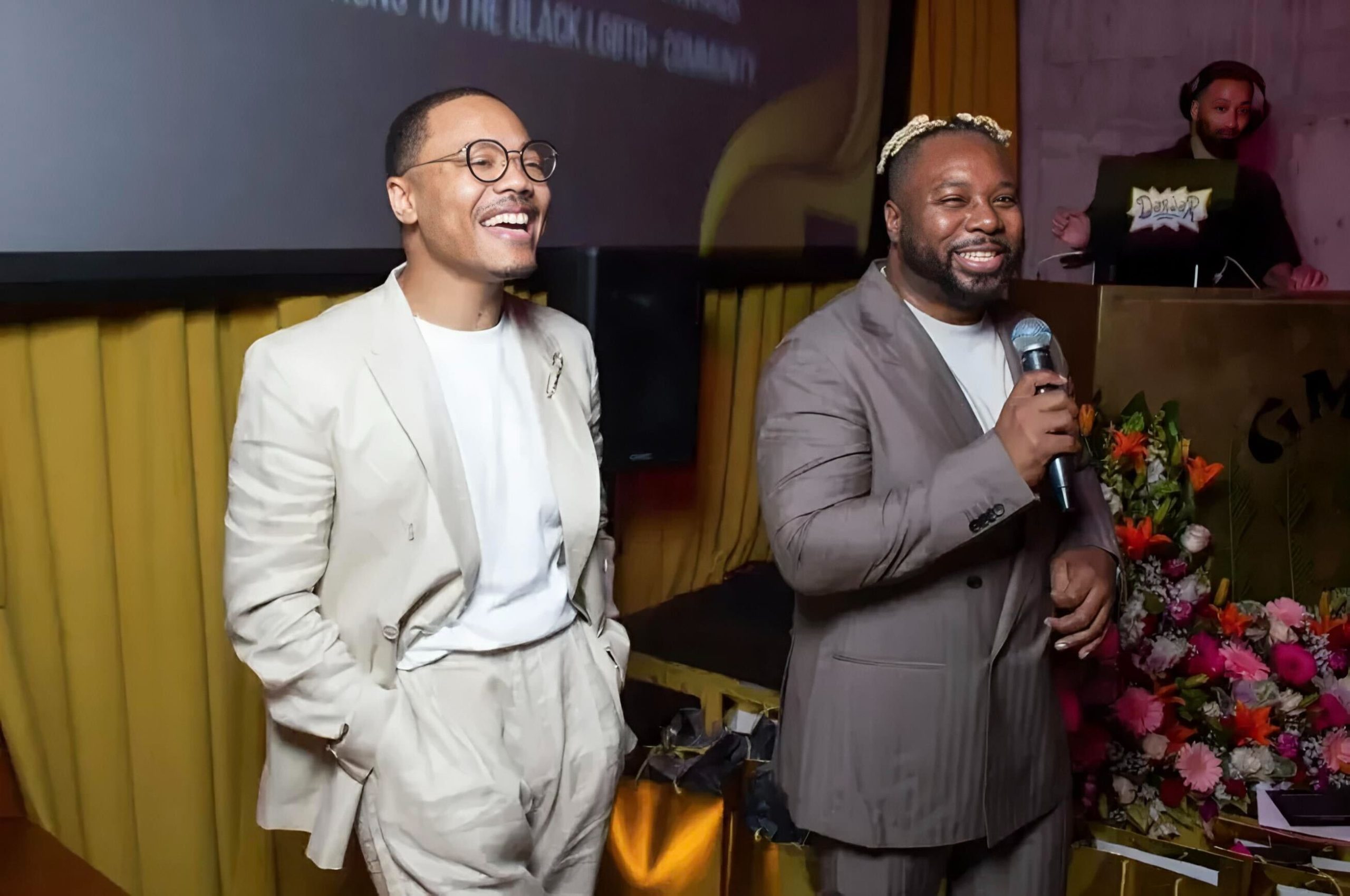
One of the clearest expressions of that mission was the Black Queer Creative Summit, which debuted in Los Angeles in September 2023.
Black Enterprise credited Usher and Walker with creating the summit, an initiative designed to educate, support, and connect Black LGBTQ professionals across entertainment. Its inaugural model included scholarships covering registration, lodging, meals and transportation for 150 creatives, addressing financial barriers to participation.
The gathering brought together executives, creators, behind-the-scenes professionals, on-screen talent and people working in music supervision. Its workshops, conversations, and mentorship opportunities placed Black queer experiences at the center of professional development rather than treating them as a sidebar.
“The Black Queer Creative Summit was a goal of mine that I wanted to bring to life once I started at GLAAD in 2019,” Usher told Forbes in an interview cited by Black Enterprise. “I knew before I could have a successful summit, I needed to have certain things in place, funding, resources, a team, and to do more work with gaining trust and visibility in the Black entertainment industry.”
The summit returned in September 2025, with a team that included Walker, Usher, Shiko Njoroge, Tymia Ballard and Alexander King, alongside entertainment consultants and program co-leaders Shar Jossell and Ryan Mitchell. Partners included BET, P&G and Starz.
In his farewell statement, Usher said the summit created space for more than 350 Black LGBTQ creatives, executives, storytellers and cultural leaders.
“I am especially proud of creating and growing programs that built lasting platforms for community and creativity,” he wrote.
That approach also shaped GLAAD’s Equity in Media and Entertainment Initiative, which launched in 2022 with support from Gilead Sciences.
GLAAD credits Usher with creating the initiative and identifies Walker and Kayla Thompson among its program leaders. The initiative supports Black LGBTQ storytellers and people living with HIV, connecting representation with opportunities to develop creative work.
According to Usher’s farewell statement, 40 artists working across film, music and visual arts received a combined $400,000 in direct funding through the initiative.
The distinction matters: A platform can introduce an artist to an audience. Funding can help that artist make the work in the first place.
The summit’s 2025 television pilot pitch competition offered another example of that investment. Through a partnership with Starz and its #TakeTheLead initiative, three writers received cash prizes and placements in an eight-week virtual mentorship lab led by producer Sidra Smith, according to Deadline’s reporting, republished by Yahoo.
Jules Crosby received the $5,000 first-place award for “Don’t Try This at Home.” Carlton V. Bell II received $3,500 for “un-United,” and Chas Jackson received $1,500 for “Miss Behavior.” The mentorship program included script development, pitching preparation, workshops, and a final showcase for GLAAD and Starz teams.
Those opportunities gave the writers more than recognition. They paired financial support with time and guidance to develop their ideas.
Usher’s farewell also underscored that the programs were a collective effort. He explicitly named Walker among the collaborators who helped turn the department’s ambitions into sustained work.
“None of this happened alone,” Usher wrote. “To Julian, Kayla, Ty, Shiko, Lex, Shar, and Ryan, thank you for being brilliant minds, trusted collaborators, and steady forces in the work.”
He also thanked colleagues who handled events and logistics, recognizing the labor required to bring people together.
“It makes such a difference when the people behind the scenes care equally about the community, programming, and the events,” he wrote.
Walker’s recent work reflected that same connection between creative expression and community support.
In an October account of “Nemesis: Remember,” GLAAD described Walker opening a Sept. 29 event at New York’s Leslie-Lohman Museum of Art. The exhibition featured the Equity in Media and Entertainment Initiative’s third-year cohort and explored HIV stigma through the work of Black queer artists. More than 200 guests attended, according to the organization.
Walker encouraged attendees to support the artists through purchases and commissions, share their stories, and challenge HIV stigma in their own communities.
“The world wants our stories,” he told the creatives gathered there, according to GLAAD. “And they need them.”
Walker’s farewell statement did not specify the circumstances of his departure or identify his next role. Neither his statement nor Usher’s establishes a shared reason for their exits.
Both instead direct attention toward the communities and collaborators at the center of their work.
“It’s been an absolute honor to spotlight communities of color around the world,” Walker wrote.
He encouraged readers to continue standing boldly in their identities and creativity, closing with an expectation of more connections and memories ahead.
Usher ended his own reflection by returning to the relationships that sustained seven years of work.
“Seven years cannot fit into one carousel, but I carry every lesson, relationship, and moment with me,” he wrote.
His final sentence was brief: “The work continues.”
 Gaye Magazine
Nov 6
1 mins read
 Zuri Pryor-Graves
Nov 6
13 mins read
Gaye Magazine
Oct 22
3 mins read
SaintTreyW
Oct 15
4 mins read

Gaye Magazine® is part of Gaye Media, Inc.© 2026 Gaye Media, Inc. All Rights Reserved.