


 Zuri Pryor-Graves
Sep 23
8 mins read
Zuri Pryor-Graves
Sep 23
8 mins read
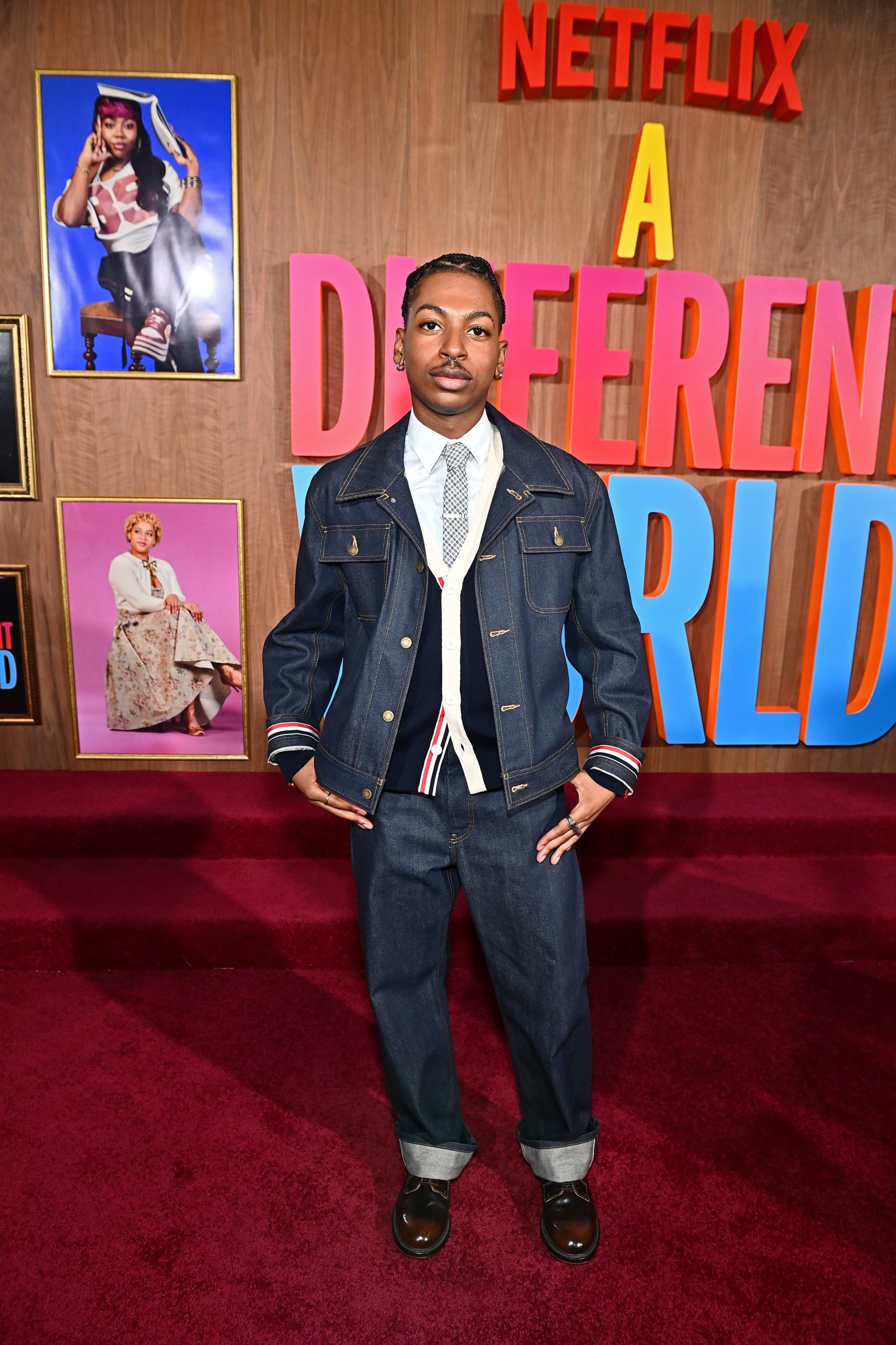
Jordan Aaron Hall knows exactly what his character Amir Rodale brings to Hillman.
“Our stories need to be seen,” Hall told Gaye Magazine’s Nappi Boi at the Atlanta screening of Netflix’s new “A Different World.”
“I feel like we don’t have that many opportunities to be young and Black and come of age.”
That is what Amir gets to do.
Hall plays the Harlem-raised psychology major as one of six students leading Netflix’s return to Hillman College. Amir is out, queer and comfortable with himself. He is also smart, stylish, occasionally messy and much better at helping his friends through their problems than dealing with his own.
Series creator Felicia Pride, a writer and producer whose credits include “Grey’s Anatomy” and “Bel-Air,” has described him as “out and queer, comfortable in his skin,” while other coverage of the series has identified Amir as the franchise’s first openly queer character.
Hall likes that his sexuality is part of Amir without becoming his entire personality.
“He’s just himself. He’s authentic. He’s fly, and he gets into a little mess here and there,” Hall told Gaye. “I think that’s the beauty of getting to be young and come of age.”
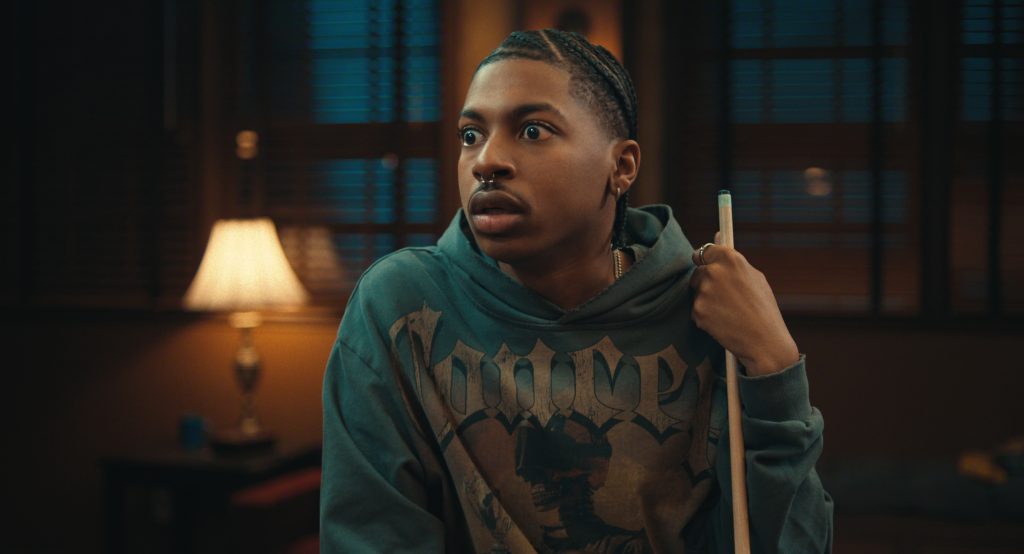
For all the ground the original series covered, this is one piece of Black college life Hillman never put at the center.
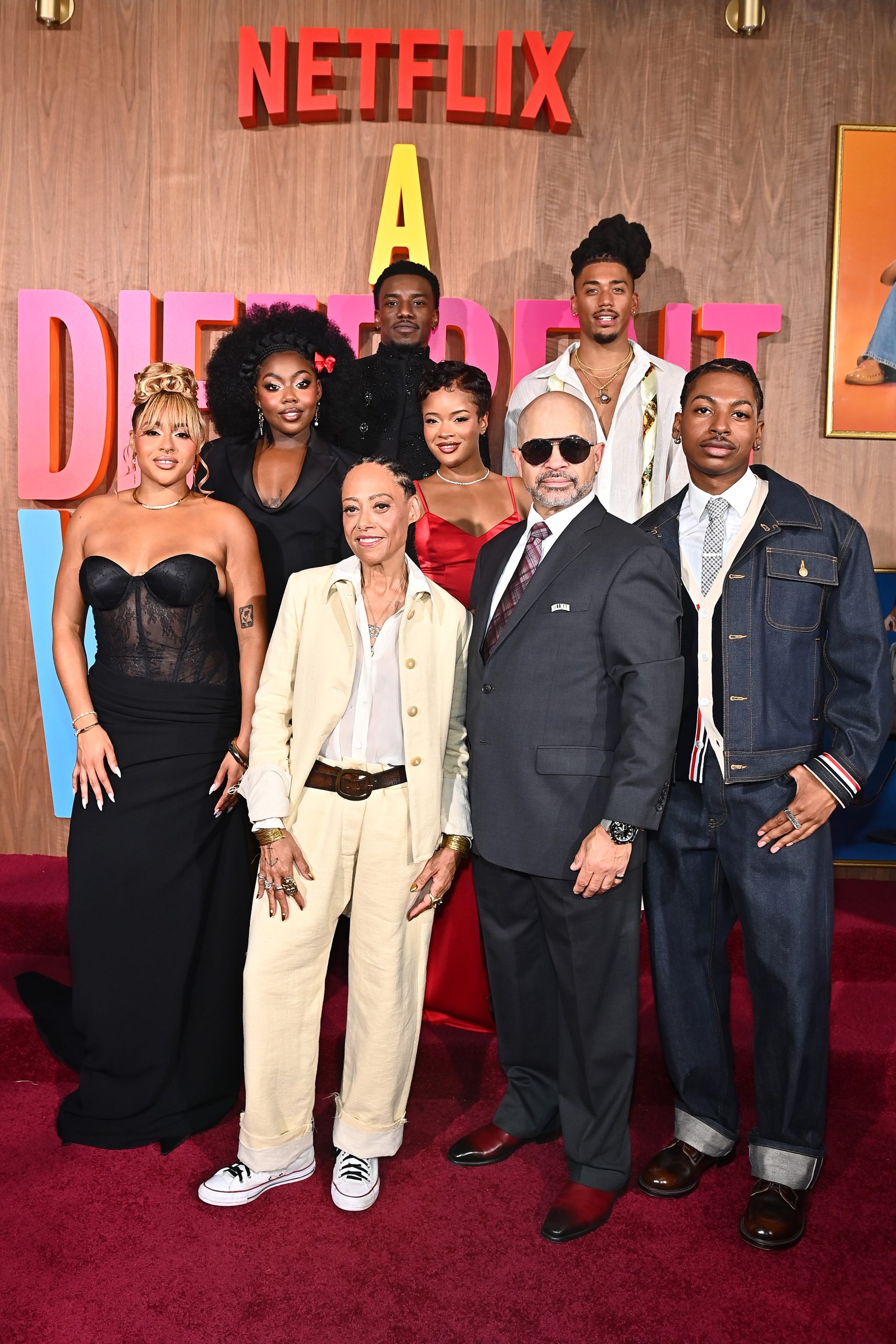
Netflix’s “A Different World” premieres globally Sept. 24, exactly 39 years after the original series debuted on NBC.
Something important for viewers to know is that this is a sequel, not a remake. At the center is Deborah Wayne, played by Tony Award winner Maleah Joi Moon, the youngest daughter of Whitley Gilbert and Dwayne Wayne. She arrives at her parents’ alma mater alongside Rashida Duvall, Shaquille Johnson, Amir, Hazel Henry and Kojo Achebe. The new season consists of 10 half-hour episodes and shifts the franchise from its old multicamera sitcom format to single-camera television.
Creator, showrunner and executive producer Felicia Pride leads the new series, with Debbie Allen returning as an executive producer and director. Pride has said the new class was built to show the range of Black life at an HBCU.
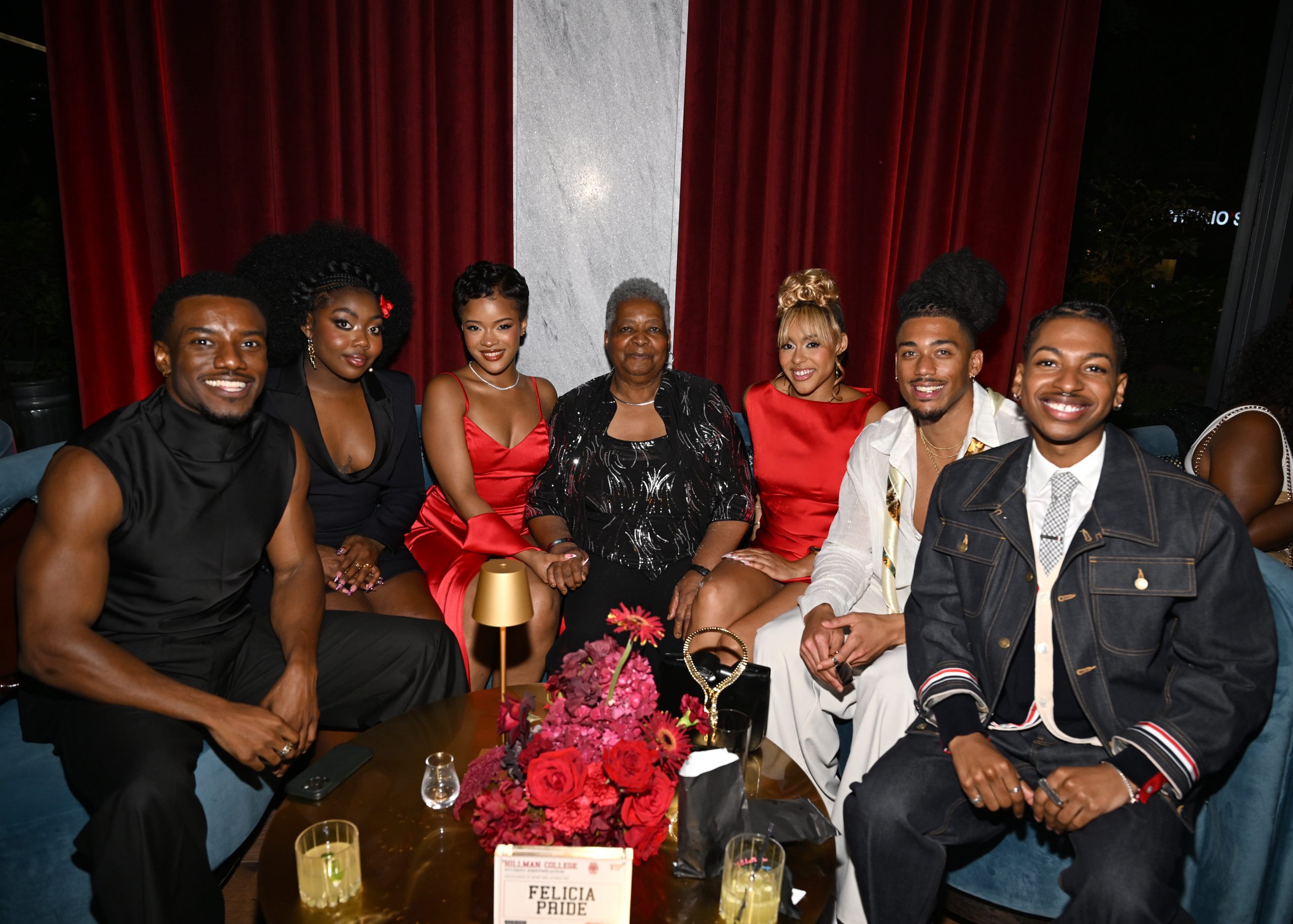
Atlanta got an early look Sept. 21 at the Martin Luther King Jr. International Chapel at Morehouse College, where the screening also kicked off the Morehouse College Human Rights Film Festival. Morehouse’s House of Funk marching band and Mahogany N Motion dance team performed alongside current members of Alpha Kappa Alpha Sorority, Inc., Sigma Gamma Rho Sorority, Inc., and Iota Phi Theta Fraternity, Inc., giving the premiere a real Divine Nine nod to the fictional Greek organizations that helped define Hillman’s campus culture.
That was a fitting place to bring Hillman back.
The original “A Different World” premiered Sept. 24, 1987, as a spinoff of “The Cosby Show.” Lisa Bonet initially led the series as Denise Huxtable, who left home for Hillman College, a fictional HBCU in Virginia.
The show changed substantially after its first season. Bonet departed, Debbie Allen took a larger creative role, and the series became a fuller ensemble built around Hillman itself. Whitley Gilbert, Jasmine Guy’s privileged Southern belle, and Dwayne Wayne, Kadeem Hardison’s brilliant math geek with the flip-up glasses, eventually became its central love story.
Around them were Ron Johnson, Dwayne’s smooth-talking best friend and hustler; Freddie Brooks, the free-spirited activist; Kim Reese, the driven pre-med student; Jaleesa Vinson, an older student rebuilding her life after divorce; Col. Taylor, the no-nonsense professor and father figure; Coach Walter Oakes, the wisecracking coach and dorm director; and Mr. Gaines, the gruff but beloved owner of The Pit, Hillman’s campus restaurant and student hangout.
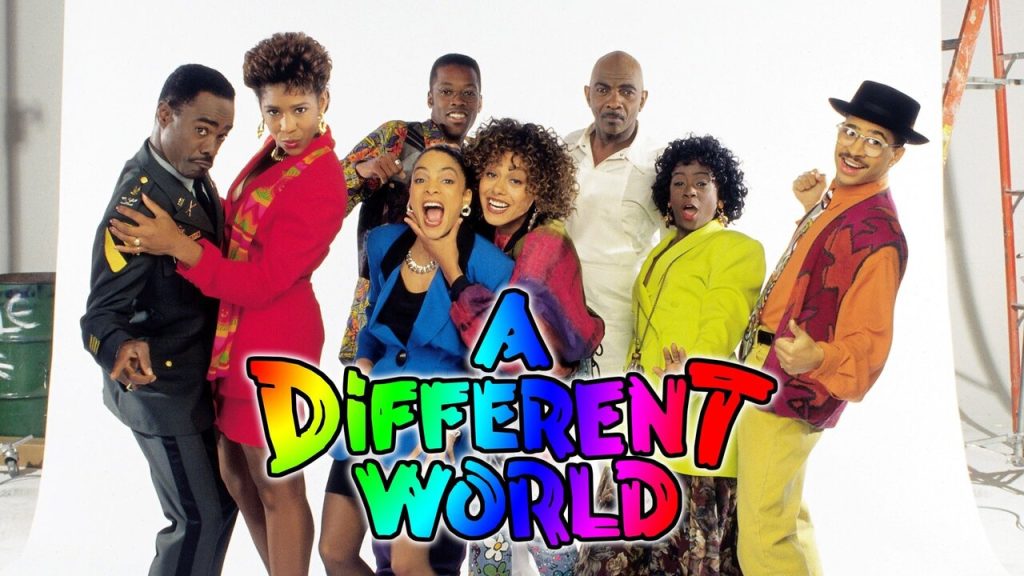
Allen, a Howard University alumna, pushed the writers toward actual Black college life. Writers visited HBCUs. Campus scenes drew from Spelman College and Clark Atlanta University. Howard has since described itself as a major blueprint for the series.
Hillman was fictional, but the culture was recognizable.
There were dorms and homecomings, campus protests, professors who became mentors, romances fans rooted for and argued about, and friendships that started in college and became family.
Its fictional Greek organizations, including Alpha Delta Rho Sorority and Kappa Lambda Nu Fraternity, gave national television audiences a version of Black Greek life through pledging, stepping, service, rivalry, status and the social politics surrounding it. They were not direct television versions of one specific Divine Nine fraternity or sorority, but the traditions were familiar.
For many viewers, Hillman became their first sustained introduction to HBCUs.
“A Different World” has been credited for decades with making HBCUs visible to Black teenagers who had never visited one.
HBCU enrollment increased 26% between 1976 and 1994, with nearly all of that growth occurring between 1986 and 1994, according to figures cited by Howard University. Those years closely overlap the show’s 1987-93 run.
Cast members still hear from viewers who say Hillman led them to an HBCU, a college degree or a profession. Hillman stayed with viewers long after graduation; Black queer writer and producer Lena Waithe even named her production company Hillman Grad after the fictional college.
Now, some of the kids who watched Hillman, dreamed about HBCU life and eventually had HBCU experiences of their own get a special kind of homecoming. They get to return to Hillman as adults who now know firsthand what the original show was trying to capture.
Pride remembers wanting in. She recalls seeing the original step-show episode when she was around 11 or 12, recording it and learning the steps herself after school.
“I was stepping alongside Whitley, Freddie, Kim, and Jaleesa, and they felt like friends,” she says in Netflix’s press materials. “I had never seen stepping before. I never saw that sort of camaraderie. I felt like I had a place to go, like I was going to Hillman.”
For Black kids who had never visited an HBCU, Hillman made it easier to imagine themselves at one.
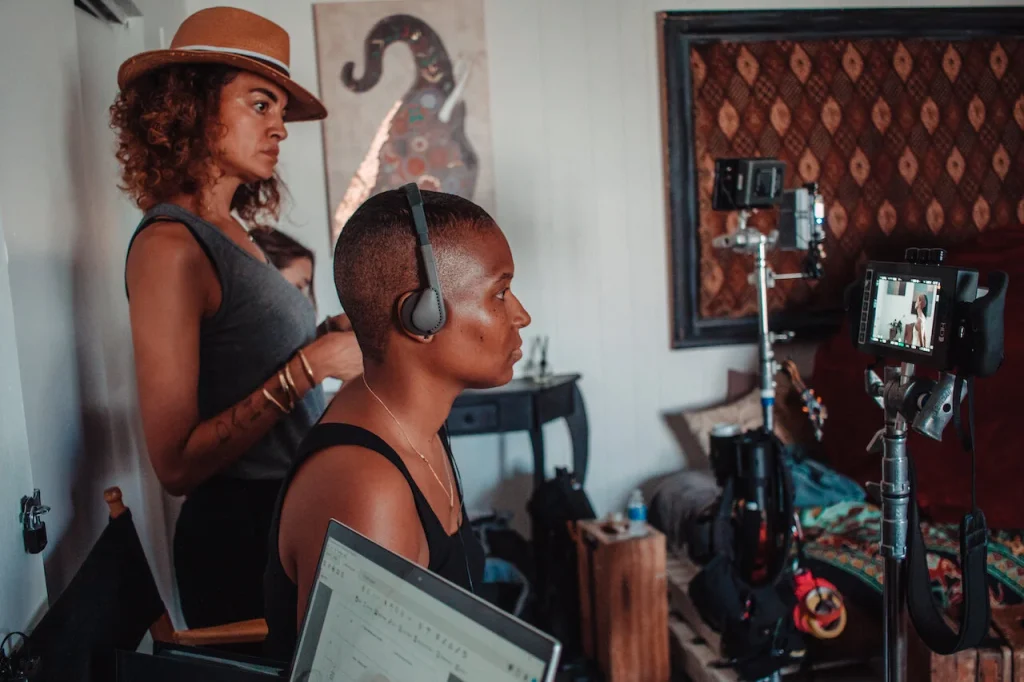
Jasmine Guy and Kadeem Hardison became permanently linked to Whitley and Dwayne while continuing careers across television, film and theater. Cree Summer, who played Freddie, became one of the industry’s most prolific voice actors. Sinbad’s Coach Walter Oakes arrived as his comedy career was beginning to explode. Glynn Turman and Loretta Devine continued long, award-winning careers.
Marisa Tomei played Maggie Lauten in the first season and went on to win an Academy Award for “My Cousin Vinny.” Jada Pinkett Smith joined Hillman as Lena James early in her career before moving into films including “Set It Off,” “The Nutty Professor,” the “Matrix” franchise and “Girls Trip.” The original series also made room for guest appearances from performers including Tupac Shakur, Heavy D and Gladys Knight.
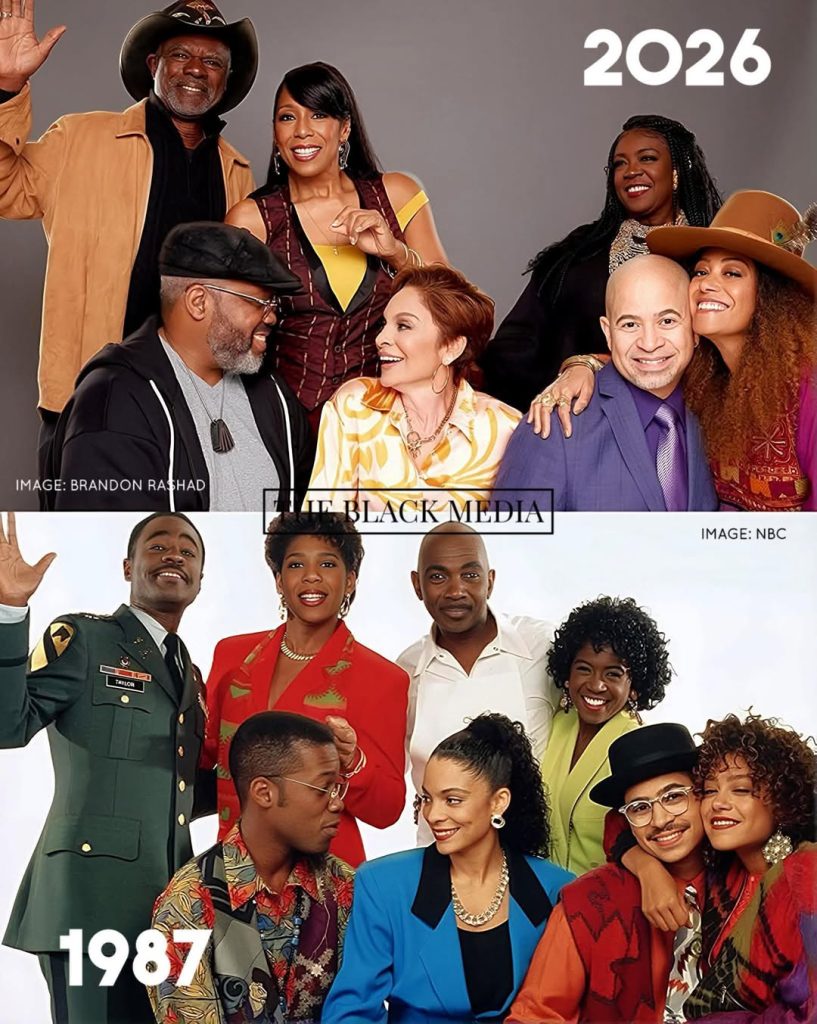
The new series understands that history and brings much of the old class with it.
Guy returns as Whitley. Hardison is Dwayne. Darryl M. Bell is Ron. Summer is Freddie. Charnele Brown returns as Kim, along with Jada Pinkett Smith as Lena, Dawnn Lewis as Jaleesa, Glynn Turman as Col. Taylor, Ajai Sanders as Gina, Karen Malina White as Charmaine and Jenifer Lewis as a returning Hillman professor.
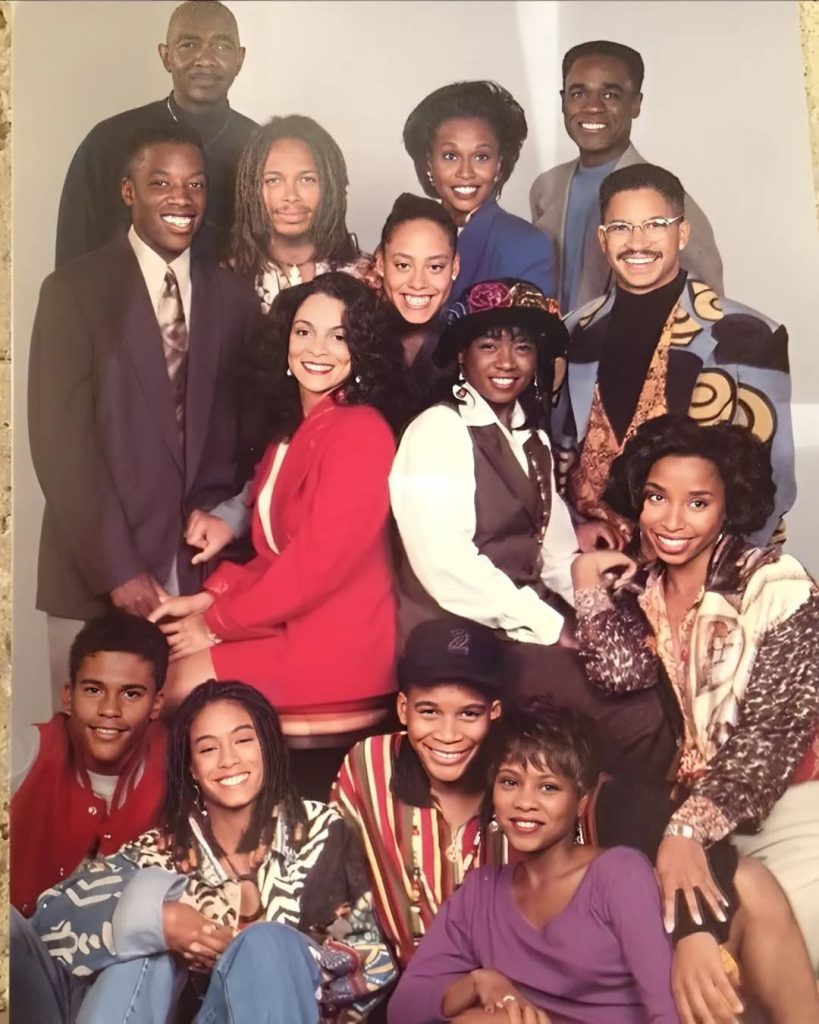
Original “A Different World” writers Reggie Rock Bythewood and Gina Prince-Bythewood are executive producers on the new series.
There are literal family connections, too. Tichina Arnold plays the mother of Rashida, played by Arnold’s real-life daughter Alijah Kai. Debbie Allen’s son Norman Nixon Jr. plays Professor Baptiste. Jasmine Guy’s daughter, Imani Guy Duckette, also appears in the series.
A few members of the original Hillman family are no longer here. Lou Myers, who made Mr. Gaines and The Pit essential parts of campus life, died in 2013. Mary Alice, the Tony- and Emmy-winning actress who played Gilbert Hall director Lettie Bostic, died in 2022.
And the voice many viewers still hear when they think of the show belongs to the late Aretha Franklin, who sang its best-known version of the theme song.
At the same time, Black filmmakers and television creators were putting more versions of Black college life in front of national audiences.
Spike Lee was working in the same cultural territory from another direction. His “School Daze,” filmed before “A Different World” but released in 1988, took a sharper and more confrontational look at HBCU culture, colorism, class and Black Greek life. Guy, Hardison and Bell all appeared in the film.
The projects were very different, but together they belonged to an era when Black filmmakers and television creators were putting more versions of Black life on screen: college students, activists, academics, artists, hustlers, Southerners, New Yorkers, rich kids, broke kids and everybody arguing with everybody else.
“A Different World” could also get serious quickly. Over six seasons, the series addressed HIV/AIDS, apartheid, sexual assault, racism, class, war and police violence while still letting its characters date, dance, fail classes, fall in love and make terrible decisions.
There was, however, one conspicuous absence.
Queer students never became part of the Hillman ensemble audiences followed week after week.
For a show willing to tackle difficult social subjects, homosexuality was largely untouched. A first-season character named Cougar in the 1988 episode “Wild Child” has since been read by some viewers as lesbian-coded, but the series never identified her as queer or built a queer student into the Hillman ensemble.
Amir gets something the original series never gave a queer student: room to be a whole person, with the same freedom to be flawed, funny, complicated and unfinished that made the original Hillman students feel human.
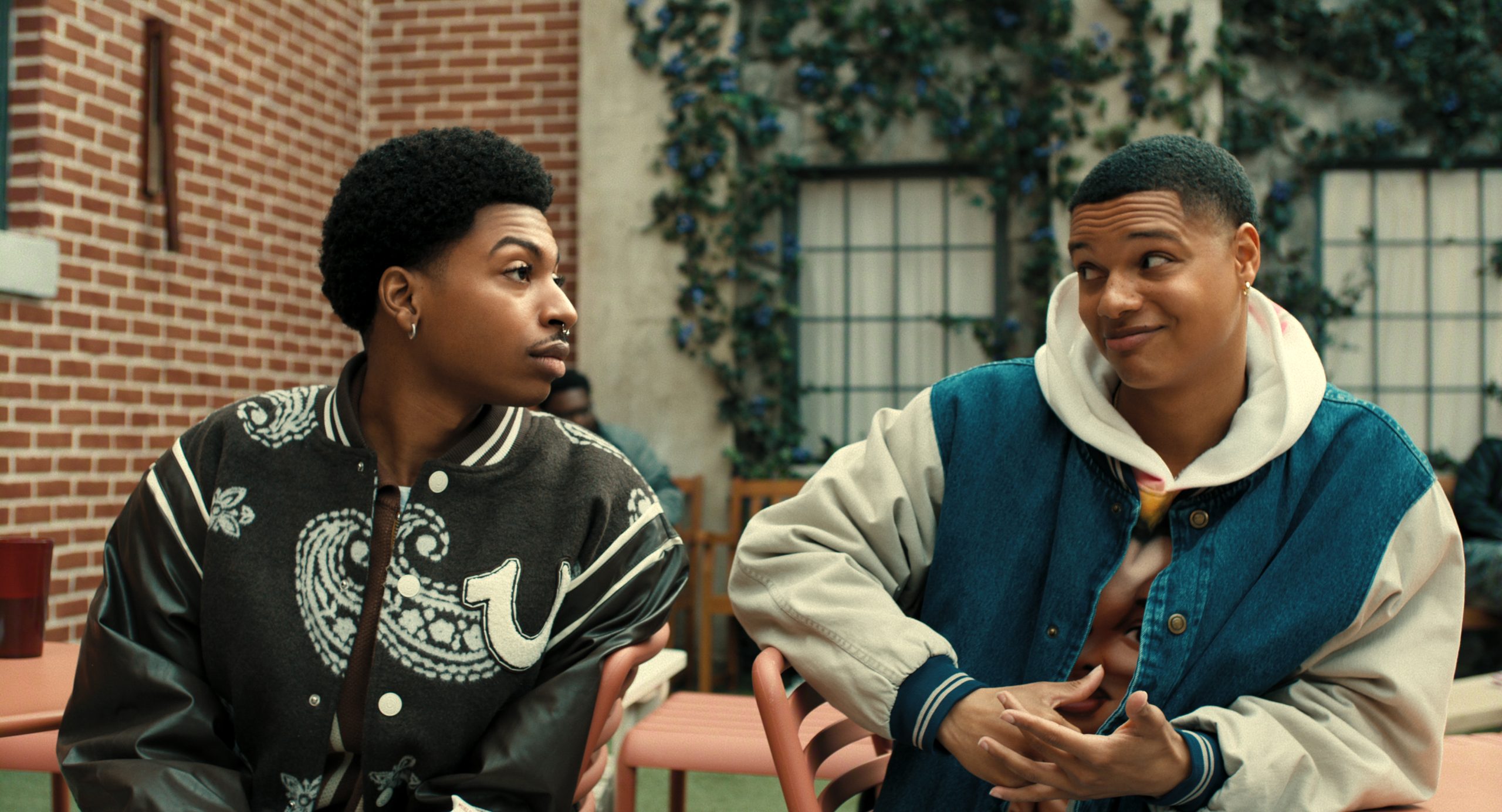
Hall told another interviewer that this distinction is personal.
“I would have loved to see a character like Amir exist on television when I was growing up,” he told The Quintessential Gentleman. “I would have felt seen and heard in a specific way.”
At Morehouse, his answer to Gaye was even simpler.
That puts queerness inside the larger Black college experience instead of outside looking in.
The original “A Different World” gave generations of Black kids a college they could imagine attending. Some of them eventually found their own Hillman at Howard, Hampton, Spelman, Morehouse, Clark Atlanta, Florida A&M and HBCUs across the country.
Black queer kids were watching those Thursday nights, too.
Thirty-nine years later, they finally get to see somebody like them move into Hillman, make friends, make mistakes and figure out adulthood with everybody else.
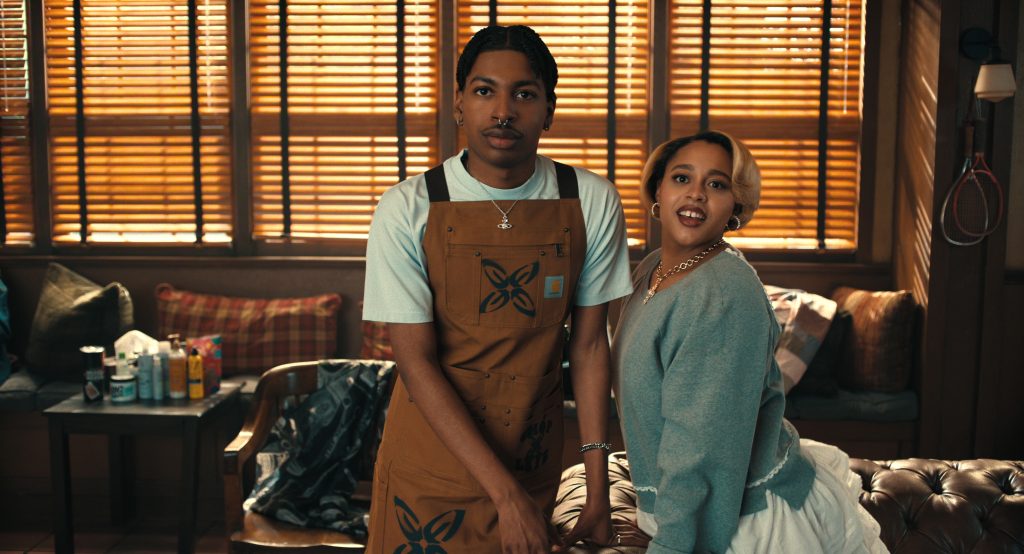
“A Different World” premieres globally Thursday, Sept. 24, on Netflix.
William Dolliole-Thompson II
Sep 18
3 mins read
 Juhi Page
Sep 14
4 mins read
Juhi Page
Sep 14
4 mins read
 Mykel Hilliard
Sep 12
3 mins read
Mykel Hilliard
Sep 12
3 mins read
 SaintTreyW
Sep 9
5 mins read
SaintTreyW
Sep 9
5 mins read

Gaye Magazine® is part of Gaye Media, Inc.© 2026 Gaye Media, Inc. All Rights Reserved.