


 Anders Hare
Jul 22
3 mins read
Anders Hare
Jul 22
3 mins read
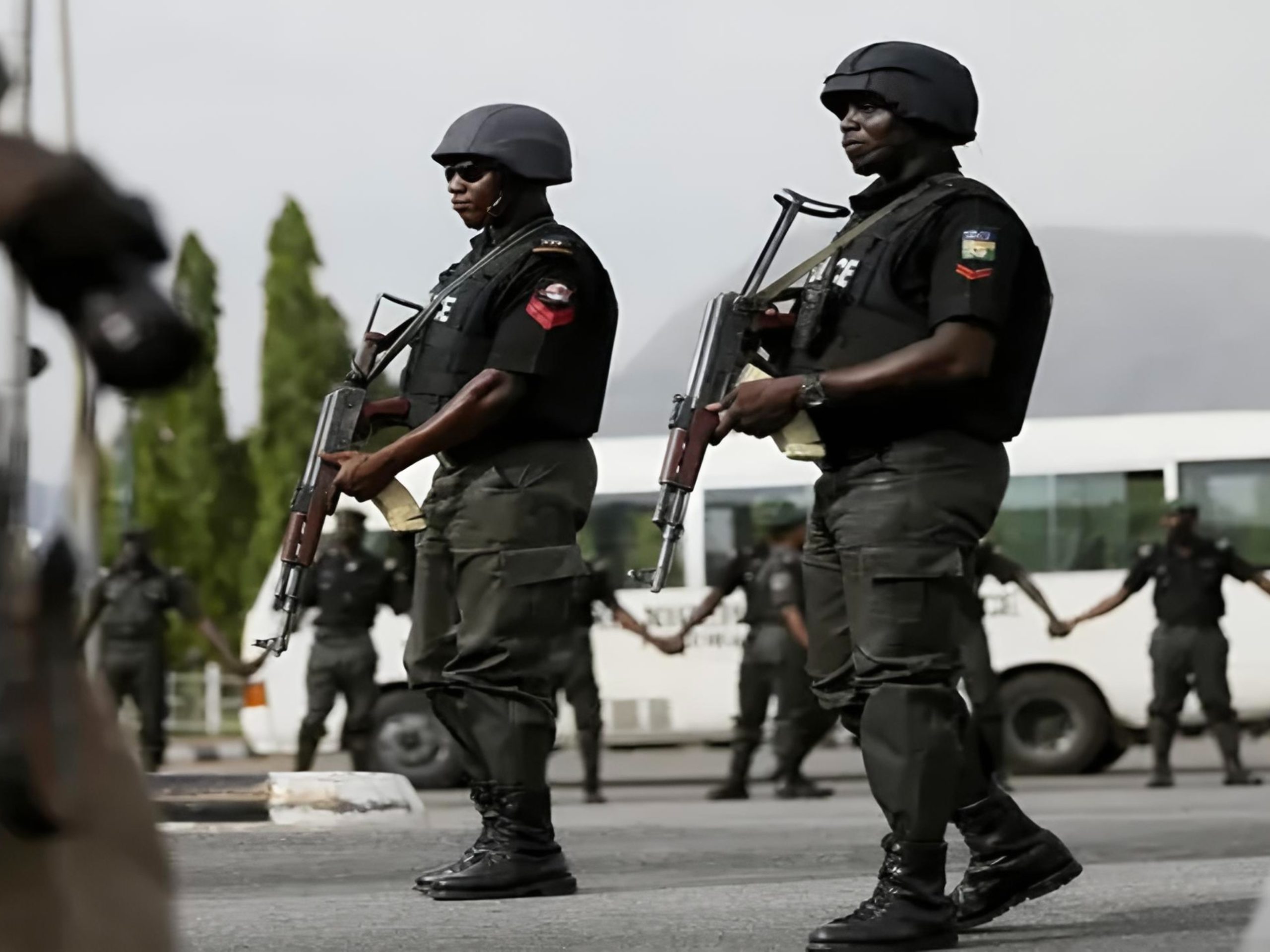
A new law has turned LGBTQ love into a crime in Niger, and dozens are already paying the price.
Nigerien authorities have arrested as many as 40 people since introducing a penal code that criminalizes homosexuality for the first time in the country’s history, according to local media reports and human rights groups tracking the crackdown.
At least 16 people have been confirmed arrested, including senior customs and police officials as well as civilians. Some detainees hold high-ranking military positions, according to reports cited by GCN. A judicial source told Africanews the operation remains active and is expected to expand to sites where authorities suspect same-sex couples live together, including military barracks and university campuses.
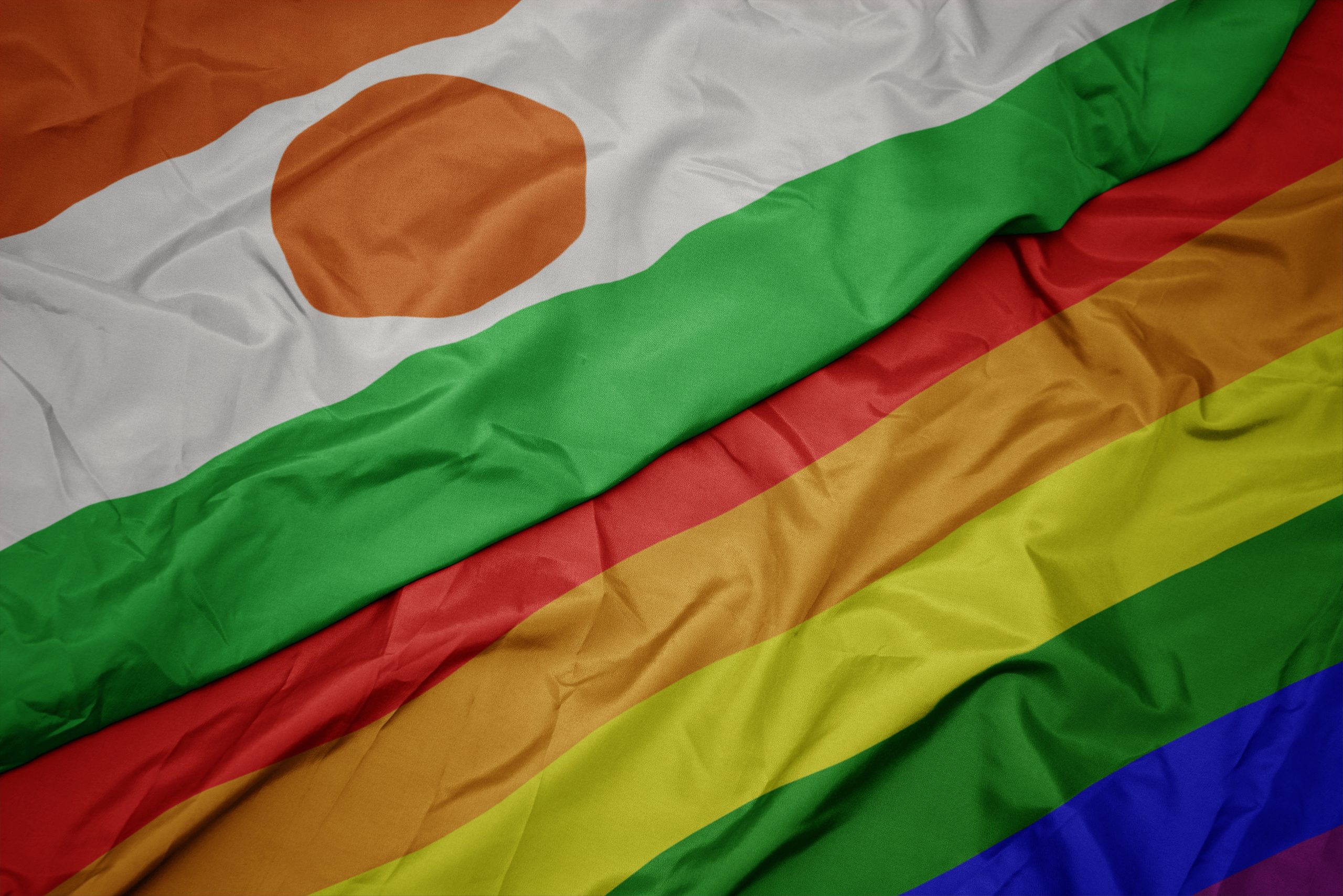
The penal code imposes prison sentences of five to 10 years and fines for anyone who “commits or attempts to commit an immodest or unnatural act or practices lesbian, gay, bisexual, transgender, queer, intersex, asexual (LGBTQIA+) acts.” People who officiate, witness or consent to a same-sex marriage face the same penalty, while attempting to enter into a same-sex marriage carries up to 20 years in prison, according to the Associated Press. Organizations that support LGBTQ rights face fines of between 50 million and 500 million CFA francs, roughly $85,000 to $850,000, Africa News reported.
Front Line Defenders, a human rights organization that protects nonviolent activists, said the law’s vague language and severe penalties raise serious concerns for activists and ordinary citizens alike. HIV service providers warned the crackdown is pushing people into hiding and cutting off access to condoms, testing and pre-exposure prophylaxis.
A military strongman who came to power promising to restore Nigerien sovereignty has found a new target for that message: his country’s LGBTQ community. Niger has been governed by a military junta since a 2023 coup. Gen. Abdourahamane Tchiani, who seized power in that coup, was sworn in as president in 2025 for a five-year term after dissolving the country’s political parties. Tchiani has framed the crackdown on LGBTQ people as part of a broader anti-Western, anti-colonial agenda, according to GCN. Until this year, Niger had no explicit law criminalizing same-sex intimacy, though such relationships were socially discouraged and sometimes led to arrests, the AP reported.
The law places Niger among a growing list of West African nations tightening restrictions on LGBTQ people. Senegal enacted a law in March imposing up to 10 years in prison for gay sex, and Ghana’s parliament approved a bill that would jail people for up to three years simply for identifying as LGBTQ, pending presidential approval. Burkina Faso and Mali both criminalized homosexuality in 2024 after having no such laws previously, according to 76 Crimes.
The Niger crackdown comes as Ugandan prosecutors dropped charges against two women arrested in February for allegedly kissing in public, a case that had drawn international attention.
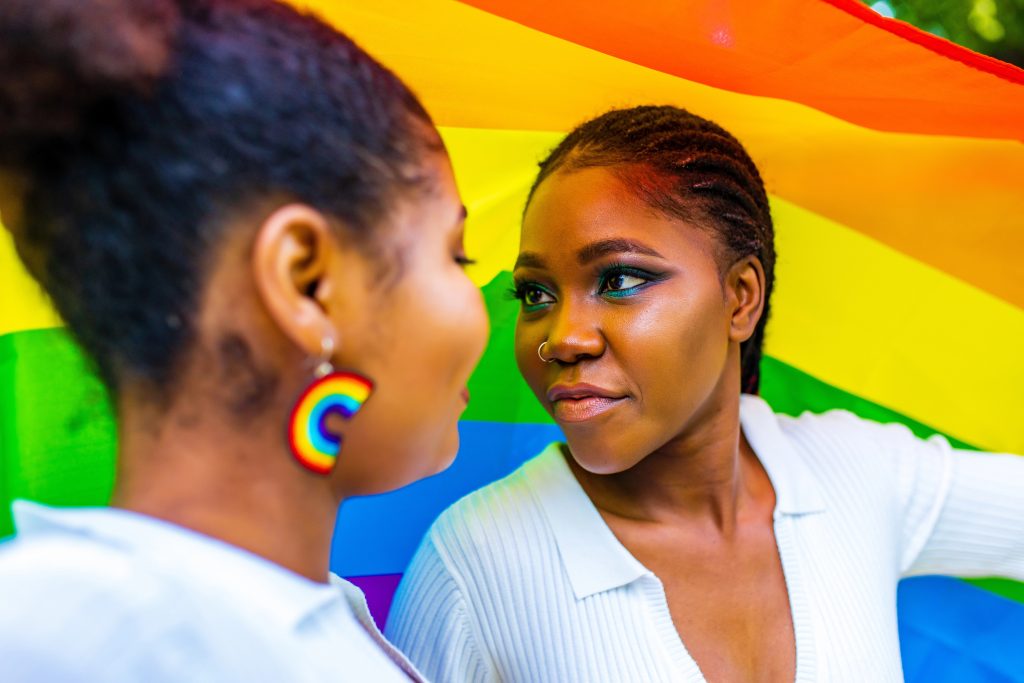
Wendy Faith and Alesi Diana Denise, both in their 20s, were detained in the northwestern city of Arua after neighbors reported seeing them together and photographed them, according to the AP and AFP. Police suspected the women, who shared a single room, of “same-sex orgies,” local police spokesperson Josephine Angucia told AFP. The two spent more than a week in detention, were granted bail in late February, then were rearrested hours later, PinkNews reported.
They had been charged under Section 2(1)(2) of Uganda’s 2023 Anti-Homosexuality Act, which carries a maximum penalty of life imprisonment; the law also allows the death penalty for cases of “aggravated homosexuality.” Irene Nakimbugwe, deputy spokesperson for Uganda’s prosecutor’s office, confirmed to AFP that the Director of Public Prosecutions withdrew the case.
Human rights advocate Frank Mugisha announced the decision on social media July 15, and Sexual Minorities Uganda celebrated the outcome, though activists cautioned the women could still face threats or violence, according to 76 Crimes and PinkNews.
Uganda’s law triggered global condemnation, including from the United Nations, and prompted the World Bank to briefly suspend funding to the country before resuming it in mid-2025, AFP reported. Rights groups say the law is frequently used for blackmail and extortion targeting LGBTQ Ugandans.
Niger was among eight countries that voted against a United Nations political declaration on HIV/AIDS, which was ultimately adopted by 149 votes.

 SaintTreyW
Oct 15
4 mins read
SaintTreyW
Oct 15
4 mins read
SaintTreyW
Oct 9
3 mins read
Zuri Pryor-Graves
Oct 2
5 mins read
SaintTreyW
Sep 30
7 mins read

Gaye Magazine® is part of Gaye Media, Inc.© 2026 Gaye Media, Inc. All Rights Reserved.