


 SaintTreyW
Oct 18 2025
4 mins read
SaintTreyW
Oct 18 2025
4 mins read
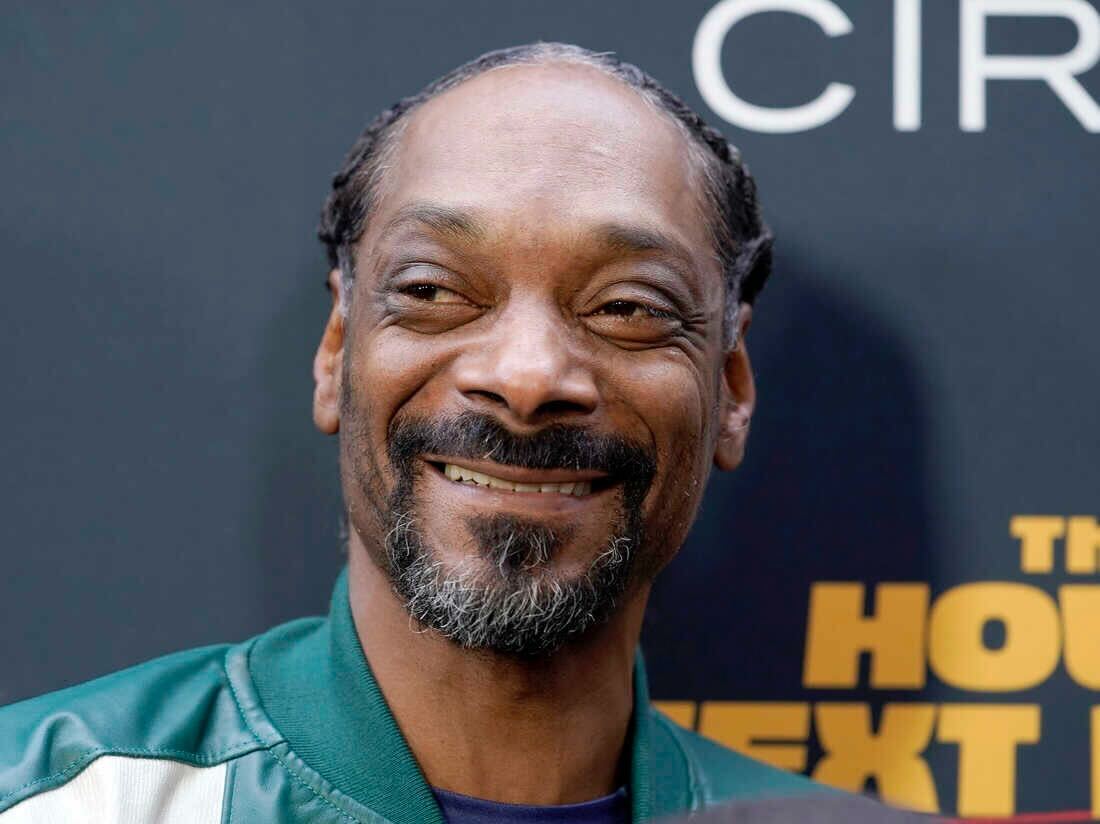
On a crisp October morning, the cultural winds shifted. A man who once stood at the mic with a hesitant tongue now stands beside queer youth, singing a different song. Just two months after dismissing LGBTQ+ representation in children’s media, Snoop Dogg is joining hands with GLAAD to celebrate love in all its forms.
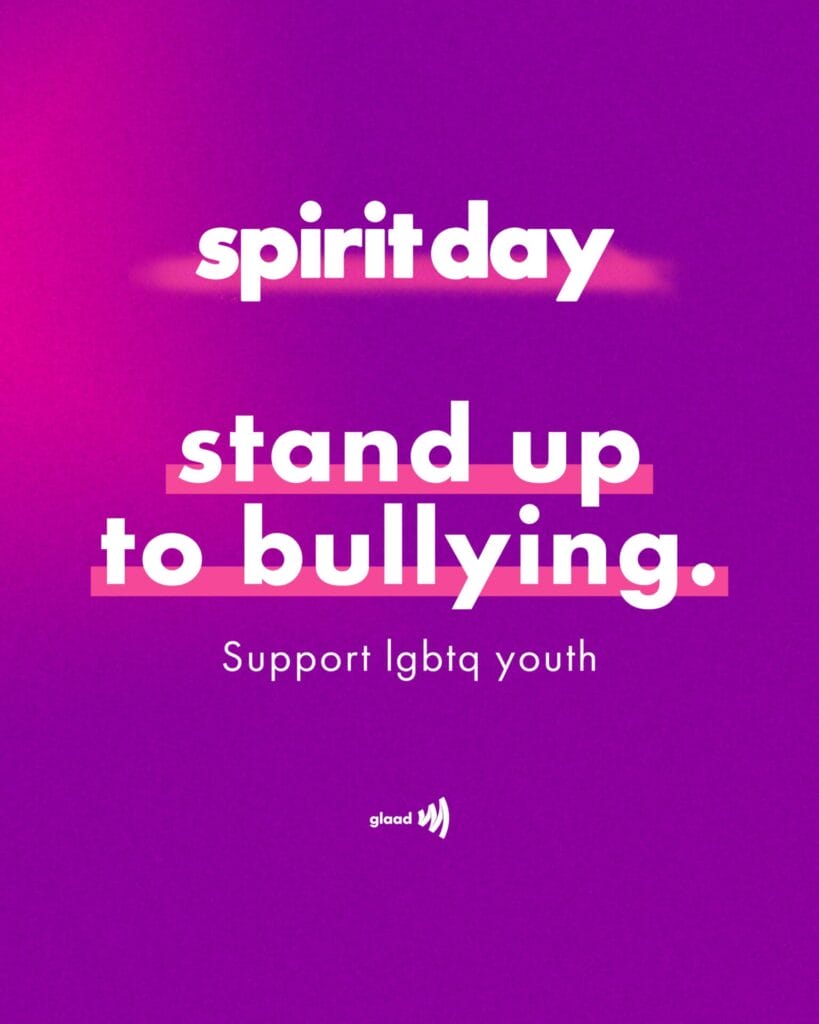
On Thursday, Oct. 16 GLAAD announced a new collaboration with the hip-hop icon as part of Spirit Day, the annual anti-bullying campaign that encourages people to wear purple and stand in solidarity with LGBTQ+ youth. The partnership includes the release of “Love is Love,” a new song created by Jeremy Beloate, an alum of The Voice who performed on Snoop’s team during Season 26 in 2024. The track will be featured in an upcoming episode of Snoop’s children’s series, Doggyland, which has become a colorful corner of the internet for affirming songs and lessons.

But the collaboration isn’t just about melody. It’s a public pivot, and perhaps a lesson in what accountability can look like.
“It’s a beautiful thing that kids can have parents of all walks and be able to be shown love and to be taught what love is,” Snoop said in the new interview. “Because hate is taught, and so is love…whether it’s two fathers, two mothers, whatever it is, love is the key. I think these kids are being loved by these great parents that are, you know, showing them an example of what family is.”
For a man who built his career on rhythm, this moment lands like a beat change, one that calls listeners to notice what happens when the needle moves toward growth.
The turn comes after Snoop’s August criticism of LGBTQ+ inclusion in the Lightyear film. During an interview on the It’s Giving podcast, he said he didn’t want to explain queer relationships to his grandchildren. “I didn’t come here for this sh*t, I just came to watch the godd*mn movie,” he said.
“I’m scared to go to the movies now. Like y’all throwing me in the middle of sh*t that I don’t have an answer for.”
Those words rippled through communities, especially queer Black fans who have long witnessed hip-hop’s complicated dance with queerness. Disappointment echoed, but so did something else—the invitation to grow.
Weeks later, after online criticism from queer communities and allies, including Ts Madison, Snoop posted a comment attempting to clarify. “I was just caught off guard and had no answer for my grandsons,” he wrote. “All my gay friends [know] what’s up they been calling me with love. My bad for not knowing the answers for a 6 yr old…teach me how to learn I’m not perfect.”
In a genre and culture where silence often swallows apology whole, this moment felt different. Not perfect, but intentional.
The new partnership with GLAAD is more than a PR clean-up. It comes tied to Spirit Day, a campaign rooted in protecting queer youth from bullying and violence. For Black and Brown queer youth, that protection isn’t abstract; it’s a matter of survival.
By lending his voice to “Love is Love,” Snoop isn’t erasing the harm of past comments. Instead, he’s acknowledging, however subtly, that learning is ongoing and that growth, like a good beat, can shift the room.
This moment also highlights the growing influence of queer visibility in children’s media. From animated films to YouTube series, representation is no longer relegated to the shadows. For many queer youth, especially Black queer youth, this visibility is a balm against isolation.
Snoop Dogg is a cultural pillar, a figure whose name hums through multiple generations. His pivot matters not because he is the first to fumble, but because his platform can amplify both harm and healing.
Hip-hop has always been a mirror, reflecting both the beautiful and the broken. And when one of its most recognizable figures decides to learn out loud, it sends ripples through that mirror, cracks something open, and it makes room.
None of this should overshadow the labor queer communities have done, for decades, to carve space into places that refused to hold us. But it does signal that conversations long whispered are now being sung, sometimes on children’s shows where the next generation is listening with unfiltered ears.
“Hate is taught, and so is love,” Snoop said, and perhaps that’s the most honest lyric of this new era. The work, as always, will fall on communities, artists, and cultural leaders to make sure love isn’t just sung but practiced.
For queer kids sitting cross-legged in front of screens, hearing those words from a man their parents might have danced to matters.
For the rest of us, it’s a reminder that transformation is not a straight line, it’s a remix.

 Mykel Hilliard
Dec 23 2025
3 mins read
Mykel Hilliard
Dec 23 2025
3 mins read
 Gaye Magazine
Dec 13 2025
9 mins read
Gaye Magazine
Dec 13 2025
9 mins read
 Juhi Page
Dec 11 2025
3 mins read
Juhi Page
Dec 11 2025
3 mins read

Gaye Magazine
Dec 11 2025
1 mins read

Gaye Magazine® is part of Gaye Media, Inc.© 2026 Gaye Media, Inc. All Rights Reserved.
