


 SaintTreyW
May 21
4 mins read
SaintTreyW
May 21
4 mins read
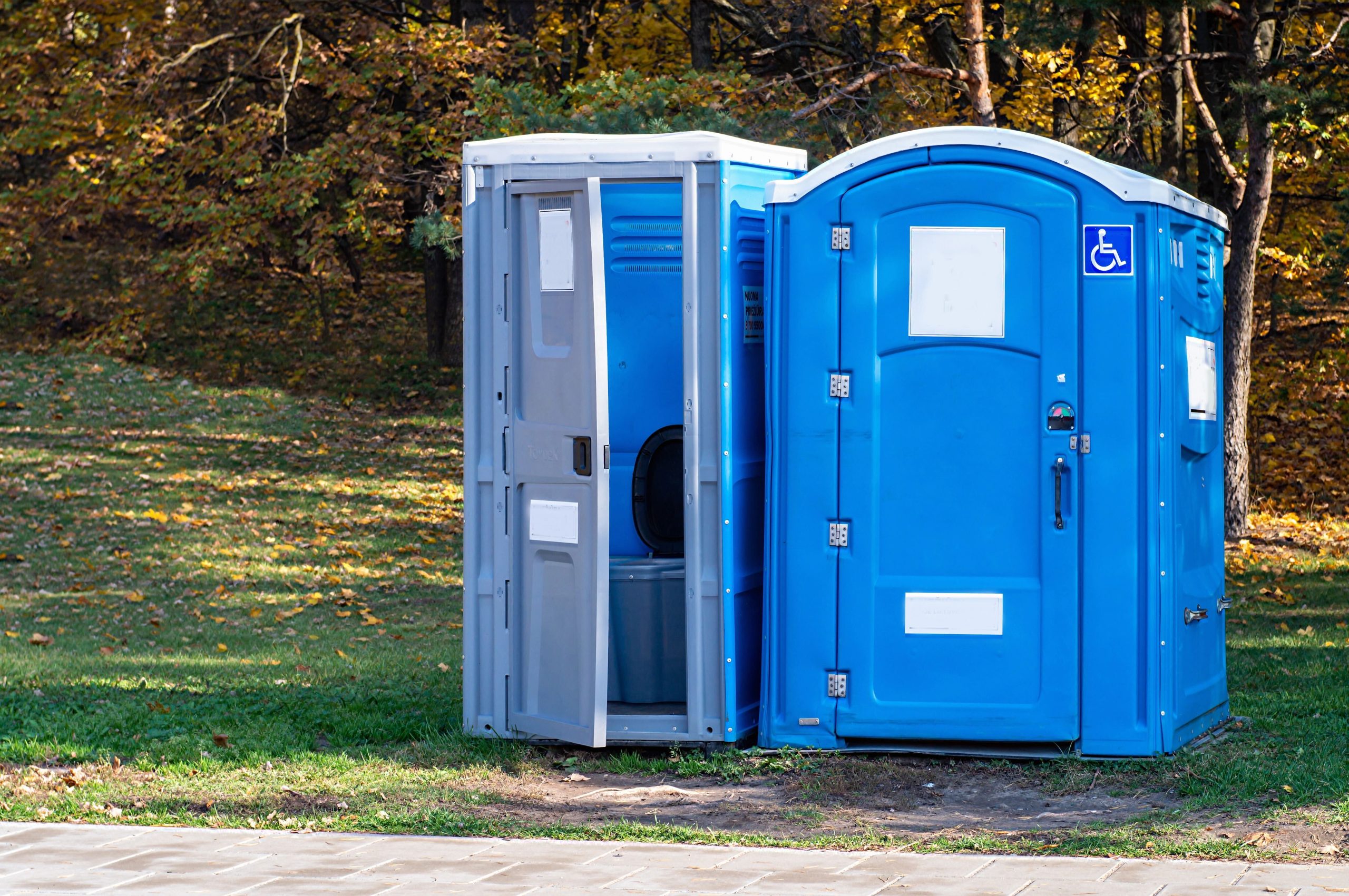
South Carolina Gov. Henry McMaster has signed H.4756, known as the “Student Physical Privacy Act,” requiring public schools and universities across the state to segregate bathrooms, locker rooms, changing spaces, and some student housing based on sex assigned at birth, intensifying South Carolina’s growing restrictions targeting transgender youth.
The law, approved earlier this year by the Republican-controlled South Carolina legislature, applies to all public K-12 schools as well as public colleges and universities. In addition to bathrooms and locker rooms, the policy extends to overnight school trips and shared sleeping accommodations.
Under the statute, schools may offer “accommodations” for transgender students that include access to single-user facilities, temporary exclusive use of a restroom, or a portable restroom or changing facility designated for one person.
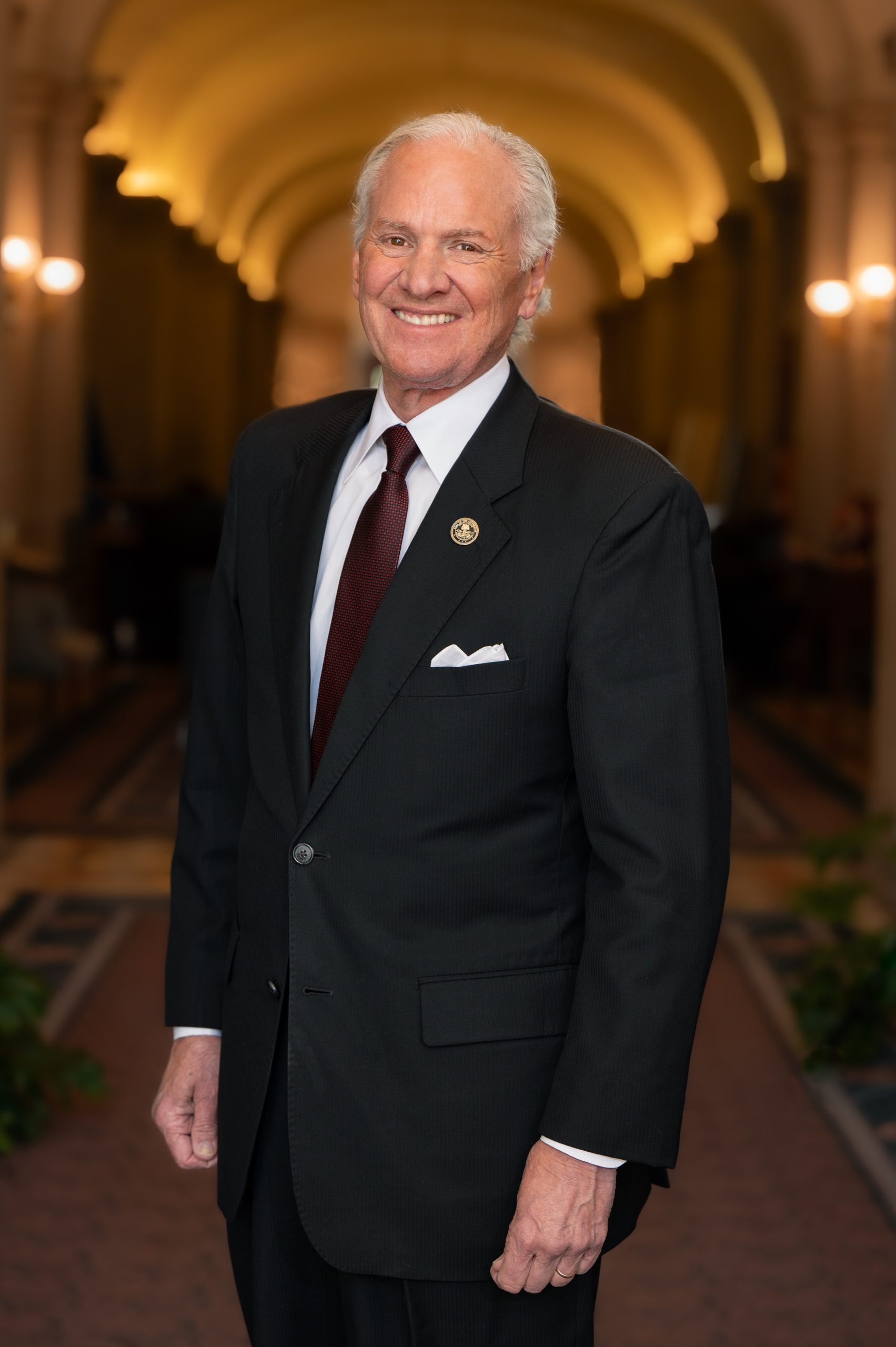
Civil rights advocates say that language effectively opens the door for schools to isolate transgender students in outdoor portable toilets.
The American Civil Liberties Union condemned the measure following its signing, arguing that the law places transgender students at greater risk of humiliation, harassment, and exclusion.
According to the organization, lawmakers amended the legislation during Senate negotiations to explicitly allow schools to install temporary outdoor facilities for transgender students.
Jace Woodrum, executive director of the ACLU of South Carolina and the first transgender person to hold the role, described the law as a political attack disguised as a safety measure.
“We all care about safety and privacy for students; this law isn’t about that,” Woodrum said in a statement. “This law is about making life harder for a small group of students who already face higher risks of bullying, harassment, and violence.”
Woodrum also criticized Republican lawmakers for centering transgender youth in ongoing culture war battles instead of addressing broader issues facing South Carolinians.
“Transgender people have always been a part of our communities,” Woodrum said. “For decades, educators have ensured the safety and privacy of all students without banishing transgender young people.”
The legislation marks the latest escalation in South Carolina’s broader push to restrict transgender rights under McMaster’s administration.
In 2022, McMaster signed legislation limiting sports participation for transgender students. In 2025, he approved a statewide ban on gender-affirming medical care for minors. Advocates say the newly signed bathroom law reaches even further by regulating transgender students’ day-to-day existence in schools, including access to basic facilities.
The law also carries financial consequences for schools that fail to comply. Districts and public institutions found in violation could face statutory penalties and reductions in state funding, placing additional pressure on educators and administrators as they navigate compliance.
South Carolina now becomes the 21st state to enact restrictions preventing transgender students from using bathrooms and locker rooms aligned with their gender identity in schools, according to the Movement Advancement Project.
Supporters of the law framed the measure as a matter of safety and privacy.

Rep. Nancy Mace, who is currently running for governor, praised McMaster for signing the legislation and vowed to aggressively enforce it if elected.
“This is a commonsense law that protects our daughters in South Carolina’s schools and universities,” Mace said in a statement. “Men do not belong in women’s bathrooms. Men do not belong in women’s locker rooms. South Carolina got this right.”
Mace added that she had pushed for similar policies at the federal level and promised strict enforcement statewide.
The congresswoman previously drew national scrutiny after publicly confronting a woman in a Capitol restroom whom she incorrectly believed to be Sarah McBride, the first openly transgender member of Congress.
LGBTQ advocates warn that laws like South Carolina’s contribute to a climate of fear for transgender youth already facing elevated rates of depression, homelessness, and suicide risk.
National LGBTQ organizations and legal groups are expected to challenge similar laws across the country as Republican-led states continue expanding restrictions targeting transgender people in schools, healthcare, athletics, and public life.
For many advocates, however, the most haunting image tied to South Carolina’s new law is not buried in legislative text but in what it symbolizes: transgender students being told there is no place for them inside the building at all.

 Zuri Pryor-Graves
Oct 2
5 mins read
Zuri Pryor-Graves
Oct 2
5 mins read

SaintTreyW
Sep 30
7 mins read

SaintTreyW
Sep 30
3 mins read

SaintTreyW
Sep 25
6 mins read

Gaye Magazine® is part of Gaye Media, Inc.© 2026 Gaye Media, Inc. All Rights Reserved.