


 SaintTreyW
Nov 22
17 mins read
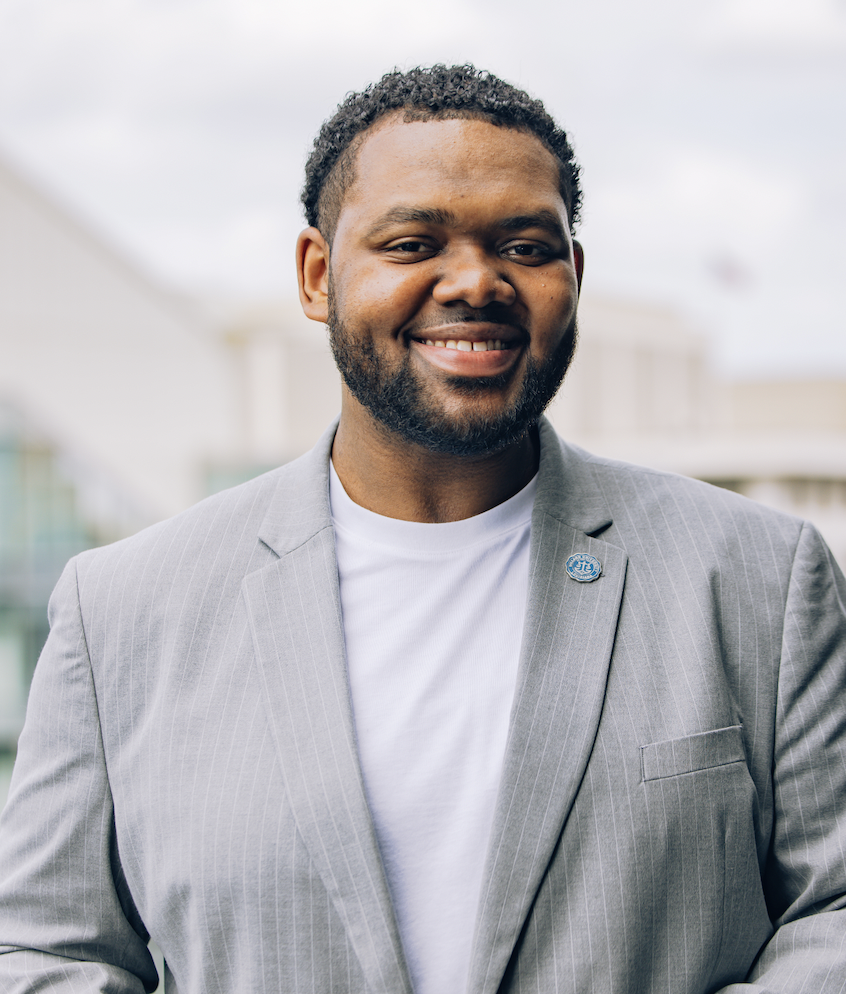
It was July 2018, and I was a senior staffer on Stacey Abrams’ campaign for governor of Georgia. We needed someone to lead our volunteer and internship programs. I had interviewed two other candidates. I understood the responsibilities of the position, and I had ideas about what the programs could become. And I did not want to hire someone merely to carry out a vision I had already finished imagining.
Then I met Tevon Blair.
What I remember first is his ebullience. There was something expansive about it, an energy that made me think this young man was special. I could not have known, in that first conversation, everything he would bring to the work. An interview gives you a person in outline. Working together reveals how they handle responsibility, what they notice, and whom they make room for.
I hired him as our volunteer and internship coordinator. It remains one of the best decisions I made on that campaign.
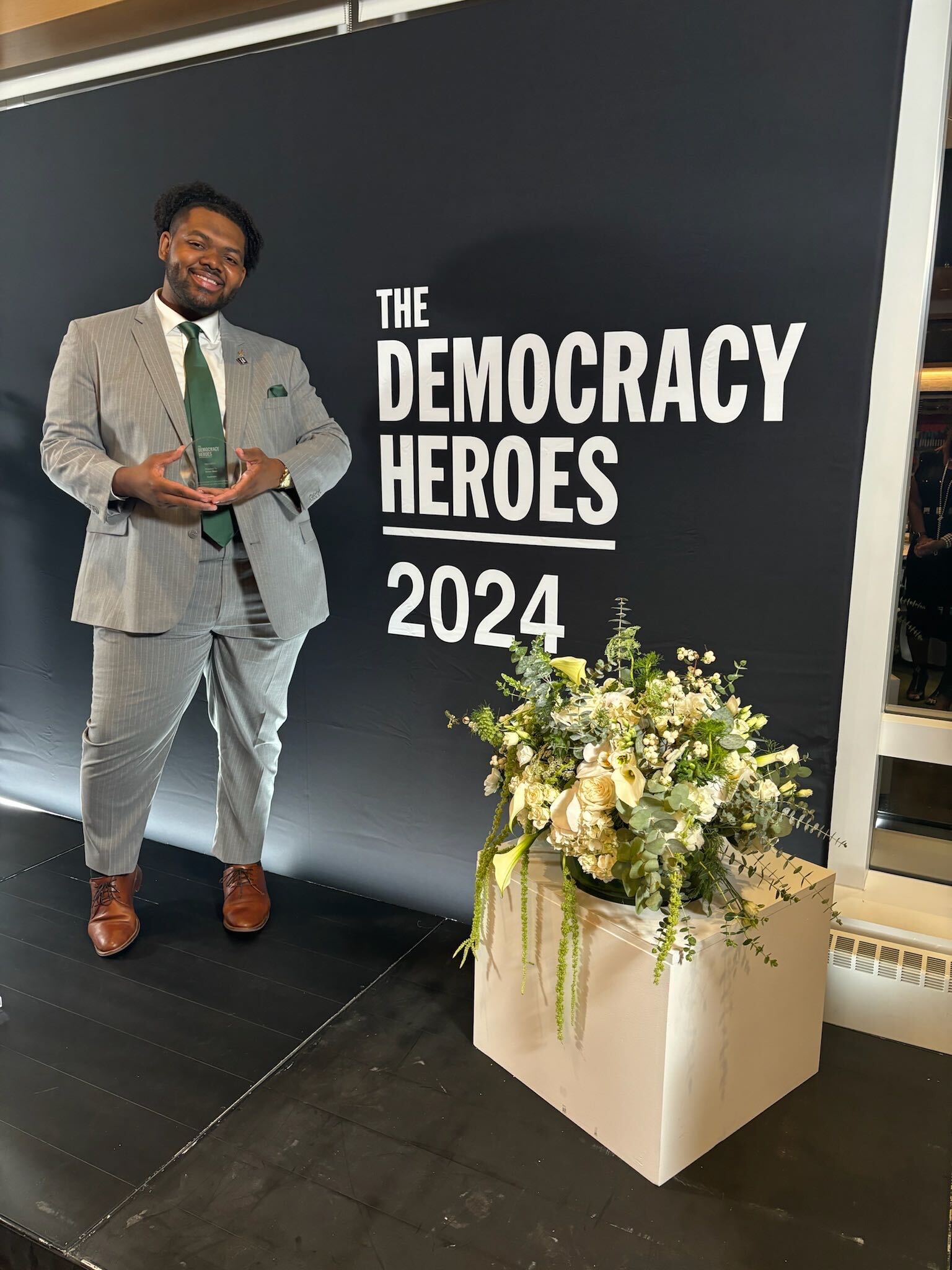
In the work that followed, Blair became one of the sharpest minds I have worked with. He built a program more ambitious than any I had seen in my political career. What distinguished him was not simply his ability to organize people. Plenty of people can assign a task, fill a shift, or keep a program moving. Blair understood that responsibility could change a person’s relationship to the work. Trust someone to help shape an effort, and they might begin to recognize themselves as a leader.
I have returned to that understanding while listening to the students he works with now.
They describe someone who takes their ideas seriously before those ideas have received an institution’s approval. Someone who can discuss a campus project and make time for the personal hurt a student brings to the same conversation. Someone willing to challenge the belief that losing an election means losing the right to lead.
For a young person learning how power works, the first consequential question may be whether anyone believes they should have some. The answer can arrive through a leadership opportunity, a conversation after a disappointment, or the willingness of an experienced organizer to help turn an uncertain proposal into something possible.
That is the thread connecting the young man I hired to the work Blair now leads through Xceleader and its nonpartisan civic engagement program, Vote HBCU. His concern is larger than whether students at historically Black colleges and universities cast a ballot in a particular election. It reaches into the conditions that make participation possible, access, knowledge, relationships, and the confidence to act.
It also reaches students whose belonging can feel conditional, including queer students asked to make themselves less visible to remain acceptable.
I think about the room I wanted to give Blair in 2018. I offered a job with space to shape it. What he made of that opportunity taught me something about leadership I am still measuring, which is how much becomes possible when the person entrusted with responsibility understands that it must be extended to others.
To exist at the intersection of Black and queer throughout history has always been an act of activism. For Tevon Blair, it is not a political position. It is his beginning and his north star.
Blair’s roots begin in Chicago, the same city where a young Barack Obama spent years as a community organizer on the South Side before ascending to the Illinois state senate and, eventually, to a historic presidential run the world is still reckoning with. Activism and the representation of possibility have always lived at Blair’s front door. They shaped his understanding of what change, rooted in community, could actually look like. And they set him on a path toward building a legacy of his own.
That path began in student government at Kenwood Academy in Hyde Park, Chicago, and followed him south to Dillard University in New Orleans, which is recognized as the oldest historically Black institution of higher learning in Louisiana, where he served as Student Government Association president.
“It showed me the importance of community building, how we utilize our voice, how we come together, and how our differences can actually bring us together.
“Seeing David Duke run for office in that Louisiana Senate race, that was a moment,” he continued. “And it became even more personal when Duke appeared on Dillard University’s campus while I was serving as SGA president.”
“That is where I learned how to bring people together to drive action for change,” Blair said. “It taught me community building and crisis management at the same time. Communities have to find common ground and level footing to create change. That experience was my first real example of what a student movement could look like.
What came after reads like a blueprint for a generation: service at the United Negro College Fund, work with the Human Rights Campaign, and a role as deputy press secretary for Stacey Abrams during her 2022 Georgia gubernatorial campaign. Abrams made history that year as the first African American woman to become a major party gubernatorial nominee, a milestone that laid the cultural and political groundwork for the newly elected Keisha Lance Bottoms, the first black woman to be elected to become governor of the state of Georgia.
Every one of those chapters handed Blair something. And the pattern pointed to the same place every time: the persistent gap between the urgency of the Black vote and the infrastructure available to turn that urgency into action. Voter education, ballot comprehension, and civic leadership. The machinery required to ensure that when the moment comes, the community does not just show up to the polls but shows up prepared for the task at hand.
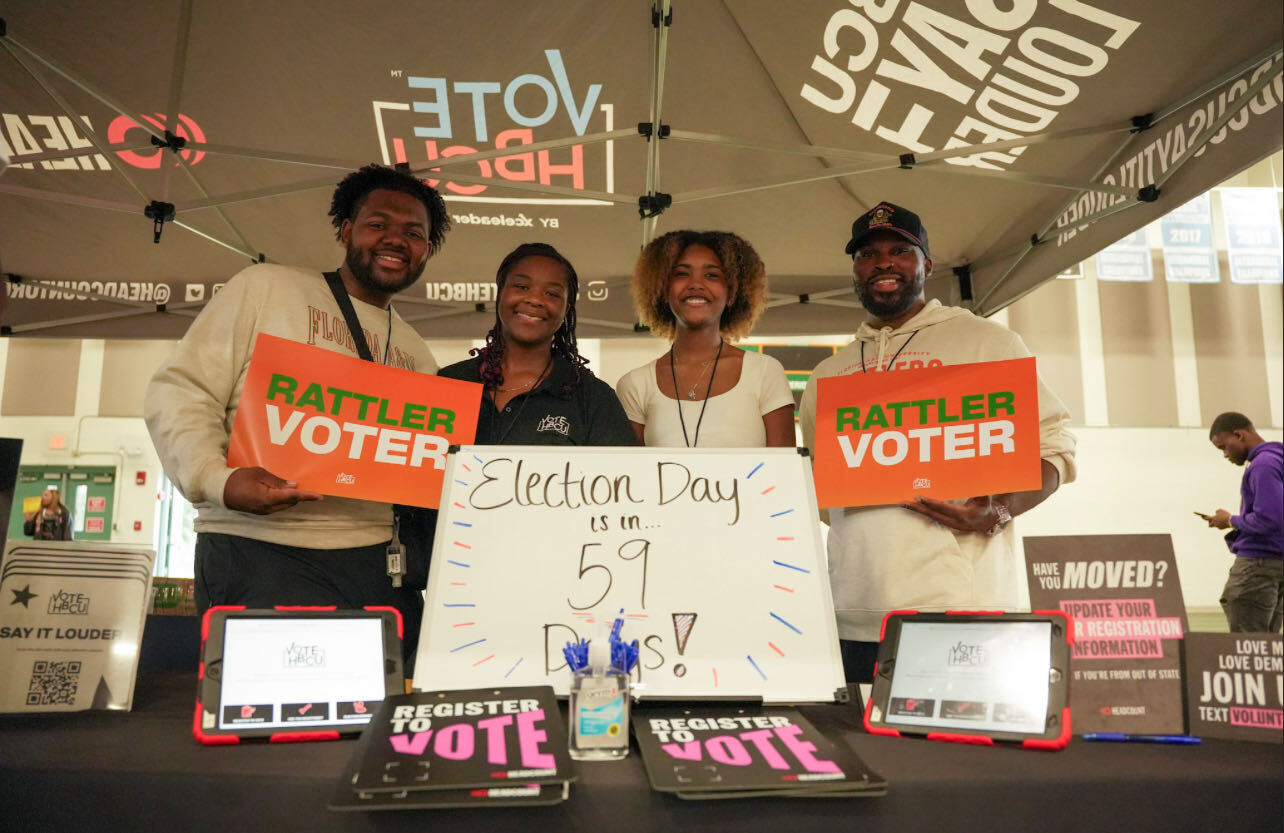
Blair is addressing that gap head-on. And he is doing it in the same spaces that have served as the central meeting ground for every major movement in African American history: Historically Black Colleges and Universities. The campuses that once hosted the rallies, sit-ins, and strategy sessions that produced the architects of the Civil Rights Movement are now facing a leadership crisis that is both statistical and urgent.
“From the foundation of HBCUs, students and professors have always been at the forefront of change,” says Tevon Blair.
The numbers are blunt. According to a 2024 study by the American Institute for Boys and Men, Black men make up approximately 26 percent of the student population at HBCUs. In 1976, that number was 38 percent. Since 2010, Black male enrollment at HBCUs has fallen 25 percent, a steeper drop than the 22 percent decline across all colleges. Meanwhile, non-Black students now make up roughly a quarter of HBCU enrollment, nearly matching the share of Black men on those same campuses.
Those numbers do more than shrink a headcount. They thin out the leadership bench. Research on Black men at HBCUs has found that campus leadership roles are where these students build resilience and undergo personal transformation. Fewer Black men on campus means fewer Black men in those rooms. That’s fewer SGA candidates, fewer organizers, fewer young men practicing leadership before the world demands it of them.
That is the contradiction at the heart of this moment. These are the institutions that gave the world Martin Luther King Jr., John Lewis, Jesse Jackson, and Booker T. Washington, men whose leadership was forged on these campuses and who went on to change the country.
Today, the young men HBCUs were built to cultivate are slipping out of the pipeline at the very moment their voices are needed most. What that means for HBCU identity, for Black male leadership and for the civic future of a generation is exactly the question Tevon Blair has decided to answer. Vote HBCU.
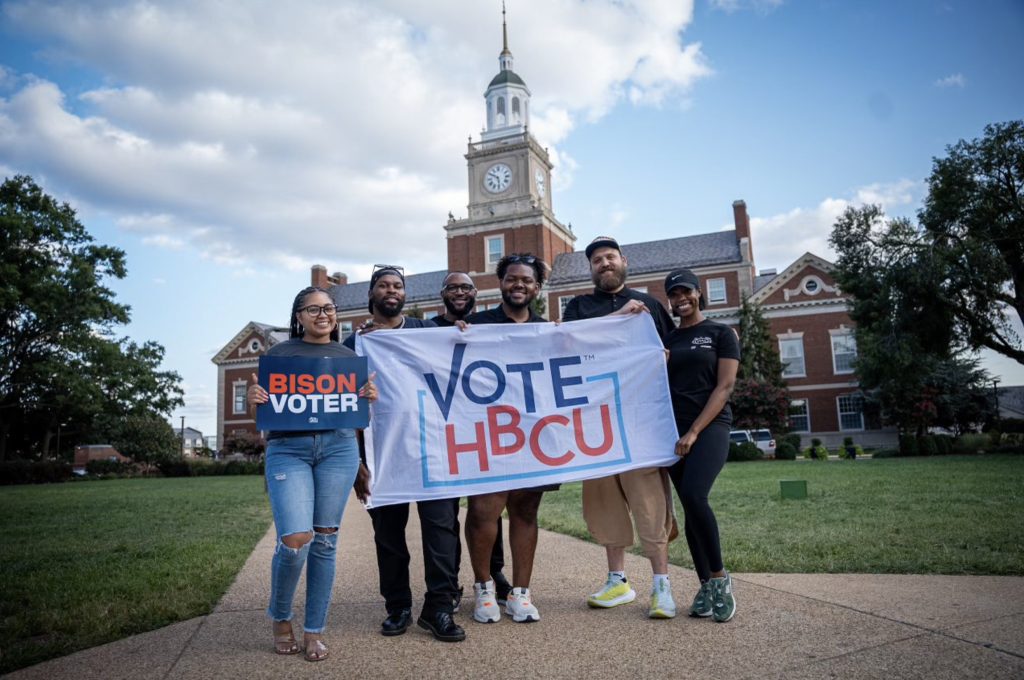
“Understanding the legacy of HBCUs, these students have always been at the forefront of change. HBCUs give students the power to show up as themselves — as leaders for the moment, to drive impact and change no matter where they are. HBCU culture is built by its students, and that legacy lives on through the student experience to the alumni. It may look different per decade, but the ethos remains the same because it is timeless. A common bond, a common thread, a common experience binding us through the hands of time from orientation to graduation. The deepest love a student can show is advocating for change, no matter where they are.”
Ask what Vote HBCU does, and Robert Smith offers something more revealing than a description of a voter registration drive. He explains that Blair asks what he wants to build.
For Smith, a political science student at Hampton University, that question carries weight. He told Gaye Magazine that Vote HBCU gives him room to develop an idea, including ideas that encounter resistance from campus rules. Blair’s role, as Smith describes it, is to help him find a way forward.
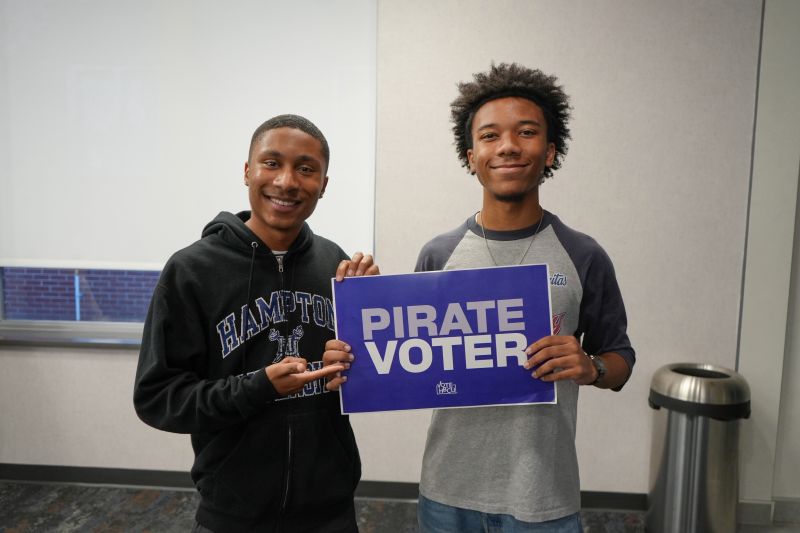
An institution’s first answer does not have to become the limit of a student’s imagination. Learning how to revise a proposal, identify another route, or ask a better question is part of learning how to organize. It is also a lesson in the difference between encountering authority and surrendering judgment to it.
That relationship helps explain the program.
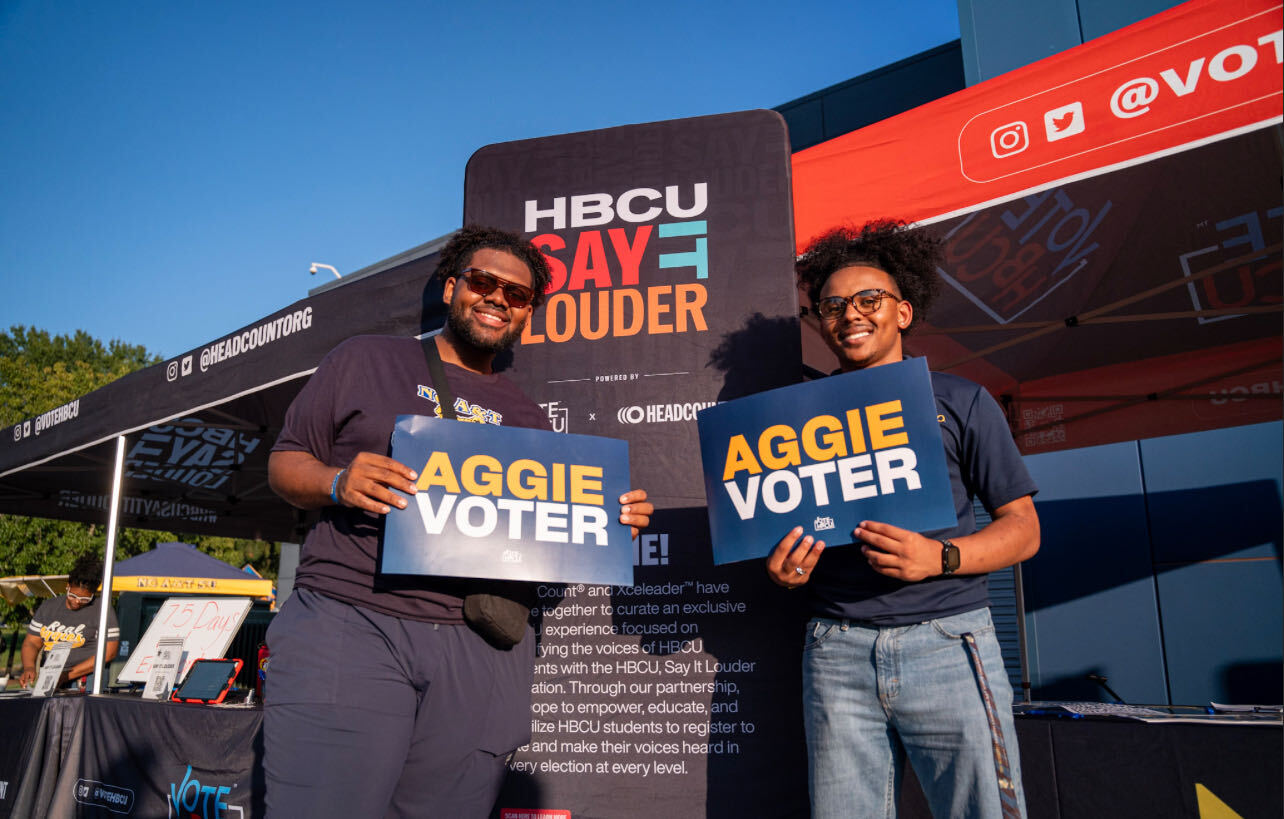
Vote HBCU is Xceleader’s nonpartisan civic engagement initiative, launched in 2020 to support student participation at historically Black colleges and universities. Campus visits began the following year. Its work includes the Say It Louder tour, voter education, panel discussions, shared resources, and student fellows who help organize on their own campuses.
As Inside Higher Ed reported in 2024, the program has also held events in non-election years, making continuity part of its approach rather than treating it as an aspiration.
The fellows matter because a campus is a community with its own habits, relationships and ways of deciding whom to trust. A visitor can arrive with accurate information and still misunderstand the people being asked to use it. Students know which conversations are already happening, which organizations bring people together, and where an unfamiliar group’s invitation might meet skepticism.
Vote HBCU brings civic education into that existing life.
In 2024, Inside Higher Ed reported on a Say It Louder stop at Virginia State University’s Yard Fest. The event combined voter registration and a civic engagement panel with games, cheerleaders and performances by members of historically Black fraternities and sororities. Blair told the publication that at least 77 students registered to vote. The setting made room for a political conversation within an occasion students already had reason to attend.
The point is not that students must be entertained into caring. It is that organizers should recognize where students already gather and what makes those spaces meaningful. Civic life does not begin only when the music stops.
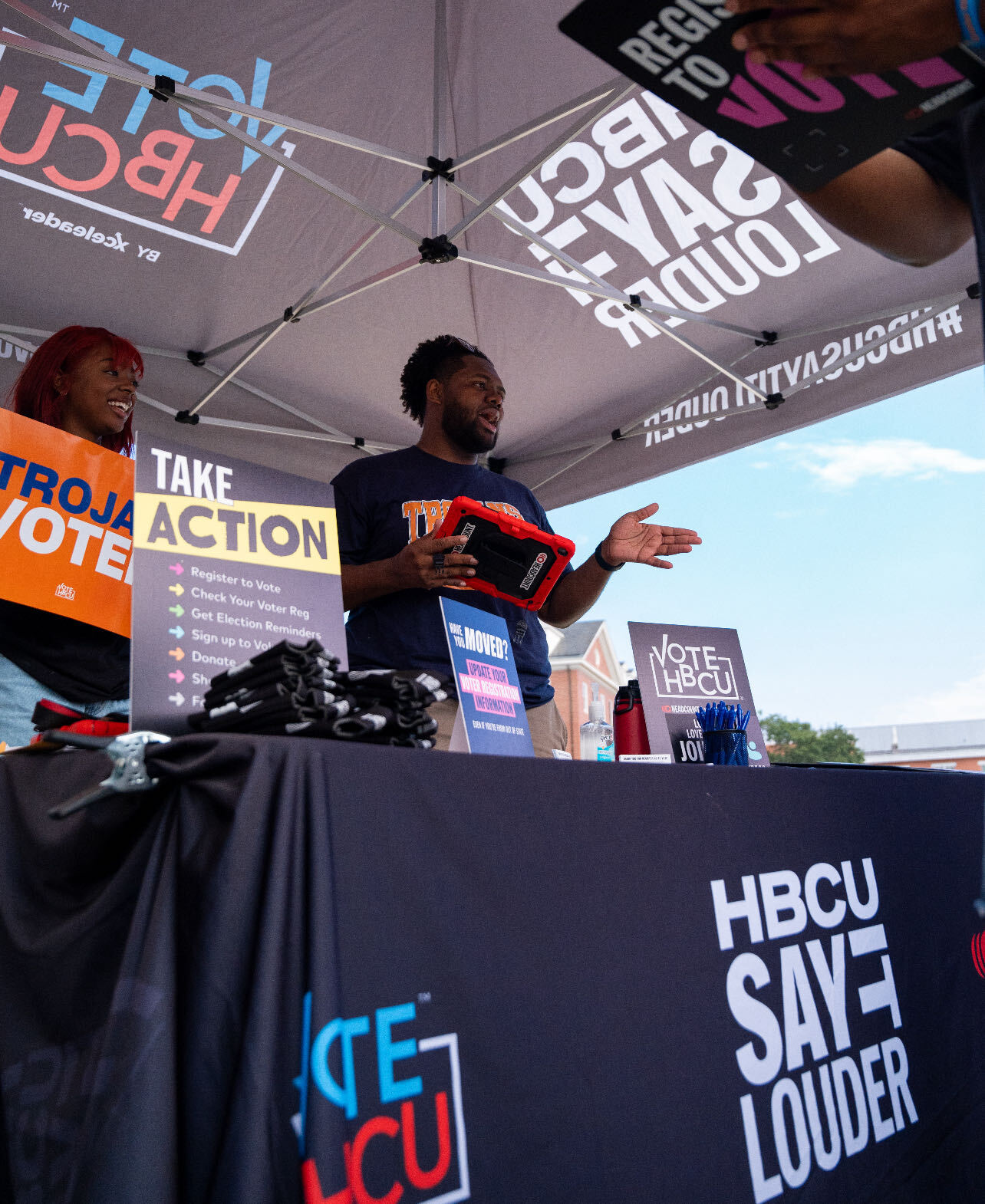
For Blair, the approach also answers an experience he remembers from his own college years– organizations and campaigns arriving during presidential elections, asking students to vote, then disappearing. He told Inside Higher Ed that he wanted HBCU alumni to provide nonpartisan education about how voting works and why it matters, with a presence that continued beyond presidential campaigns.
Vote HBCU’s purpose is to help students participate, not direct their choice of candidate. In the same interview, Blair explained that fellows are responsible for making sure their campus communities are educated, rather than telling them whom to support.
Winston Williams, a Vote HBCU fellow and recent North Carolina A&T State University graduate now pursuing graduate study, describes a program meant to reach beyond students already drawn to politics.
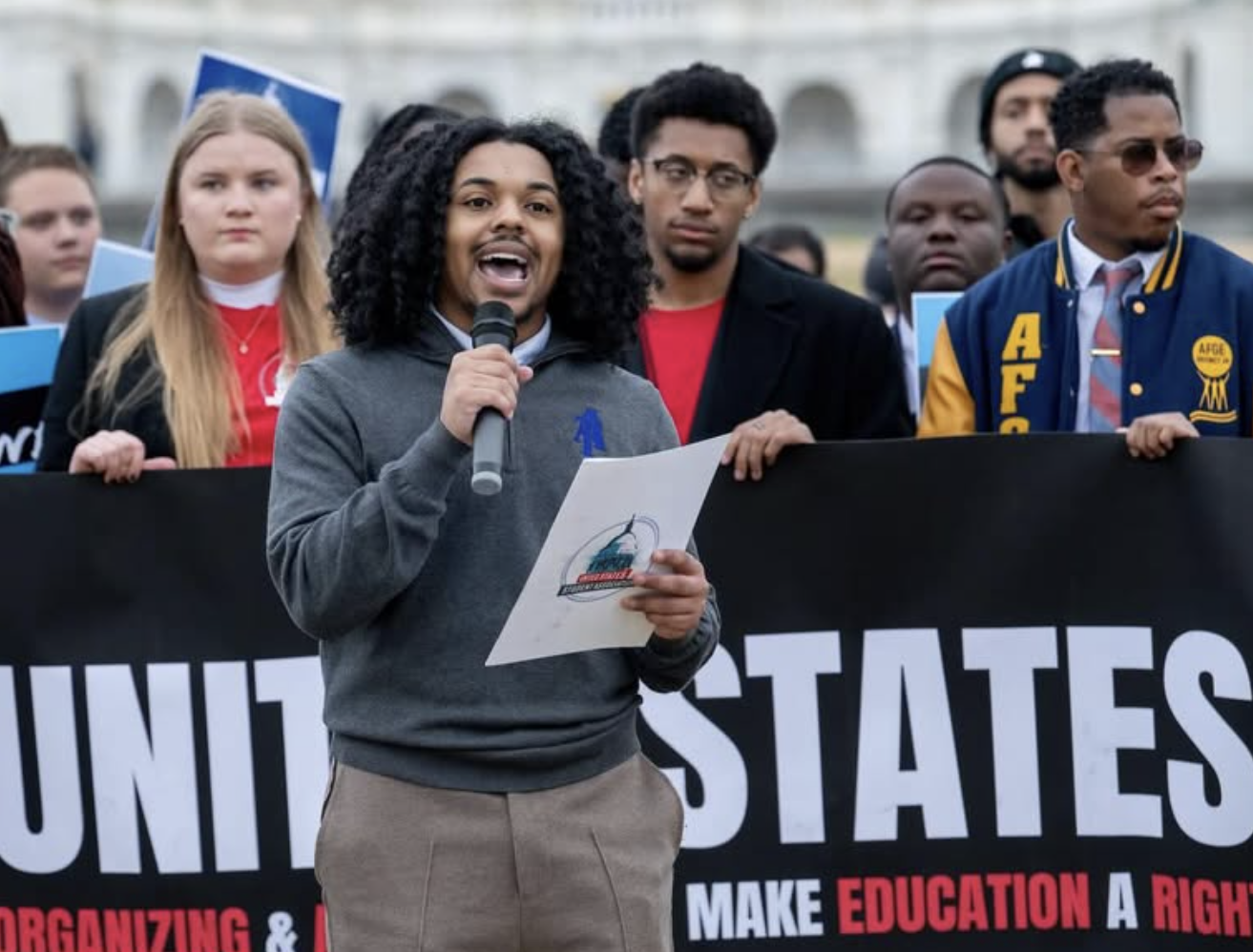
Speaking with Gaye Magazine, he pointed to the athlete, the engineer, and the culinary student who simply wants to understand what is on the ballot. His examples resist the idea that civic engagement belongs only to political science majors, student government officers, or young people already comfortable approaching a microphone.
Through Smith’s account, the program becomes legible as a practice of attention. Someone asks what you want to do, helps you understand the rules, and stays in the conversation long enough for an idea to become work you can carry into the world.
The figures can establish scale. Robert Smith and Winston Williams describe what happens inside the relationship.
Their accounts do not prove that every fellow has the same experience, nor can they establish Vote HBCU’s effect on election outcomes. What they offer is another kind of evidence: how students understand the leadership being practiced around them, and what that practice makes possible in their own lives.
For Smith, the work became personal during a painful stretch at Hampton University. He told Gaye Magazine that he believed his sexuality had kept him from being considered for campus opportunities. He reached out to Blair, who made time to talk him through it.
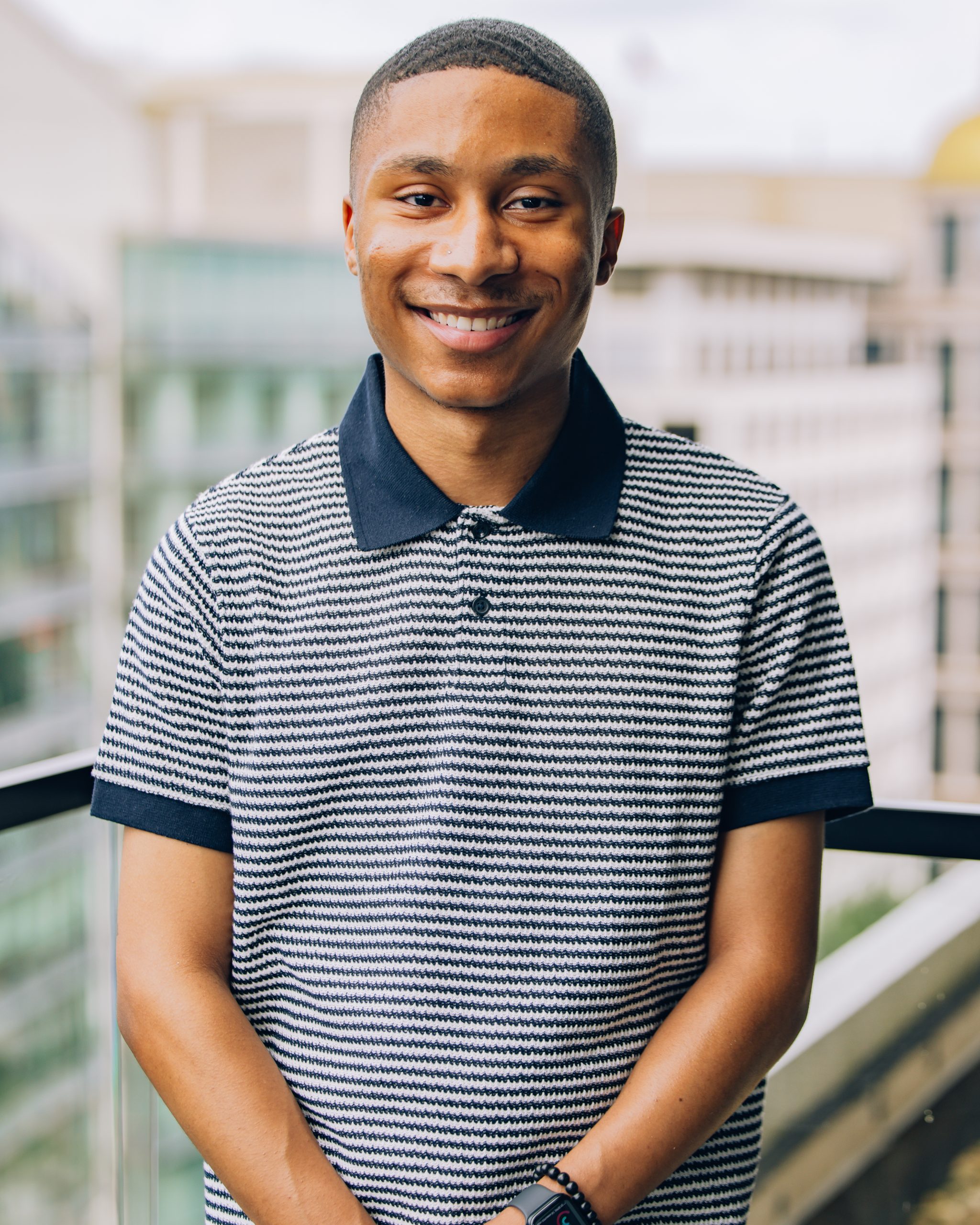
There is an entire structure of conditional belonging inside that distinction. Acceptance remains available, but the person receiving it must determine how much of himself to withhold. Visibility becomes something to calculate. Ambition carries an additional question: will the way I exist be held against the work I want to do?
Smith’s account is his own. It should not be made to stand for every queer student at Hampton or every HBCU. However, its specificity deserves more than a passing acknowledgment. He is describing what he experienced as a limit on opportunity, not simply a disagreement about campus culture.
That matters in an article about political power. Before an institution can celebrate the leaders it produces, it has to contend with whom it recognizes as eligible to lead. Talent does not stop existing because an institution is uncomfortable with the person carrying it.
Blair’s attention could not resolve every condition Smith described. A fellowship cannot promise protection from discrimination, and a supportive conversation cannot substitute for institutional accountability. Still, Smith experienced that attention as genuine. He told Gaye Magazine that Blair was available for both the practical demands of a campus project and the emotional demands of navigating campus as an openly gay student.
The two concerns were allowed to occupy the same relationship. Smith did not have to arrive only as a promising fellow, leaving the rest of his life outside the conversation.
His observation gives visibility a purpose beyond recognition. One person’s openness can interrupt another person’s isolation. It can make a possibility imaginable before the person watching has language for it.
For Williams, a recent North Carolina A&T State University graduate pursuing graduate study, the fellowship began with a different uncertainty of what kind of person he was expected to be in the room.
He told Gaye Magazine that he arrived at his interview in a full suit. Blair laughed and told him it was not that kind of interview. Williams remembered a line Blair often repeats to students: “We take our work seriously, not ourselves.”
Seriousness did not require an elaborate performance of importance. Students could bring commitment without first demonstrating that they had mastered every convention associated with authority.
A harder lesson followed. After losing three student government elections, Williams began to question whether he could call himself a leader without a title. Blair challenged the assumption.
“It’s really not just about the title; it’s about the work,” Williams told Gaye Magazine.
For a student who had repeatedly sought an elected position, that understanding changed the terms of the question. An election could decide who held office without deciding who remained capable of serving. Williams could continue organizing, contributing and responding to other people’s needs. The work did not require him to wait for an electorate to return a different answer.
His advice to organizers reflects that change. Meet the two or three people who arrive where they are, he said, “because they still showed up.”
It is a modest instruction with demanding implications. The people in front of an organizer cannot become a disappointment simply because there are fewer of them than expected. Their presence is already a commitment. Whether they are treated as worth the effort may shape whether they return.
Williams applies that same attention to the larger campus.
“You can’t create campaigns and material for a student body or a demographic that you don’t know or care to know,” he said.
The final phrase carries the responsibility. Knowing a community requires more than possessing information about it. It requires curiosity, patience, and a willingness to let actual people complicate the audience an organizer imagined.
Smith and Williams describe different encounters with the same underlying practice. One needed room to develop ideas while navigating the pain of conditional acceptance. The other needed a way to understand leadership after electoral defeat. Neither account can be reduced to a voter registration total. Both explain why a student might trust the person asking him to participate.
In the days after an election, attention moves quickly toward winners, margins and the governing power the results confer. Students remain on their campuses, living with the arrangements that made participation straightforward, difficult or uncertain.
The question for Vote HBCU is what remains with them, too.
An election can end without resolving whether a student knows how to organize a project, challenge a rule, or find the people who will help sustain an effort. It can end without changing the conditions under which a queer student feels permitted to lead. Those questions belong to political life even when no campaign is asking them.
HBCUs have a history that makes the distinction especially consequential. In April 1960, student activists gathered at Shaw University in the meeting that led to the formation of the Student Nonviolent Coordinating Committee. The gathering followed the student sit-ins spreading across the South. A campus became a site where young people could turn an immediate demand into an enduring organization.
That history is often invoked as a source of pride. It should also shape what institutions and organizers believe students are capable of doing now. Honoring young people who challenged authority in the past creates an obligation to take young people’s judgment seriously in the present.
The obligation includes practical access.
Ahead of the 2026 midterms, North Carolina A&T did not receive an on-campus early voting site. Precision matters: As WRAL and PolitiFact explained in reporting published by WFAE, the university had hosted early voting during presidential elections, including 2024, but had never hosted it during a midterm. Describing the site as having been “removed” obscures that history. It is more accurate to say that a campus site was not selected for the midterm.
The distinction corrects the record. It does not settle whether the arrangement adequately served students.
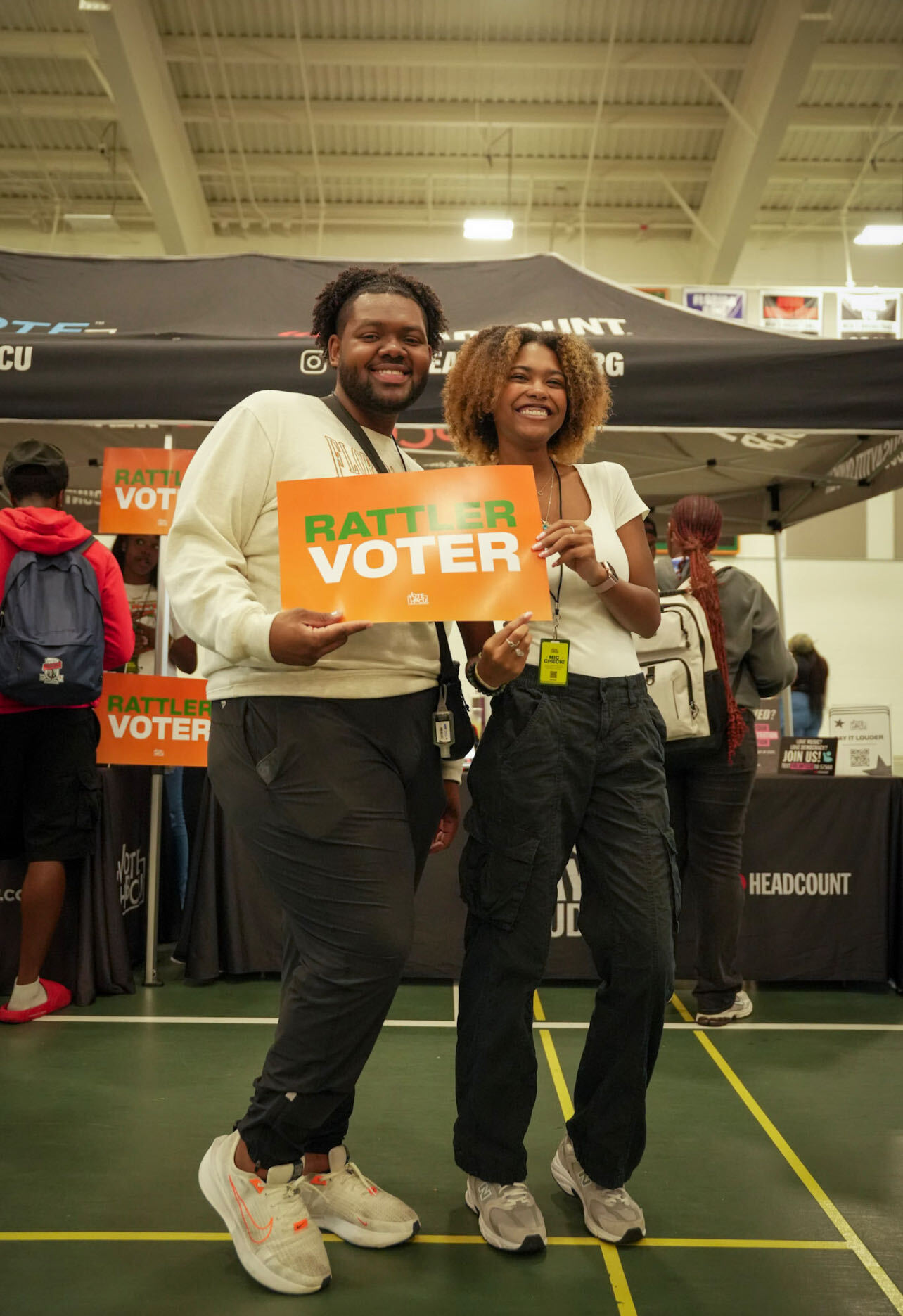
In October, North Carolina Newsline reported that hundreds of A&T students walked about 40 minutes from campus to an early voting location. The march demonstrated collective purpose. It also made visible the time and coordination required to reach a service that had been available on campus during the previous presidential election.
Students’ determination deserves recognition without becoming an excuse to leave obstacles intact. A successful march can show that organizers responded to a problem; it cannot, by itself, establish that the problem was acceptable.
The same standard belongs inside the institution. If students are encouraged to exercise political power beyond campus, their ideas and identities must also receive serious consideration within it. Smith’s account raises that question directly. What does an institution teach about leadership when a student believes opportunity depends on making his queerness less visible?
There is no need to collapse a dispute over polling access and an experience of conditional belonging into identical harms. They operate differently and require different responses. But both ask who must absorb an additional burden before participation becomes possible.
Blair’s work addresses those burdens at the scale of a relationship: explaining a process, helping revise an idea, making time after a disappointment. That scale has limits. Mentorship cannot replace an accessible voting system or an institution’s responsibility to address discrimination. It can help students acquire the knowledge, confidence, and relationships to demand those things.
This is the political significance of staying beyond Election Day. Students become more than an audience to mobilize when their participation matters to someone else’s immediate objective. They become people whose capacity deserves sustained investment.
After the votes are counted, the work still needs places to happen, people to carry it, and young leaders who know their authority does not begin and end with an election result.
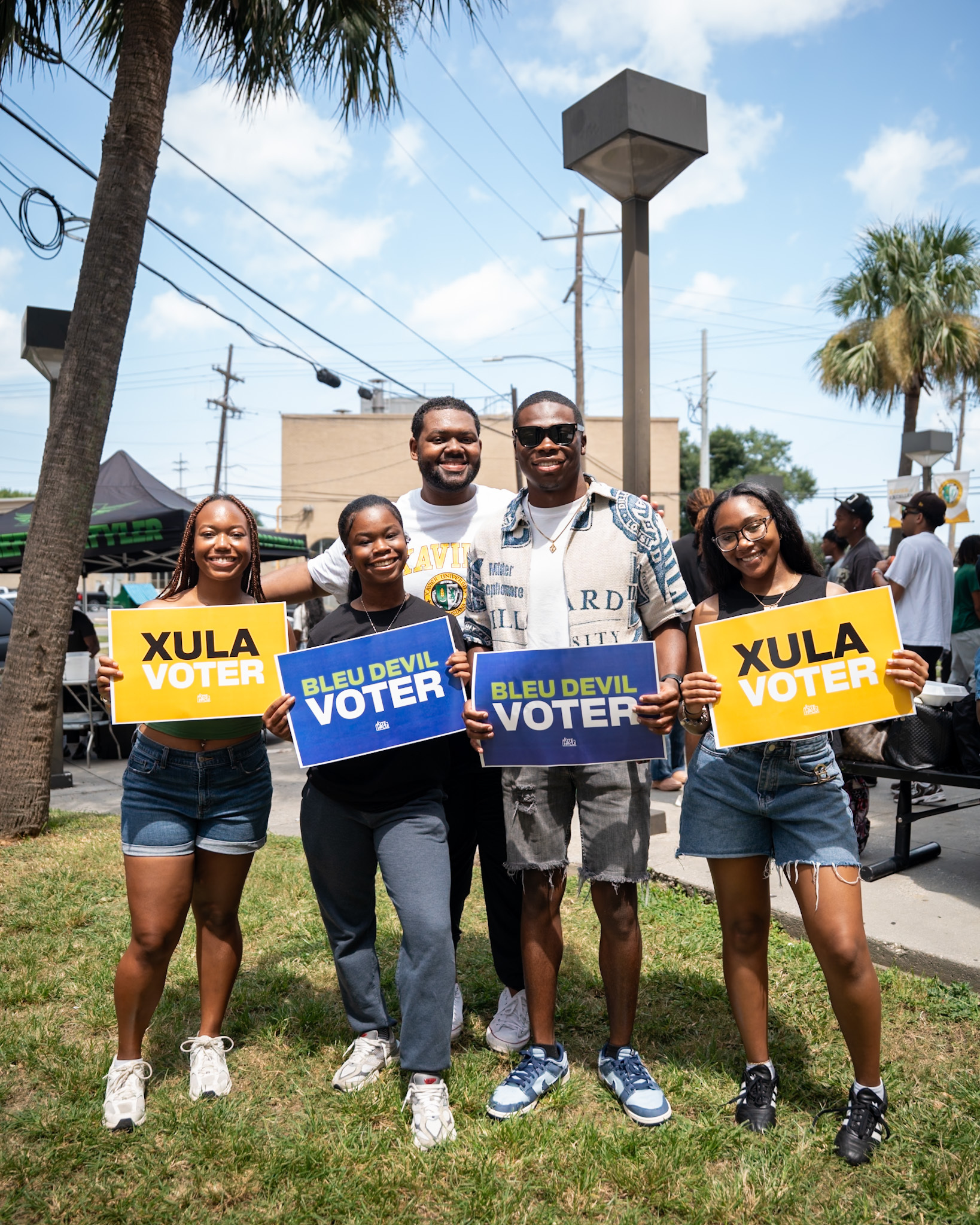
At a moment when HBCUs have never been more visible in popular culture, when the Yard has become a campaign stop, when HBCU homecomings trend nationally, Tevon Blair is thinking about what visibility alone cannot do.
“The larger name schools may get the high visibility through culture,” Blair says, “but each HBCU has importance. There are many schools doing amazing things that the larger community may not even know about. What binds us is the community. We all experience the same issues, be it financial aid, housing, whatever it may be. That level of visibility needs to be extended across the entire network.”
The history backs him up. Dr. Norman C. Francis, the longest-serving college president in American history, built Xavier University of Louisiana into a national model for Black academic excellence without the benefit of a cultural moment. Mayor Marc Morial, former president of the National Urban League, carried the politics of HBCU formation into the highest levels of civic leadership. Prairie View A&M students helped reshape the legal landscape of voting rights when they took their case all the way to the Supreme Court in Symm v. United States in 1979 and won. Kamala Harris walked out of Howard University and into history. The throughline is not the name on the diploma. It is the experience inside the institution and the understanding, shared across every campus in the network, that these schools have always been training grounds for people this country was not yet ready to fully see.
That is what Blair is protecting. And he is doing it at a time when the information environment surrounding young Black voters has never been more hostile. The rise in misinformation is not a generational irony. It is a targeted strategy. A generation with more access to information than any before it is also the most aggressively misled. The antidote, Blair believes, is not more content. It is deeper civic infrastructure. Students who do not just know how to vote but understand what they are voting for, why it matters, and what has been done throughout history to keep their voice out of the room.
That infrastructure, Vote HBCU, is Blair’s answer to the gap between cultural visibility and civic readiness. It is not a registration drive. It is a leadership pipeline, built campus by campus, designed to produce students who understand the ballot as an extension of the same tradition that produced every name on that list. The same fire that sent Prairie View students to the Supreme Court. The same conviction that carried Kamala Harris from Howard to the national stage. Blair is not asking this generation to start something new. He is asking them to continue something old, with the tools and the training to do it right.
The future of Black civic power depends on this current generation of young people. Not as a talking point. As a structural fact. The precincts surrounding HBCU campuses are consequential. The students inside those campuses are eligible, motivated, and ready.
What they need is what Vote HBCU was built to provide: the education, the leadership development, and the shared community model that reminds every student, regardless of which HBCU they call home, that they are part of something that has always been bigger than any one campus, any one election, or any one moment in the culture.
Tevon Blair is not waiting for the next cultural moment to make that case. He already knows what is at stake. He learned it on the South Side of Chicago. He deepened it at Dillard. And he is building it, one student at a time, into something this generation can carry forward.
The work is not finished. It never was.
SaintTreyW
Nov 21
4 mins read
SaintTreyW
Nov 15
6 mins read
 Mykel Hilliard
Nov 11
7 mins read
Mykel Hilliard
Oct 29
11 mins read

Gaye Magazine® is part of Gaye Media, Inc.© 2026 Gaye Media, Inc. All Rights Reserved.