


 Zuri Pryor-Graves
Jul 24
8 mins read
Zuri Pryor-Graves
Jul 24
8 mins read
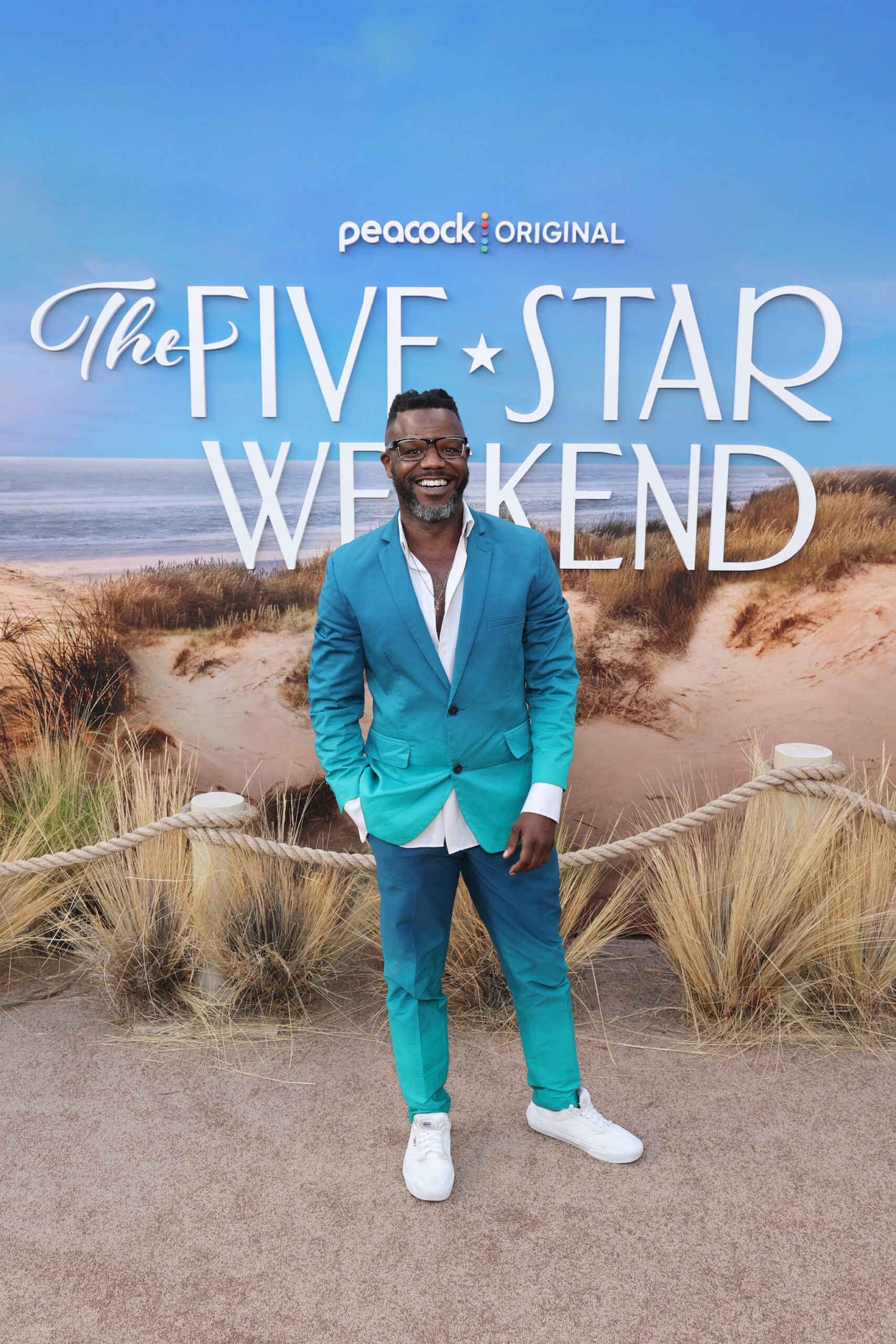
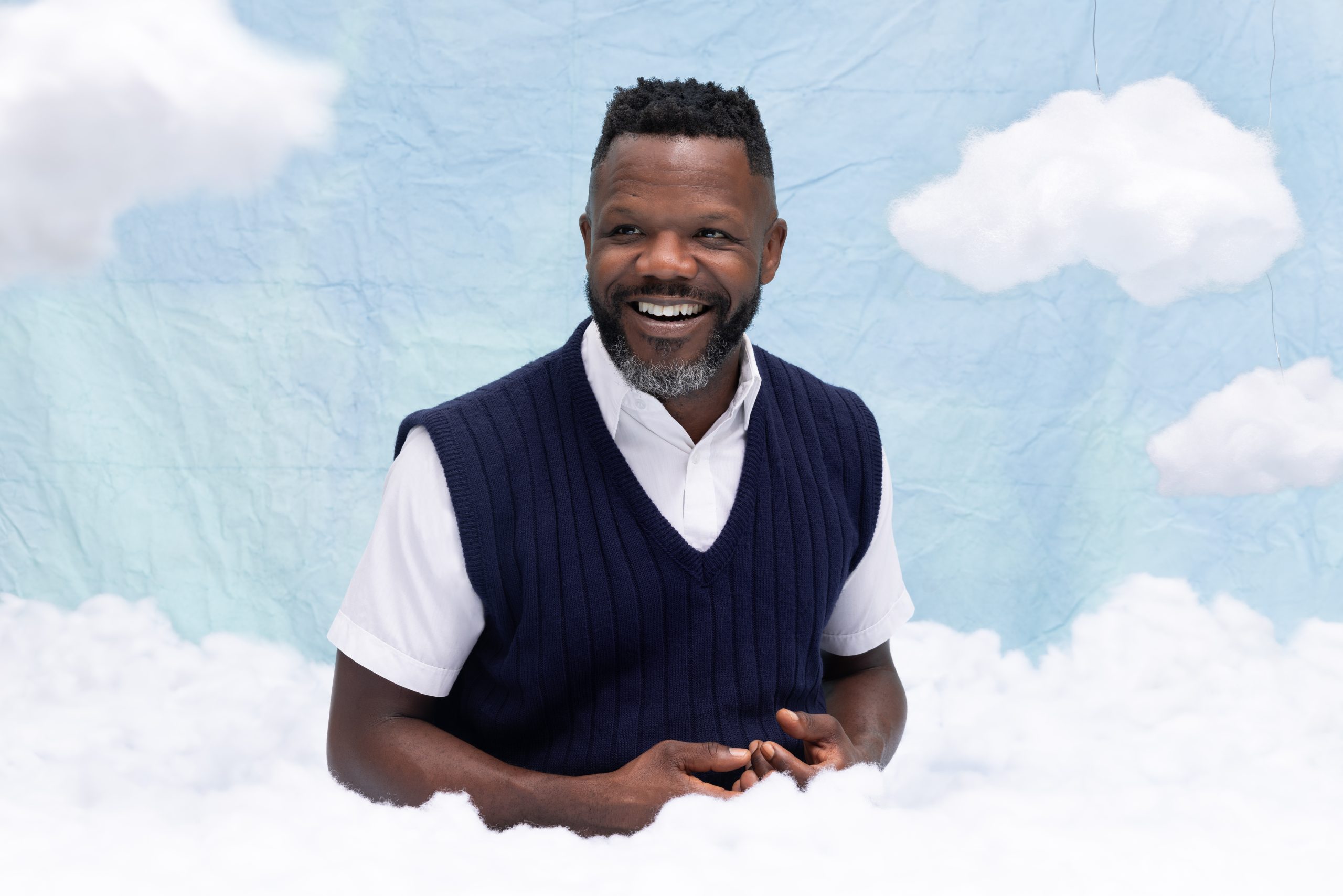
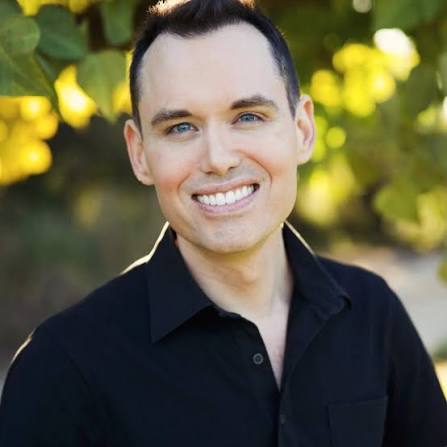
Now, after years of training, rejection, and survival, the foster care kid who fell in love with acting in third grade is having his breakout moment in The Five-Star Weekend.
Tory Devon Smith drops the line casually, but it lands with the weight of someone who’s spent years paying his dues. He frames preparation and professionalism as the true foundations of his career, not luck.
“I’ve invested in my business, which is me. I’m an actor,” he said. “I’ve spent hundreds of thousands of dollars training. I pay for my self-tapes. I pay for classes. I pay for subscriptions. I deserve work.”
He laughs when people talk about the one job they didn’t get.
“I didn’t just not get one job,” he said. “I didn’t get 300 of them.”
“What sucks about being an actor is I knew what I wanted to do when I was very young,” he added. “It’s just the hardest thing to do.”
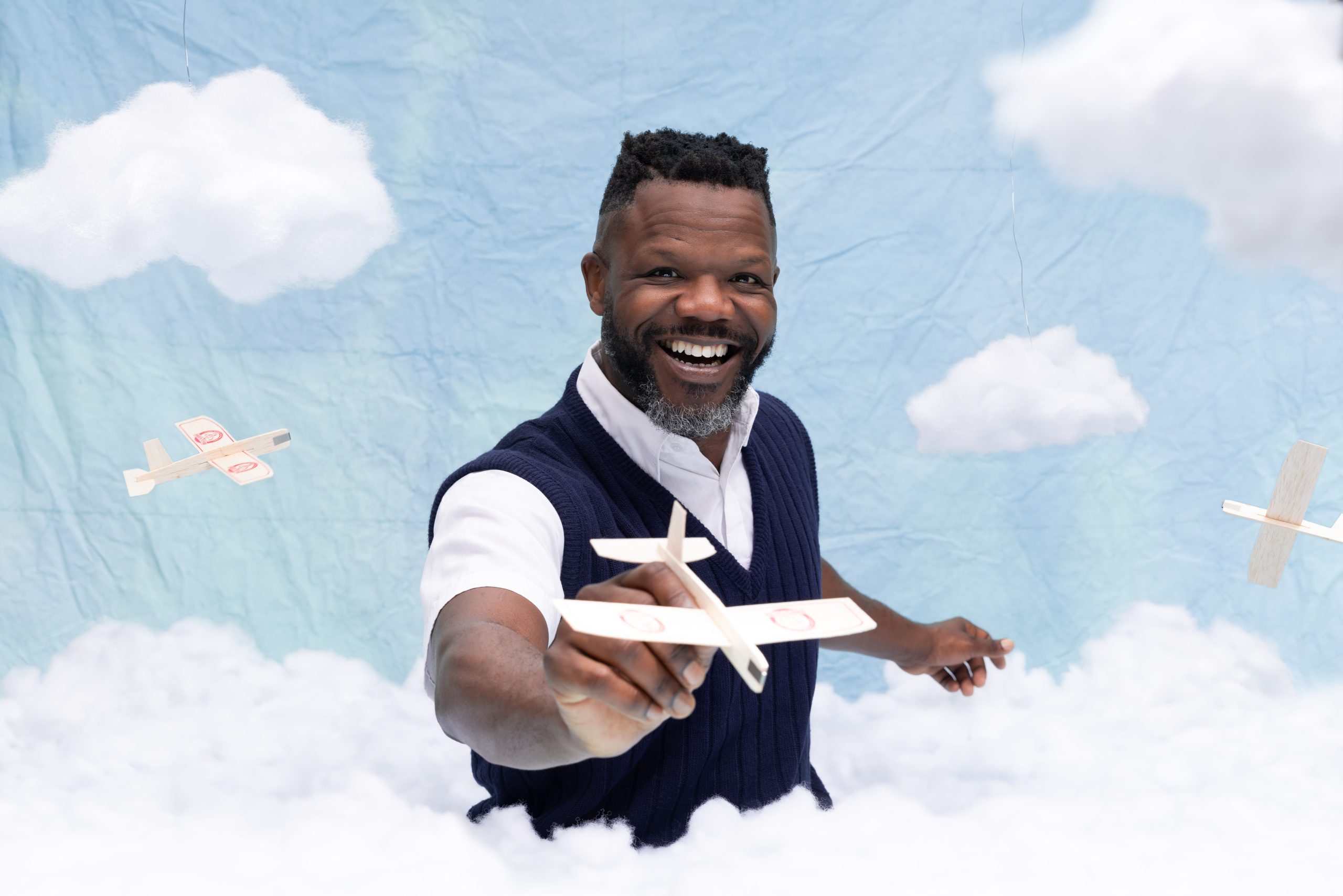
Smith was born and raised in the foster care system in Bakersfield, California, moving through eight homes with his twin sister. A foster parent encouraged him to perform in church; by third grade, he landed the lead in a school play and felt the jolt of an audience reacting to him.
He kept chasing that feeling. In high school, he trained under a theater teacher who pushed him toward CalArts’ California State Summer School for the Arts, where he won awards for his performances. Loyola Marymount University followed on a full scholarship, with a theater major and a dance minor.
From there came the long grind: self-tapes, callbacks, classes, subscriptions, a recurring role in Netflix’s The Get Down, a series regular role opposite Brandy Norwood in BET’s Zoe Ever After, and years of guest spots and pilots. At one point, he auditioned for Modern Family for three years in a row before finally booking a role.
“There is this weird abusive experience you go through as an actor,” he said. “The business is erratic. It’s not a linear system that makes sense. It never has.”
A few years ago, the pressure reached a breaking point.
“I don’t care if I make it,” he said with a laugh. “I don’t give a shit. Now that I don’t give a shit, things happen.”
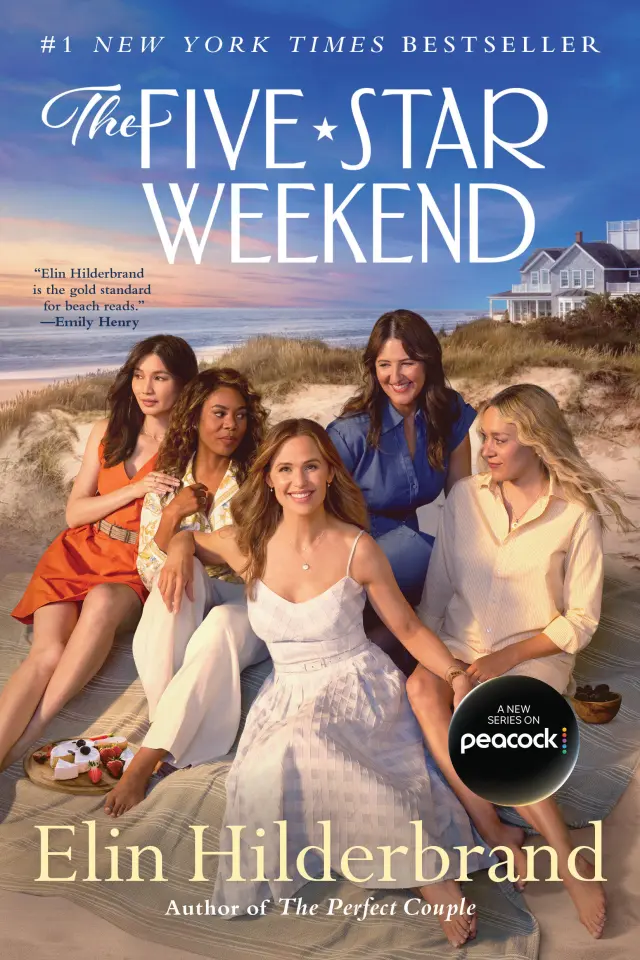
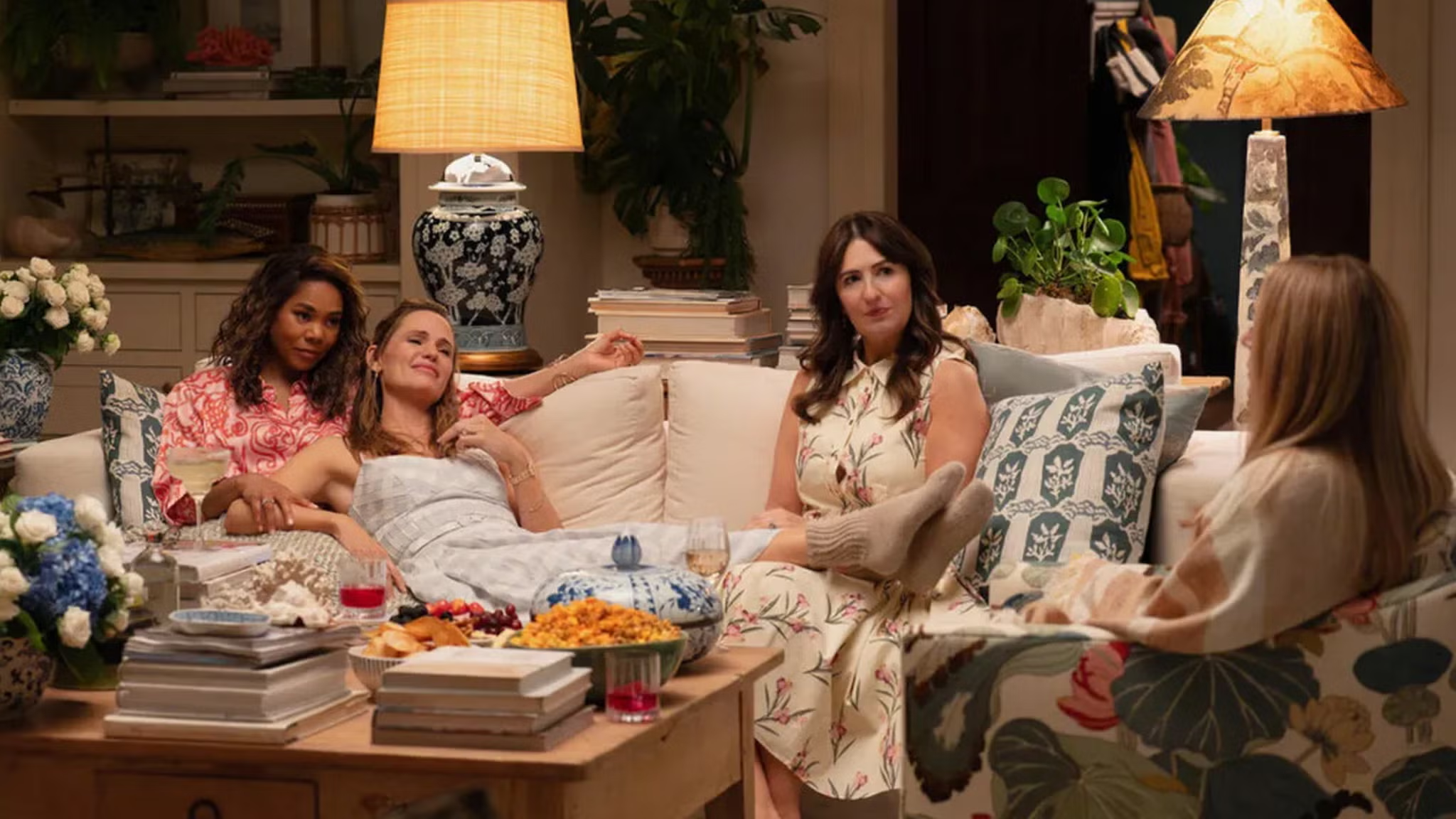
Peacock’s The Five-Star Weekend, based on Elin Hilderbrand’s novel, follows Hollis Shaw (Jennifer Garner), a famed food influencer who invites friends from different eras of her life to Nantucket after a devastating loss. Amid the grief, secrets, and second chances, Gemma Chan’s Gigi Ling leans on one person more than any other: her best friend John Mark, played by Smith.
Much of John Mark’s presence arrives via phone calls early in the series, as he talks Gigi through the fallout of her lover’s death and the cracks in her life. Later, he shows up in Nantucket, offering the kind of steady support viewers recognize immediately.
“The show hits on themes everyday people come up against,” Smith said. “Grief, friendship, questioning who you are.”
For John Mark, Smith draws on emotion that feels fully lived in.
“We’ve all been through so much,” he said. “I’m Black. I’m a Black gay man. I act from pain I’ve already lived. Life is the greatest acting teacher. When you look at everything we’ve gone through—the pandemic, the violence we still see—that’s traumatic and weird. I don’t have to act. I’ve just been through life.”
Hilderbrand, who also co‑created the series, reached out before Smith had even seen the final cut.
“She messaged me and said, ‘You are the star of the show. You stand out,’” he recalled, still sounding stunned. “I was like, what?”
Viewers have echoed that sentiment. Smith hosted a watch party after the show’s release and has since been flooded with messages.
When I asked why his work feels so lived‑in, Smith doesn’t talk about technique first. He talks about empathy.
“Acting is the study of human empathy,” he said. “If you’re not touched by it and you’re worried about other stuff, that’s ego. You want validation. I don’t care about any of that stuff.”
“I fell in love with this because I love the exercise of it,” he continued. “It educates me. It’s an interesting way to live your life when you step into the shoes of someone else. You learn so much about how human beings operate.”
He encourages his students to start where he did: with their own lives.
“You start with your lived experience,” he said. “You’re a person. You know what happiness feels like. You know what sadness feels like. Think about your life to build from because you are a human being.”
For Smith, that lived experience includes systemic racism, queer identity and the daily realities of being a Black man in America.
“I have to walk out in the world every day as a Black man,” he said. “That’s brave. You better believe in yourself more than anybody else.”
He’s played a 1970s gangster, a flamboyant assistant, and James Baldwin himself, building a résumé full of characters who look, love and live differently from one another.
Offscreen, Smith is already stepping into another transformation he hasn’t talked about much yet. Last year, he quietly filmed Apple TV+’s Bad Monkey, playing a Haitian immigrant opposite Vince Vaughn. It’s the kind of role that underscores his belief that life experience—and imagination—matter when it comes to who gets to play whom.
Smith’s philosophy on empathy has shaped how he sees one of Hollywood’s most contentious questions: who should play queer roles.
“I think it’s ridiculous when straight cisgender actors are seen as brave when they play gay characters,” he said. “I play straight characters, and you don’t notice that.”
“Acting is about transformation and imagination,” he said. “You’re not playing a sexuality. You’re playing the humanity of the person. When I’m in love with a woman onscreen, I’m playing the situation. Acting is holding a mirror up to humanity so we can see the reflection of ourselves and learn.”
He cites performances like Sean Penn in Milk and Isaiah Washington in Spike Lee’s Get on the Bus as early examples of complex queer characters, even when the actors weren’t gay.
“To me, it’s not about whether the actor shares the identity,” he said. “It’s whether they understand the circumstances.”
Even as his career reaches a new level, Smith is blunt about the realities of being openly gay and Black.
“I live in Leimert Park, an all‑Black neighborhood,” he said. “In my own neighborhood, I have been called a faggot for like a month. It was blunt. There was vitriol. I was like, do I have to get pepper spray?”
He describes neighbors questioning his taste in music and treating his flamboyance as something suspect.
“I’m a kid of the ’90s,” he said. “There’s so much progress we’ve already made. For the Black community, I’m like, y’all—if it wasn’t for a lot of us gays, we’re the movers and shakers. We’re the definition of cool. And you want to block us out? Why?”
He calls the current moment a regression.
“That is not why our gay forefathers died,” he said. “I’m not gonna cower. I don’t live in Idaho. I’m in a progressive place. I’m going to be out. I could die tomorrow. I don’t care if you’re homophobic—I just don’t want you to shoot me because of it.”
For Smith, visibility is an act of honesty.
“We’re here for each other,” he said. “I’m here to do something. It feels really good to have a passion.”
“You have to have passion to survive in this life,” he added. “If you ain’t got something to go for, then you ain’t gonna want to be here.”
By the end of our conversation, it was easy to understand why John Mark feels so believable.
That philosophy quietly carries his own study of human empathy through every scene he shares in The Five-Star Weekend. John Mark isn’t the loudest character in the series, nor is he meant to be. He’s the friend who is always going to answer, the person who shows up when everything else falls apart, and Smith gives him the kind of warmth that makes audiences wish they had someone like him in their own lives.
After ten years of doing the work when few people were watching, Smith’s breakout feels like a continuation of the same curiosity that pulled him onto a school stage as a kid and kept him in acting class when the jobs didn’t come.
“I trained so that when I did get out here in the world, what’s undeniable is I can act,” and in this series he does just that. Showing viewers across the world that his investment in himself has paid off. He has earned this. And his talent shows he deserves this.
The Five-Star Weekend may be the show where audiences first learn his name, but it will not be the last as Smith speaks as someone still in motion—still learning, still training, still stepping into one more pair of shoes to understand another human being a little better—as any good actor should.
“This is the biggest show I’ve ever been a part of,” he said. “People are so affected by all of us in this. I just didn’t expect this. There’s a consensus that this is something that will affect you.”
So just, “watch it,” we said.
Watch The Five Star Weekend trailer below:

 Gaye Magazine
Oct 22
3 mins read
Gaye Magazine
Oct 22
3 mins read
 SaintTreyW
Oct 9
3 mins read
SaintTreyW
Oct 9
3 mins read

Zuri Pryor-Graves
Oct 2
5 mins read
SaintTreyW
Sep 30
7 mins read

Gaye Magazine® is part of Gaye Media, Inc.© 2026 Gaye Media, Inc. All Rights Reserved.