


 Brandon
Dec 16 2025
12 mins read
Brandon
Dec 16 2025
12 mins read
In today’s dating world for Black gay men, “true love” can often feel like a fantasy. There is a widespread belief within the community that Black gay men are not built for romantic love. Common misconceptions portray Black gay men as emotionally unavailable, hypersexual, non-committal, or overly vain, and the list goes on. But are Black gay men inherently incapable of love, or has the absence of healthy representation shaped a dating culture that makes love feel unattainable?
Although there is no official data, anecdotally, one can observe that visible romantic relationships between Black, gay men have increased. We see them every day on social media and in real life; therefore, healthy Black gay relationships do exist.
On the flip side, the media has not caught up with reality at least when it comes to Black, gay love. Commercial audiences have historically been presented with depictions of gay romance that are overwhelmingly centered on cisgender white men. Recent examples of this trend include Bros (2022), Heartstopper (2022 – ), Primetime Emmy nominated Red, White, & Royal Blue, which has a sequel in the works, and Heated Rivalry (2025 – ), which was renewed for a second season less than one month after its premiere. Notably, each of these works exclusively presents Eurocentric, muscular body types as the dominant archetype of attraction (but that is a conversation for another day).
To add additional context, all of these projects center gay romance and are backed by big budget conglomerates such as Netflix, HBO Max, & Amazon MGM Studios. It is clear that stories centered on gay men are being heavily invested in, however when it comes to Black gay men, there is a stark discrepancy in the number of commercial Black gay romance projects in mainstream media and Black gay projects as a whole.
Despite the lack of Black gay representation in mass media, Black queer creatives continue to prevail, cementing their presence in television and film, whether commercially or independently, on both global and local scales.
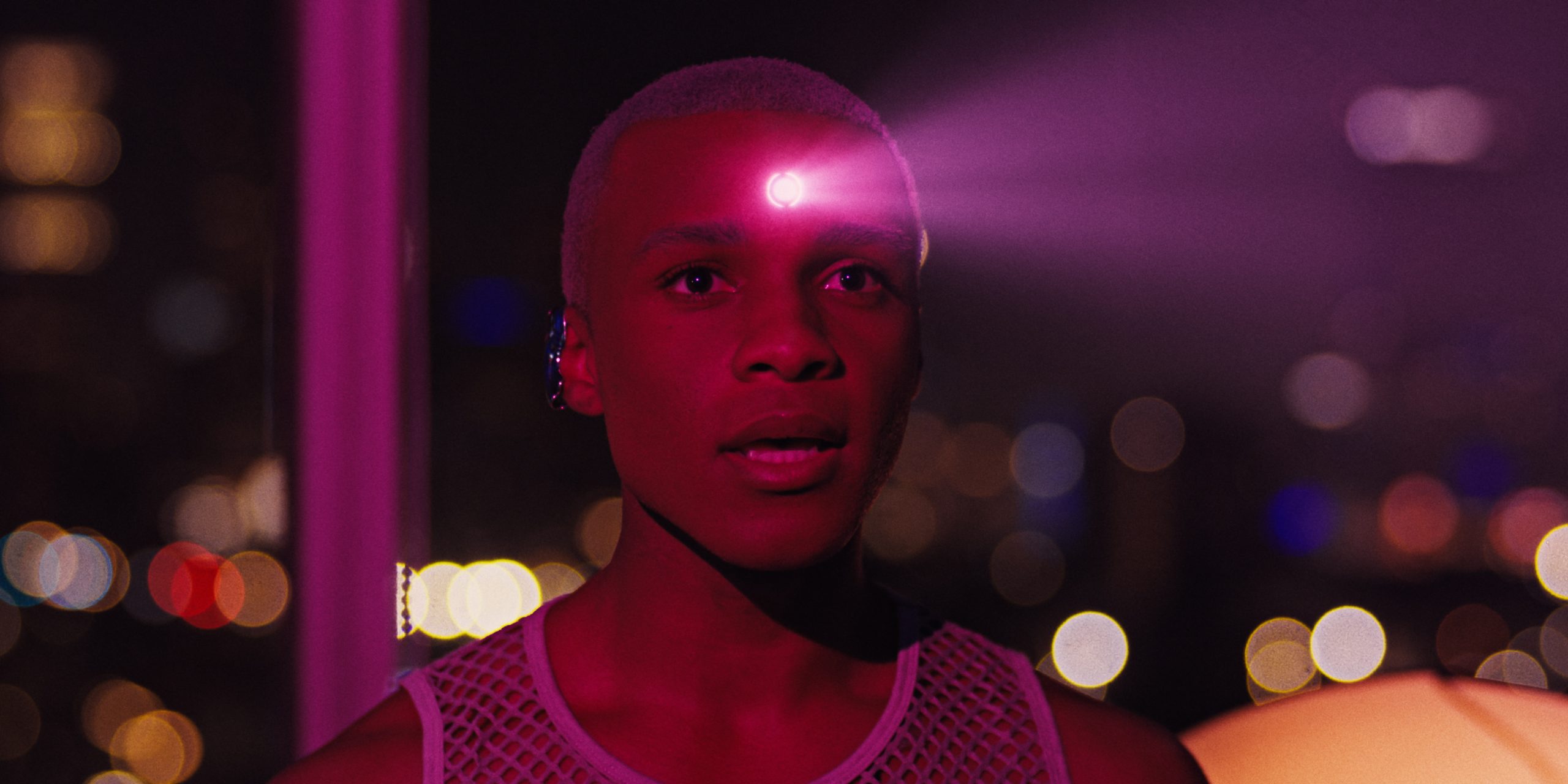
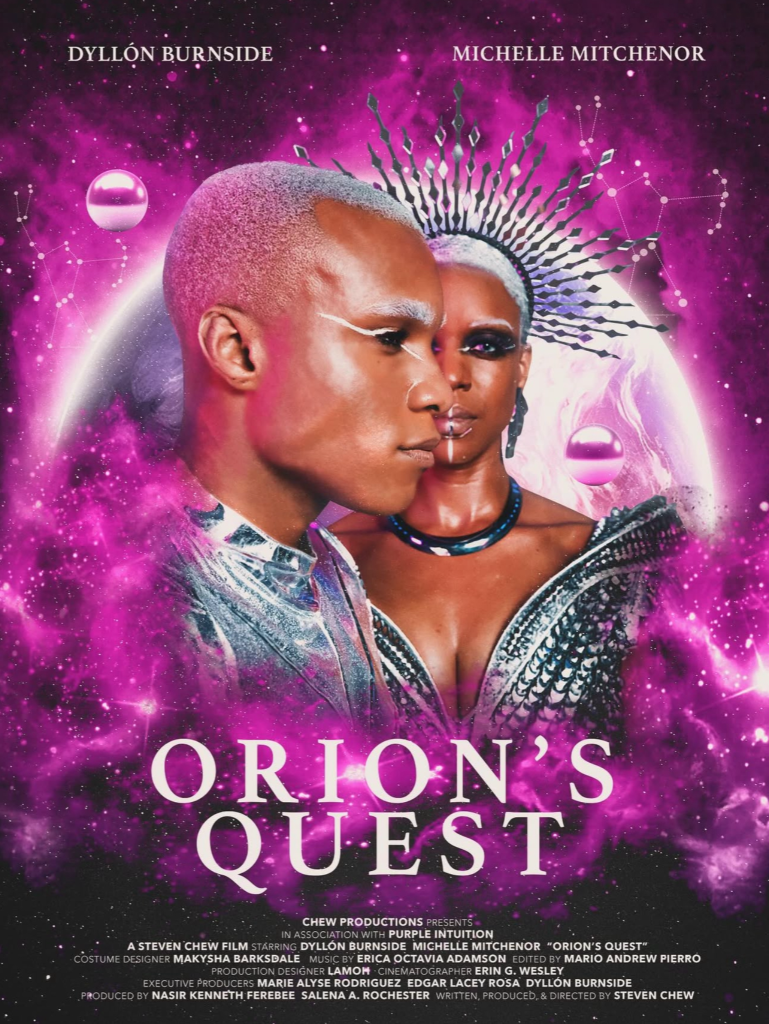
A shining example of this robust, impactful Black queer storytelling is undoubtedly Orion’s Quest.
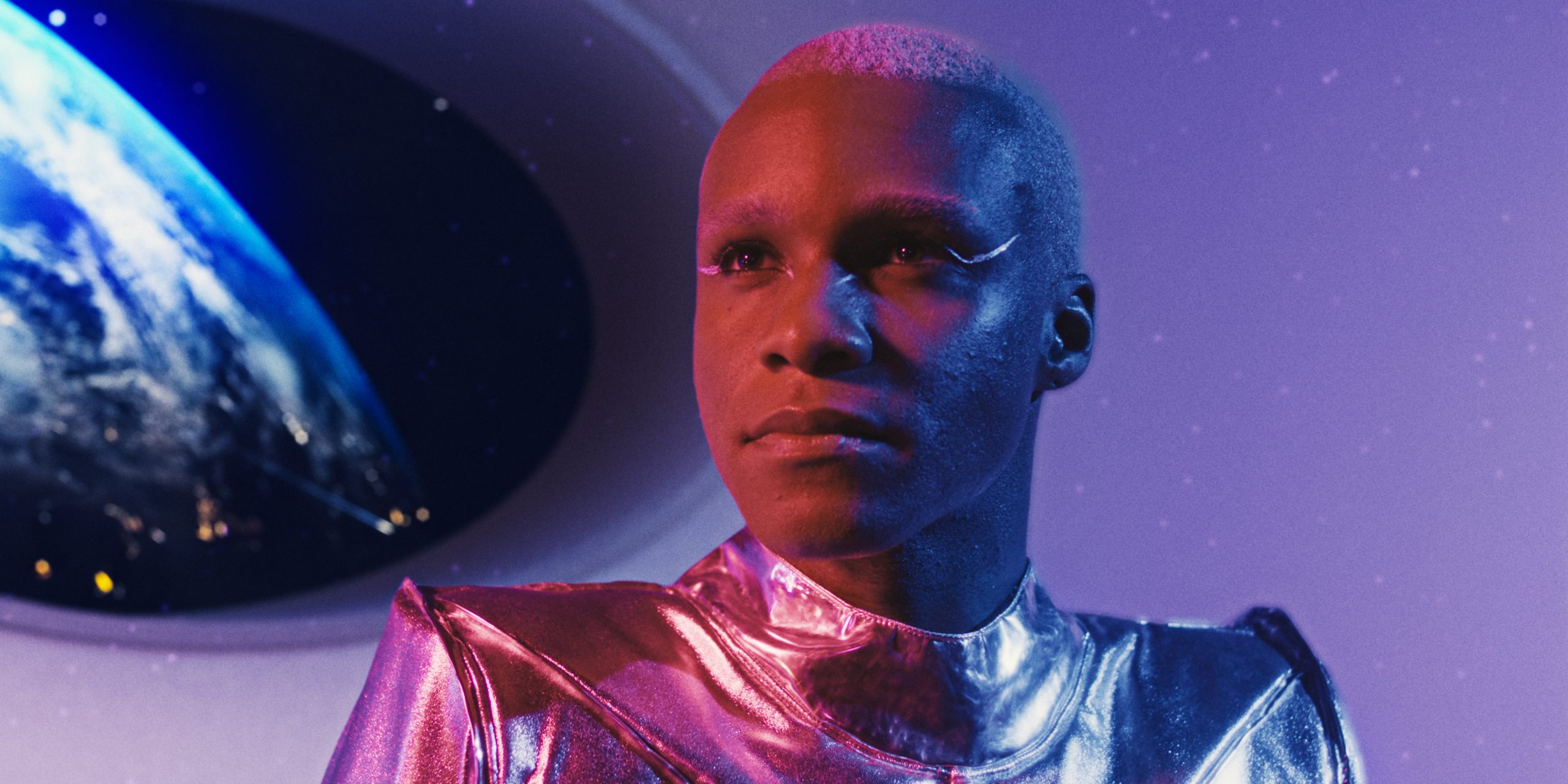
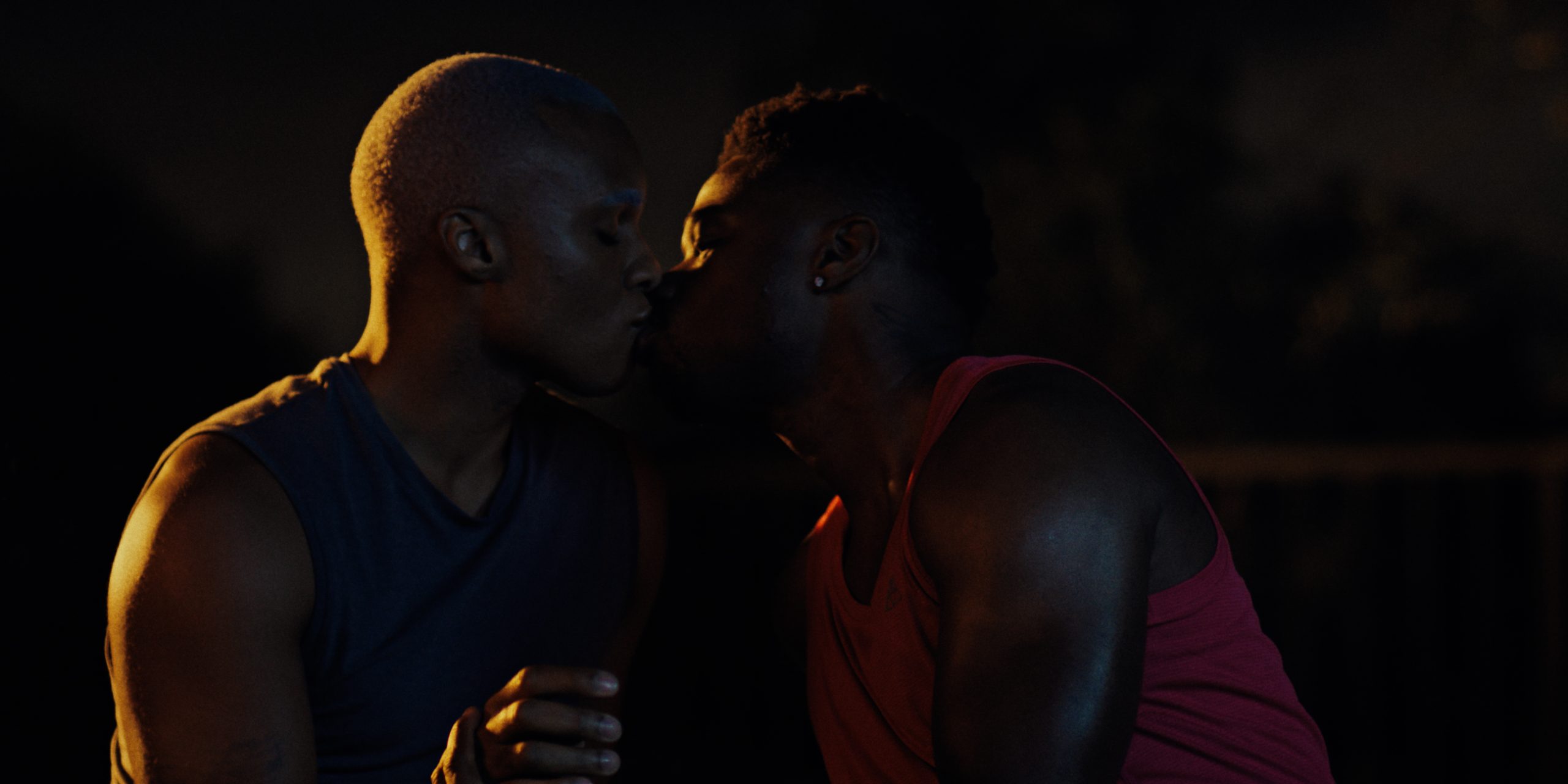
Created by writer-director Steven Chew and producer Nasir Kenneth Ferebee, Orion’s Quest stands out as a hopeful beacon for modern Black, queer storytelling. Told through a sci-fi lens, this short film follows the eponymous Orion, played by Dyllón Burnside, who is sent on a mission from his home planet Mintaka to study love and human connections across various groups on Earth. His final assignment: Black gay men, whom he describes as “perpetually single amongst all age ranges”.
Through a series of all too familiar dates via the dreaded dating apps, Orion navigates the Black gay scene while asking the ultimate question: why? Why are Black gay men as a community the least likely to fall in love? As a literal outsider analyzing the romantic landscape of Black gay men, Orion wades through the nebulous world of dating, tasked with finding the metaphorical diamond in the rough and uncovering the secret to love for this seemingly “loveless” community.
Watch the ‘Orion’s Quest’ Official Trailer Below:
Gaye Magazine had the opportunity to interview the visionaries behind Orion’s Quest, Steven Chew and Nasir Kenneth Ferebee, discussing the film’s origins, its cultural impact, and the urgent need for healthy media representations of Black gay love.
Responses have been edited or condensed for clarity.
How did the both of you begin working professionally?
Nasir: Steven and I went to Temple University at the same time and had the same major and somehow never met, which is crazy. We’re both alumni of Temple University’s film and media arts program. We were both Production Assistants at MTV Viacom in the late 2000s, where we met for the first time. Overtime, we shifted into scripted content and did our first project together called Give the Drummer Some, which is a feature film. Then, we did Orion’s Quest together, so we’ve been locked in for quite a while.
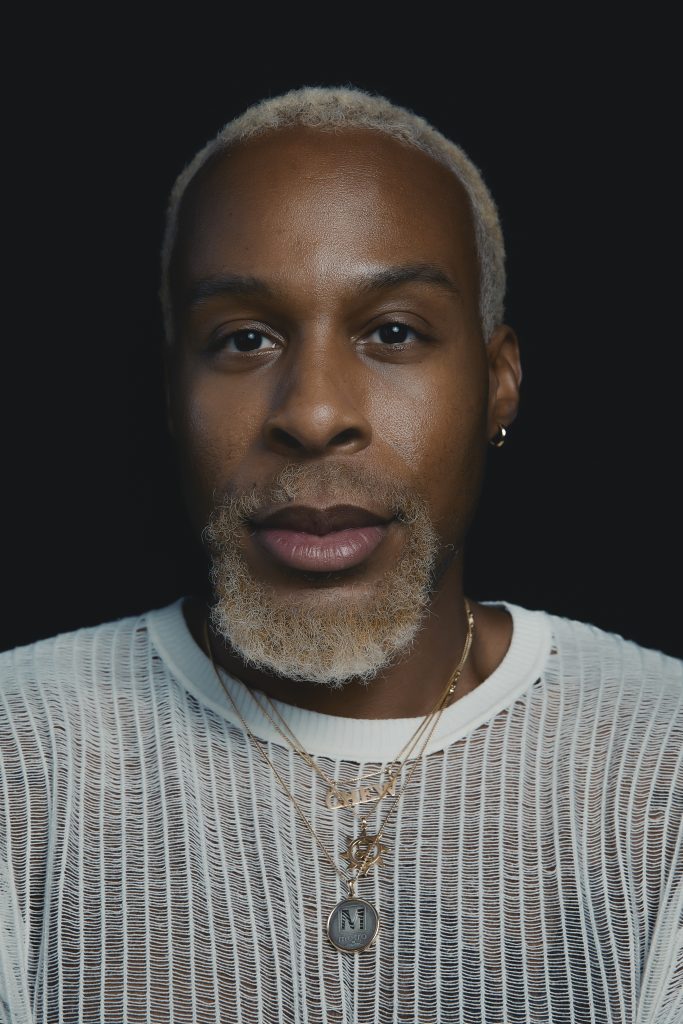
With over 20+ years in the entertainment industry under their belts, both Steven and Nasir have been consistent in their dedication to creating quality works of art.
Steven has led a productive career creating original works and developing projects across major networks like BET, HBO, and FX.
Nasir produced the Daytime Emmy nominated and GLAAD Media Award winning film All Boys Aren’t Blue and NAACP IMAGE Award winning short film Black Boy Joy.
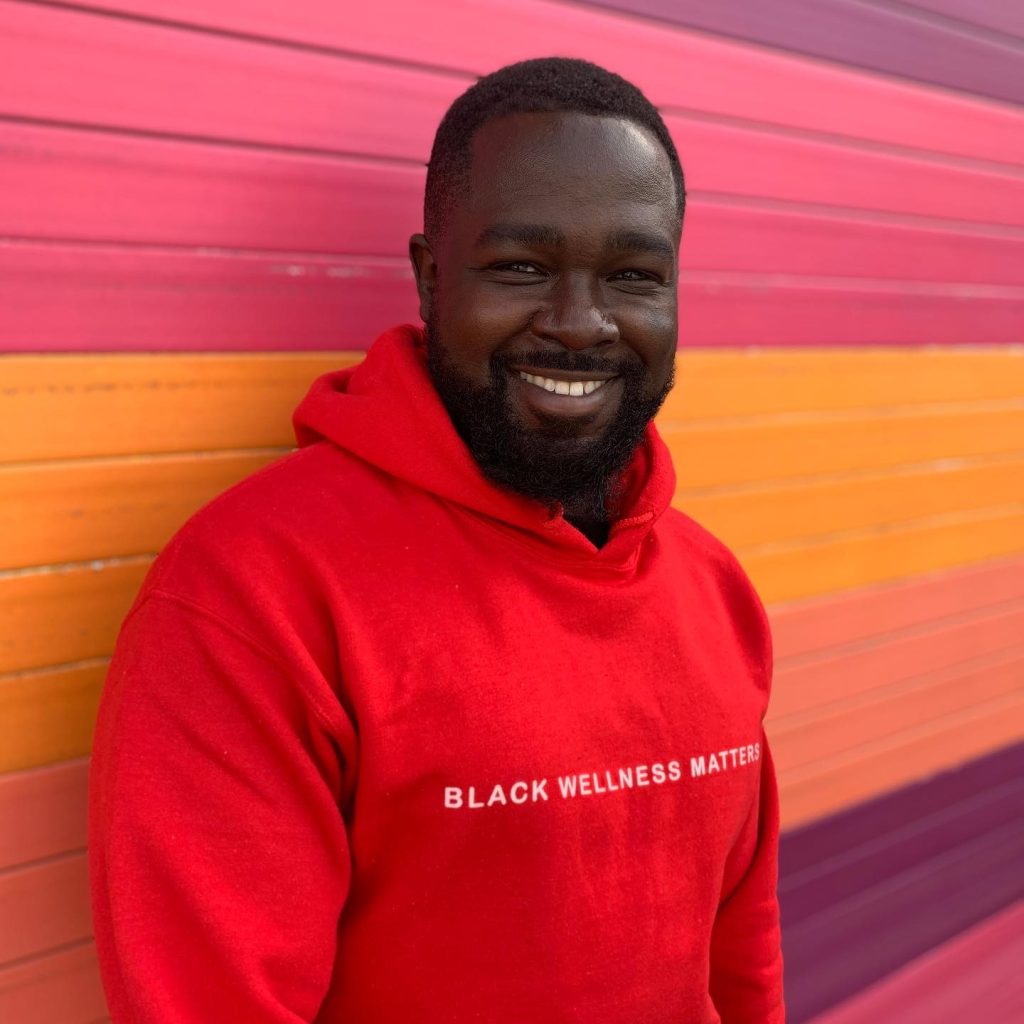
Steven, what influenced your decision to choose sci-fi as the genre for Orion’s Quest?
Steven: I didn’t seek to make Orion’s Quest a sci-fi film, it just came to me to tell the story in that genre. I was working on a script about the first all Black town in New Mexico called Blackdom. I started writing the script when I got back from New Mexico and I really couldn’t crack the story. It just wasn’t speaking to me the way I wanted it to. At the time, I was also going through my trials and tribulations of dating. As artists, you’re always called to speak about what you have currently going on in your life at the time. It’s therapeutic. I was like let me try to figure out how I can take some elements of this story and infuse it into my everyday life and the experiences of dating, being a Black gay man, and what that feels like in our environments.
Steven: The story found its way to me through sci-fi. As I started to write, there were a lot of things about the character Orion that really resonated with me as being someone who came out late in life. I was able to use Orion as a vehicle to express how I was learning about things at the same time that he was. I think there’s a part of me in all the characters, but Orion specifically was a part of me that was understanding and investigating our community.
What was the significance behind the name Orion?
Steven: Orion is a star in the celestial sky. I didn’t have a particular reason for why I picked Orion. I think I just liked the name. I wanted the names of the characters to be connected to stars like Queen Polaris, for example, where Polaris is the North Star.
Dyllón Burnside played lead character Orion where he brought the character to life. On first glance Orion is a seemingly emotionless alien, think Vulcans from Star Trek. However, Burnside was able to fold in nuanced quirks into the character that brought out a surprisingly charming, emotional depth in the extraterrestrial.
Steven: Once Dyllón came on board, he had questions like what’s the planet, and why did Orion come to Earth?
From that line of questioning, Steven proceeded to create the backstory of Orion.
Steven: The people are more logical in the planet Orion comes from. They are void of emotion and the thing that they have to come to Earth to understand is love, connection, and emotional intimacy, so that their planet can thrive. Their planet can no longer thrive with just logic. Love is illogical, it is something that doesn’t make sense. There is no formula. I think that was what I was trying to express with this character. Even with the process of dating, there’s things he always bumped up against, because the guys always contradicted themselves.
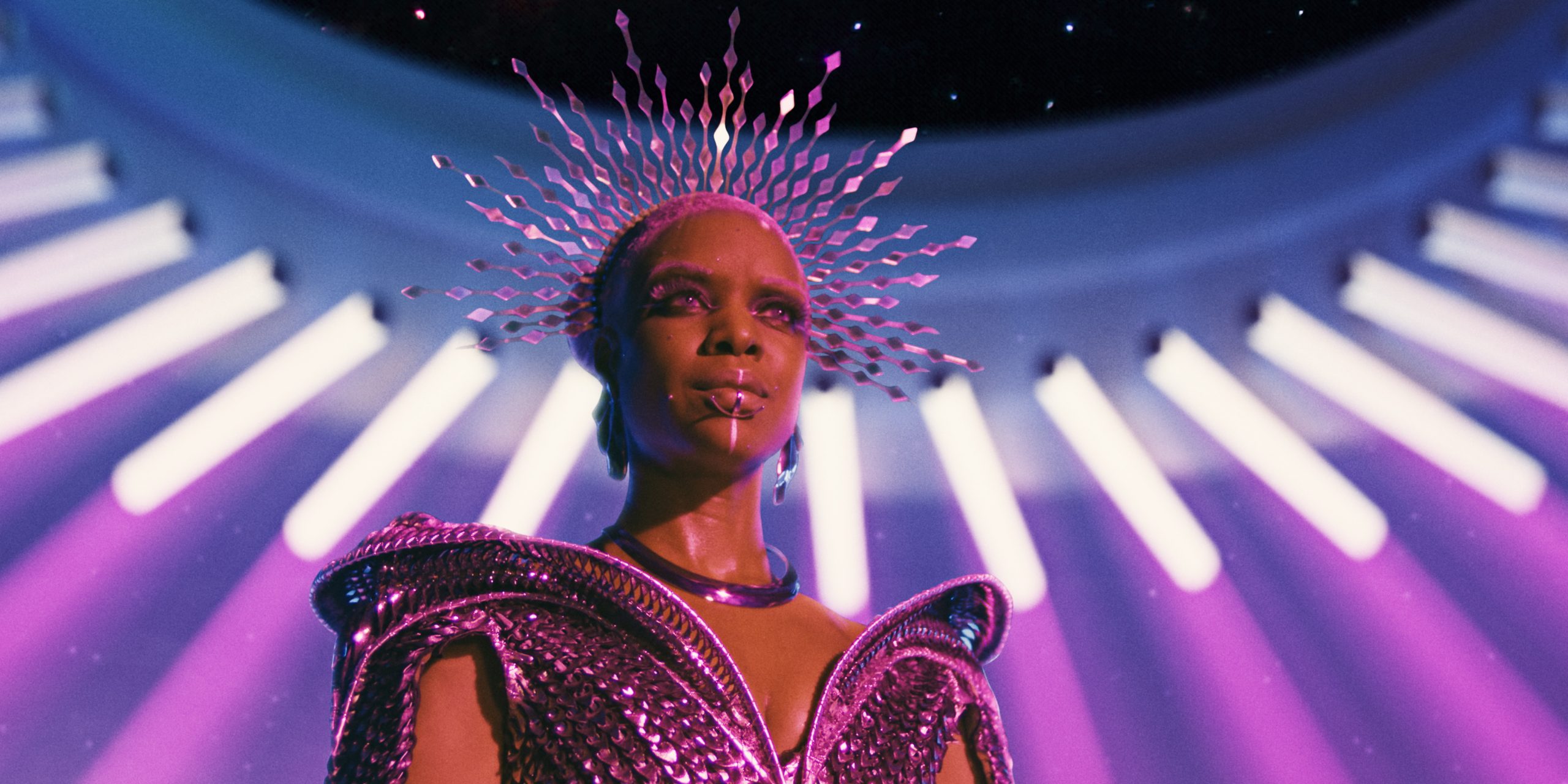
Tell us about the process of making Orion’s Quest.
Nasir: Orion’s Quest was a really fun project. It was a great opportunity to cast a lot of folks that were really trying to get their break into acting. We have Obio Jones in there, he’s a huge influencer and content creator, but he’s also a really strong and dynamic actor and an absolute pleasure to have on set. Beautiful energy. We also got a chance to cast Michelle Mitchenor, Dijon Jackson, Nigel Cox, and David Alan Madrick…a really phenomenal all-star cast.
Nasir: VFX was probably the biggest challenge that we dealt with. This was my first time producing sci-fi and doing the effects. That was an interesting pocket to be in, but it gave me something different to put in my catalog of work. I’m really proud of that.
What led you all to tell this story through a short film instead of a series or feature film?
Steven: It’s the way I wanted to tell the story. I was just called to tell it as a short film. A lot of people have asked if I want to make it into a feature or series. I’m open to exploring that, but it’s not something I’m seeking. I think the story itself is a solid short film and I think it’s okay if some films exist just as short films. I don’t think they always have to be longer form.
Nasir: Creatively, stories will tell you what they’re supposed to be. Some stories are meant to be shorts. Some are meant to be narrative features. Some are meant to be poems. The divine alignment of what the story’s supposed to be is always really imperative.
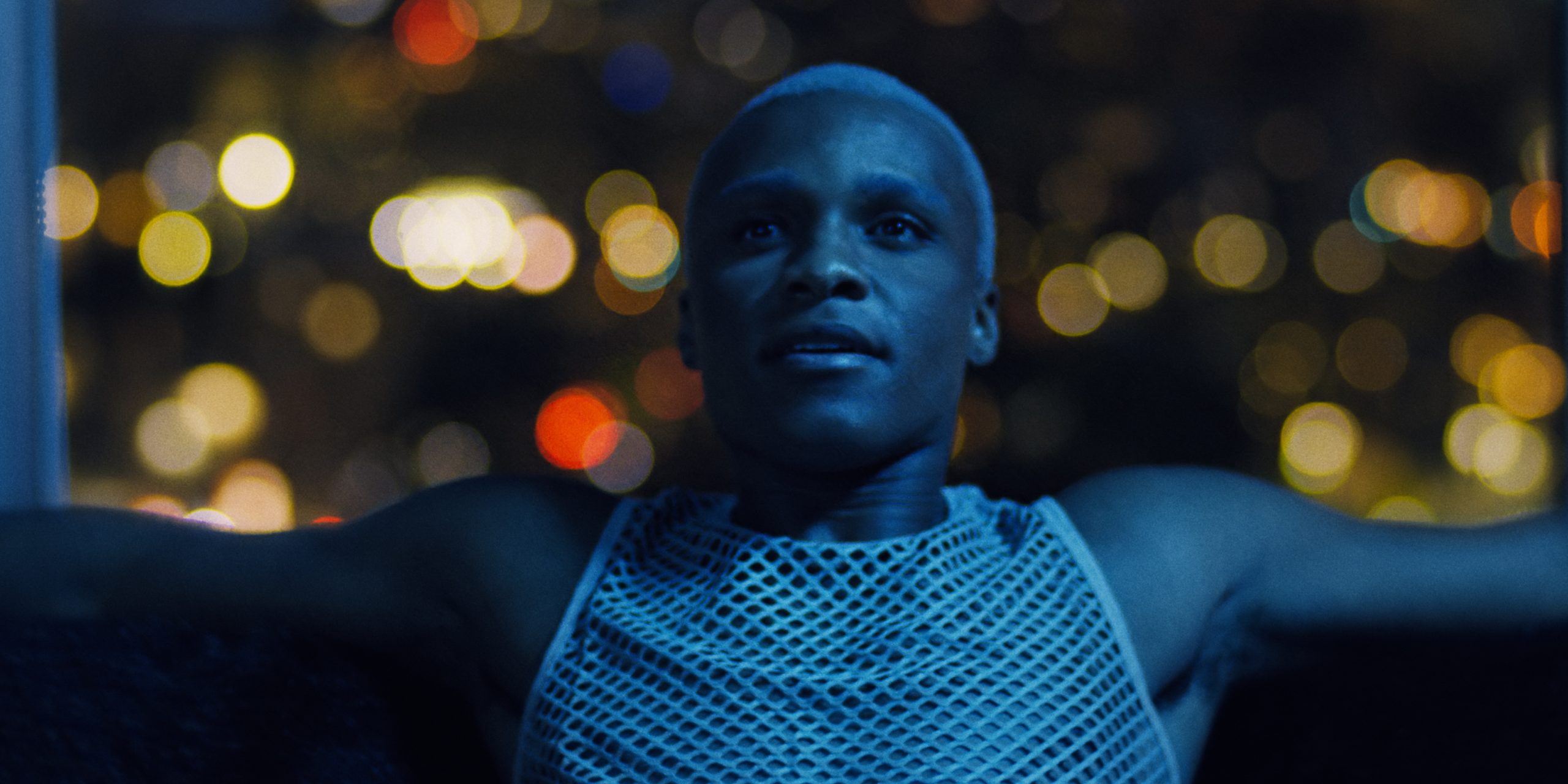
What was the process like casting Dyllón Burnside?
Steven: We had a shortlist of actors that we were interested in for the role. He was on that list and we reached out to his management. I wrote a director’s note as well, outlining why he thought he was a great fit for the role. I really thought he could bring this sensitivity and sense of purpose to the role. I was specifically looking for out and proud queer, Black men. I met with him and we just clicked. I think he understood the story. It was a really great collaborative process. He was open to learning as much as he could for the role.
Nasir: This was my third project with Dyllón after working with him at the Heroes in The Struggle Gala and All Boys Aren’t Blue. It’s been a good run.
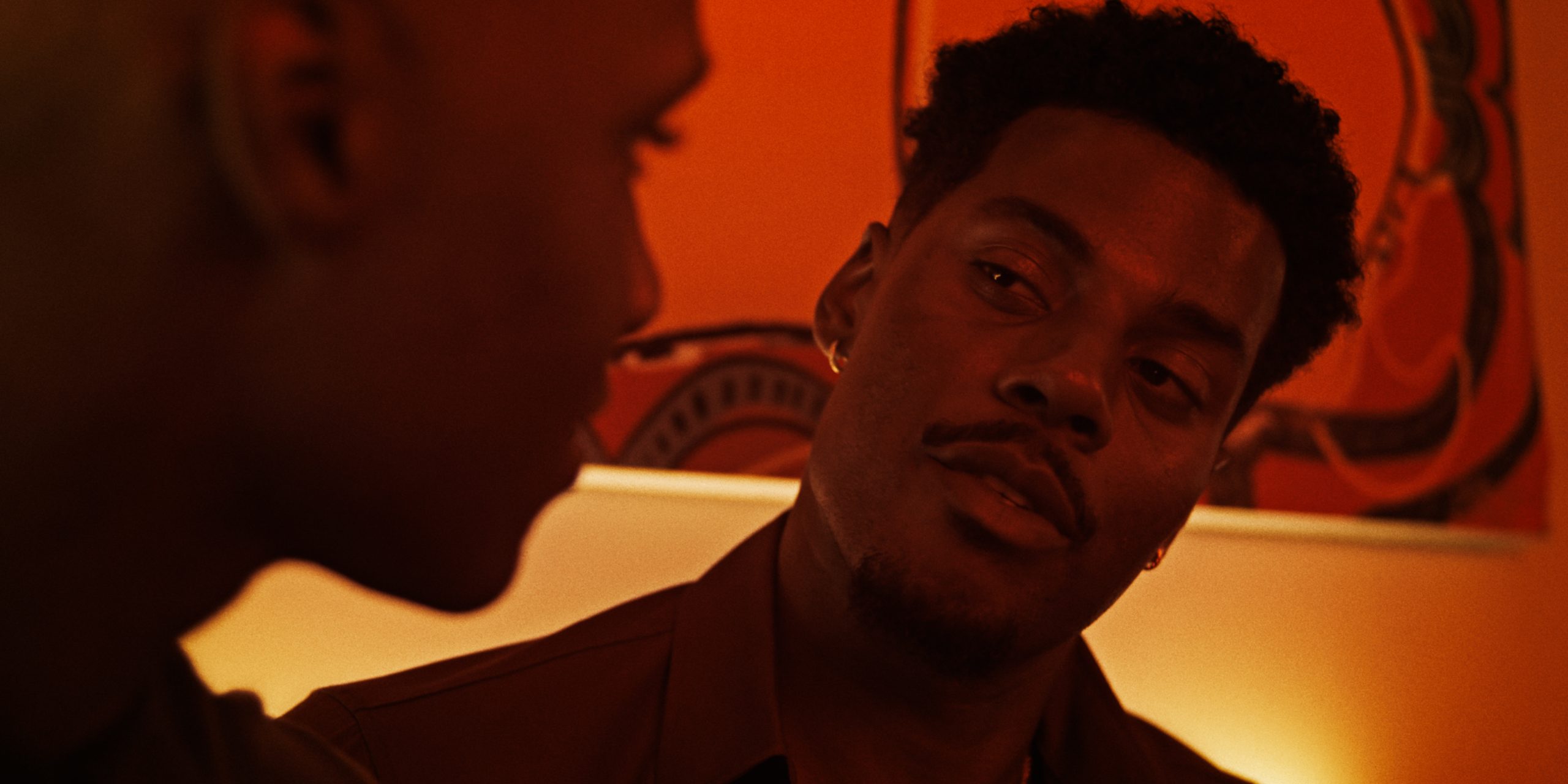
You both mentioned that this was Obio Jones’ first time acting?
Nasir: Obio had done an arc with his partner (husband), Jermelle Simon-Jones, who plays Bernard Upshaw, on Netflix’s The Upshaws.
Steven: Ironically, when we cast Obio, the episodes he starred in had not aired yet and we weren’t even aware that was happening. I followed him on social media and I was like I think this guy is super charismatic, I don’t think he does act but I think he can. I sent his Instagram to Nasir and another one of our producers and was like we should reach out to him, I think he could play Marcus. It was just a shot in the dark. He read the script and he was down. He already had The Upshaws, but I think it opened up more of those opportunities for him, showcasing his skill as an actor.
Orion’s Quest premiered at the NewFest Film Festival and the Micheaux Film Festival. How did the audience react to the short film? How did the both of you feel afterwards? Did the screenings make you see the film differently at all?
Steven: We had a private screening that I did in LA before the New Fest and Micheaux Film Festivals. The private screening was the most nerve wracking for me, because I hadn’t shown it to anyone, aside from people who worked on the film. It was my first time showing it to peers and people in the industry. The response from the crowd was amazing. Everyone loved the fact it was a unique story and it was a quality made film as well. That gave me confidence for the film festivals. At the time we didn’t even know if we were going to get into either film festivals.
Steven: I think we found out around two weeks after the screening, we got into New Fest. It was the same response from the crowd. It was interesting, because at the private screening, I definitely had more people of color and a lot of queer Black men. NewFest was kind of a mixed bag with the crowd. It was good to see that it could resonate with people outside of our community as well. We talk about diversity in terms of queer films, but even within the queer film space, there’s not a lot of films about Black gay men. You don’t really see a lot of us loving on each other on screen. At my screening block, there were five films total, and Orion’s Quest was the only film focused specifically on Black, gay love. That within itself is very revolutionary. I really didn’t understand that until after I made the film.
Can we expect the film to screen anywhere else soon?
Steven: I’m waiting to hear back from two film festivals that are outside the States. That was my goal, I wanted to screen the film outside of America to have that visibility overseas. It’s powerful for our stories to be told on a global scale.
Nasir: We’re also hoping to be licensed on a premium streamer sometime 2026.
Are there any future projects we can expect?
Steven: Give The Drummer Some is still in development, but we are hoping to get that movie made very soon. I am working on another short, I’m planning to produce that sometime next year. This project lives in the space of Black surrealism. There are queer elements within the story, but I wouldn’t necessarily call it a queer story.
Nasir: On my end, I’ve been diversifying into writing and directing as well. I just completed a writer’s residency with Mara Brock Akil, the creator of Girlfriends and The Game. I had a big industry showcase at her residency last week. That was like my coming out party as a writer and I debuted a pilot, an hour long dramedy entitled Like Father, Like Son about a media mogul who is on the cusp of being a father, and reconnecting with this estranged father and his paternal siblings. His world gets turned upside down when he has to go back to his hometown in Philadelphia.
Nasir: I’m also in pre-production on a digital series entitled Guncles, about a Black, gay married couple that inherit 12 year old twins, shopping an unscripted show, looking to get in my first writers room as a staff writer, and directing episodic. Those are things I’m pivoting to. In this climate, you have to do it all.
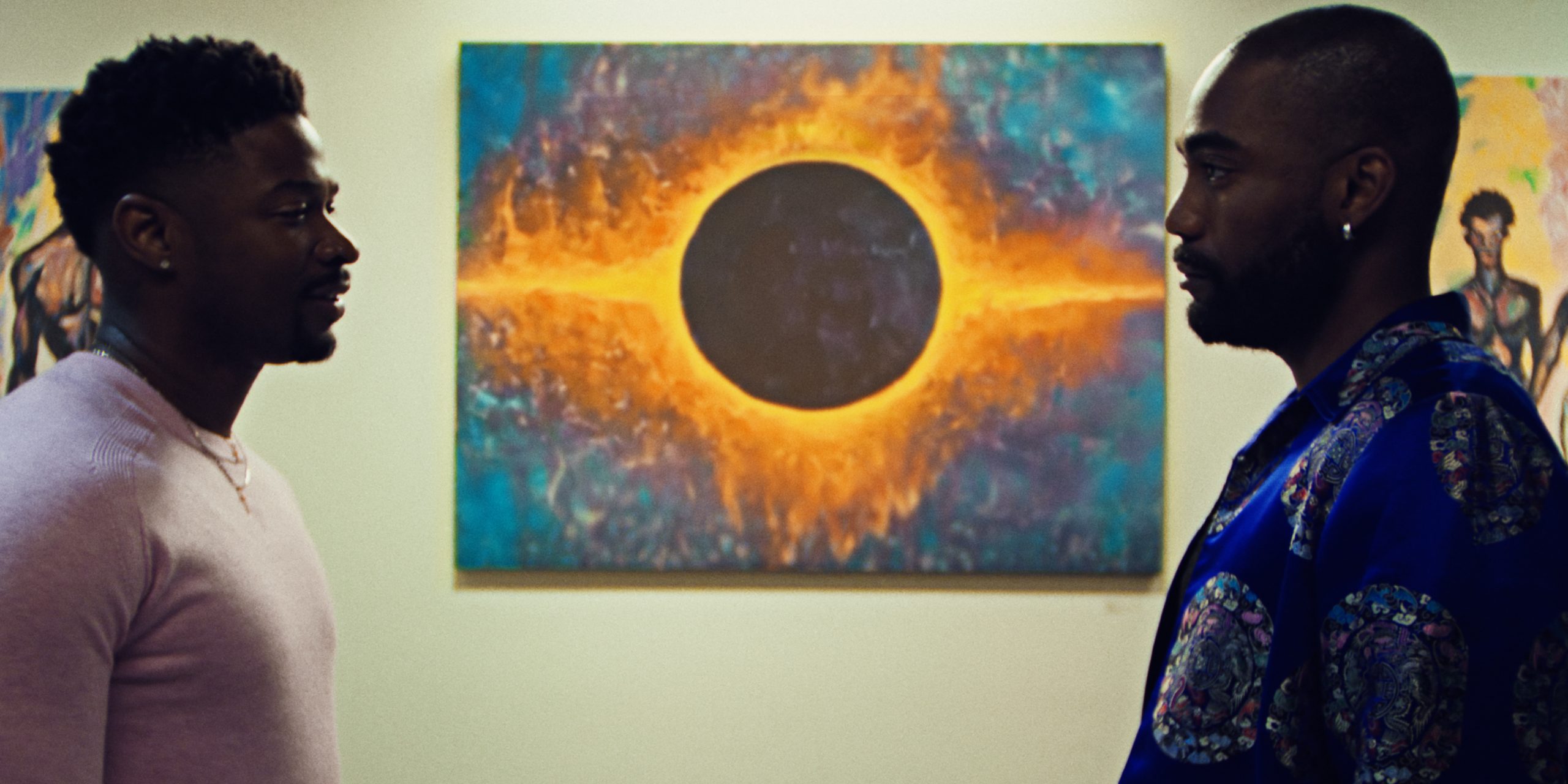
Ultimately, if there are more Black centered, Black led, Black gay stories, then this kind of presence will play a powerful role in normalizing Black gay relationships onscreen. It is vital that Black queer creative leaders such as Steven Chew, Nasir Kenneth Ferebee, Nathan Hale Williams, Patrik Ian Polk, and many others continue to step up and lead, keeping the momentum alive for Black queer stories. Their work has laid the foundation that continues to shape modern storytelling today.
This is how films like Orion’s Quest become possible and why they play such a crucial role in culture, not only as a Black, queer film, but also as an effective messenger celebrating communication, healthy romance, and most importantly self-love.
Thank you Orion’s Quest for showing us that Black gay men can love themselves and be healthy romantics.
Be sure to follow @orionsquestfilm @chewchronicles @nasirkennethferebee on Instagram for more updates on the film.
Watch a Snippet from Orion’s Quest Below:
Orion’s Quest is written and produced by Steven Chew. Executive produced by Steven Chew, Nasir Kenneth Ferebee, Marie Alyse Rodriguez, Edgar Lacey Rosa, and Dyllón Burnside. Produced by Steven Chew, Nasir Kenneth Ferebee, Marie Alyse Rodriguez, and Salena A. Rochester. The film stars Dyllón Burnside, Michelle Mitchenor, Obio Jones, David Alan Madrick, Nigel Cox, and Dijon Jackson.
 Juhi Page
Sep 14
4 mins read
Juhi Page
Sep 14
4 mins read
 Gaye Magazine
Aug 25
5 mins read
Gaye Magazine
Aug 25
5 mins read
 Anders Hare
Aug 22
3 mins read
Anders Hare
Aug 22
3 mins read
Gaye Magazine
Aug 17
3 mins read

Gaye Magazine® is part of Gaye Media, Inc.© 2026 Gaye Media, Inc. All Rights Reserved.