


 Zuri Pryor-Graves
Jul 16
5 mins read
Zuri Pryor-Graves
Jul 16
5 mins read
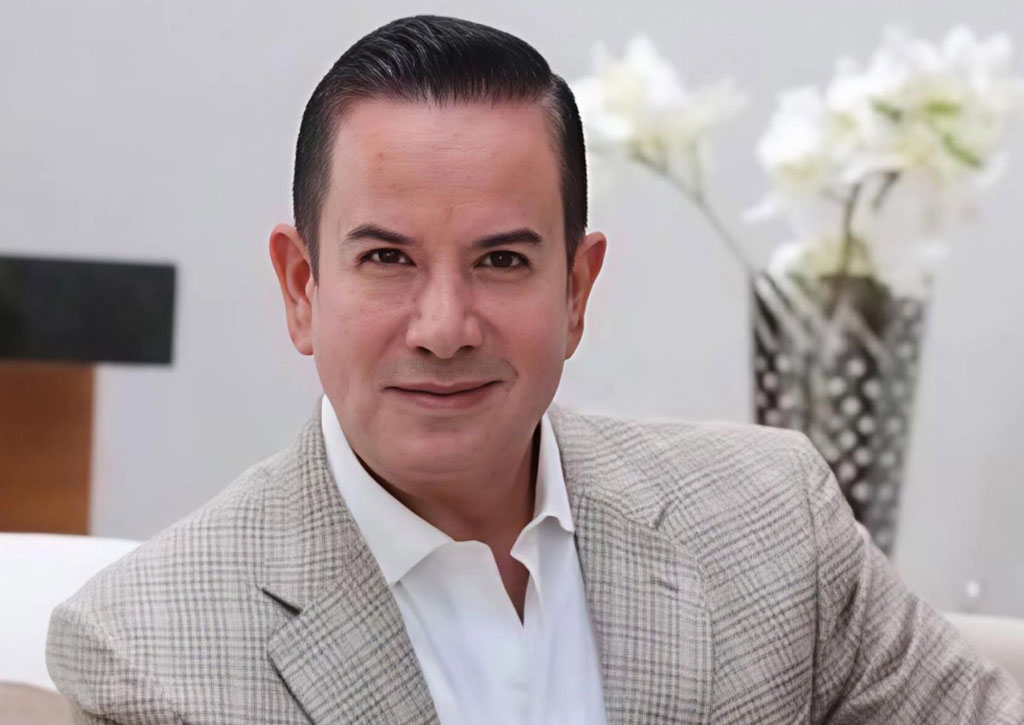
Medrano, 59, was a former mayor of Fresnillo, a city in Zacatecas state, and later served in the Chamber of Deputies, Mexico’s lower house of Congress, from 2015 to 2018. Media outlets in Mexico and the United States reported he was shot inside a shop in Guadalajara, the country’s second-largest city and a major cultural center in Jalisco state. Family members, two days later, confirmed his identity after he was initially found without identification.
Authorities have not announced a motive for the killing, and no arrests have been reported.
Before he stepped into politics, Medrano built a career as a singer, releasing albums of ballads and ranchera songs and, in 1994, opening one of the area’s first openly gay bars.
Medrano became Mexico’s first openly gay mayor when he was elected in Fresnillo in 2013, a notable milestone in a country where LGBTQ+ visibility in politics has lagged behind legal progress on issues such as marriage equality.
He later represented Zacatecas’ First Federal Electoral District in the Chamber of Deputies. In 2017, he joined other elected officials from Latin America and the Caribbean at a regional conference in the Dominican Republic that focused on expanding LGBTQ+ and intersex political representation in the region.
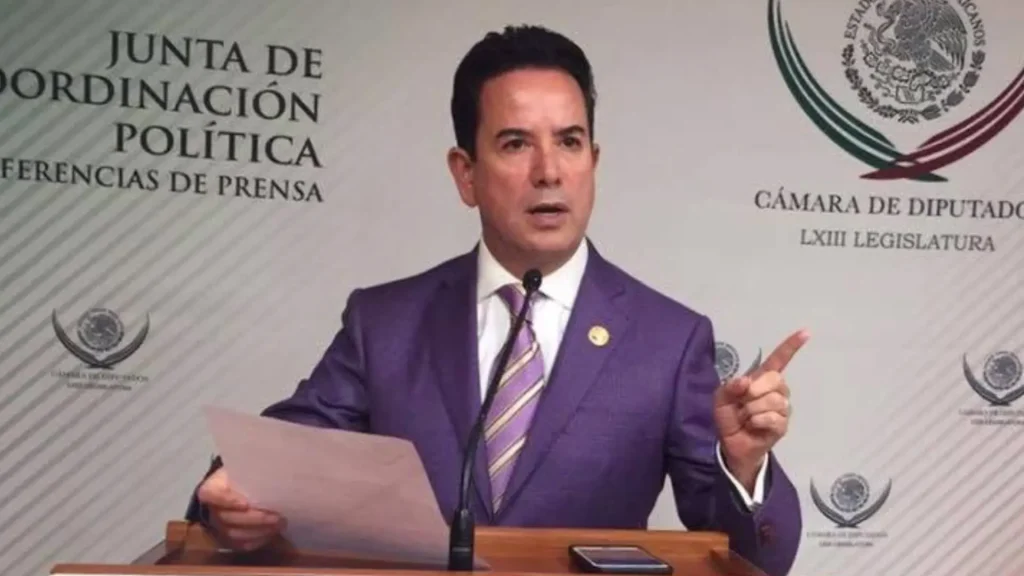
Medrano’s political record included controversy. After leaving office, he faced accusations that he embezzled more than 60 million pesos in public funds while leading the Zacatecas National Fair’s Board of Trustees. Those allegations remained part of his public profile at the time of his death.
The killing comes as Mexico faces sustained levels of violence that have affected LGBTQ+ people, migrants and tourists.
Earlier this month, Mexican authorities confirmed that a gay couple with ties to Chicago and Mexico City, Zafar Mawani and Guillermo Hidalgo Ortiz, were among four people found in a mass grave in La Marquesa National Park outside Mexico City. The couple disappeared on May 20 and were later identified through investigative work that traced unusual withdrawals from their bank accounts. Local media linked the case to an alleged kidnapping and robbery ring.
In February, members of the Jalisco New Generation Cartel set fire to cars and buses in Puerto Vallarta and other parts of Jalisco after federal forces killed the cartel’s leader in Tapalpa, a town south of Guadalajara. The violence prompted a shelter-in-place advisory from the U.S. Embassy for Puerto Vallarta and several other states, temporarily halting tourist activity in LGBTQ+-popular beach areas.
Advocacy organizations have documented dozens of LGBTQ+ murders and disappearances in Mexico over the past year. They say anti-LGBTQ+ violence often goes unpunished, even as cities such as Mexico City host Pride marches that draw hundreds of thousands of people.
Medrano’s killing highlights the tensions facing LGBTQ+ officials in Mexico and across Latin America. The region has seen increased queer representation in municipal governments, national legislatures and activist networks, but those gains have unfolded alongside ongoing attacks on LGBTQ+ people and human rights defenders.
Activists note that openly LGBTQ+ officials can face compounded risks in places where political violence, organized crime and anti-LGBTQ+ sentiment overlap. Adding sexual orientation or gender identity to the mix can make officials more visible and potentially more vulnerable in their communities.
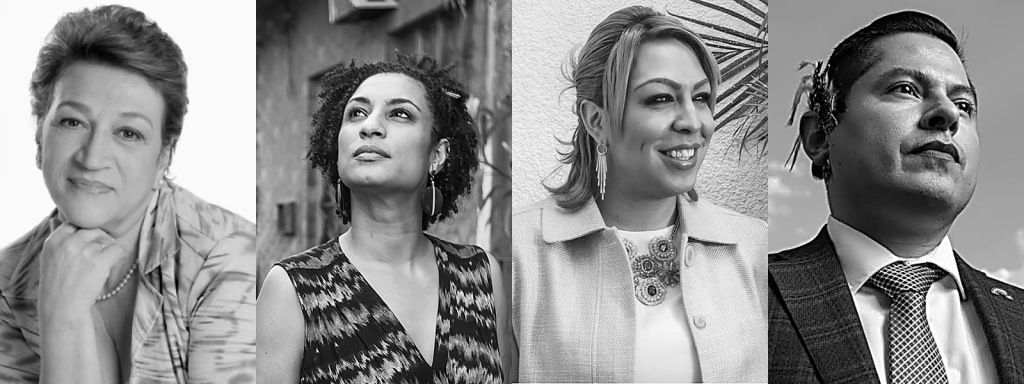
In Honduras, the murder of trans activist and candidate Vicky Hernández in 2009 later led to a landmark Inter-American Court of Human Rights ruling that found the Honduran state responsible and ordered reparations and protective measures for trans people. In Brazil, the 2018 assassination of Rio de Janeiro councilwoman Marielle Franco, a Black lesbian who spoke out against police violence and abuses in favelas, drew global attention to killings of Black, queer and feminist political voices.
Mexico has seen similar cases in recent years. Trans activist and politician Samantha Gómez Fonseca was shot and killed in Mexico City, sparking protests and renewed demands for protection of trans people and activists. In Aguascalientes, Mexico’s first openly nonbinary magistrate, Jesús Ociel Baena Saucedo, was found dead with their partner in 2023, in circumstances authorities initially described as a likely murder-suicide. Both cases fueled debate over how safe it is for trans and nonbinary people to hold public office or other high-profile roles.
Advocates say Medrano’s death fits a wider pattern in which LGBTQ+ public figures can become high-profile targets, even when the motive is unclear, or authorities do not immediately confirm an anti-LGBTQ+ bias.
Guadalajara is a city many LGBTQ+ travelers associate with arts, nightlife, and proximity to Puerto Vallarta. The incident adds to a growing sense of unease among queer tourists and locals navigating Mexico’s security landscape.
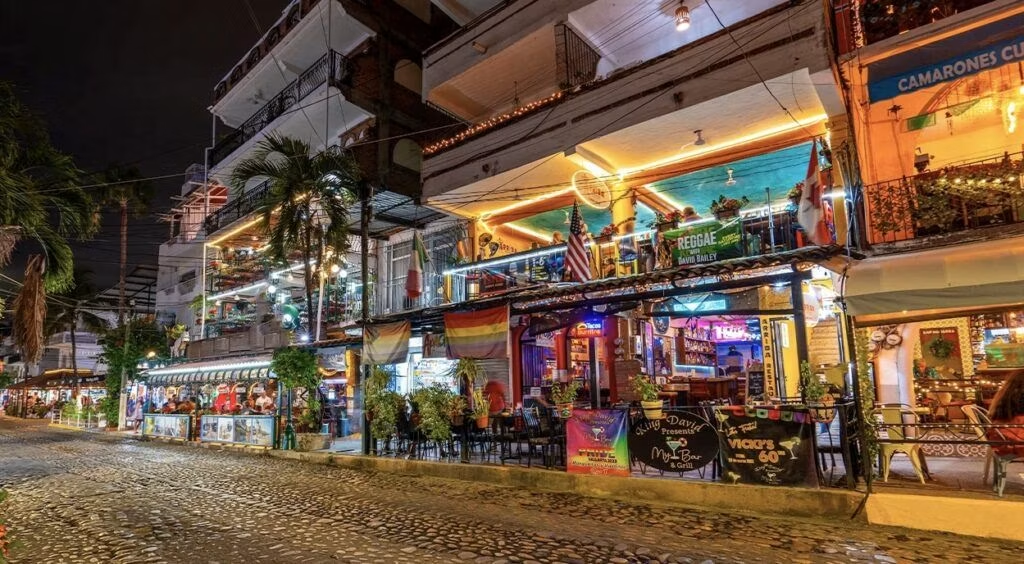
Puerto Vallarta’s Zona Romántica, long marketed as a gay-friendly area with beach clubs and bars, was directly affected by cartel-linked arson earlier this year. The U.S. Embassy’s shelter-in-place advisory temporarily shut down taxis, ride-shares and some businesses, including LGBTQ+-focused venues.
LGBTQ+ groups in Mexico have responded by pressing for stronger hate-crime protections, clearer recognition of transfeminicides and better data collection on violence against queer and trans people. Pride marches in Mexico City and other cities have paired celebration with explicit demands for state action on violence, discrimination and impunity.
As of now, authorities in Jalisco and at the federal level have not released information about possible suspects or motives. It is not yet known whether Medrano’s sexual orientation, past political roles, or corruption allegations played any role in the killing.
For LGBTQ+ readers in Mexico and abroad, the case raises immediate questions about how safe it is to be openly gay in public office and what protections exist for queer political leaders. It also adds another name to a growing list of LGBTQ+ figures whose lives have been cut short by violence in a country where Pride parades and mass graves can exist within the same news cycle.
 Gaye Magazine
Jul 17
2 mins read
Gaye Magazine
Jul 17
2 mins read
Anders Hare
Jul 8
4 mins read
 Mykel Hilliard
Jul 6
3 mins read
Mykel Hilliard
Jul 6
3 mins read
Ronnie L. Taylor
Jul 2
6 mins read

Gaye Magazine® is part of Gaye Media, Inc.© 2026 Gaye Media, Inc. All Rights Reserved.