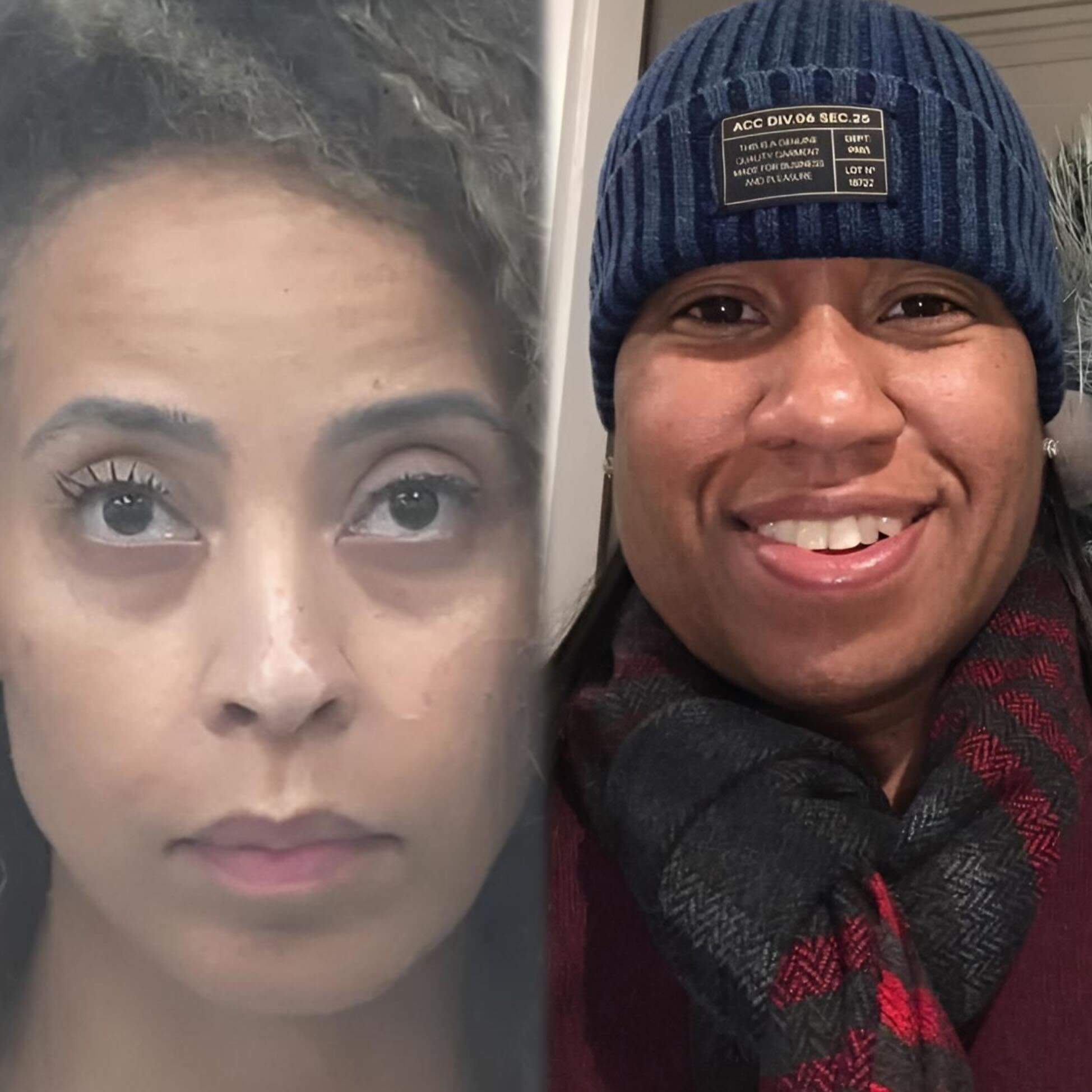
The Atlanta queer community is mourning the loss of one of its own. Sharell Canty, 44, co-owner of Opium nightclub and a well-known party promoter who hosted LGBTQ+ events, was found shot and killed inside a Grayson, Georgia home in what authorities are calling a domestic-related homicide. Her ex-wife, 48-year-old Stephany Byrom, has since been arrested and charged in connection with her death.
On the morning of Sunday, May 24th, a neighbor contacted police just before 9 a.m. after discovering something was wrong at the home found on Wilkerson Way in Grayson. When officers arrived, they found Canty’s body and launched what would become a death investigation. By Monday, authorities had arrested Byrom and charged her with malice murder, felony murder, aggravated assault, and possession of a firearm during the commission of a felony.
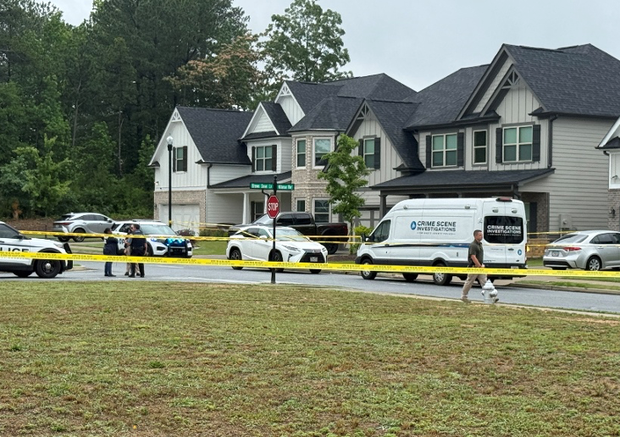
The quiet, suburban neighborhood was left shaken. Neighbor Jordyn Stallworth described the scene as overwhelming: police cars, an ambulance, and yellow crime scene tape surrounding the home; a scene completely at odds with the calm she’d always known the area to be. Sgt. Jennifer Richter of the Gwinnett County Police Department noted that fatal calls are genuinely rare in that part of Grayson.
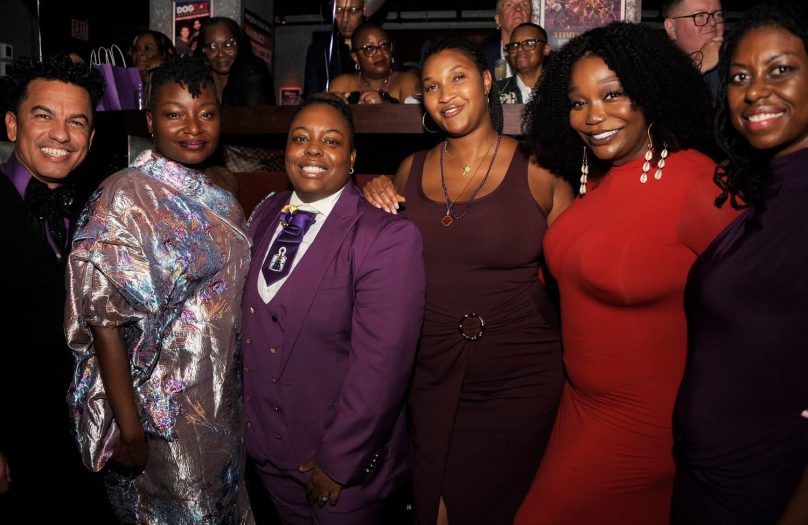
What makes the tragedy cut even deeper for many is just how much Sharell Canty meant to people. She was described as popular and charismatic, someone who was more than a promoter, but also a connector, a community figure, and a local business owner who people turned to when they wanted to get things moving. The outpouring online reflected that. People who knew her personally as well as from being in shared public spaces or events, all shared grief that felt immediate and raw. One person wrote that her energy was amazing. Another called her one of the most genuine people they’d met in Atlanta.
Byrom herself being a prominent local real estate agent only added another layer of disbelief to an already devastating situation. The idea that someone so visibly embedded in the community could allegedly be responsible for something this violent forces a kind of reckoning about how well we really know people, about what gets hidden behind familiar faces and polished reputations, and about how domestic violence doesn’t announce itself before it arrives.
Fundamentally, this situation represents the tragic reality of domestic violence, the kind that doesn’t always look like what we imagine it should. It can live inside of a quiet suburb, behind a freshly cut lawn, between two women who once chose to be with each other.
According to the CDC, 43.8% of lesbian women report having experienced physical violence, stalking, or rape by a partner in their lifetime, a figure that rivals and in some cases exceeds rates seen in heterosexual relationships. Regardless of this startling statistic, 44% of LGBTQ+ survivors of intimate partner violence have reported that they have been denied shelter services when seeking help. The violence is real. The resources, far too often, are not.
Investigators have officially classified Canty’s death as a domestic-related homicide. The case remains under active investigation. Byrom is currently facing charges of malice murder, felony murder, aggravated assault, and possession of a firearm during the commission of a felony.
 SaintTreyW
Oct 9
3 mins read
SaintTreyW
Oct 9
3 mins read

 Zuri Pryor-Graves
Oct 2
5 mins read
Zuri Pryor-Graves
Oct 2
5 mins read

SaintTreyW
Sep 30
7 mins read

SaintTreyW
Sep 30
3 mins read

Gaye Magazine® is part of Gaye Media, Inc.© 2026 Gaye Media, Inc. All Rights Reserved.