


 Zuri Pryor-Graves
Jun 24
8 mins read
Zuri Pryor-Graves
Jun 24
8 mins read
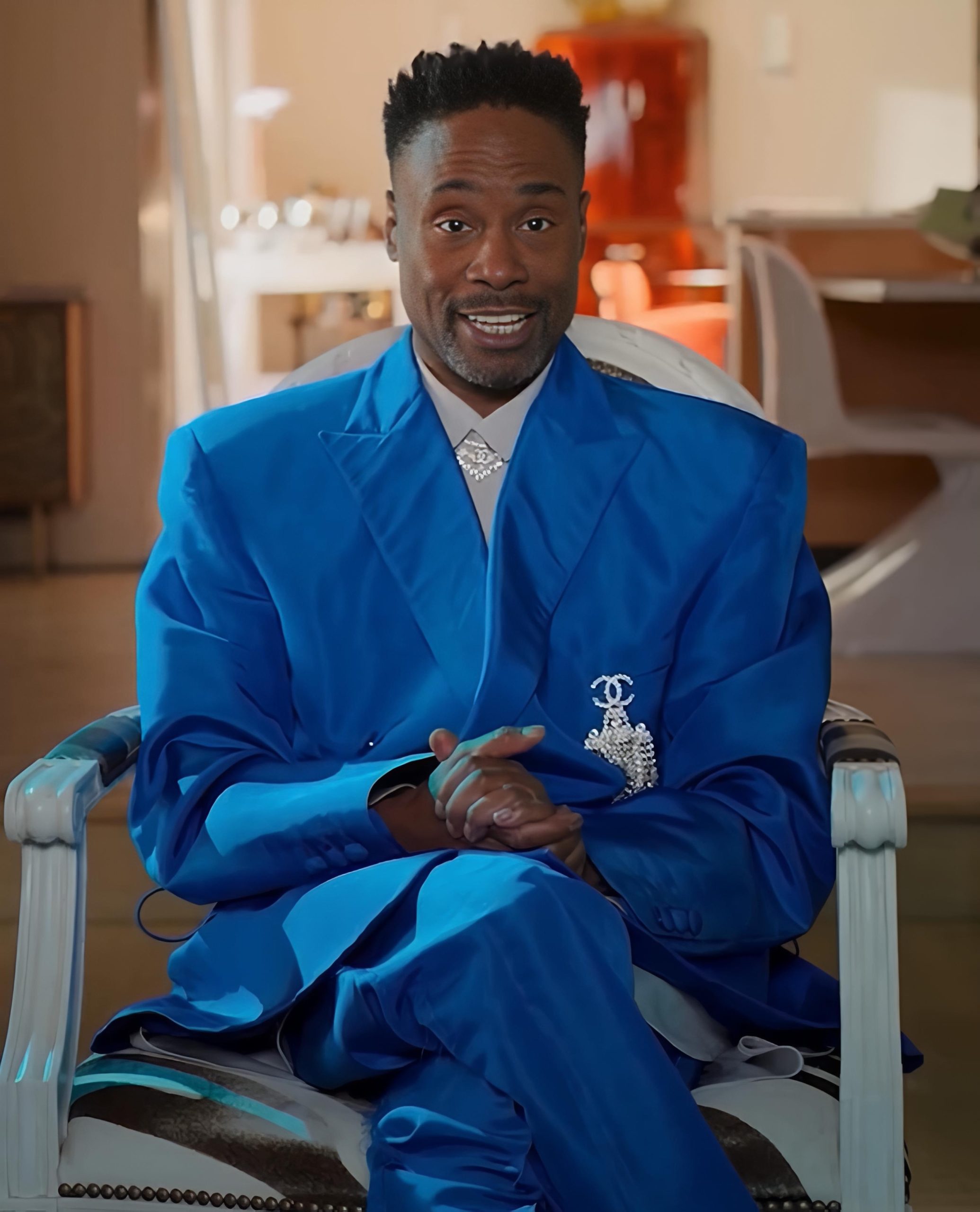
In Season 2, Episode 3 of Finding Fire Island, titled “Sex Before the Internet,” creator, executive producer, and host Jess Rothschild spoke with Billy Porter about coming of age sexually during the AIDS crisis. Porter reflected on a time when bottoming was often associated with fear of HIV transmission.
“By 30, I was ready to be versatile, and I didn’t really know where to go, and I wanted a professional, so I did go to H/X,” Porter said. “I had to hire a professional to teach me how to bottom. Don’t ask me questions you don’t want the answers to, honey.”
The comment drew wider attention after Queerty covered the episode this week.
The series looks at Fire Island, queer history, cruising, personal ads and gay life before dating apps and search engines changed the way people find sex, information and community.
In the episode, Porter also recalled his first experiences with Fire Island after moving to New York on Dec. 27, 1990, to join the original cast of “Miss Saigon.” He said many people in the Broadway community went to Fire Island on Mondays because that was their day off.
“I remember how magical it was,” Porter said. “I’d never been to a place like that. We grew up very poor. I didn’t go on vacation. I’d never experienced a beach.”
Porter also spoke about visiting the Meat Rack, the well-known cruising area between Cherry Grove and Fire Island Pines.
“I’ve spent some time in the Meat Rack,” Porter said. “I ain’t gonna tell you all my business! You know, I’m a gay man at a certain age. Yes, I was in the Meat Rack.”
Later in the episode, as the documentary turned to H/X, the now-defunct New York gay magazine whose ads and phone lines helped men connect before hookup apps, Porter said he had responded to some of the ads. He placed that experience inside the AIDS crisis, when misinformation around HIV transmission shaped how many gay men understood risk, sex and sexual roles.
“You know, I was what you considered a top,” Porter said.
Porter explained that bottoming was often associated with getting HIV, which led some men to identify as tops out of fear. By about 30, he said, he was ready to become versatile and wanted help learning how.
“They had pictures, but you had to call, you had to talk,” Porter said of H/X. “It wasn’t text message. You had to hear the voice. That was a part of the allure of it, your voice.”
Porter’s comment traveled quickly because it was funny, blunt and disarming. Readers laughed, paused and debated what it means for a famous gay icon to admit that sexual skill sometimes requires help.
That reaction points to a better question than the star-powered headline.
Why are people surprised that someone had to learn how to have sex?
The surprise reveals how people treat queer sexuality. Gay men are often expected to instinctively understand anal sex. Those labeled feminine are often assigned sexual assumptions based on how they move, dress, speak or present themselves. People in certain bodies, or people with certain gender expressions, get assigned sexual roles before anyone has asked what they want, know, enjoy or need.
That is oversexualization dressed up as common sense.
Curiosity and desire can show up before confidence or skill. Attraction does not teach anatomy, pleasure, consent, safer sex or preparation to do the deed. People learn those things through partners, mistakes, books, workshops, therapists, community, mentors, sex educators and, yes, sometimes paid professionals.
Porter’s story resonates because it calls out something many adults recognize and rarely admit.
Most people learn sex.
Many people enter adulthood with partial knowledge, private shame and a lot of guesswork, doing the dag-on thing with whatever scraps of sex education they picked up along the way. Partners may teach each other. Community may fill in what schools left out. A person may need years before they can identify what they like, fear or need to learn.
Sexual skills are learned skills, and for many people, bottoming is one of them.
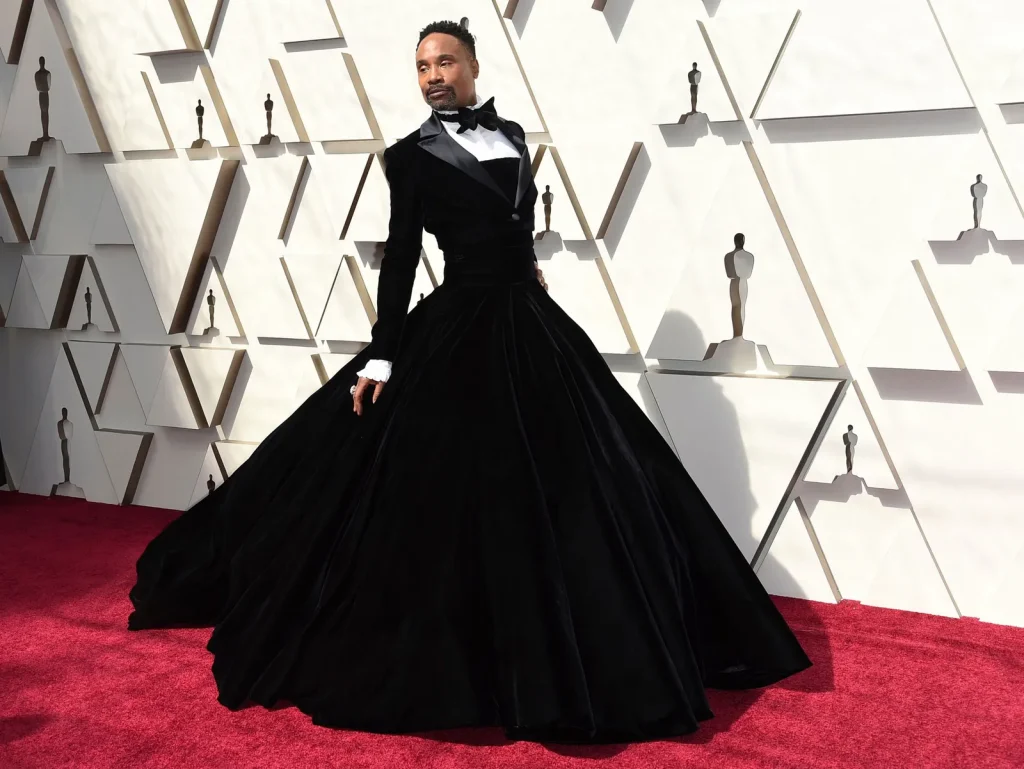
The term “bottom” generally refers to the person receiving penetration or receiving another sexual act. In many conversations about gay male sexuality, it refers to a man who receives anal penetration. People outside gay male communities sometimes treat that definition as the whole story, as if anal sex is the only way every gay man has sex and in the same position every time.
That is inaccurate.
Bottom is a role. It is also a word people can use as part of identity, preference, behavior or sexual shorthand. It does not inherently describe a body type, gender, outfit, voice, walk, vibe, energy, personality or level of experience.
Public conversations often treat bottoming as something people can identify just by looking at someone. Perceived femininity gets read as sexual availability, masculinity gets read as dominance, and bodies get assigned expectations around behavior. Those assumptions flatten people and turn sexual roles into personality tests and skill assessments.
People who bottom do not fit into one box. Bottoming can connect to pleasure, trust, power, identity, curiosity or a practical sexual role. A person may bottom exclusively, occasionally or while still learning what feels right for them.
The language also travels outside gay male sex. In BDSM and kink spaces, a bottom may receive sensation, impact, service or direction during a scene. A submissive describes someone who consents to surrender power or authority within a negotiated dynamic. Those roles can overlap, though they carry distinctly different meanings. A top generally gives penetration, sensation, direction or action, depending on the context. Versatile, often shortened to vers, describes someone who enjoys or participates in more than one role.
Porter described himself as having been “what you considered a top” and later wanting to explore being more versatile.
The word “bottom” also appears in lesbian sex, queer sex involving strap-ons, pegging dynamics and power exchange relationships. In some spaces, bottoming is framed through kink, fetish or taboo. For others, it is part of regular sex. Gay men participating in anal sex should not automatically have their ordinary pleasure or sexual experiences labeled as kinky because outsiders carry discomfort or ignorance around the act.
That perspective in queer sexuality deserves more respect.
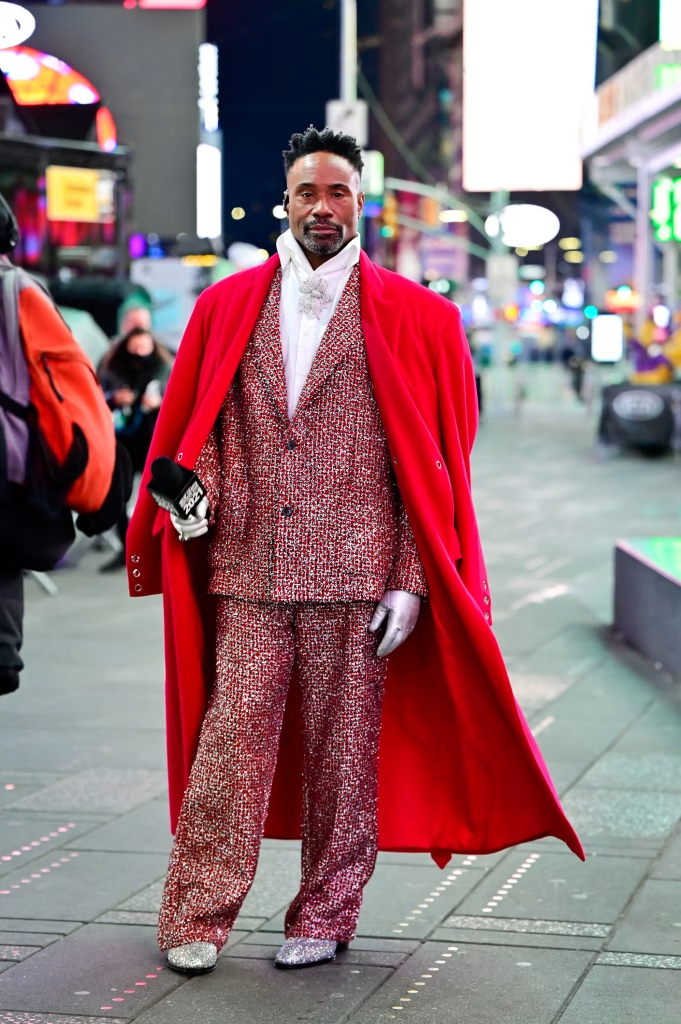
Anal sex, like any sexual practice, asks people to understand their bodies, communicate clearly and move with care. The prostate can be a source of pleasure for many people assigned male at birth, but anal pleasure can also come from nerve sensitivity, pressure, arousal, trust and the meaning certain partners give the experience. Pleasure varies because people vary.
School sex education rarely prepares us for that. Many programs center pregnancy prevention, abstinence, anatomy or disease risk. Pleasure barely gets mentioned, and “barely” is generous. Queer sex, safer anal sex, adult communication, gender diversity and kink literacy are often left out entirely. That was true during Porter’s formative years, and for many people, even in 2026, it remains true.
So where are people supposed to learn? Thin air? Ancestors?
Today, a person curious about bottoming can find sexual health resources within minutes. Grindr has published “How to Bottom: Tips to Become a Better Bottom in Bed.” Pure for Men has “How to Bottom 101.” Pride has “17 tips for new bottoms you need to know.” Ending HIV has “10 Bottoming Tips For Gay Men: How To Bottom.” MasterClass has articles on anal orgasm and bottoming. Reddit and other forums include people asking where they can learn, practice or find guidance. The quality varies, but the demand is clear: people have questions, and shame has never been a useful answer.
That much access is recent. For much of modern queer history, sexual information moved through chosen family, older queer people, magazines, bars, clubs, health clinics, bathhouses, community spaces and private conversations. Finding Fire Island places Porter’s comments inside that history that Porter discussed H/X, a now-defunct New York gay magazine, and described looking for a professional when he was around 30.
Instinct Magazine also reported that Porter spoke about visiting the Meat Rack, the well-known cruising area between Cherry Grove and Fire Island Pines, and learning to navigate sexuality.
Porter moved to New York in 1990, during the AIDS crisis, when gay men were learning sex inside a culture shaped by fear, grief, stigma, and survival. As formal education ignored them, community became the classroom.
Porter’s curiosity deserves support and adult sexual learning deserves room.
The reported bottoming comment fits that it would come from Porter and spark controversy and conversation. Porter has often exposed the gap between what culture mocks in one era and celebrates in another. Sexuality follows a similar pattern. People laugh at what makes them uncomfortable, then privately search for the same information later.
That is why the story deserves coverage beyond celebrity gossip. It points to queer mentorship, adult sex education, sexual health, stigma and the quiet ways people learn what institutions refused to teach. The story reaches beyond whether Billy Porter reportedly learned how to bottom and asks why so many people pretend sex should come with automatic fluency.
So kudos to Billy for telling “some real personal shit,” as he put it in the episode, giving us some queer history and causing some much-needed reflection this week. What started as a funny Fire Island confession also pushed a better conversation about sexual learning, pleasure and the permission adults need to ask questions without humiliation.
Bottoming, like any sexual practice, deserves patience and respect.
Sex is something people learn and may cruise for to do so. None of that makes someone less sexual, less queer, less masculine, less feminine or less desirable.
It makes them honest.
Pretending otherwise has never made anyone safer, freer or more satisfied…just makes ’em weird.
Want to learn more?
For those who want more than a trendy internet search or an in-person “how to,” seek licensed sex therapists, kink-aware therapists, LGBTQ-affirming clinicians, sexological bodyworkers or trained sex educators. Anyone considering surrogate partner therapy should understand that it is a defined therapeutic model involving a client, therapist and trained surrogate partner.
Watch below:
William Dolliole-Thompson II
Aug 11
6 mins read
 Brandon
Aug 6
8 mins read
Brandon
Aug 6
8 mins read

 Mykel Hilliard
Aug 4
3 mins read
Mykel Hilliard
Aug 4
3 mins read
Anders Hare
Jul 18
3 mins read

Gaye Magazine® is part of Gaye Media, Inc.© 2026 Gaye Media, Inc. All Rights Reserved.