


 Brandon
Jul 29
5 mins read
Brandon
Jul 29
5 mins read
The ADA is a landmark civil rights law that prohibits discrimination against people with disabilities in employment, transportation, education, and access to public services and accommodations.
Disability Pride Month is a time to celebrate disability identity, culture, and achievements, while recognizing the ongoing work to advance equity and opportunity for people with disabilities.
Within our Gaye community, there is no shortage of influential Black, queer disabled leaders, artists, activists, and changemakers whose contributions have shaped culture and driven meaningful progress.
This month, we’re highlighting several figures who have helped move the conversation forward around disability representation, rights, and self-expression.
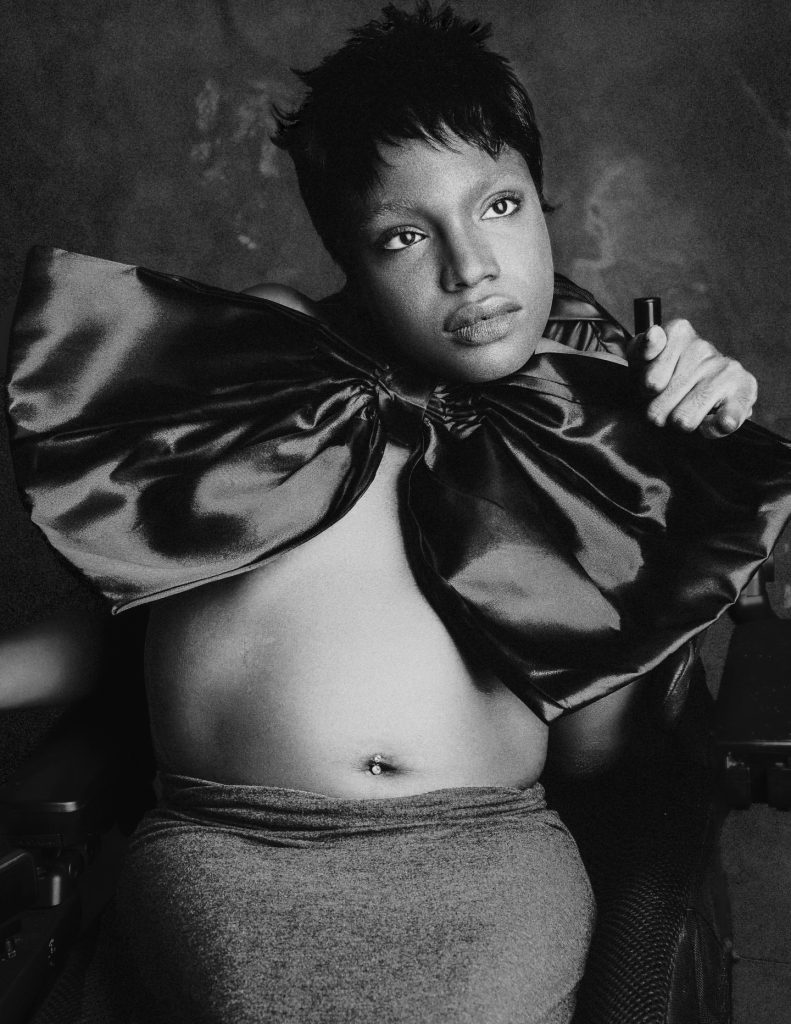
Aariana Rose Philip is helping redefine what visibility looks like across fashion, media, and popular culture. The Antiguan-American model, artist, musician, and activist became the first Black trans model with a physical disability to sign with a major modeling agency in 2018, launching a career that has continued to expand the possibilities of representation within the fashion industry.
Philip, who has quadriplegic cerebral palsy, has appeared in campaigns, editorials, and runway shows for some of the industry’s most recognizable brands while bringing a perspective that reflects the richness and complexity of multiple intersecting identities.
Her influence extends well beyond the runway. Philip has become a prominent voice in conversations about disability, gender, race, and beauty, encouraging audiences to think more broadly about who is seen, celebrated, and centered in public life. This year, she made history as the first wheelchair user to attend the Met Gala, adding another milestone to a career defined by visibility and cultural impact. During Disability Pride Month, Philip’s work offers a powerful example of what it looks like to unapologetically take up space while opening doors for others to do the same.
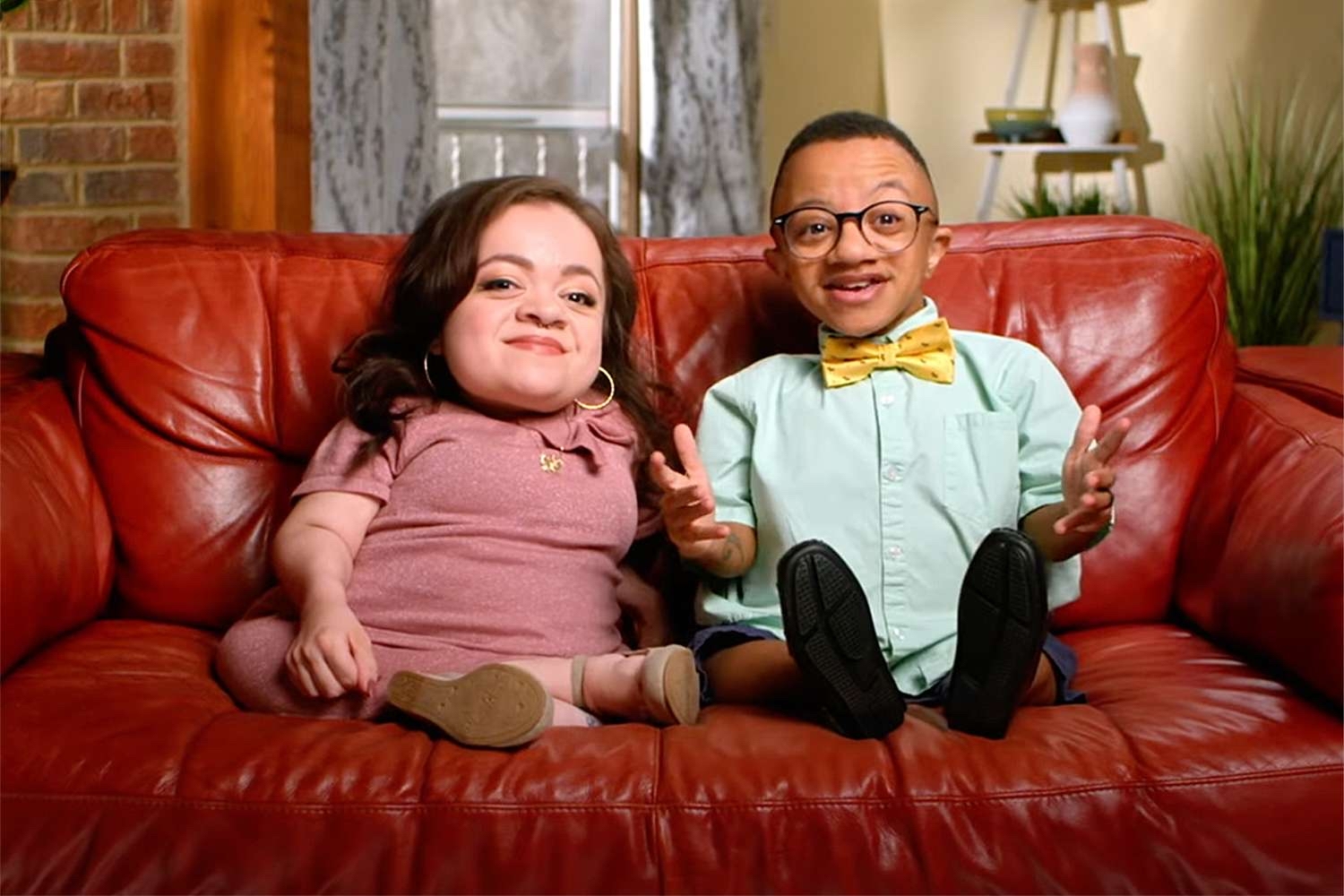
Jay and Pamela are the bona fide stars of TLC’s eponymous series, Jay and Pamela. First premiering in 2025, the show is a first-of-its-kind reality series centered on the life of a Black, disabled trans man. Jay Manuel, known online as “Mini Producer,” is autistic and also works as a music producer. By his side is his wife, Pamela Chavez, a first-generation Mexican American woman who identifies as pansexual. The couple shares a unique bond beyond their romance: both were born with osteogenesis imperfecta (OI) Type III, a genetic condition that causes fragile bones and can affect mobility, leading to frequent fractures.
Rather than framing their story solely around disability, the show follows the couple as they navigate everyday life, from relationship challenges to wedding planning and house hunting. Together, Jay and Pamela use their platform and press interviews to speak openly about their sex life, growing up queer, and championing more authentic disability and LGBTQ+ representation on television. Their presence challenges reality TV norms that either exclude disabled people entirely or reduce their stories to inspiration narratives. Their visibility as a Black trans man and a pansexual Latina woman living with the same rare condition has made the show a notable moment for intersectional representation on mainstream television.
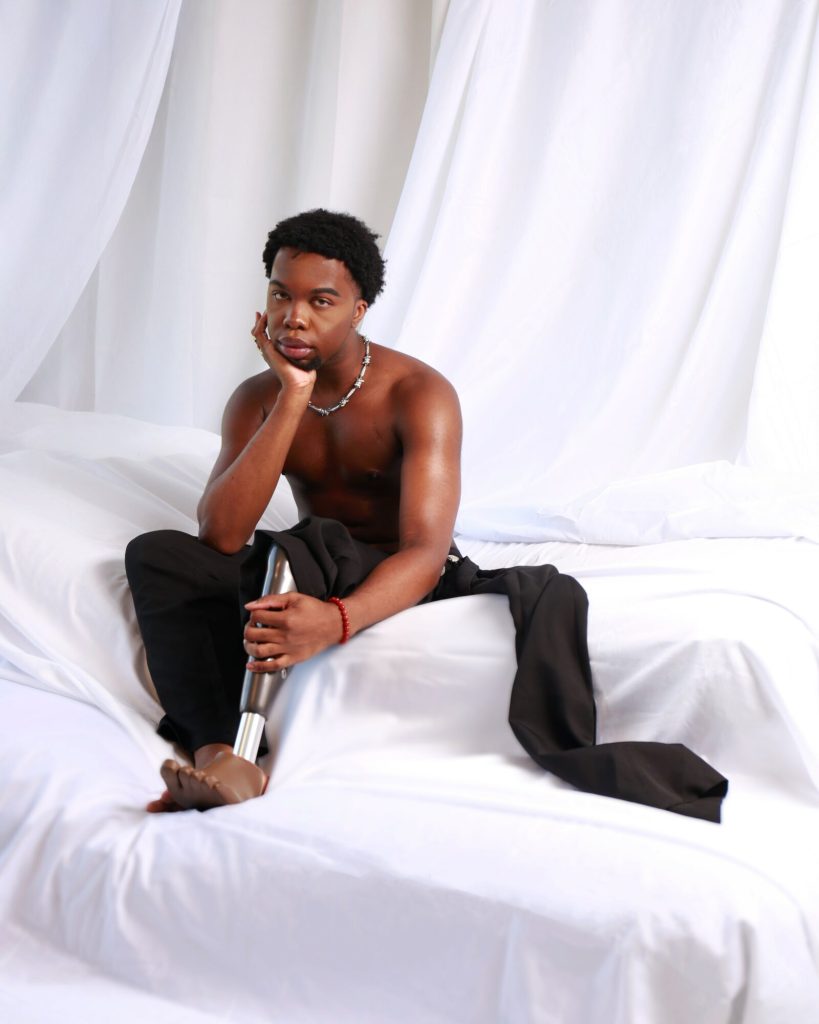
Known online as the Icy Amputee Warrior, Keith Parris raises visibility for people living with limb loss while also building a following as one of social media’s most prominent makeup artists. Born with tibial hemimelia, a rare condition that resulted in the amputation of his leg, Brooklyn-born content creator Keith Parris (@icyparris) turned childhood bullying and shame over his missing limb into a platform reaching more than 130,000 TikTok followers.
As a teenager, he channeled his pain into a self-published memoir on Wattpad called Amputee Story, detailing his experiences with an eating disorder, self-harm, and disability, which went viral overnight. Despite facing ableism online, Parris remains openly himself. Since then, he has built a career as a makeup artist, model, and LGBTQ+/disability advocate, using social media to tell his story as a Black queer amputee navigating bullying and self-discovery.
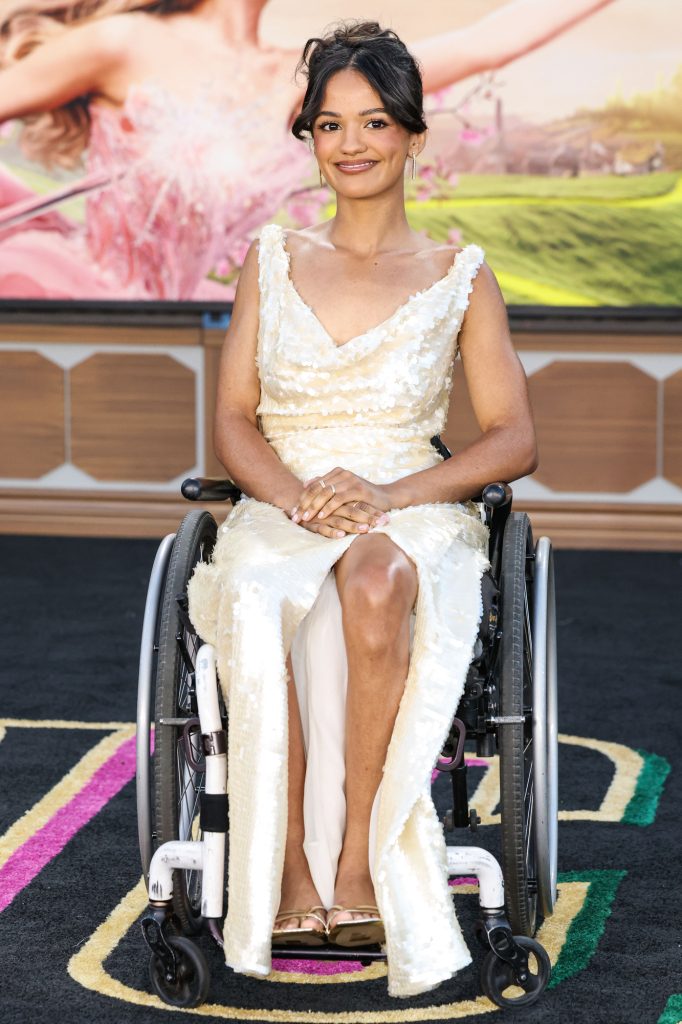
Marissa Bode is part of a new generation of performers bringing greater authenticity and nuance to disability representation on screen. The actor made her feature film debut as Nessarose in Wicked (2024), becoming the first wheelchair user to portray the character in a major film adaptation. For many viewers, her performance marked one of the most visible examples of disability representation in a blockbuster production.
Outside of her acting career, Bode has become an outspoken advocate for accessibility and disability inclusion in entertainment. She frequently uses her platform to discuss representation and the importance of disabled people participating in the stories that shape culture. As conversations about equity and inclusion continue across film, television, and media, Bode’s career reflects a growing recognition that disabled performers are helping shape the future of the industry, both on screen and behind the scenes.

If you’ve been on social media at any point over the last five years, you’ve probably stumbled across Shemar McCoy, also known as Big Marco, and his hilarious shenanigans.
Hailing from Atlanta, Georgia, the social media creator was born with severe scoliosis but has never allowed his disability to stand in the way of his success, growing a loyal audience and generating millions of views across social media platforms. Much of Shamar’s virality stems from his unscripted commentary during live streams, with several of his remarks becoming viral moments on stan Twitter, now known as X, and meme pages.
In addition to his viral social media moments, Shemar has also found success as a musical artist. His songs have amassed millions of streams, including his 2025 collaboration with FendiDa Rappa, “Clock Dat”, which has garnered more than 12 million views on YouTube.
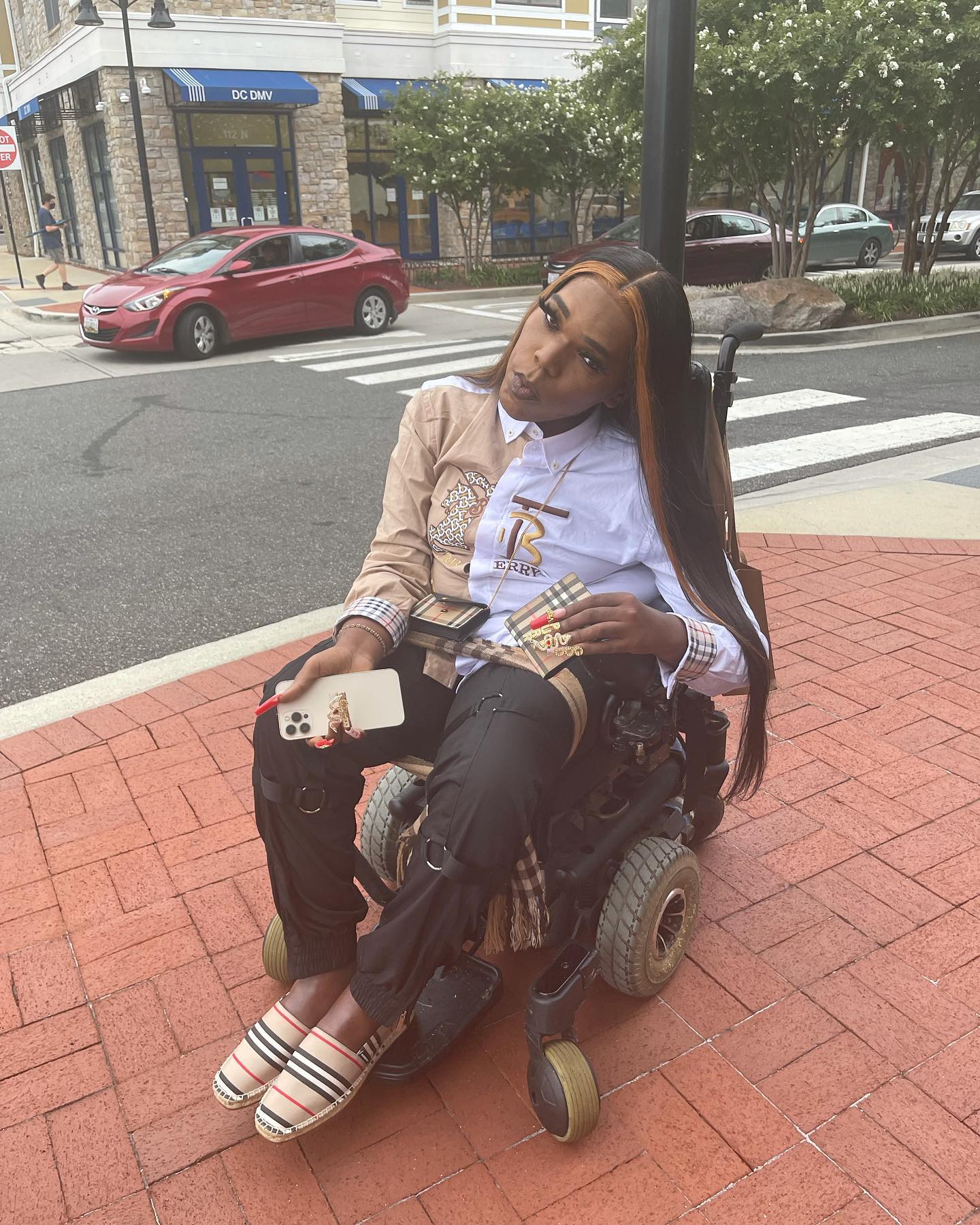
Self-proclaimed as “the most famous boy in the wheelchair,” D.C. cultural icon Rolling Ray cemented himself as an online staple. Diagnosed with spinal muscular atrophy at just 15 months old, his doctor gave him only 12 years to live. As his condition progressed, he began using a wheelchair for mobility. Beginning in his teenage years, Ray took social media by storm with his instantly quotable quips, fierce personality, and seemingly infinite braggadocio. All the while, he was making internet history from his iconic wheelchair. Over time, his consistent virality launched him onto the small screen, with notable appearances on Catfish: Trolls, Divorce Court, The Conversation and Bobby I Love You Purr.
Tragically, just two days before his 29th birthday, Ray passed away from natural causes.
Despite an original prognosis of only 12 years to live, he lived more than twice that. His life was defiance incarnate. Rolling Ray would not have been who he was without embracing every part of himself: his Blackness, his queerness, and his disability. All of these identities worked in tandem, each contributing to the unforgettable person so many came to know. To this day, Rolling Ray is remembered for living boldly and authentically, both on and offline.
 Juhi Page
Aug 13
8 mins read
Juhi Page
Aug 13
8 mins read
Brandon
Aug 6
8 mins read
 SaintTreyW
Aug 5
10 mins read
SaintTreyW
Aug 5
10 mins read
SaintTreyW
Apr 22
8 mins read

Gaye Magazine® is part of Gaye Media, Inc.© 2026 Gaye Media, Inc. All Rights Reserved.