


 SaintTreyW
Aug 19
5 mins read
SaintTreyW
Aug 19
5 mins read
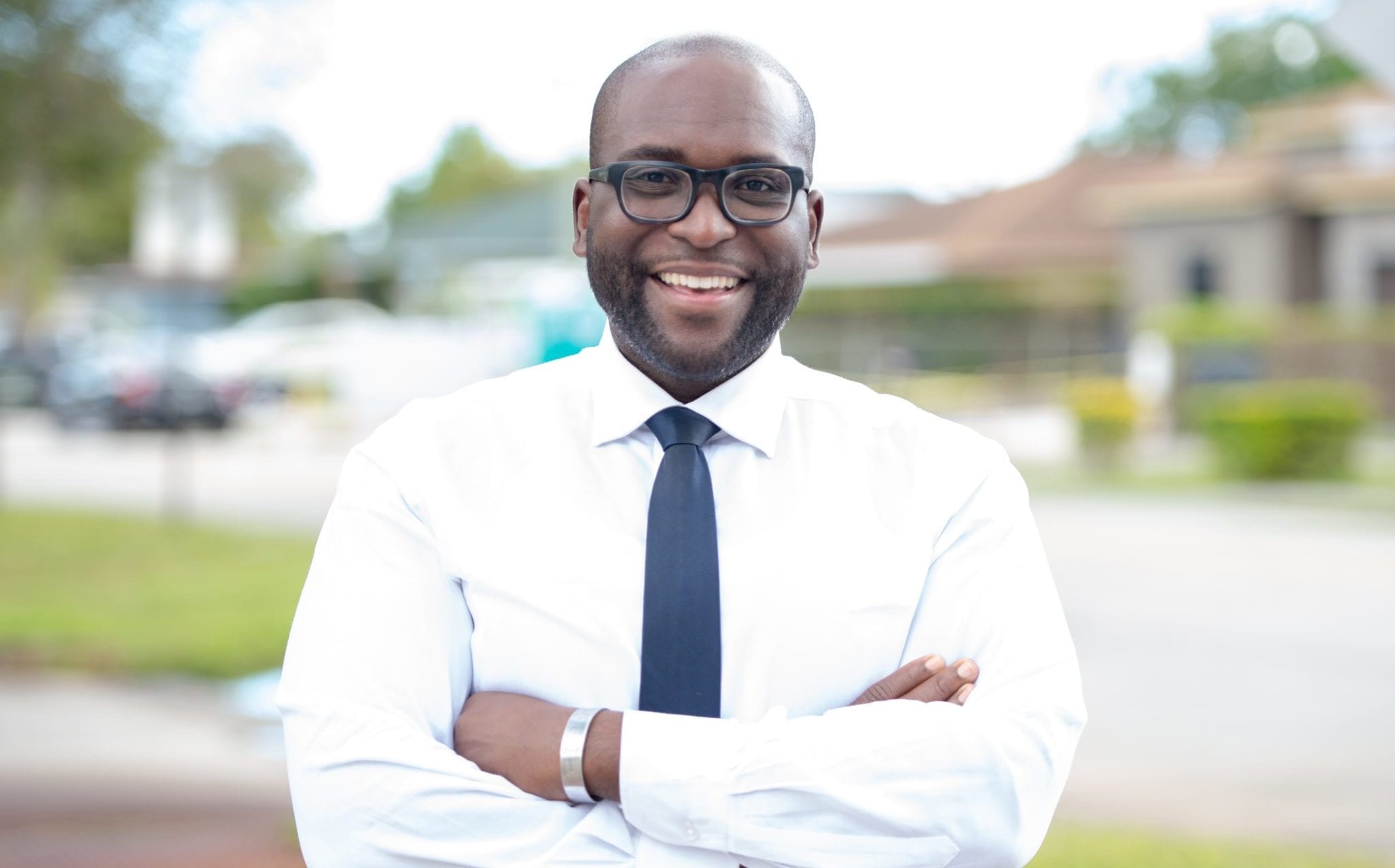
A fraudulent text campaign targeting state Sen. Shevrin Jones with a false HIV claim is not merely an attack on one openly gay Black candidate. It is a reminder that, in Florida and across the country, HIV stigma remains a political weapon shaped by decades of government abandonment, criminalization and anti-LGBTQ fear.
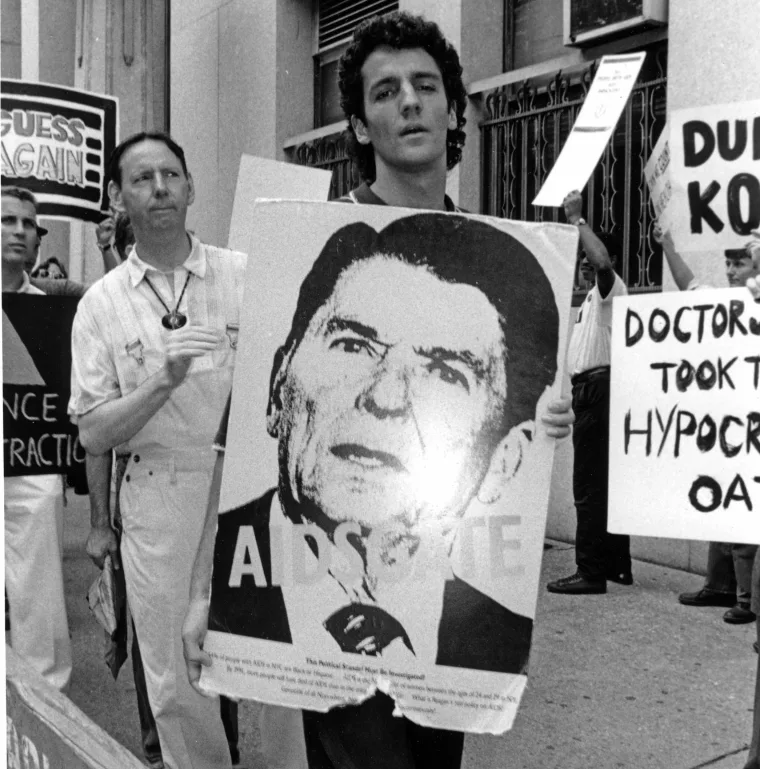
In the Reagan era, the United States watched HIV/AIDS become a national catastrophe while federal leadership lagged behind the urgency of a virus disproportionately devastating gay men, Black and Brown communities, people who use drugs and poor people.
The administration’s delayed and inadequate response left communities to build their own systems of care, mourning and mutual aid as discrimination spread through hospitals, workplaces, schools and families.
By 1987, years into the epidemic, President Ronald Reagan created the Presidential Commission on the HIV Epidemic; its recommendations came after tens of thousands of people had already died. Georgetown University’s O’Neill Institute notes that the commission’s major recommendations were largely ignored by the Reagan administration.
That legacy did not end when the country finally began to fund HIV care. Political leaders of different parties have, at times, joined in creating or preserving systems that treat people living with HIV as potential criminals rather than neighbors entitled to health care, privacy and dignity.
The 1990 Ryan White CARE Act created the nation’s largest federally focused HIV care program, a lifesaving achievement that passed with broad bipartisan support. But its original structure also required states to certify that their criminal laws could prosecute people who knowingly exposed others to HIV. This provision helped accelerate HIV-specific criminalization across the country.
Former Sen. Edward M. Kennedy, D-Mass., was the bill’s sponsor; the law became public law in August 1990. Researchers and advocates have documented how the certification requirement helped entrench punitive HIV laws before it was removed in 2000.
The consequence is not abstract. HIV-specific statutes and prosecutions have often punished people regardless of whether transmission occurred or whether modern science established a meaningful risk. Public-health researchers have warned that such laws can discourage testing and undermine prevention, particularly when people who know their status face heightened criminal exposure.
A National Institutes of Health-indexed review found that HIV exposure criminalization does not reflect current understandings of HIV transmission and may undercut public-health goals. Today, 34 states and two U.S. territories still have HIV-specific criminal laws, according to the American Academy of HIV Medicine.
That is the landscape in which an anonymous sender reportedly weaponized HIV stigma against Jones, the openly gay state senator who sought the Democratic nomination in Florida’s 24th Congressional District.
A text message sent to Democratic primary voters falsely claimed Jones was living with HIV. It falsely represented itself as having been paid for by Equality Florida, the statewide LGBTQ advocacy organization that has endorsed him. The message linked to a 2020 report about Jones being unable to donate plasma during the COVID-19 pandemic because of then-existing federal restrictions on gay and bisexual male donors, not because he had HIV. CBS Miami reported that Equality Florida is considering legal action and consulting outside counsel to identify the sender.
Jones has said he is not HIV-positive. Yet he refused the cheap political logic embedded in the smear that the lie is harmful only because it is false.
“Not simply because someone lied about my health, but because I knew exactly what they were trying to do,” Jones said. “They were trying to use my sexuality to create fear and shame around me. I am not HIV positive. But I refuse to defend myself by saying, ‘That’s not me,’ and then leave people who are living with HIV carrying the stigma. There is nothing shameful about living with HIV. There is nothing shameful about being gay.”
That is the clearest indictment of the text’s design. It was fashioned to exploit a long-taught association between queerness, HIV and alleged unfitness for public life, a lie whose costs have never been distributed evenly. Black communities, queer people, trans people, immigrants and working-class people living with HIV have repeatedly borne the sharpest edge of stigma, surveillance and gaps in care.
Brandon Wolf, a spokesperson for Equality Florida, said the organization did not send the messages. He told CBS Miami that the apparent aim was to “prey on the stigma of people living with HIV, people in the LGBTQ community, to drive voters away from Shev.”
Jones said the false use of Equality Florida’s name violated federal law by misrepresenting the organization. CBS Miami reported that the group is assessing its legal options.
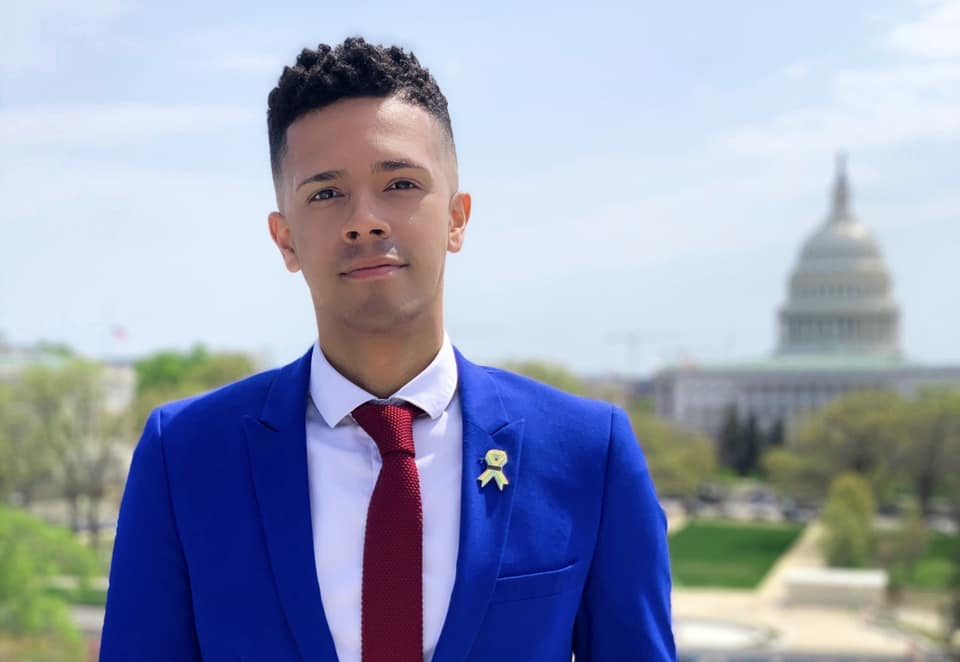
The push text was reportedly delivered to registered Democratic voters in the district and masqueraded as sympathetic outreach. That alleged sympathy is central to the cruelty; it turns HIV into a whisper campaign, suggests that a diagnosis should be politically disqualifying, and recycles an outdated blood-donation regime that had already institutionalized suspicion of gay men.
The Food and Drug Administration moved in 2023 to an individual risk-assessment model for blood donations, replacing its prior restrictions targeting men who have sex with men.
The reaction from Jones’ competitors was unusually direct. Miami-Dade Commissioner Oliver Gilbert called the attack “a lie,” “evil” and “hurtful,” according to CBS Miami. Kendrick Meek, another candidate in the Democratic primary, said he had reached out to Jones and committed himself to a clean race.
Their condemnation matters. But it should not permit the political class to treat the text as an isolated offense committed by an unknown bad actor. Anonymous lies thrive when public culture has already been trained to regard HIV as evidence of moral failure and queerness as a source of suspicion.
Florida’s recent conduct around HIV care makes that contradiction especially stark. Earlier this year, the state moved to sharply restrict its AIDS Drug Assistance Program, including by reducing eligibility and changing medication coverage.
Following litigation and advocacy, Florida’s enacted 2026-27 budget restored the program’s eligibility threshold to 400% of the federal poverty level, restored covered medications and provided an additional $75 million in funding, according to the AIDS Healthcare Foundation. The restoration is welcome, and the attempted cuts were still a warning about the precarity of care for people whose lives are too often debated as budgets, burdens or political symbols.
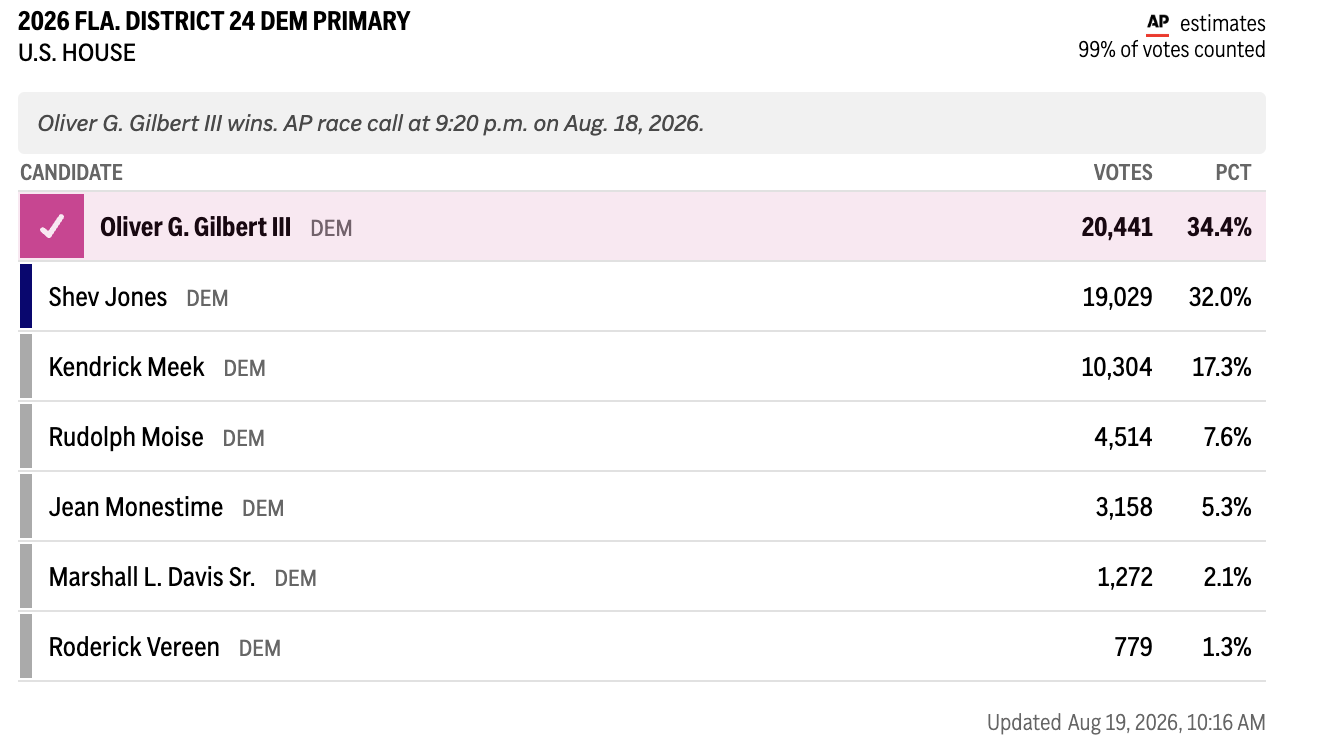
State Sen. Shevrin Jones conceded the race Tuesday night as he was trailing Gilbert by about 2 percentage points, before the Associated Press made a projection.

 Zuri Pryor-Graves
Oct 2
5 mins read
Zuri Pryor-Graves
Oct 2
5 mins read
SaintTreyW
Sep 30
7 mins read
SaintTreyW
Sep 30
3 mins read

SaintTreyW
Sep 25
6 mins read

Gaye Magazine® is part of Gaye Media, Inc.© 2026 Gaye Media, Inc. All Rights Reserved.