


 SaintTreyW
Feb 5
4 mins read
SaintTreyW
Feb 5
4 mins read
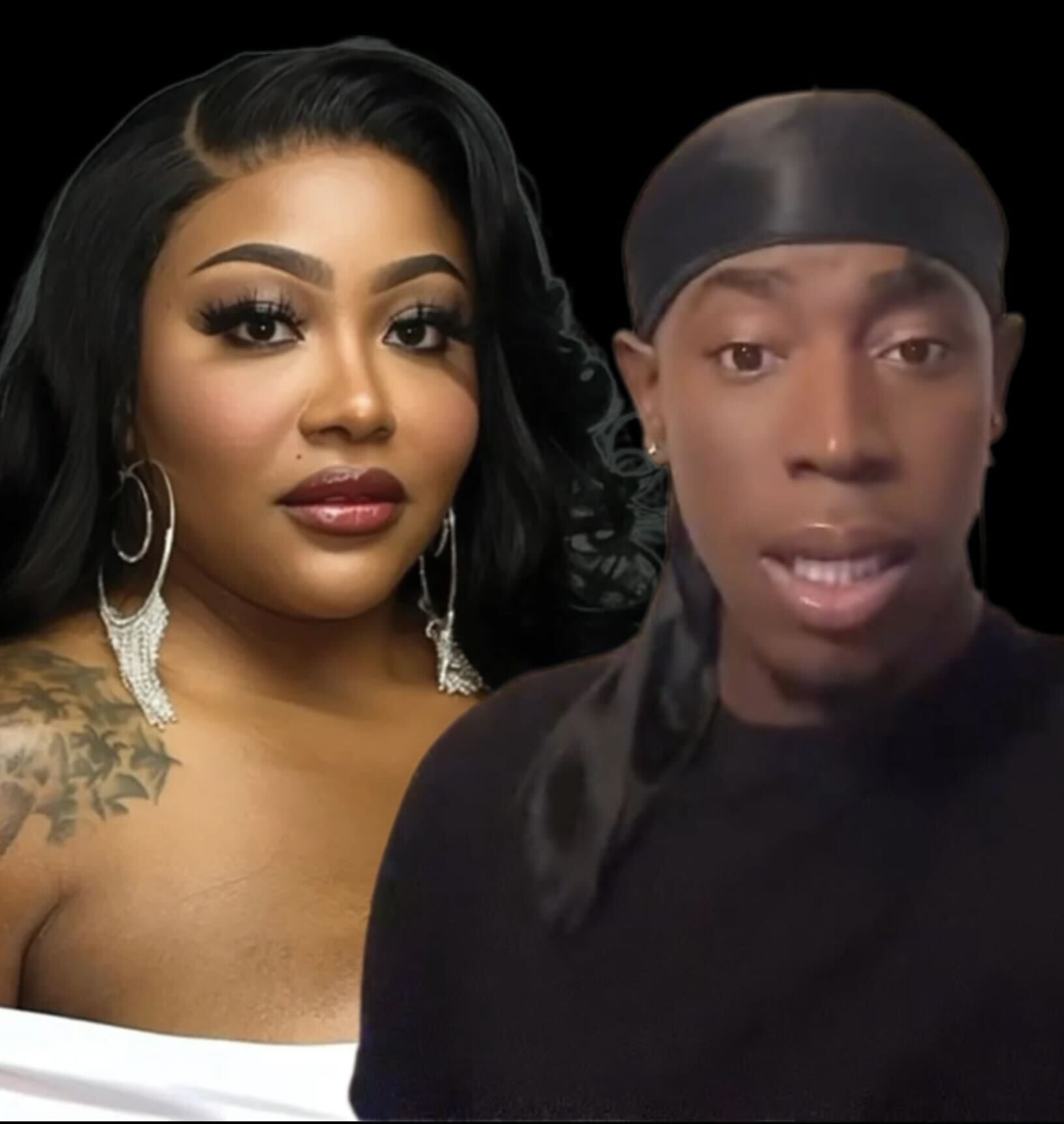
Renowned television and trans media personality TS Madison has filed a temporary protective order against online commentator DL Whisperer, whose legal name is Naquan Palmer, following a public dispute that escalated from online commentary into documented safety concerns.
Court records reviewed by Gaye Magazine show that Madison filed the temporary protective order, or TPO, after weeks of escalating online conflict culminating in an incident in which Palmer appeared at her residence. Madison confirmed the filing exclusively to Gaye Magazine.
The dispute began after Palmer posted commentary reacting to Madison’s interview with NeNe Leakes. In the video, Palmer misgendered Madison and used rhetoric that is clearly transphobic. The commentary circulated broadly across platforms, including X, Instagram, and YouTube, drawing significant attention within Black and LGBTQ+ online communities.
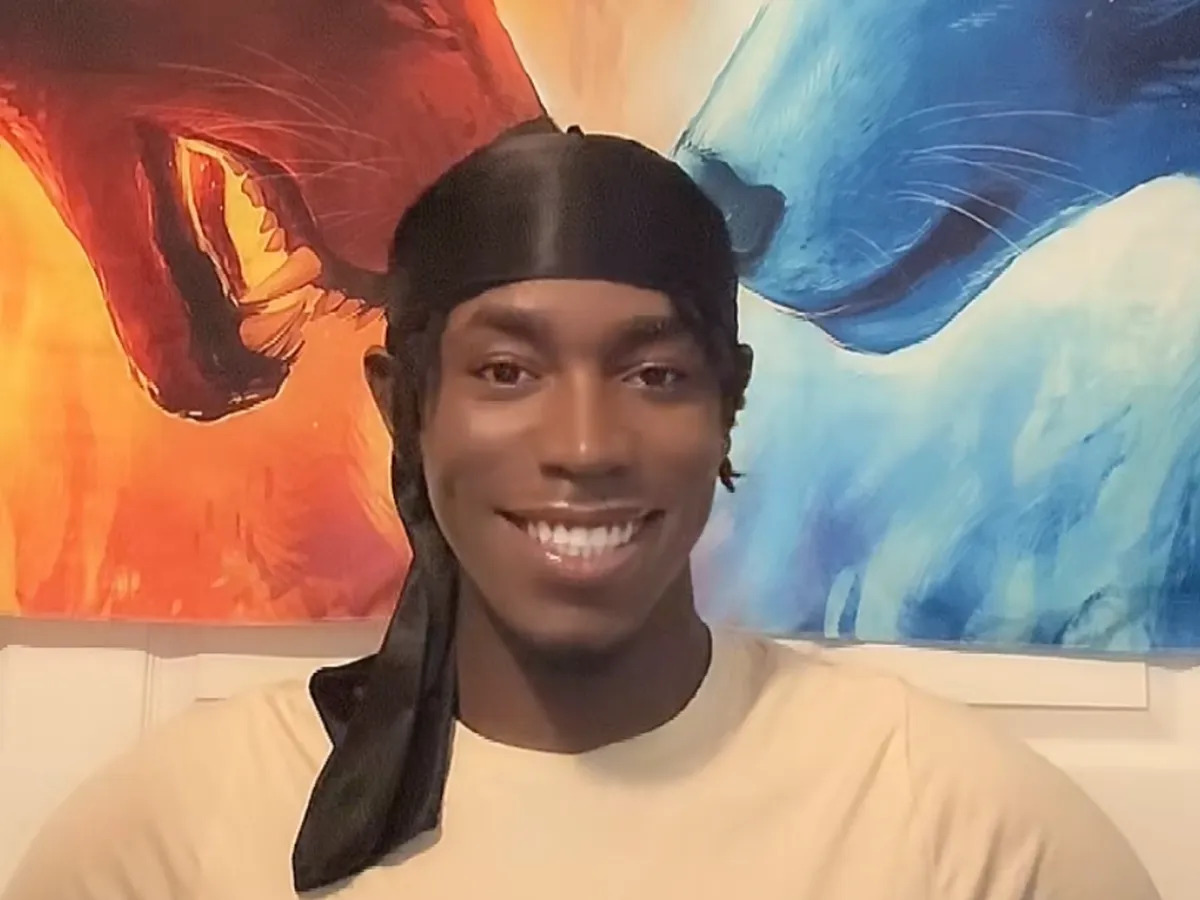
Following the video, Palmer publicly alleged that Madison and individuals associated with her doxxed him by sharing his personal information online. Madison has never publicly addressed Palmer or engaged him on social media. Madison has denied the allegation, stating that she did not dox Palmer and that any such claims are false.
Palmer proceeded to make public death threats toward Madison online, eventually sharing a video of himself on TikTok driving past her Georgia home.
WATCH: Nequan Palmer aka DL Whisperer Makes Death Threats (Recording)
A temporary protective order is a short-term legal measure intended to restrict contact while a court evaluates whether further protections are necessary. Legal experts note that filing a TPO does not constitute a criminal finding or determination of guilt, but it allows a judge to assess whether the circumstances warrant court-ordered boundaries.
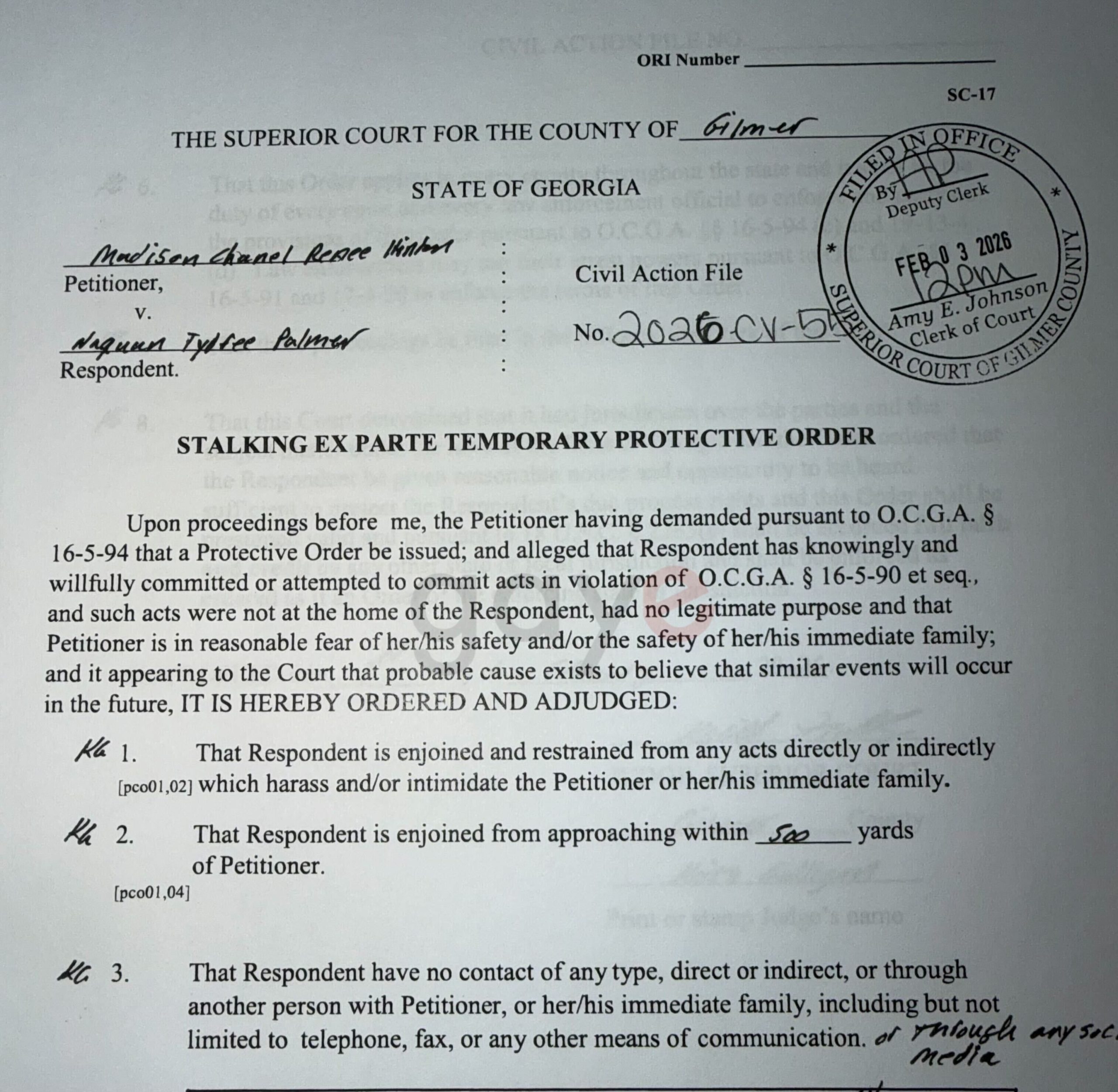
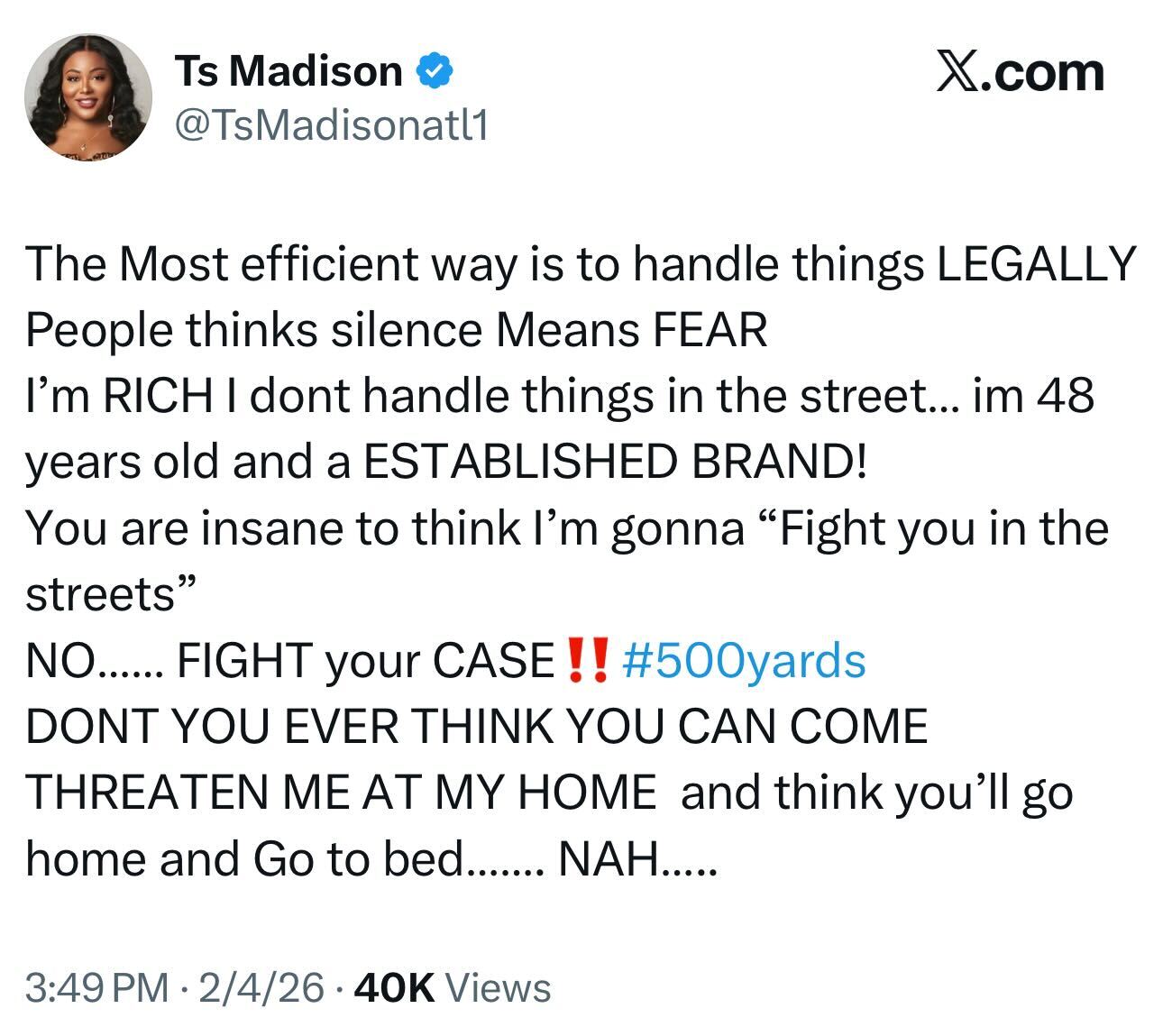
According to court records, Madison sought the protective order after the dispute moved beyond online discourse and into the physical world. Madison used her social media accounts, including X, to explain why she has pursued legal recourse.
As the dispute unfolded online, it becomes part of a broader national conversation about safety for trans women, particularly those with public visibility. Advocacy organizations and civil rights groups have reported rising levels of harassment, threats, and violence targeting trans women, with Black trans women facing disproportionate risk.
The filing comes amid heightened scrutiny following the recent death of Girlala, a widely followed TikTok creator whose death has drawn renewed attention to the dangers trans women face both online and offline. While details surrounding Girlala’s death continue to circulate publicly, advocates say the response underscores how quickly online hostility and misinformation can contribute to real-world harm.
At the same time, trans rights have increasingly become a focal point in political discourse. Lawmakers in several states have advanced legislation restricting gender-affirming care, public accommodations, and participation in public life for transgender people. Rhetoric targeting trans communities has emerged not only from right-wing figures but also from centrist and liberal commentators, according to media analysts, contributing to a climate that advocates say emboldens harassment.
Experts warn that online platforms often serve as accelerants, allowing misgendering, false claims, and inflammatory commentary to reach large audiences quickly. When disputes involve high-profile individuals, advocates say the potential for escalation increases.
Palmer has addressed the conflict in multiple social media videos, framing the dispute as stemming from online disagreements and reiterating claims that he was targeted.
Madison, a prominent media personality and cultural commentator, has navigated public criticism throughout her career. However, this dispute differs from past controversies because it involved conduct she viewed as crossing personal and physical boundaries.
Since filing the protective order, Madison has disengaged from public exchanges related to the dispute and is allowing the legal process to proceed. She has said her focus remains on personal safety and correcting misinformation rather than continued online confrontation.
Court records indicate the temporary protective order is currently in effect pending judicial review. A hearing date has not yet been publicly announced. Temporary protective orders typically remain in place for a limited period unless modified, extended, or replaced by a longer-term order following a court hearing.
Court records also indicate that the temporary protective order includes provisions barring Palmer from posting about Madison on social media while the order remains in effect. The restriction applies to direct and indirect references across digital platforms and is intended to prevent further escalation during the court’s review period.
The dispute continues to generate discussion online, with reactions divided among supporters of both parties. Some commentators have called for restraint as the matter moves through the courts, while others have urged greater accountability for online behavior that includes misgendering and transphobic rhetoric.
As the case proceeds, it highlights how online commentary, political climate, and personal safety increasingly intersect for trans women navigating public life in the United States.
 Gaye Magazine
Mar 31
3 mins read
Gaye Magazine
Mar 31
3 mins read

Gaye Magazine
Mar 26
2 mins read
SaintTreyW
Mar 26
4 mins read
 Brandon
Mar 14
4 mins read
Brandon
Mar 14
4 mins read

Gaye Magazine® is part of Gaye Media, Inc.© 2026 Gaye Media, Inc. All Rights Reserved.
