


 SaintTreyW
Apr 22
4 mins read
SaintTreyW
Apr 22
4 mins read
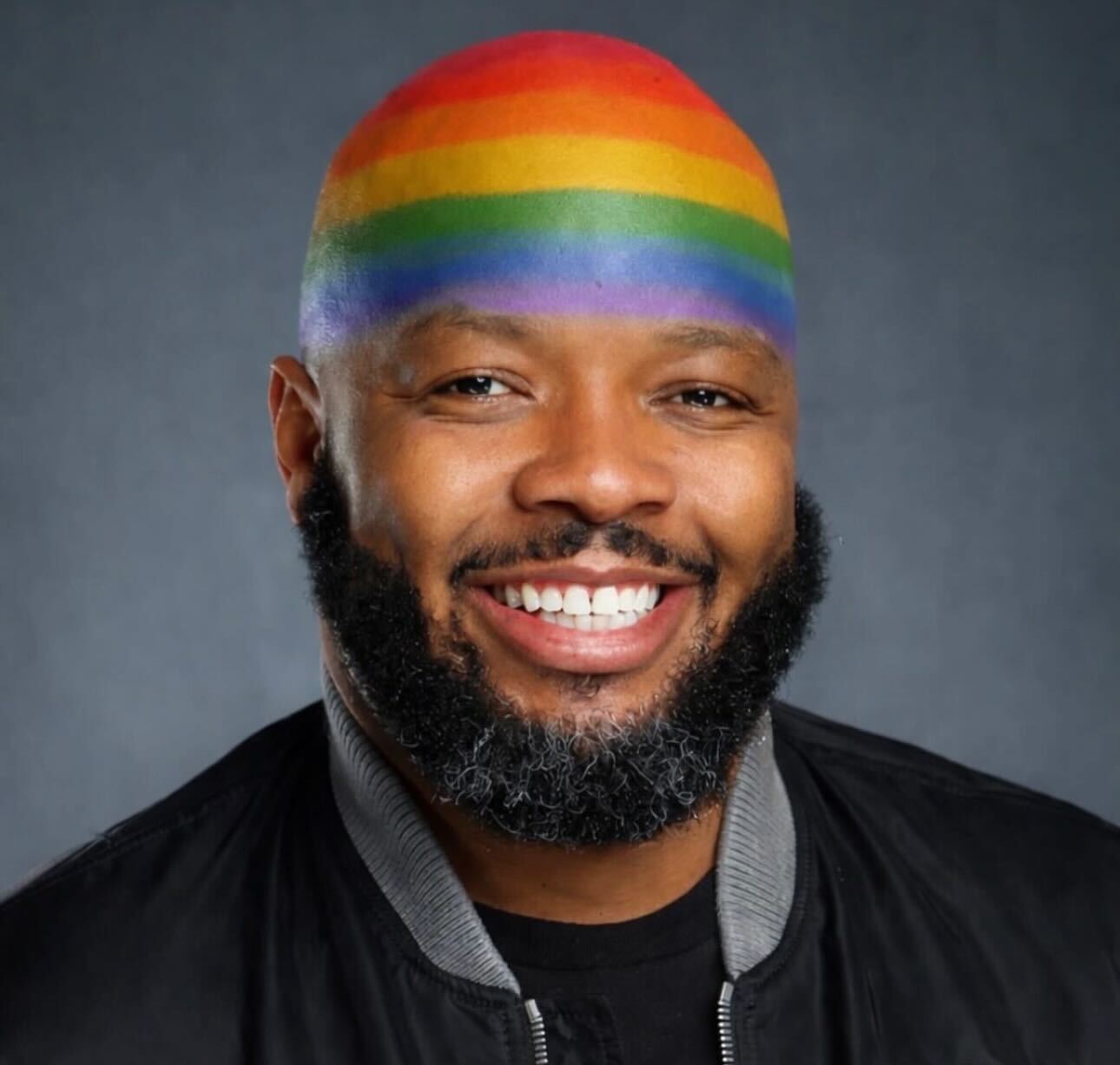
Comedian KevOnStage is no stranger to conversations about faith. Long before viral clips and streaming specials, he built a following performing stand-up in churches across the country, shaping a voice that blends humor with lived spiritual experience. Now, decades later, that same foundation is placing him at the center of a heated debate about Christianity and the LGBTQ+ community.
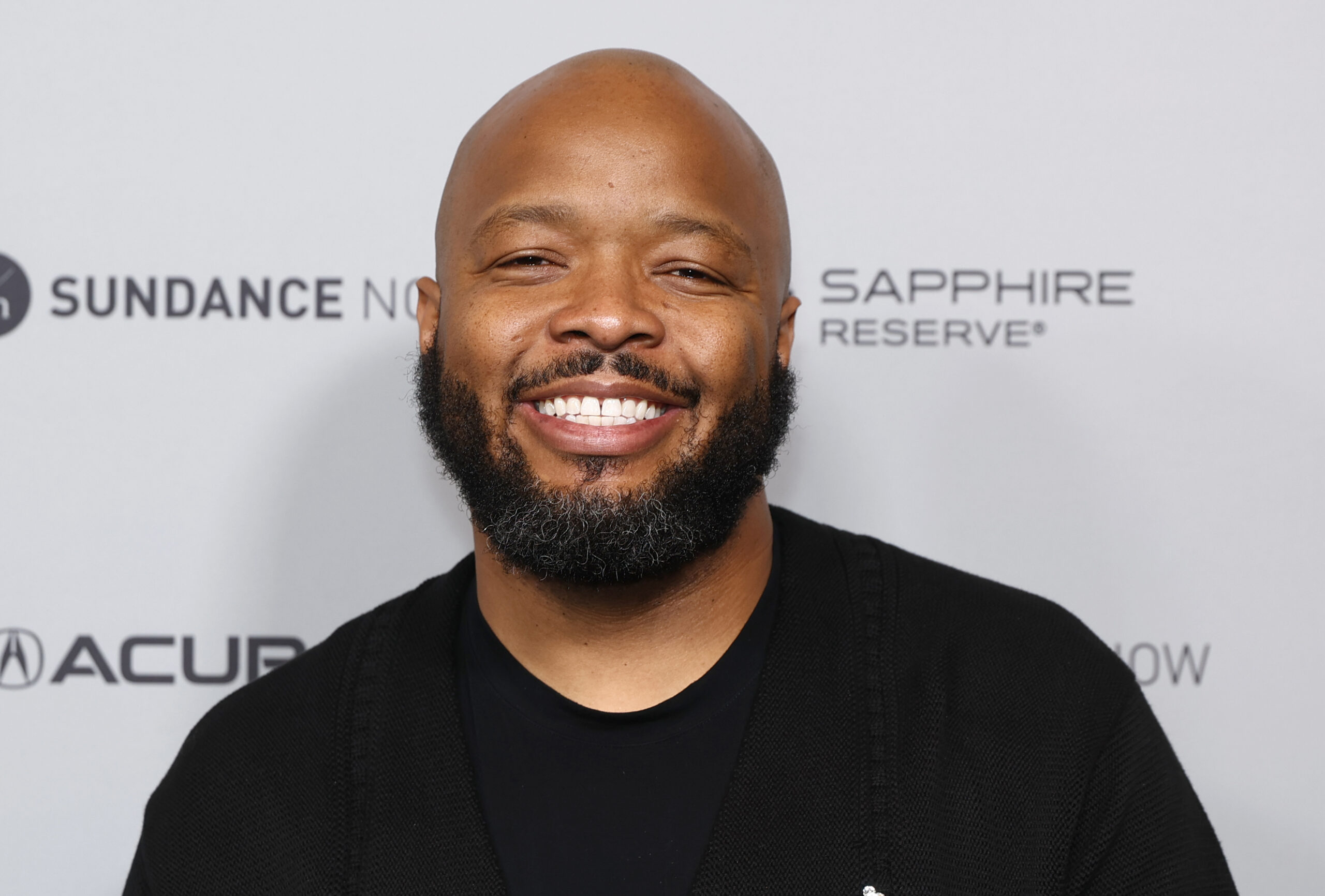
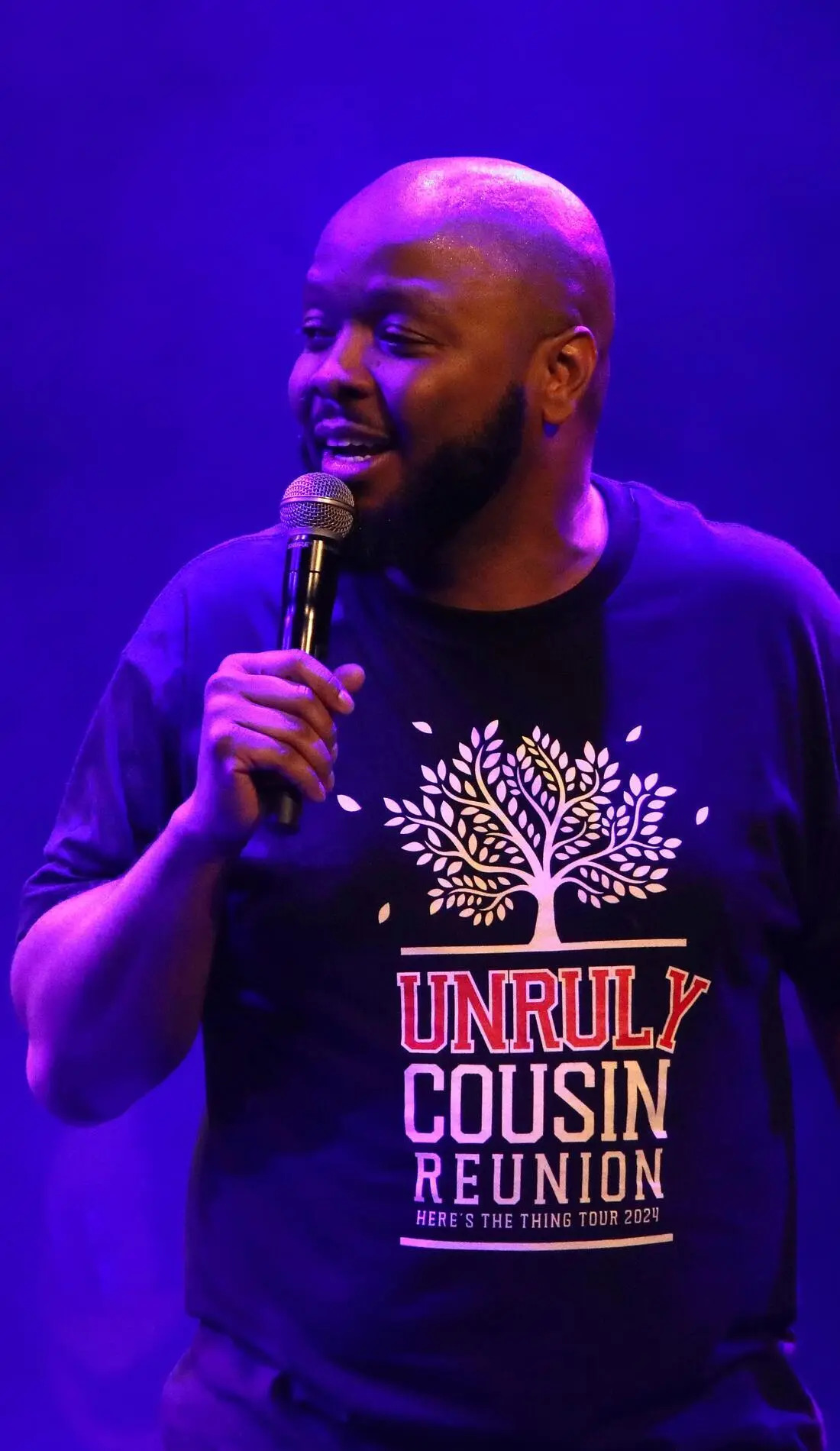
Over the weekend, KevOnStage, whose real name is Kevin Fredericks, faced backlash after a clip from his appearance on former NFL star Cam Newton’s “Funky Friday” podcast began circulating widely online. In the interview, Fredericks discussed his career, mentorship of emerging comedians, and television projects. But it was his reflections on faith and sexuality that drew the most attention.
Fredericks made clear that while his Christian beliefs remain central to his life, he refuses to use them as justification to judge LGBTQ+ people. Instead, he said his approach is rooted in love, shaped by personal experiences inside church spaces that revealed the power and consequences of how that love is extended.
“I’m going to lead with love because I’ve seen what love can do,” Fredericks said during the podcast. “And if you don’t like that, that’s OK. That’s a ‘you’ thing.”
Fredericks emphasized that his critique is not directed at Christianity as a whole, but at specific practices he has witnessed within his own communities. His understanding of the faith, he said, centers on embodying the example of Jesus.
“The word ‘Christian,’ the ‘ian’ in Latin means ‘to be like,’” he said. “So ‘Christian’ is ‘to be like Christ.’ To me, my understanding of the Bible…Jesus led with love at every point.”
Still, his comments quickly drew strong reactions from some believers on social media, where debates about faith and LGBTQ+ inclusion have long been contentious.
Some critics argued that Fredericks’ framing of love sidesteps what they see as biblical accountability. Others accused him of compromising doctrine for broader acceptance, suggesting his perspective reflects a shift that often accompanies public visibility and celebrity.
“Stop calling yourselves Christians,” one user wrote on X, formerly Twitter, criticizing what they described as selective adherence to scripture.
Another commenter on Instagram said, “You can lead with love and still hold accountability,” reflecting a common argument within non-affirming Christian spaces that love and correction are not mutually exclusive.
Others expressed disappointment more personally, framing Fredericks’ stance as a departure from the teachings they expected him to uphold.
The online backlash prompted Fredericks to respond in a follow-up video, where he doubled down on his position while offering deeper insight into how his beliefs have evolved.
“I don’t correct nobody. On nothing,” he said. “I gave y’all 30 years of condemnation, judgement and persecution…But I never called nobody out.”
Fredericks explained that his reluctance to judge others is rooted in self-awareness, acknowledging his own past actions that could be considered sinful. He also noted that his understanding of what constitutes sin has shifted over time, pointing to examples like tattoos and drinking alcohol, practices he once believed were wrong but now engages in himself.
“I used to be so sure about stuff,” he said. “Plus, a lot of people I interact with aren’t even Christians. So I’mma apply something they don’t even profess to believe?”
Instead, Fredericks said he prefers to model his faith through personal example, allowing others to draw their own conclusions.
“I just let my light shine,” he added.
His comments arrive at a moment when conversations about faith, identity, and belonging continue to shape public discourse, particularly within Black church communities where tradition, scripture, and lived experience often intersect in complex ways.
For LGBTQ+ people raised in religious environments, Fredericks’ perspective may feel both familiar and fraught, echoing ongoing tensions between inclusion and doctrine. For others, it raises broader questions about how faith is practiced in a world where communities are increasingly diverse and interconnected.
What remains clear is that Fredericks’ stance, while not universally embraced, is part of a growing conversation among believers reexamining how love, accountability, and identity coexist in their spiritual lives.
And whether met with affirmation or critique, his message continues to ripple, asking a question that many faith communities are still working to answer, what does it truly mean to lead with love?
 Mykel Hilliard
Sep 23
3 mins read
Mykel Hilliard
Sep 23
3 mins read
Mykel Hilliard
Sep 21
4 mins read
Mykel Hilliard
Sep 15
3 mins read
 Gaye Magazine
Aug 27
2 mins read
Gaye Magazine
Aug 27
2 mins read

Gaye Magazine® is part of Gaye Media, Inc.© 2026 Gaye Media, Inc. All Rights Reserved.