


 Brandon
Apr 20
5 mins read
Brandon
Apr 20
5 mins read
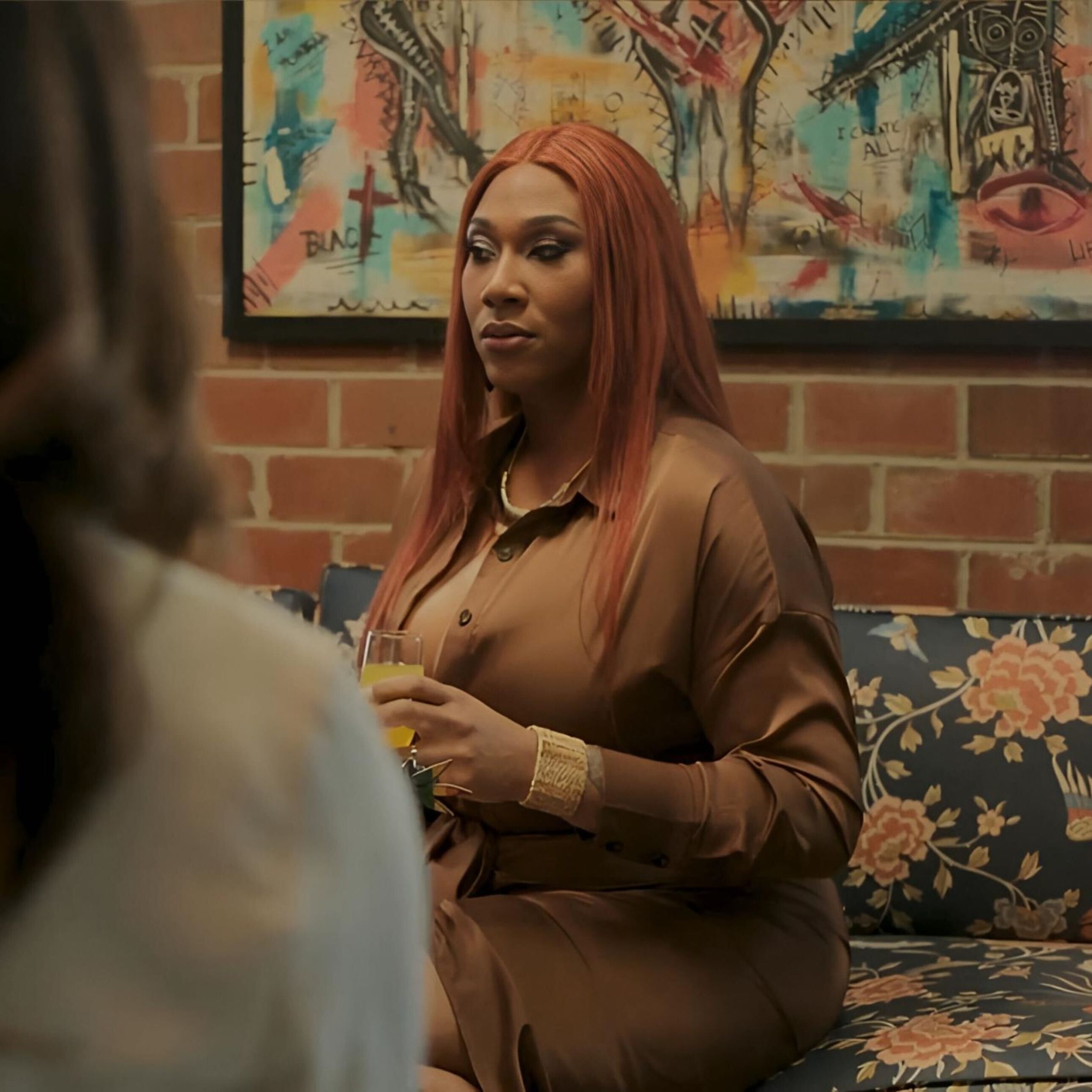
While she is widely known for her performances, she is equally recognized for championing self-love and self-definition. Respected for her advocacy work within trans communities, Monroe continues to push for creative autonomy while creating space for others to do the same.
In 2022, Monroe made her memorable on-screen debut on the cultural juggernaut P-Valley portraying a fictionalized version of herself. Soon after, a role was created for her in The Chi, created by industry powerhouse Lena Waithe.
In her first film role, she appeared as Aunt Jazzy in Fighting To Be Me: The Dwen Curry Story, a true-crime drama based on “The Original Gay Gangster”, celebrity stylist Dwen Curry.
Now, in The Chi’s eighth and final season, Monroe will reprise her character, Isis, in her growing screen resume.
Gaye Magazine had the opportunity to interview Monroe Alise about her creative journey, her work on The Chi, and her perspective on Hollywood’s relationship with Black trans talent.
This interview has been edited for clarity and length.
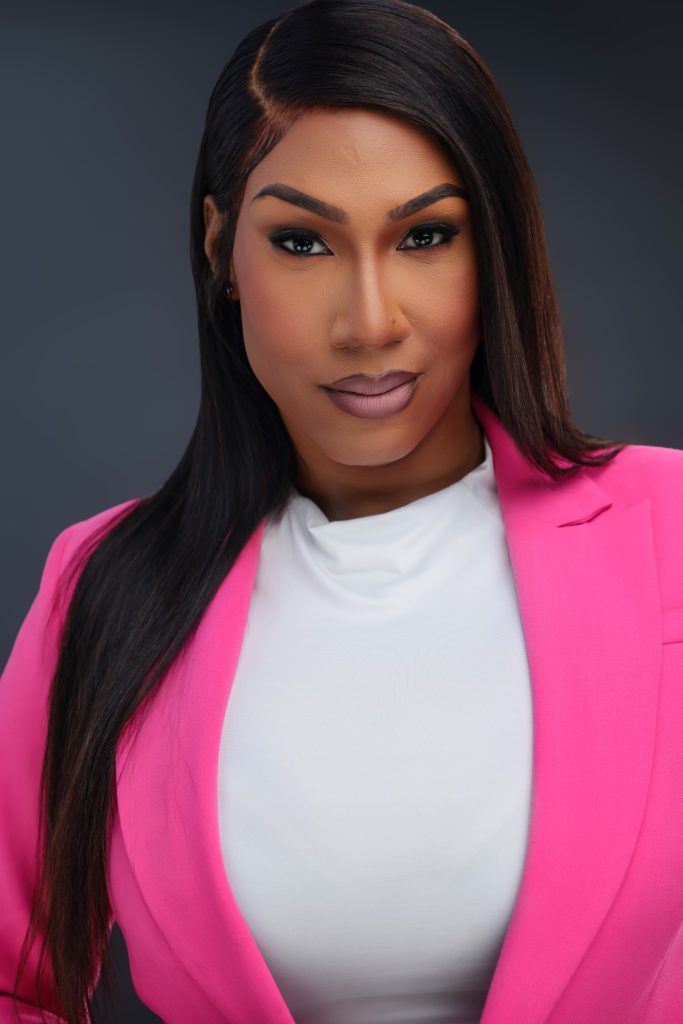
You began your career in music, what inspired you to move to acting?
“Wow. Most people don’t know that. Music was my first love. It was how I processed emotion, how I told my truth, and how I connected with people before I even fully understood myself. I was pursuing music when queer visibility was not palatable. I was told there was no way to market me. It crushed me. With no creative outlet, I stopped singing for years yet I needed some form of expression.
I always loved television and film. I believe God, in true fashion, did for me what I couldn’t do for myself. He dropped an audition for a pilot in my lap. I didn’t have any idea of what I was doing, but I did the audition and booked the role. I was instantly bitten by the “acting bug.” It allowed me to step into different lives, different realities, and expand storytelling beyond my own experience. I realized I didn’t have to just tell stories, I could be them. That transition felt natural for me because at the core, I’ve always been a storyteller. Acting just gave me a bigger canvas.”
The Chi is known for its inclusion of queer characters and storylines. What does it mean to you to be a part of such a culturally important moment in TV history?
“It means everything. Representation is not just about being seen, it’s about being seen correctly, with nuance, with humanity, and dignity. To be a Black woman of trans experience on a show like the Chi, which already has such a strong cultural footprint, is powerful because it places our stories inside of everyday Black life, not as an afterthought, but as a part of the fabric. That visibility shifts perception, it opens hearts, and it creates space for the next generation to exist a little more freely.”
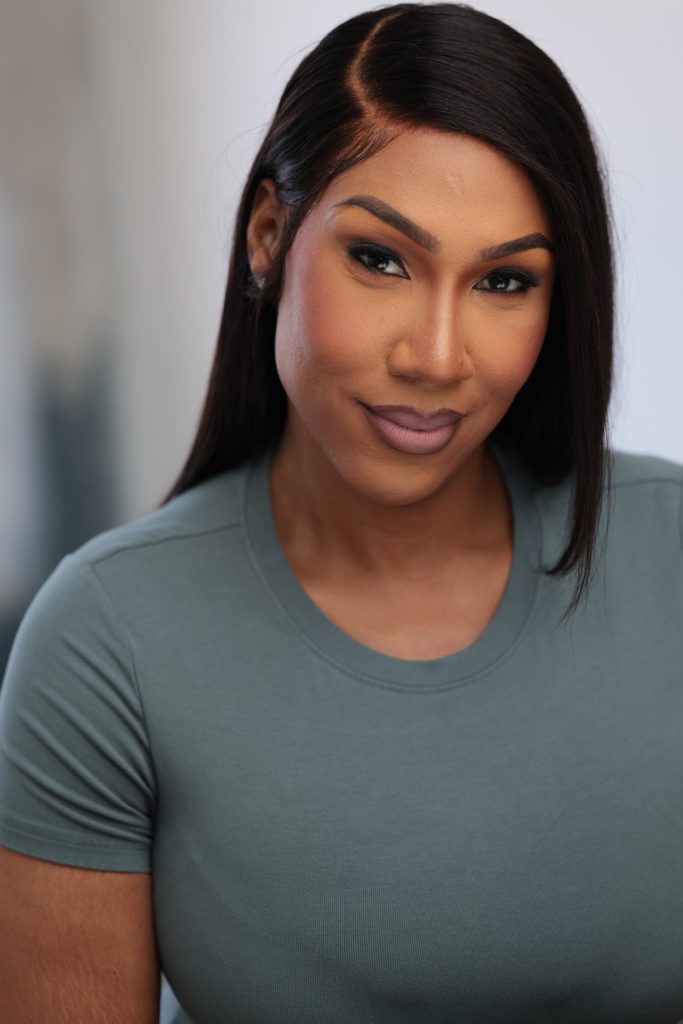
How did you land the role of Isis in the sixth season of The Chi? How does it feel to join the cast in its final season?
“Honestly, it was one of those aligned, “what’s meant for you will find you” moments. I started doing episode reviews of season 5 celebrating the arrival of a new character, Fatima (L’lleret Jazelle), who is a woman of trans experience. Those episode reviews caught the eyes of the legendary Lena Waithe. Shoutout to her! Being the brilliant storyteller she is, she decided to create an ecosystem for Fatima and Mother Isis was born. I was honored to receive the role of Isis. This character wasn’t something I had to force, because I understood her, and I think that resonance translated on screen.
Joining the show in its final season feels like stepping into a legacy moment. The Chi has already made such a mark, so to come in and contribute to that final chapter is both an honor and a responsibility. I’m very intentional about how I show up because I know people are watching, and I know what it means to be seen.”
What can you share about your character Isis? Do you see yourself reflected in her?
“Isis is bold, layered, and very aware of her presence. She understands power, how to hold it, how to move with it, and when to protect it. There’s a confidence about her, but there’s also depth that people may not immediately see.”
“I definitely see parts of myself in her. That self-assuredness, that ability to walk into a room and be felt…that’s very Monroe. But like me, there’s also softness, there’s intention, and there’s a story behind the strength. I think that’s what makes her real.”
If you were a “Doctor of Entertainment”, how would you diagnose the current state of inclusion for Black, trans talent in Hollywood and on television?
“If I’m diagnosing it honestly? I’d say we’re in a state of visible progress but inconsistent care. We’ve gone from invisibility to slight visibility, but visibility alone is not the cure.
We’re still navigating being tokenized, being underwritten, or being included without being fully supported behind the scene—whether that’s in writer’s rooms, production, or leadership. The industry is acknowledging us, but it hasn’t fully invested in us yet.
The prescription? Intentional inclusion at every level. Not just casting us, but trusting us, funding us, and giving us ownership of our narratives. Because when we are given the space to tell our own stories, that’s when the industry truly evolves.”
It is clear that Monroe approaches her craft with intention and care. Her respect for storytelling is palpable. She is not only committed to realizing her own dreams, but also to ensuring that each step she takes creates real world impact. Monroe is undeniably part of a growing lineage of Black women of trans experience who are shaping a more genuinely inclusive future for Black queer communities.
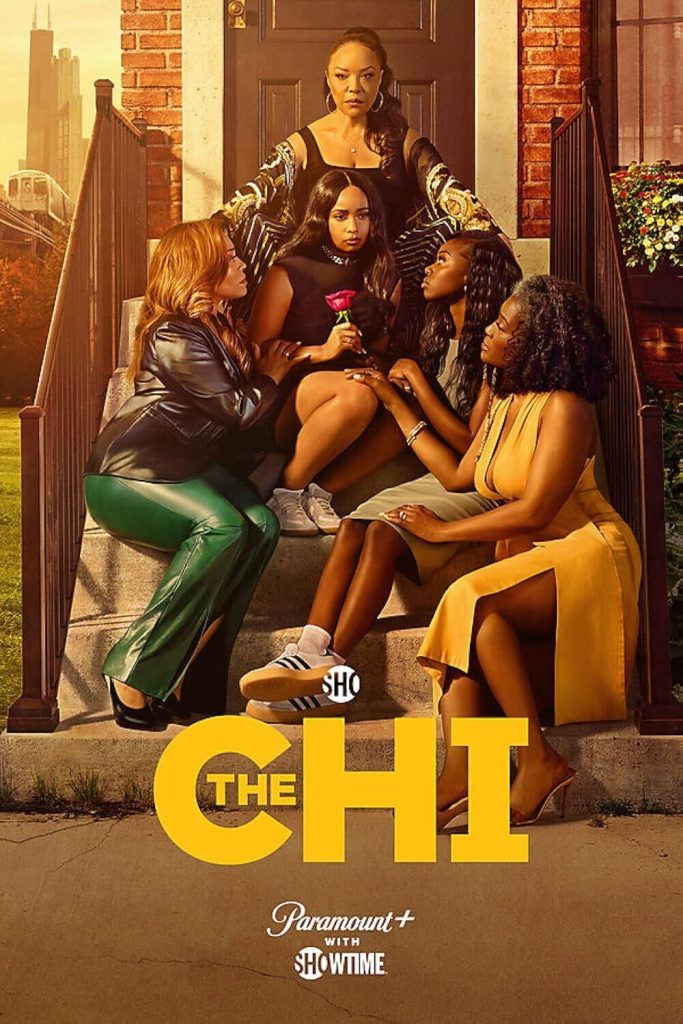
Tune in to watch Monroe Alise reprise her role as Isis on the final season of The Chi. A release date for the season has not yet been announced.
 SaintTreyW
Oct 14
9 mins read
SaintTreyW
Oct 14
9 mins read
 Juhi Page
Aug 13
8 mins read
Juhi Page
Aug 13
8 mins read
Brandon
Aug 6
8 mins read
SaintTreyW
Aug 5
10 mins read

Gaye Magazine® is part of Gaye Media, Inc.© 2026 Gaye Media, Inc. All Rights Reserved.