


 SaintTreyW
Sep 9
5 mins read
SaintTreyW
Sep 9
5 mins read
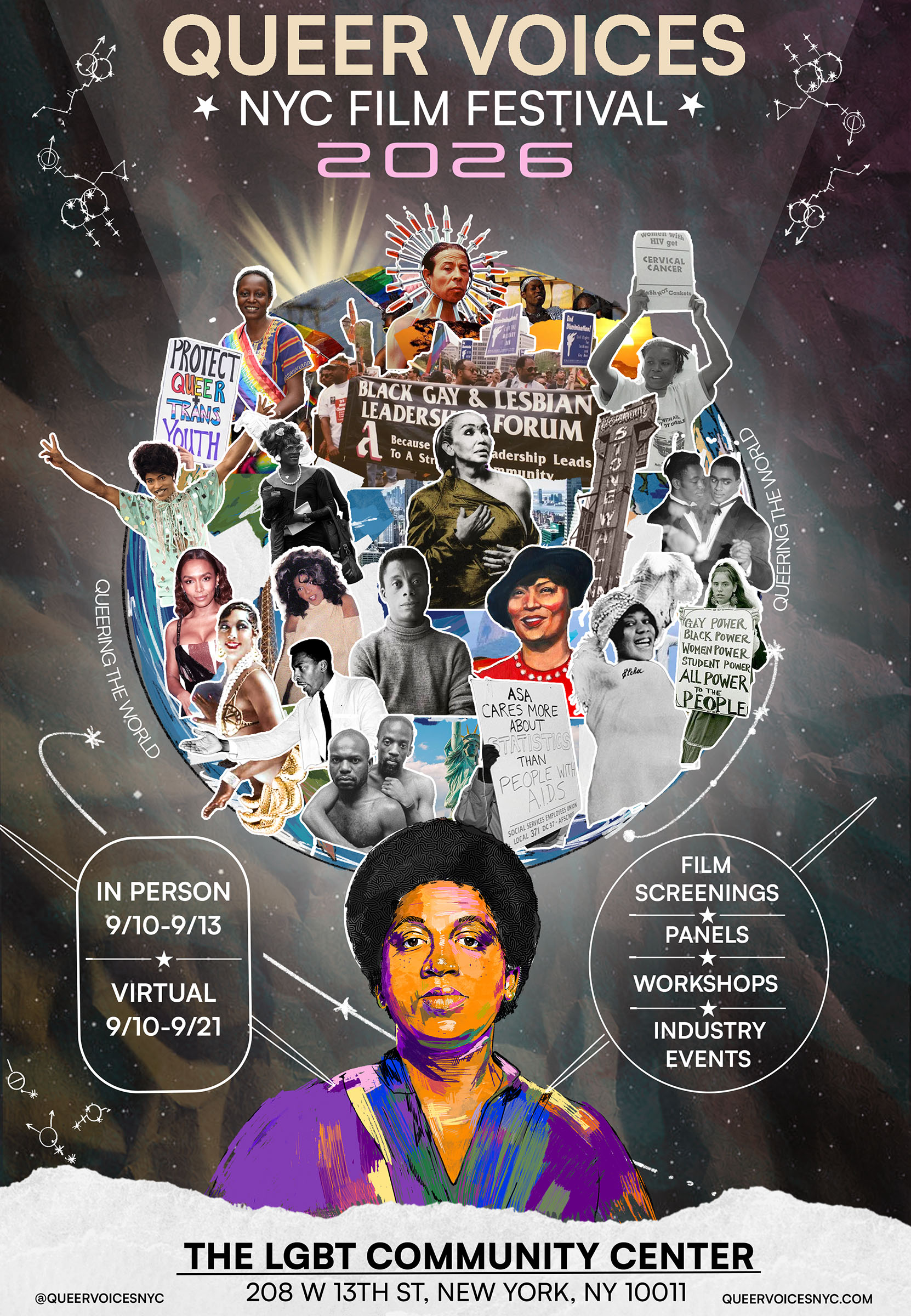
The Queer Voices NYC Film Festival returns amid ongoing political challenges, censorship, and social pressures affecting LGBTQ+ and transgender communities, highlighting the continued presence and history of queer narratives in public discourse.
The fifth edition of the festival, known as QVNYC, will take place in person Sept. 10-13, with virtual programming available Sept. 10-21. Founded in 2021, the festival centers LGBTQIA+ filmmakers of color from across New York City’s five boroughs and around the world, creating a space where cinema becomes both cultural testimony and collective celebration. QVNYC describes its mission as empowering queer filmmakers of color through visibility, storytelling, and professional-development opportunities in entertainment.
Under this year’s theme, “Queering the World,” QVNYC will present more than 100 films by BIPOC LGBTQI+ filmmakers from around the world, alongside panels, workshops, networking opportunities, and community events. The programming arrives not merely as a showcase of independent film, but as an argument for who gets to be seen, remembered, and allowed to imagine freely.
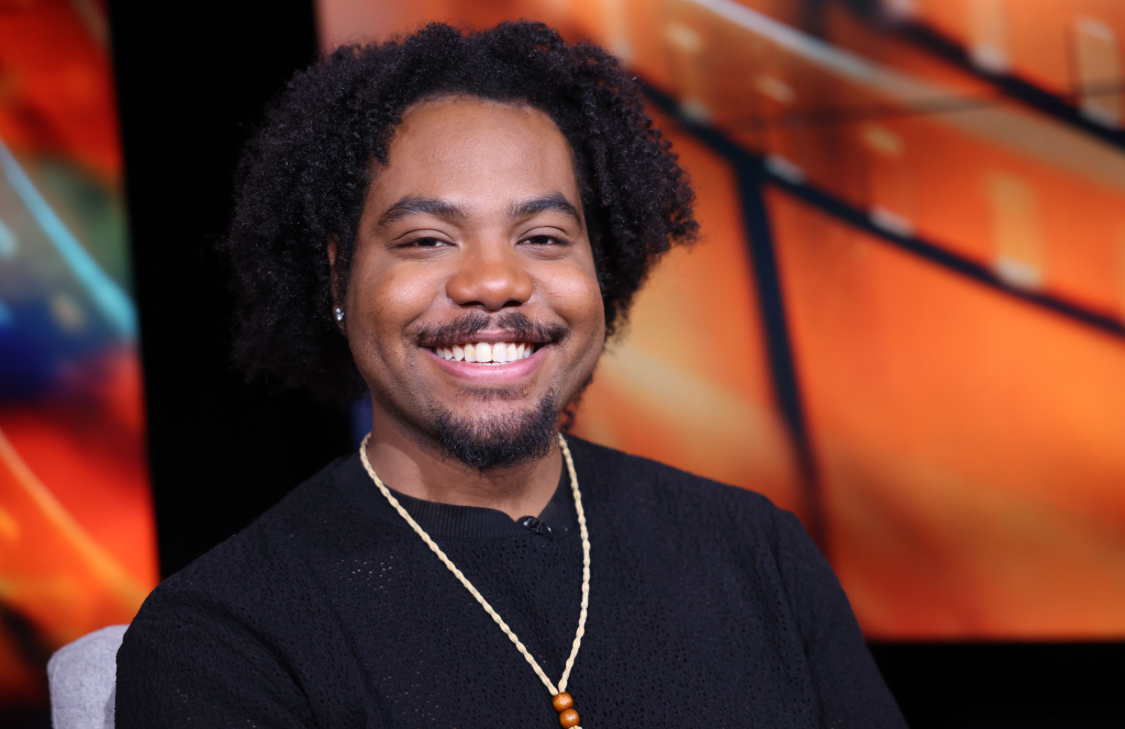
“Queer Voices NYC Film Festival was created as a space rooted in community, storytelling, social justice, and genuine connection,” festival founder Brandon Smith said in a statement. “This year’s theme, ‘Queering the World,’ expands on our mission to remind the world that queer people are everywhere, and we have always been here.”
Smith added that, amid ongoing attacks and discrimination against LGBTQ+ communities, the festival is committed to celebrating “the full breadth of the queer diaspora.”
The festival’s in-person programming will be hosted at Manhattan’s historic LGBT Center in the West Village, with additional events scheduled at satellite locations including Nitehawk Cinema Prospect Park and the Stonewall National Monument Visitor Center. QVNYC’s official site describes the festival’s programming as a mix of short films, documentaries, feature films, and episodic works that reflect the expansive experiences of the queer BIPOC community.
QVNYC will open with a restored presentation of Audre Lorde: A Litany for Survival, the 1995 documentary directed by Ada Gay Griffin and Michelle Parkerson.
Recently restored by Third World Newsreel, the landmark film honors the life and legacy of Audre Lorde, the Black lesbian poet, writer, teacher, and activist whose work challenged the false divisions of race, gender, sexuality, and class. Lorde’s writing, rooted in precision and radical truth-telling, remains a touchstone for generations of Black queer artists and organizers who understand that survival is not an individual act, but a communal practice.
The opening-night screening will take place at Nitehawk Cinema Prospect Park, according to the event listing.
For a festival built around the expansive possibilities of queer imagination, the decision to begin with Lorde is fitting. Her words gave many people a language for the worlds they were trying to build long before institutions were willing to recognize them.
The festival will also celebrate the 30th anniversary of Stephen Winter’s debut feature, Chocolate Babies, as its Saturday-night feature.
Released in 1996, the political satire follows a collective of drag queens and queer activists who confront political corruption amid the AIDS epidemic. The screening will include a special appearance by activist and performer Kevin Aviance, a collaborator with Beyoncé, as well as members of the film’s cast.
The return of Chocolate Babies offers an opportunity to revisit a work whose confrontational spirit still resonates. The film’s gaze on AIDS, state neglect, and queer resistance feels especially potent in an era when LGBTQ+ communities continue to organize against legislative attacks, health inequities, and cultural backlash.
QVNYC will also spotlight music videos from alternative R&B artist serpentwithfeet, the Baltimore-born musician known for exploring Black queerness, desire, devotion, and intimacy through experimental sound and striking visual language.
The festival’s short-film lineup also makes room for work that moves deftly between horror, speculative fiction, intimacy, and remembrance.
Kamaria Williams’ Haunted follows a young queer Black person whose traumatic past returns in the form of a haunting presence that unsettles the boundary between memory and malevolence. The psychological-horror short examines grief, identity, and the danger of the truths people try to suppress, as its central character must confront the past before it consumes them.
Phillip Johnson’s Jamaal Coded brings a speculative lens to the complexities of Black queer romance. The anthology science-fiction series explores dating, desire, and connection in a future shaped by AI humanoids, asking how technology may transform, but not erase, the vulnerabilities of looking for love.
In Justice Singleton’s Cockroach, a Black transgender man plans a late-night sexual encounter with an older gay man to help pay for top surgery. But when the hookup turns into an unexpected search for a cockroach, the film shifts into an offbeat, intimate exploration of fear, self-worth, and the courage to open one’s heart.
Chris Sutton’s Heaven in Detroit follows Marcus, a young man grieving the death of his mother on the final night of the iconic 1990s gay nightclub Club Heaven. The short narrative film considers loss and memory through the disappearing world of queer nightlife, honoring a place where community, freedom, and chosen family once took shape on the dance floor.
Writer, producer, editor, and Native Son founder Emil Wilbekin will receive QVNYC’s 2026 Trailblazer Award.
Wilbekin founded Native Son, an organization inspired by James Baldwin’s Notes of a Native Son that uplifts and empowers Black queer men. Its Native Son Awards recognize Black queer leaders and changemakers across industries, affirming the breadth of Black queer achievement in spaces that have too often treated it as an exception rather than a foundation.
The QVNYC Trailblazer Award honors artists and cultural figures whose work has helped widen the path for LGBTQ+ communities and future generations. Previous honorees have included filmmaker Patrik-Ian Polk, creator of Noah’s Arc, and Rodney Evans, director of Brother to Brother.
That legacy makes Wilbekin an especially resonant selection. His work has long operated at the intersection of Black cultural production, media, visibility, and mentorship, the same crossroads where QVNYC has made its home.

Festival passes and tickets are available through QVNYC’s ticketing page, which notes that passholders can access screenings, panels, workshops, and additional festival programming.
Gaye Magazine readers can use the following discount codes:
In its fifth year, the Queer Voices NYC Film Festival emphasizes the significance of BIPOC LGBTQIA+ storytelling, positioning it as a central component of contemporary cinema, history, and community engagement.
 Zuri Pryor-Graves
Oct 26
4 mins read
Zuri Pryor-Graves
Oct 26
4 mins read
 Gaye Magazine
Sep 29
4 mins read
Gaye Magazine
Sep 29
4 mins read
Zuri Pryor-Graves
Sep 23
8 mins read
William Dolliole-Thompson II
Sep 18
3 mins read

Gaye Magazine® is part of Gaye Media, Inc.© 2026 Gaye Media, Inc. All Rights Reserved.