


 SaintTreyW
Apr 2
4 mins read
SaintTreyW
Apr 2
4 mins read
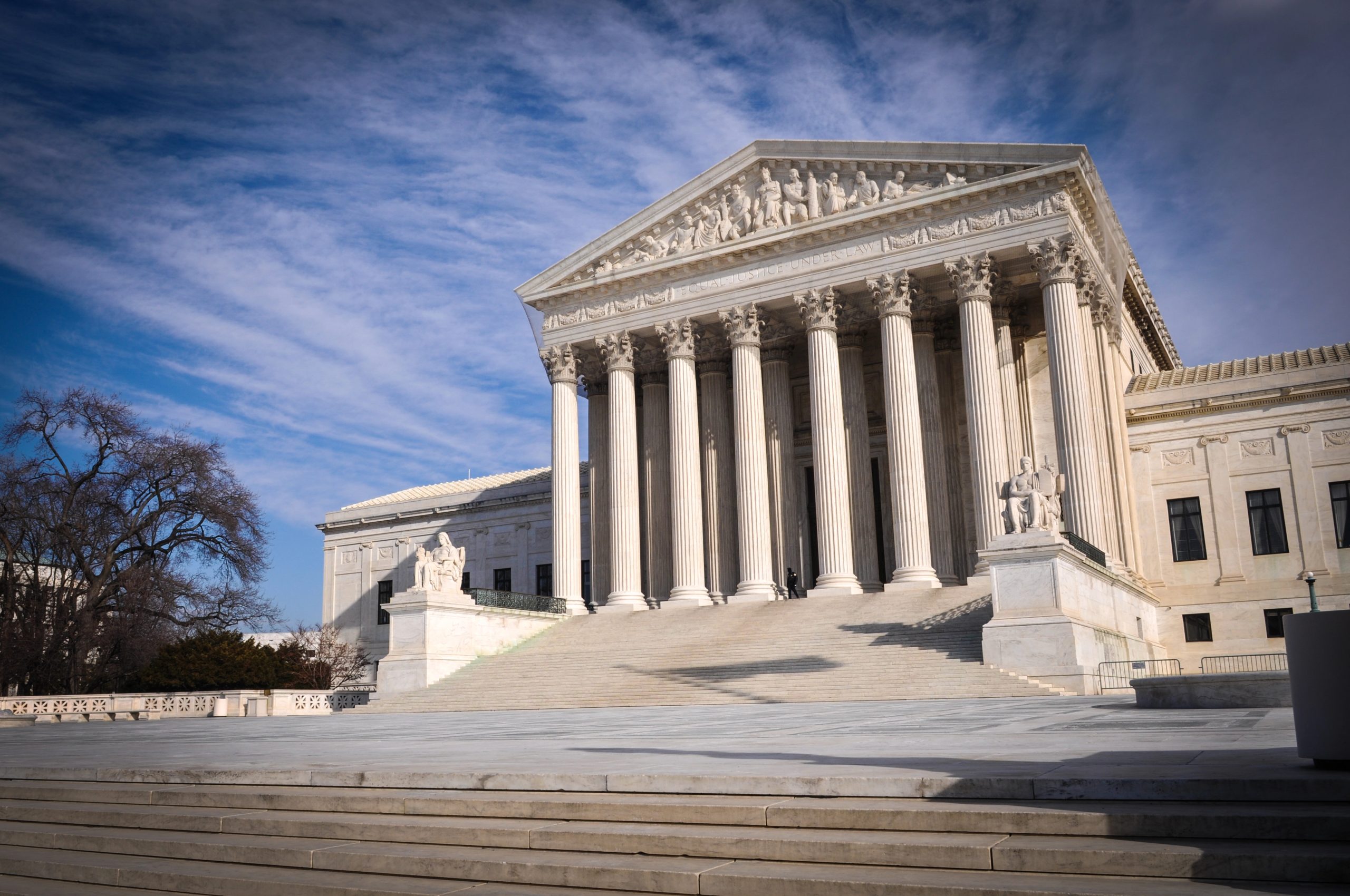
The Supreme Court on Tuesday delivered a sweeping decision that could reshape how states regulate mental health practices for LGBTQ youth, ruling that Colorado’s ban on so-called conversion therapy for minors likely violates the free speech rights of a licensed Christian counselor.
In an 8-1 opinion written by Justice Neil Gorsuch, the court determined that Colorado’s 2019 law improperly restricted speech based on viewpoint, sending the case back to a lower court for reconsideration under a stricter constitutional standard. The ruling marks the latest in a series of high-profile decisions in which the court has sided with religious or free speech claims over LGBTQ protections.
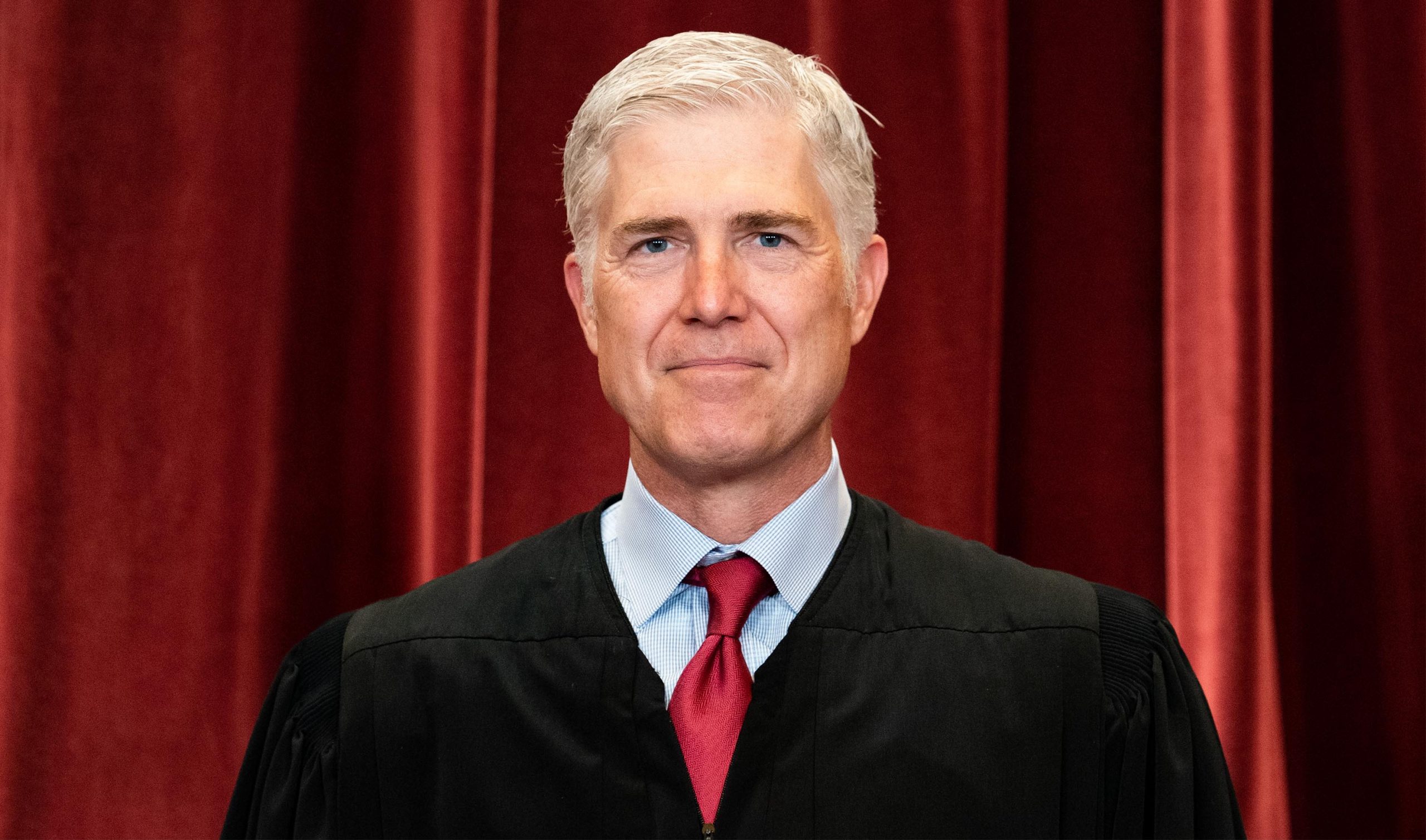
At the center of the case is Kaley Chiles, a Colorado Springs-based counselor who argued that the law prevented her from engaging in conversations with clients seeking to align their identities with their religious beliefs. The statute defined conversion therapy as efforts to change a minor’s sexual orientation or gender identity, including attempts to alter behavior or reduce same-sex attraction.
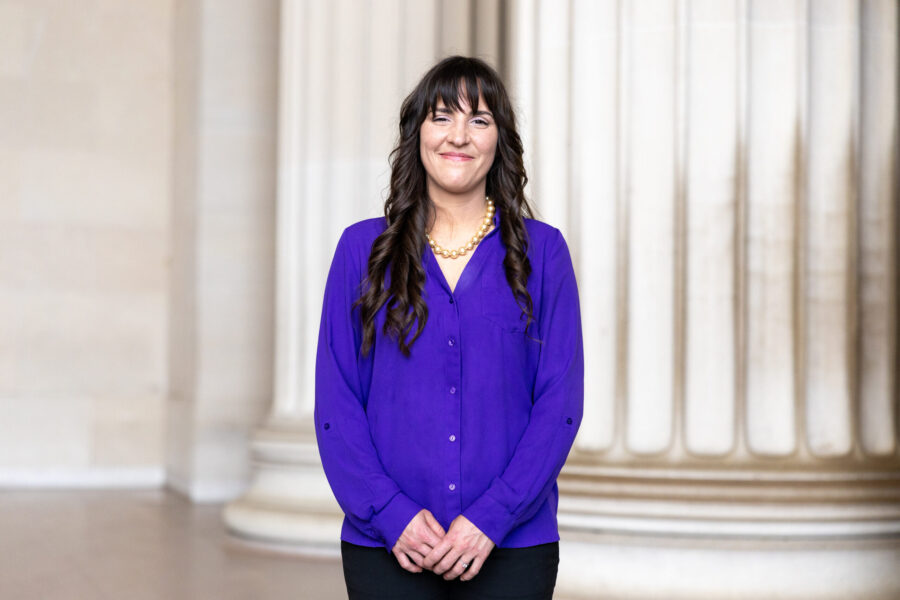
Gorsuch wrote that Colorado’s law “censors speech based on viewpoint” by allowing counselors to affirm a young person’s LGBTQ identity while prohibiting conversations that challenge it. He framed the ruling as a defense of the First Amendment, warning against what he described as government attempts to enforce ideological conformity.
“Colorado may regard its policy as essential to public health and safety,” Gorsuch wrote. “But the First Amendment stands as a shield against any effort to enforce orthodoxy in thought or speech in this country.”
The decision does not immediately invalidate all conversion therapy bans nationwide, but it introduces significant legal uncertainty. Roughly half of U.S. states have enacted similar laws restricting the practice for minors, often citing overwhelming medical consensus that conversion therapy is ineffective and harmful.
Major professional organizations, including the American Psychological Association and the American Psychiatric Association, have long rejected conversion therapy as a legitimate treatment. Homosexuality was formally removed from the Diagnostic and Statistical Manual of Mental Disorders in 1973, a shift widely seen as a turning point in modern LGBTQ rights.
Yet the court’s ruling suggests that how those standards are enforced, particularly when speech is involved, may now face heightened constitutional scrutiny.
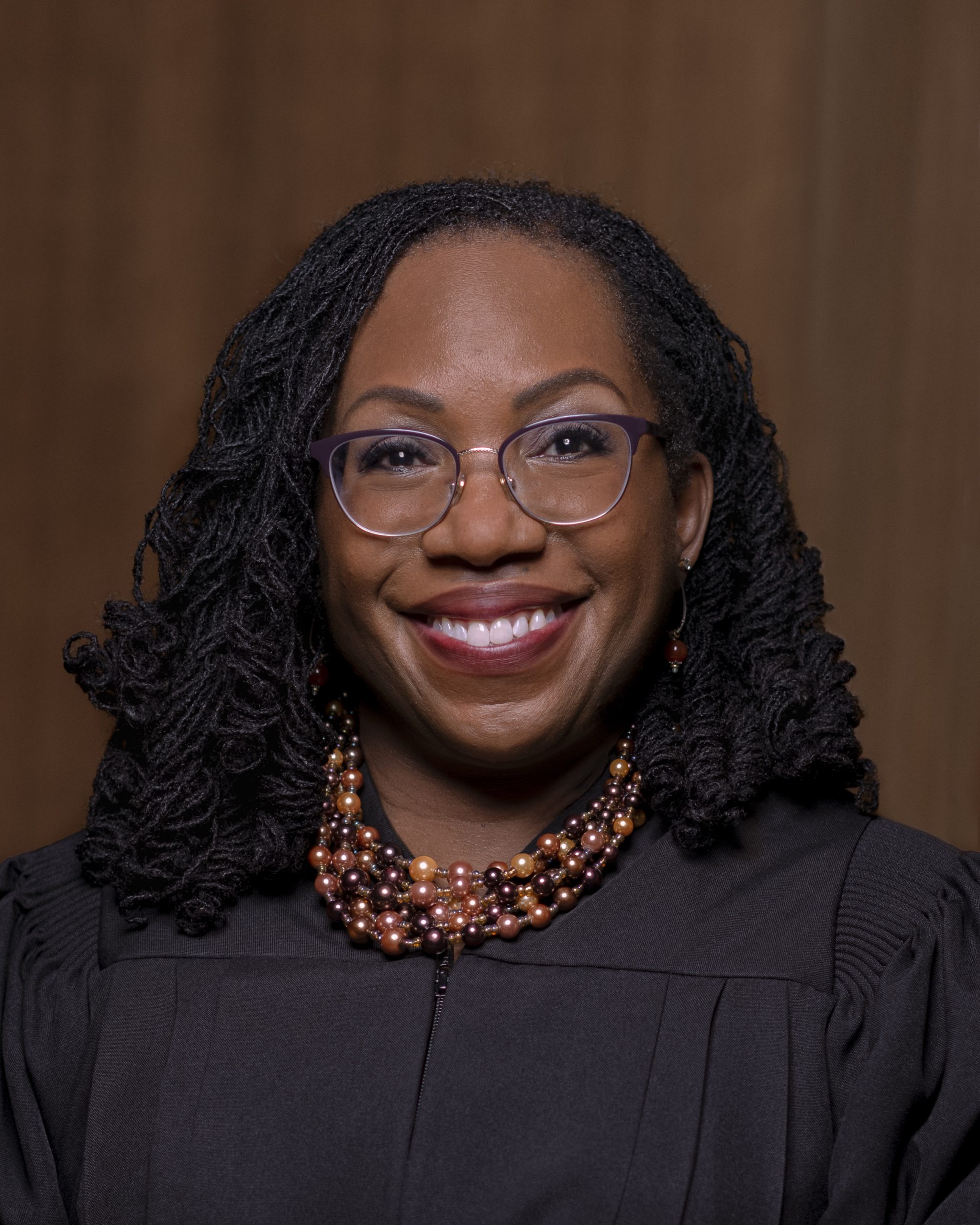
Justice Ketanji Brown Jackson, the lone dissenter, warned that the decision could undermine states’ ability to regulate medical care and protect vulnerable patients. Reading portions of her dissent from the bench, she argued that the ruling elevates speech rights over established health protections.
“The Constitution does not pose a barrier to reasonable regulation of harmful medical treatments just because substandard care comes via speech instead of a scalpel,” Jackson wrote.
Advocates for LGBTQ youth echoed those concerns, describing the ruling as a step backward at a time when anti-trans legislation and rhetoric are rising across the country.
Jaymes Black, CEO of The Trevor Project, called the decision “a tragic step backward” that could place young people at greater risk. The organization has previously reported that hundreds of licensed and unlicensed counselors still offer services aimed at changing a person’s sexual orientation or gender identity, despite widespread medical condemnation.
Human Rights Campaign President Kelley Robinson said the ruling would cause further harm. “The Court has weaponized free speech in order to prioritize anti-LGBTQ+ bias over the safety, health, and well-being of children,” she said in a statement.
Supporters of the decision, however, framed it as a necessary correction to what they see as government overreach. Chiles described the ruling as a victory not only for counselors but for families seeking a wider range of therapeutic options.
“Counselors walking alongside these young people shouldn’t be limited to promoting state-approved goals,” she said, arguing that some forms of gender-affirming care can lead to irreversible medical decisions.
The Justice Department under the Trump administration backed Chiles’ challenge, asserting that Colorado’s law “muzzles one side of an ongoing debate” within the mental health field. Government attorneys also raised concerns about relying on prevailing medical standards, noting that consensus has shifted dramatically over time.
Colorado officials, meanwhile, maintained that the law regulates professional conduct, not speech, and is grounded in evidence that conversion therapy can cause lasting psychological harm. During oral arguments, state attorney Shannon Stevenson said there is no credible evidence the practice works and that it can reinforce feelings of shame and self-rejection among young people.
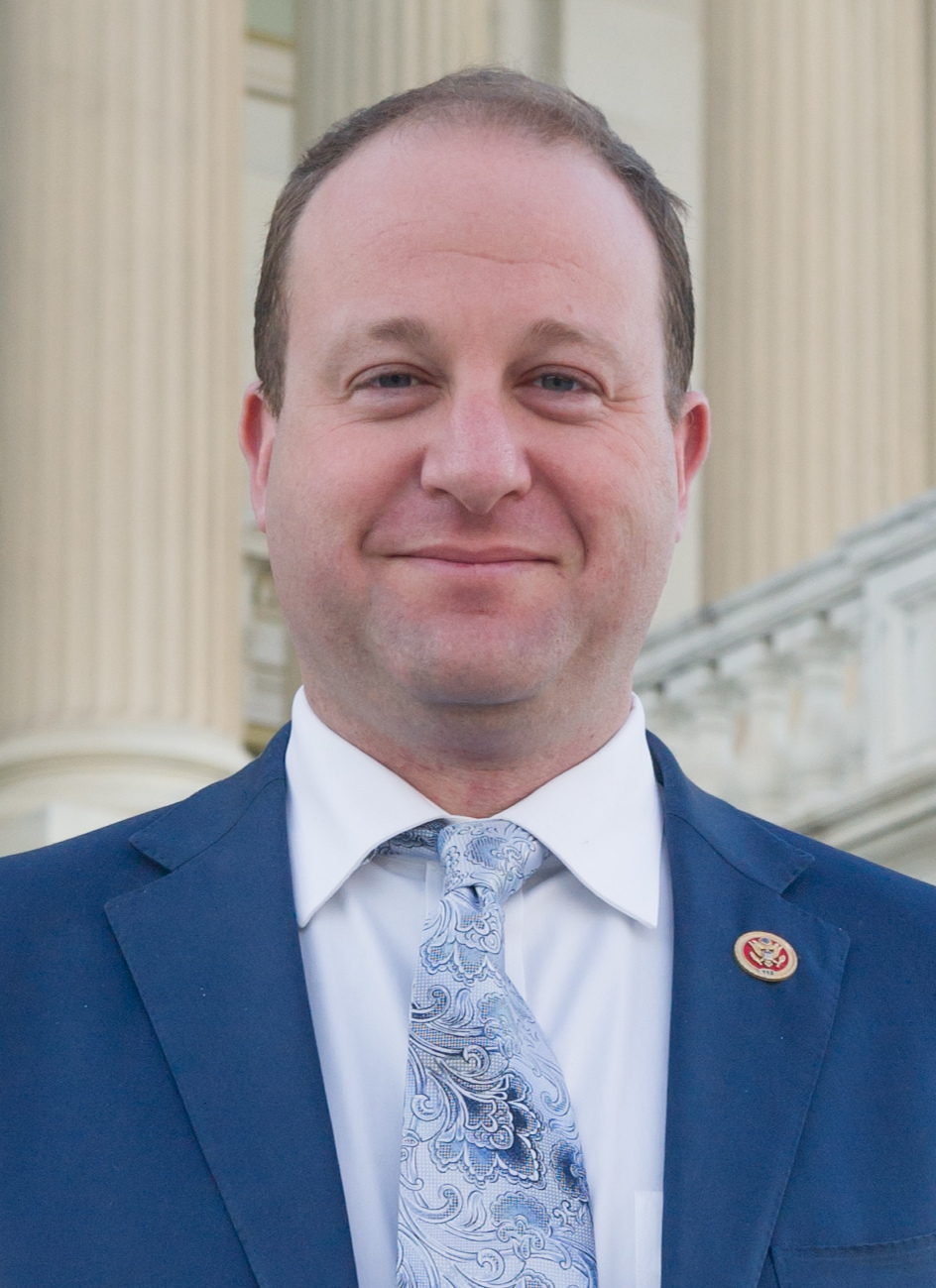
Gov. Jared Polis, the nation’s first openly gay elected governor, said he is reviewing the ruling and considering next steps.
“Conversion therapy doesn’t work, can seriously harm youth, and Coloradans should beware before turning over their hard-earned money to a scam,” Polis said.
The ruling adds to a growing body of Supreme Court decisions involving Colorado and LGBTQ rights. In recent years, the court has sided with a website designer and a bakery owner who refused services to same-sex couples based on religious beliefs. Last year, the court also upheld a Tennessee law banning gender-affirming care for minors.

 Zuri Pryor-Graves
Oct 2
5 mins read
Zuri Pryor-Graves
Oct 2
5 mins read
SaintTreyW
Sep 30
7 mins read
SaintTreyW
Sep 30
3 mins read
SaintTreyW
Sep 25
6 mins read

Gaye Magazine® is part of Gaye Media, Inc.© 2026 Gaye Media, Inc. All Rights Reserved.