


 SaintTreyW
Nov 21
3 mins read
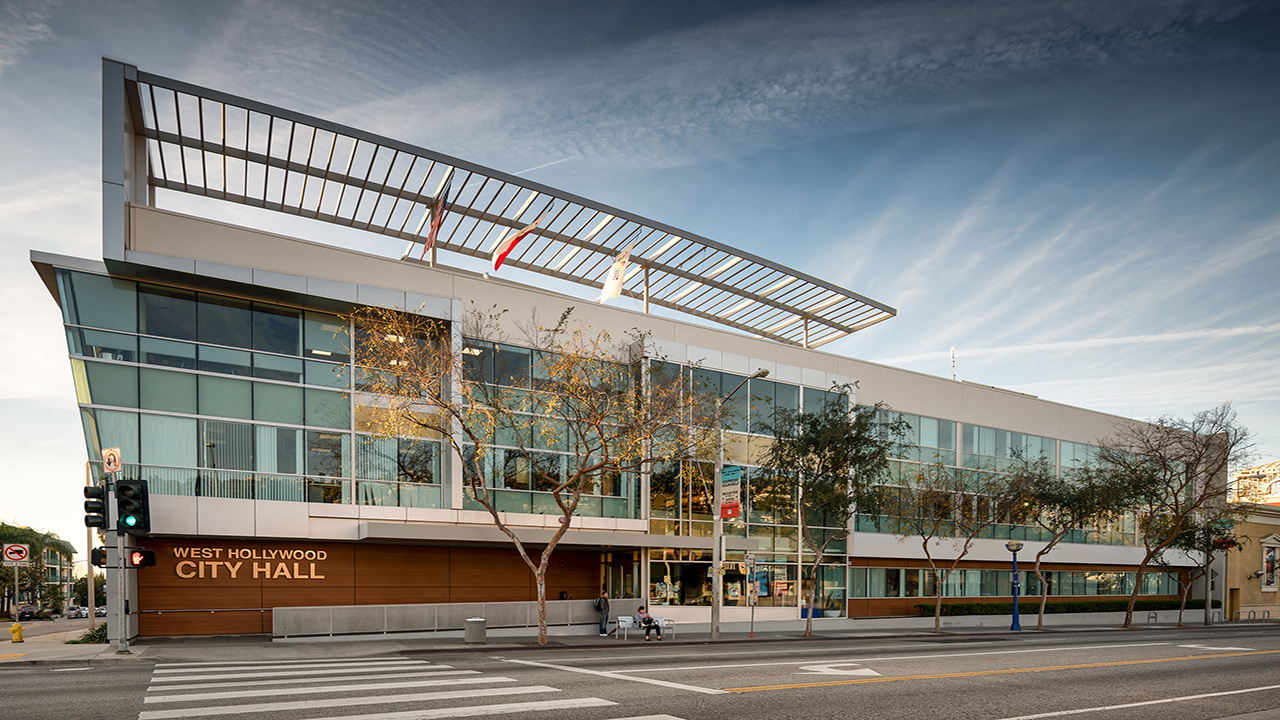
A partner’s ability to visit a loved one in the hospital or stay in a shared rental can depend on whether the law recognizes their relationship. West Hollywood is changing that for some polyamorous families, giving them a way to put their commitments on the city’s records.
The West Hollywood City Council voted unanimously Nov. 2 to let eligible groups of three or more adults register with the city clerk as a “multi-partner domestic relationship.” Mayor John Heilman introduced the ordinance, which takes effect Dec. 2.
“This law is just the beginning,” Christina Fialho, an attorney and founder of the bisexual media advocacy group Rewrite the BiLine, told the Los Angeles Times. Fialho brought the idea to City Council member Chelsea Lee Byers in 2025.
“I think it makes it possible for people to dream about a future they once thought was out of reach,” Fialho said.
Registered partners will have visitation rights at health care facilities and jails within the city’s jurisdiction. The ordinance also adds rental housing protections. A registered partner’s presence in a rental, for example, cannot by itself be grounds for ending a tenancy under the ordinance’s occupancy provision. The city’s maximum occupancy rules still apply.
To qualify, applicants must consent to the relationship, share responsibility for one another’s welfare and meet the ordinance’s other eligibility requirements, including limits on how closely related they can be by blood. People who live outside West Hollywood can register, too, but registration does not require a hospital, jail, or school outside the city’s jurisdiction to recognize the relationship. It can serve as documentation; it does not, by itself, authorize someone to pick up a child from school.
The registry does not legalize marriage among more than two people or create a domestic partnership under California law. It does not confer federal tax benefits or automatic inheritance rights. The distinction is between a city extending specific local protections and a state or the federal government recognizing a new legal status.
Polyamory is a form of consensual nonmonogamy in which a person is open to having more than one romantic relationship at a time, with the knowledge and consent of the people involved. Consensual nonmonogamy is the broader term: Some people agree that they can have sexual partners outside a relationship without seeking additional romantic relationships. Polyamory is also distinct from polygamy, which means having more than one spouse.
Being polyamorous does not mean everyone is dating everyone else. Three people might be in a relationship together, or one person might have two partners who are not romantically involved with each other. That distinction matters in West Hollywood as the ordinance registers a group of at least three adults who meet the city’s criteria. It does not let someone register two separate two-person relationships through the new program.
West Hollywood librarian Megan Katz, who is married and also dates outside her marriage, told the Los Angeles Blade that she did not plan to use the registry right away. She still welcomed the change.
“It is one more step toward legitimizing nontraditional relationships and specifically polyamorous relationships,” Katz said.
The registry follows a separate ordinance the city adopted in March barring discrimination based on family or relationship structure. The March measure addressed discrimination; the November ordinance gives eligible partners a way to document their relationship and claim specific protections.
West Hollywood established a domestic partnership registry in 1985, decades before same-sex couples could marry nationwide. It is not the first city to register relationships involving more than two adults: Somerville and Cambridge, Massachusetts, took that step earlier. Other cities, including Berkeley and Oakland, California, have taken a different approach by barring discrimination based on family structure.
 Anders Hare
Nov 21
2 mins read

 Gaye Magazine
Nov 16
2 mins read
SaintTreyW
Nov 15
6 mins read

SaintTreyW
Nov 12
7 mins read

Gaye Magazine® is part of Gaye Media, Inc.© 2026 Gaye Media, Inc. All Rights Reserved.