


 Mykel Hilliard
Jun 3
5 mins read
Mykel Hilliard
Jun 3
5 mins read
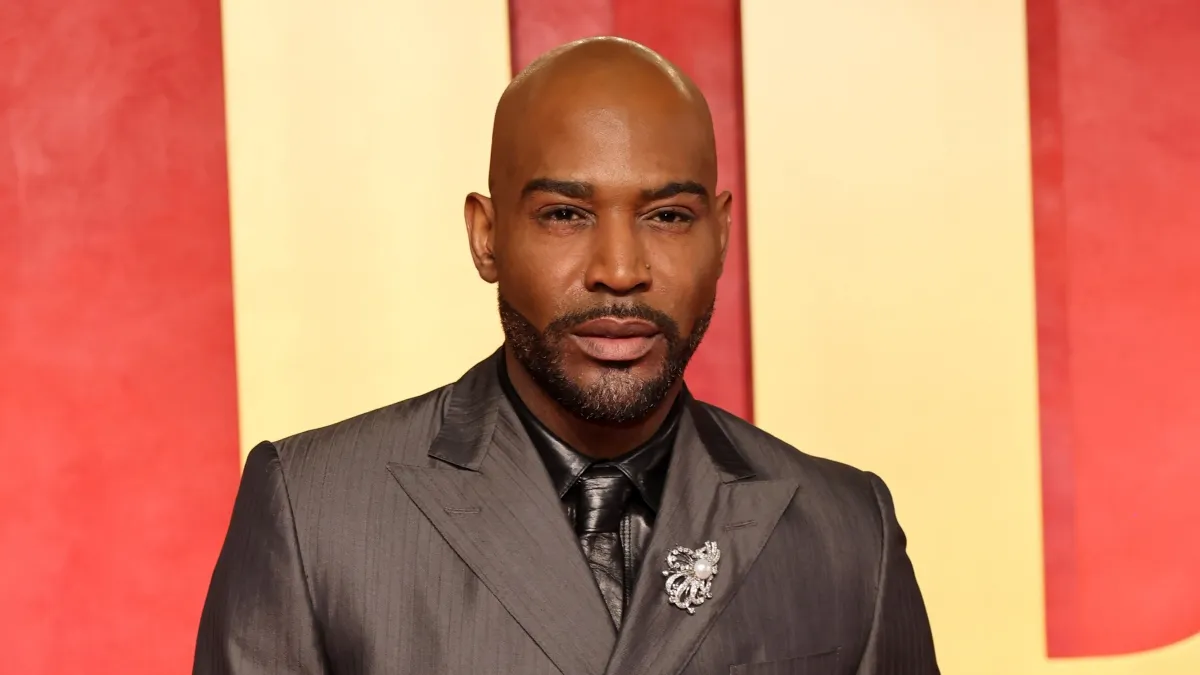
In a recent PEOPLE cover story, Brown reflected on his experience filming the Netflix series and discussed where he stands with his former castmates today.
Brown, who served as the show’s culture expert, addressed longstanding rumors of tension among the cast and explained why he chose not to participate in promotional appearances for the show’s 10th and final season.
Although the show’s feel-good format and carefully crafted editing suggested the Fab Five shared a brotherly bond, Brown paints a different picture, suggesting that life off-camera did not always mirror the show’s image.
According to Brown, problematic behavior was frequently tolerated instead of being challenged, which contributed to a workplace culture that he said took a toll on his wellbeing.
“Everyone would just say, ‘Well, that’s just that person,’ instead of saying, ‘This behavior does not fly in a professional environment,’” he says. “It impacted me negatively, consistently.”
Brown said the first major rift among cast members emerged during the show’s early years, despite the close-knit image presented on screen.
Brown said a sexual harassment complaint was filed against him during the casting process, stemming from what he described as a playful rapport with an unnamed cast member.
He said he initially believed the complaint had come from that cast member but later learned it had been submitted anonymously by a third party.
Although Brown said he was cleared of wrongdoing, he said the complaint created lasting tension among members of the cast.
“It broke us,” he revealed. “We all knew the divide between us.”
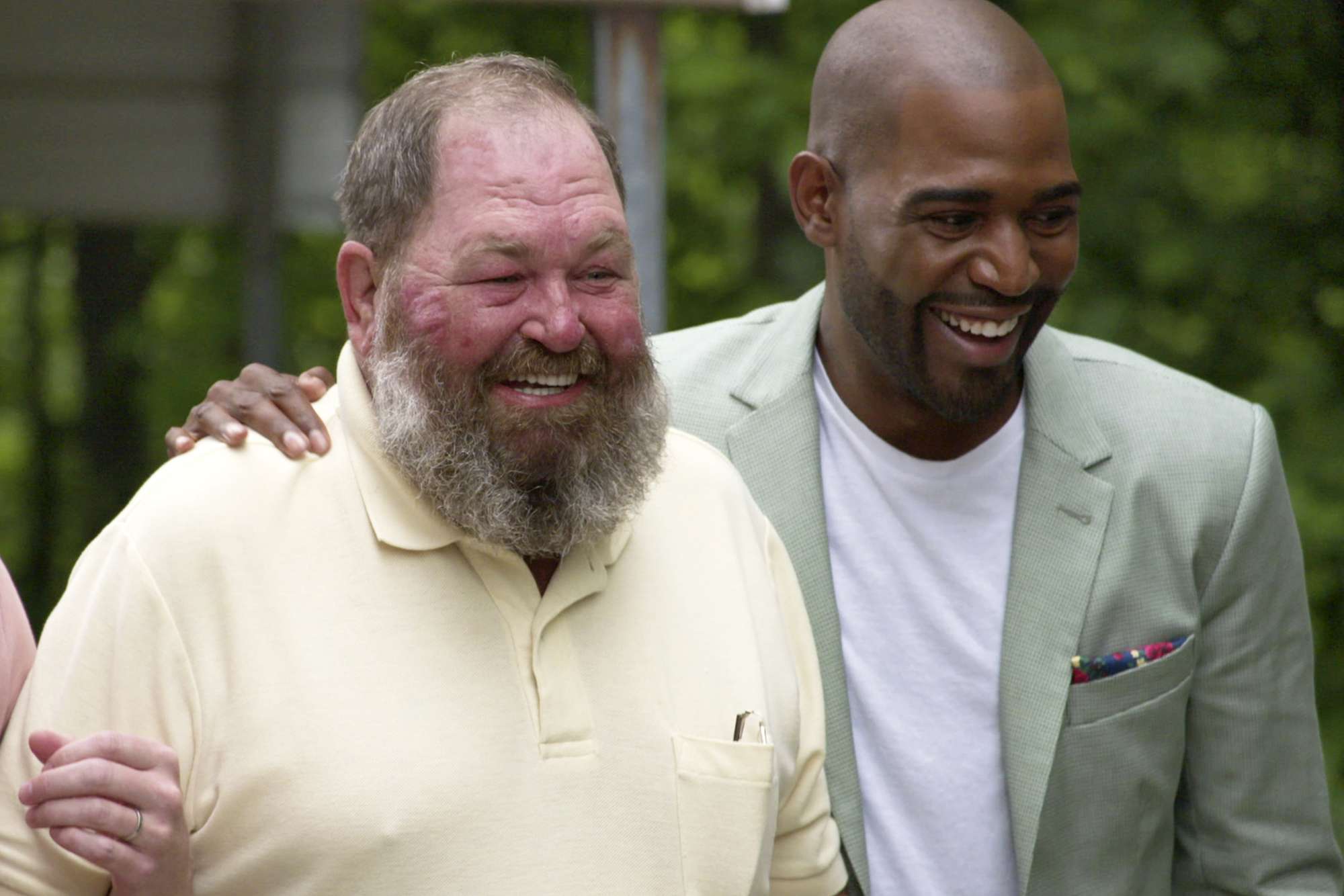
Brown also described a dispute with an unnamed senior production executive during the show’s first season. According to Brown, the executive told him, “You are not a star. I will get rid of you tomorrow,” during a disagreement over the show’s creative direction.
Brown also revisited one of the show’s most memorable moments from its first season, when he and castmate Tan France were pulled over by a police officer while driving through Georgia. The scene became one of the defining moments of the series after Brown spoke candidly on camera about the fear many Black Americans experience during traffic stops.
Reflecting on the incident years later, Brown suggested the moment may have been encouraged by production to capture his reaction as a Black man.
“Oh, so you wanted a Black man to drive so that you can get the response of a Black man being terrified being pulled over by a cop,” Brown said while discussing his concerns about the production environment.
The traffic stop ultimately ended without incident after the officer recognized Brown through his community work. At the time, however, the scene sparked a national conversation about racial profiling and the realities of “driving while Black.” Brown now points to the encounter as part of a broader pattern in which he felt the emotional well-being of cast members was sometimes secondary to creating compelling television.
Regardless of Brown’s allegations of behind-the-scenes tension, the show became a pop culture phenomenon, turning its cast members into household names.
Following its debut season, the series went on to run for nine additional seasons before Brown publicly acknowledged any issues.
Regardless of Brown and his cast members’ brewing rift and behind-the-scenes drama, the show became a pop culture phenomenon, turning its show leads into household names.
Following its first season, the show went on to run for nine additional seasons before Brown first publicly acknowledged any issues.
Public discussion of the cast’s relationships intensified after a TMZ report published late last year detailed alleged tensions behind the scenes during production of the show’s final season.
A source close to the production reportedly told the popular media outlet that when Brown took a break away from his co-stars during the filming for the show’s final season, his mother overheard Porowski, France, and Van Ness speaking negatively about Brown.
Brown said the alleged moment that was caught on a hot mic brought his mother to tears.
“[She kept repeating], ‘I thought they were your friends.’ It made me realize I can no longer stay silent about how often I was made to feel like an outsider,” Brown said.
Months later, at the start of the group’s final press tour in January, they learned that Brown had decided not to take part in interviews alongside them.
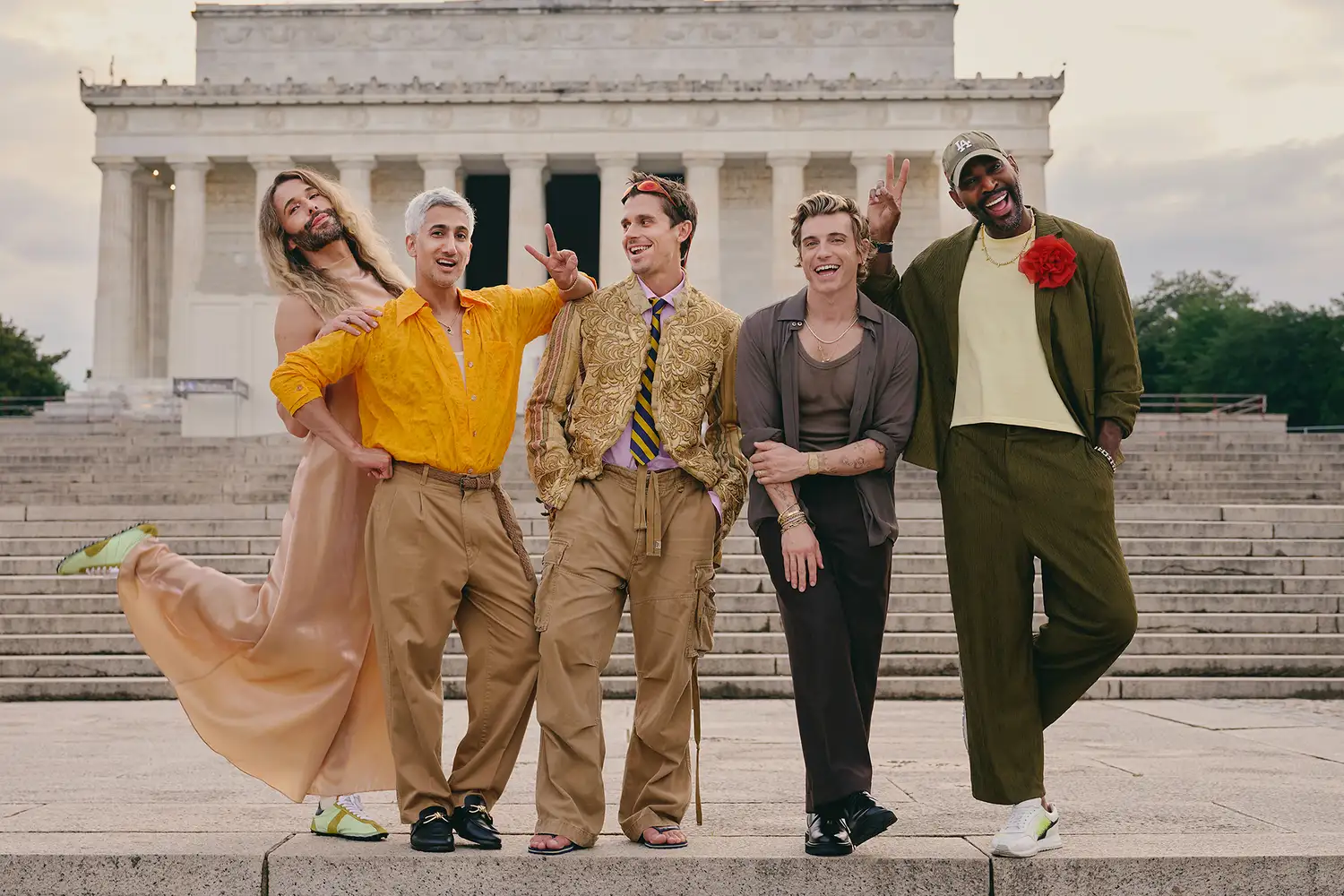
During an appearance on “CBS Mornings,” cast members Antoni Porowski, Tan France, Jonathan Van Ness and Jeremiah Brent learned on air that Brown would not be joining the interview. King said the production had been informed less than an hour earlier.
“They call it the Fab 5, but one of the Fab 5 is not here,” King said.
She continued, “We received word less than an hour ago that Karamo Brown is not going to be joining us today. I want to rip the band-aid off and get it out of the way. So we can really talk about the show.”
As the remaining members of the Fab 5 looked ahead towards King, she read a statement from Brown.
“I hope everyone remembers the main theme I have tried to teach them over the past decade, which is to focus on and to protect their mental health/peace from people or a world who seek to destroy it; which is why I can’t be there today.”
Brown later opted out of appearing on “Today with Jenna & Friends” and unfollowed Porowski, France and Van Ness on Instagram.
Since the fallout, Brown’s daytime talk show, “Karamo,” ended as part of broader changes to NBCUniversal’s syndication strategy. He has since focused on Kē by Karamo, a mental wellness and life-coaching platform.
As for his relationship with his former cast members? Brown is holding on to hope that they can work out their differences.
“I think we all deserve a bit of grace for how we handled ourselves and one another,” he says. “We were just doing our best. It may not have felt like that in the moment, but it’s very clear to me now.”
Brown added: “I needed all these experiences to grow into my best self, and I want to spend these next chapters of my life doing good.”
“We strongly disagree with any characterization that concerns raised during the production of Queer Eye were ignored, dismissed, or allowed to continue unchecked. Throughout the series’ run, any issues brought to production leadership were taken seriously and addressed appropriately.
Production consistently fostered a respectful and professional environment for the cast and crew, which included ongoing training, coaching, and other support for the cast, while maintaining clear workplace policies and practices throughout filming.”
Mykel Hilliard
Sep 23
3 mins read
Mykel Hilliard
Sep 21
4 mins read
Mykel Hilliard
Sep 15
3 mins read
 Gaye Magazine
Aug 27
2 mins read
Gaye Magazine
Aug 27
2 mins read

Gaye Magazine® is part of Gaye Media, Inc.© 2026 Gaye Media, Inc. All Rights Reserved.