


 Anders Hare
Nov 21
2 mins read
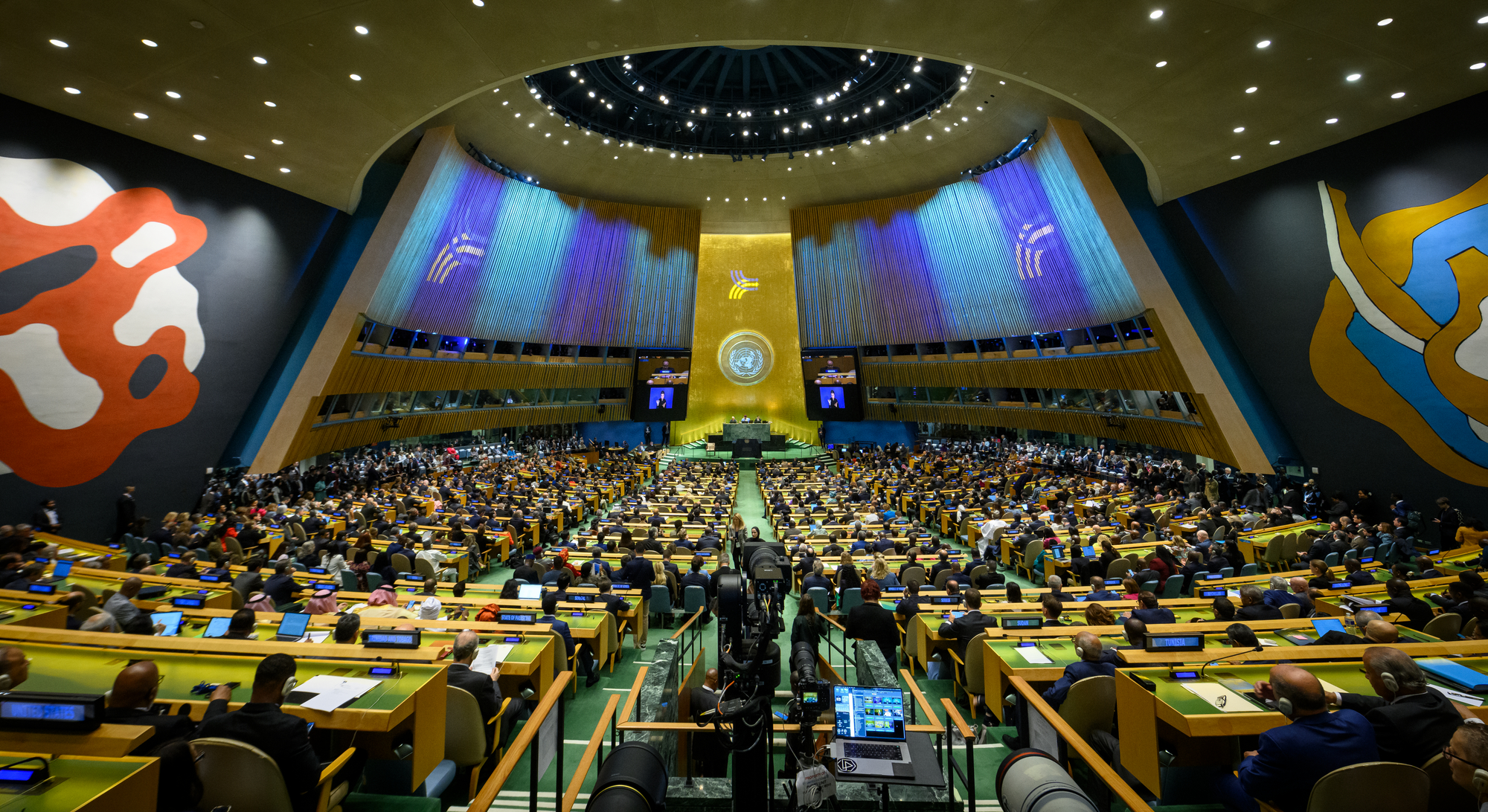
The United States joined dozens of countries in an effort to remove LGBTQ+ protections from a United Nations human rights resolution, marking a major shift in the country’s position on LGBTQ+ inclusion at the international level.
On Nov. 13, the U.N. General Assembly’s Third Committee rejected an amendment that would have removed references to sexual orientation and gender identity from a resolution addressing extrajudicial, summary or arbitrary executions.
Egypt introduced the amendment on behalf of most members of the Organization of Islamic Cooperation. The proposal sought to remove specific language recognizing people targeted for their sexual orientation or gender identity as groups at heightened risk of unlawful killings.
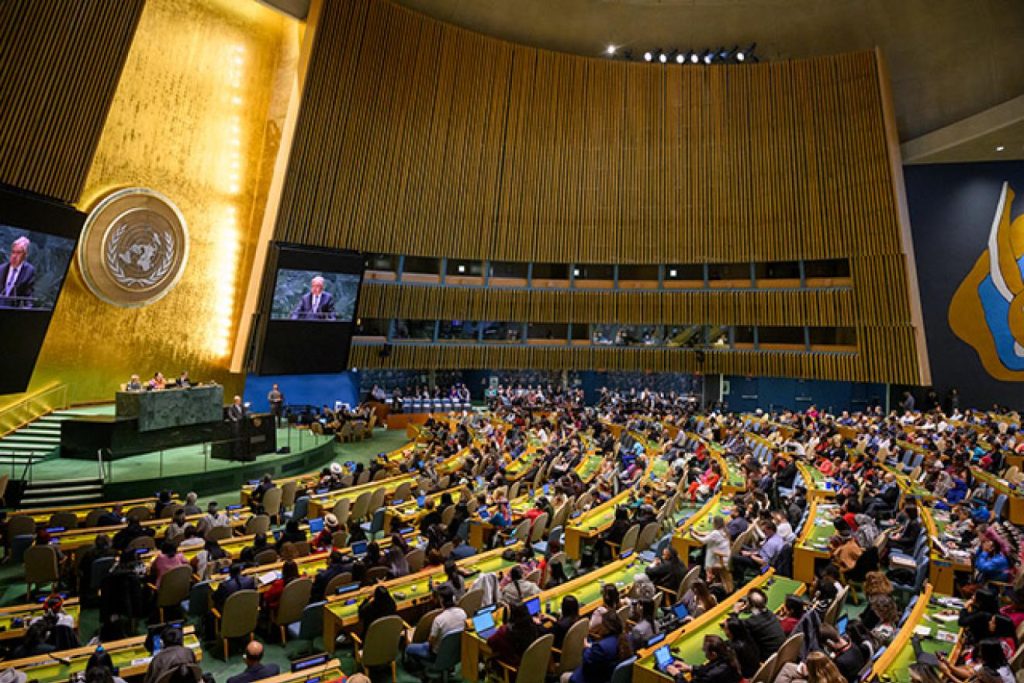
The United States voted in favor of the amendment, alongside 68 other countries. However, 74 countries voted against it, 24 abstained and 26 did not vote, allowing the LGBTQ+-inclusive language to remain in the resolution.
The committee later approved the resolution by a vote of 131-0, with 47 abstentions and 15 countries not voting, according to Outright International.
The vote marked the first time the United States supported removing the language since sexual orientation was added to the resolution in 2002. Gender identity was added in 2012.
Although the amendment failed, the United States’ vote carries consequences beyond the United Nations.
The resolution calls on governments to investigate unlawful killings, hold perpetrators accountable and protect people who face a greater risk of targeted violence. Its language specifically recognizes that people can be targeted because of their sexual orientation or gender identity.
Removing those references could make it harder to recognize and address violence against LGBTQ+ people. It could also weaken international pressure on governments to investigate these crimes and provide justice for victims and their families.
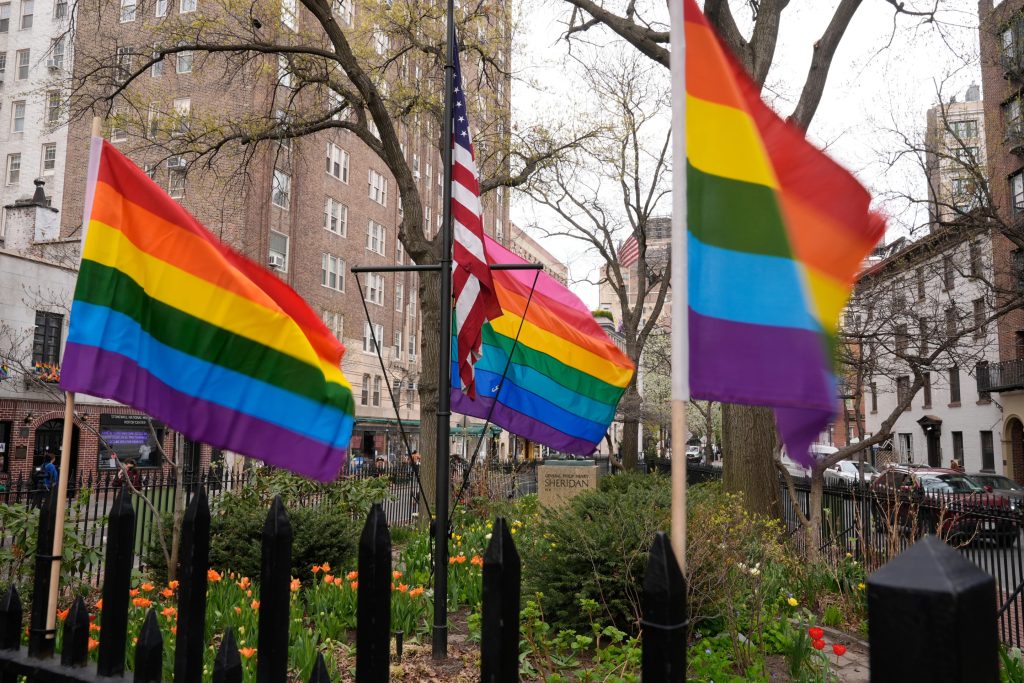
For LGBTQ+ Americans, the U.N. vote does not immediately change existing federal or state laws, nor does it remove any legal protections. However, the country’s support for the amendment signals a change in its approach to LGBTQ+ rights on the international stage.
The stakes are particularly high for LGBTQ+ people living in countries where same-sex relationships are criminalized or where governments fail to protect them from identity-based violence.
Outright International reported more than 230 targeted killings of LGBTQ+ people across the world between January 2020 and July 2026.
The resolution will move to the full U.N. General Assembly for consideration in December. Another attempt to remove the LGBTQ+ language could emerge during that vote.

 SaintTreyW
Nov 21
3 mins read

 Gaye Magazine
Nov 16
2 mins read
SaintTreyW
Nov 15
6 mins read

SaintTreyW
Nov 12
7 mins read

Gaye Magazine® is part of Gaye Media, Inc.© 2026 Gaye Media, Inc. All Rights Reserved.