


 SaintTreyW
May 23
5 mins read
SaintTreyW
May 23
5 mins read
There is a version of this country that wants Black queer people to be quiet right now. There are “allies” asking us to wait, or to read the room. The room for us, after all, has been rearranged.
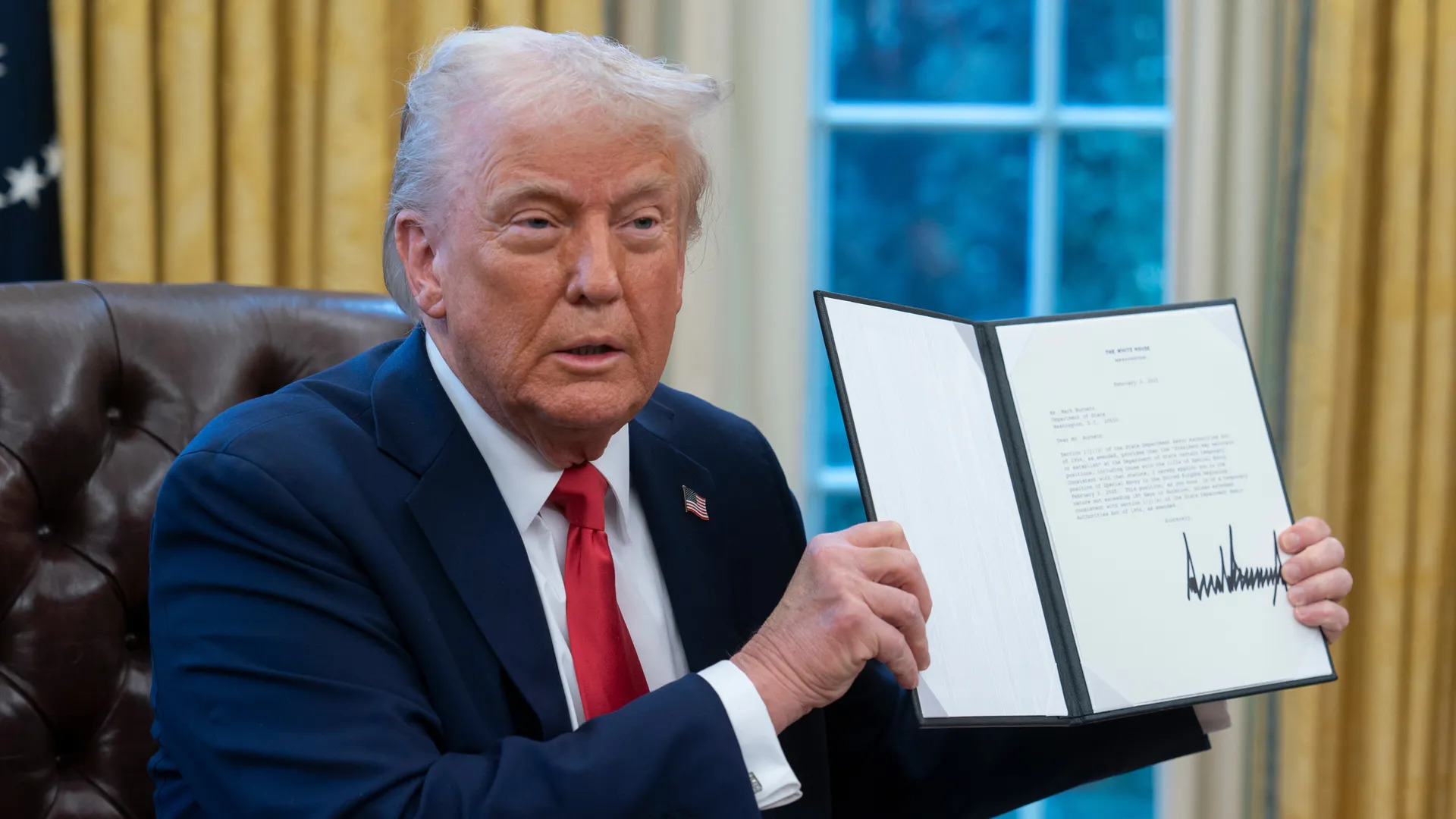
On his first day back in office, President Trump signed an executive order erasing federal recognition of transgender and nonbinary people, directed agencies to enforce a binary definition of sex, and rescinded more than a dozen Biden-era protections for LGBTQ+ workers, students, and families.
The ACLU has already tracked over 800 anti-LGBTQ+ bills introduced in state legislatures in 2026. A budget proposal on the table in Congress would gut the Ryan White HIV/AIDS Program, the safety net that has kept hundreds of thousands of low-income, mostly Black and Brown people with HIV alive, by $525 million, while eliminating all CDC HIV prevention funding.
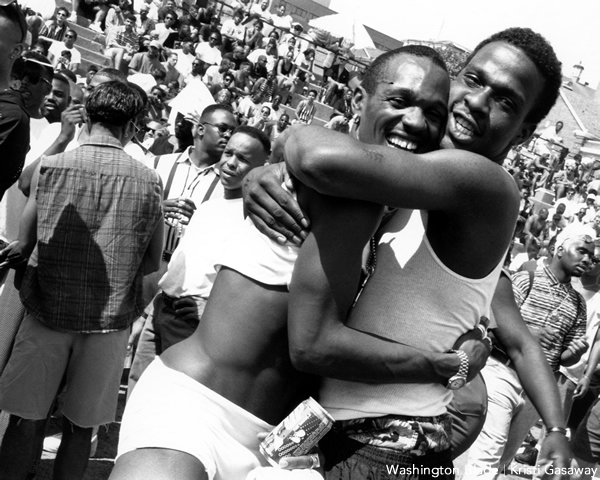
This is the moment DC Black Pride is meeting this Memorial Day weekend. What this gathering has always understood, since its founding on a field in Washington thirty-five years ago, is that the act of showing up together is not a retreat from the political. It is very political. And right now, it may be the most important thing we do.
Before there was a movement, there was a field.
Banneker Field, specifically, a patch of ground in the Shaw neighborhood of Washington, D.C., across the street from Howard University, where on May 25, 1991, a small group of Black queer people gathered and, without fully knowing it, altered the course of American LGBTQ+ life.
They were not waiting for permission from anyone. They were not waiting on mainstream Pride, that predominantly white institution that had made clear, through its aesthetics and its politics and its silences, that Black queer people were guests at best. Welmore Cook, Theodore Kirkland, Ernest Hopkins, had a different idea. They wanted to build something that belonged to their people, and that did not ask to be included.
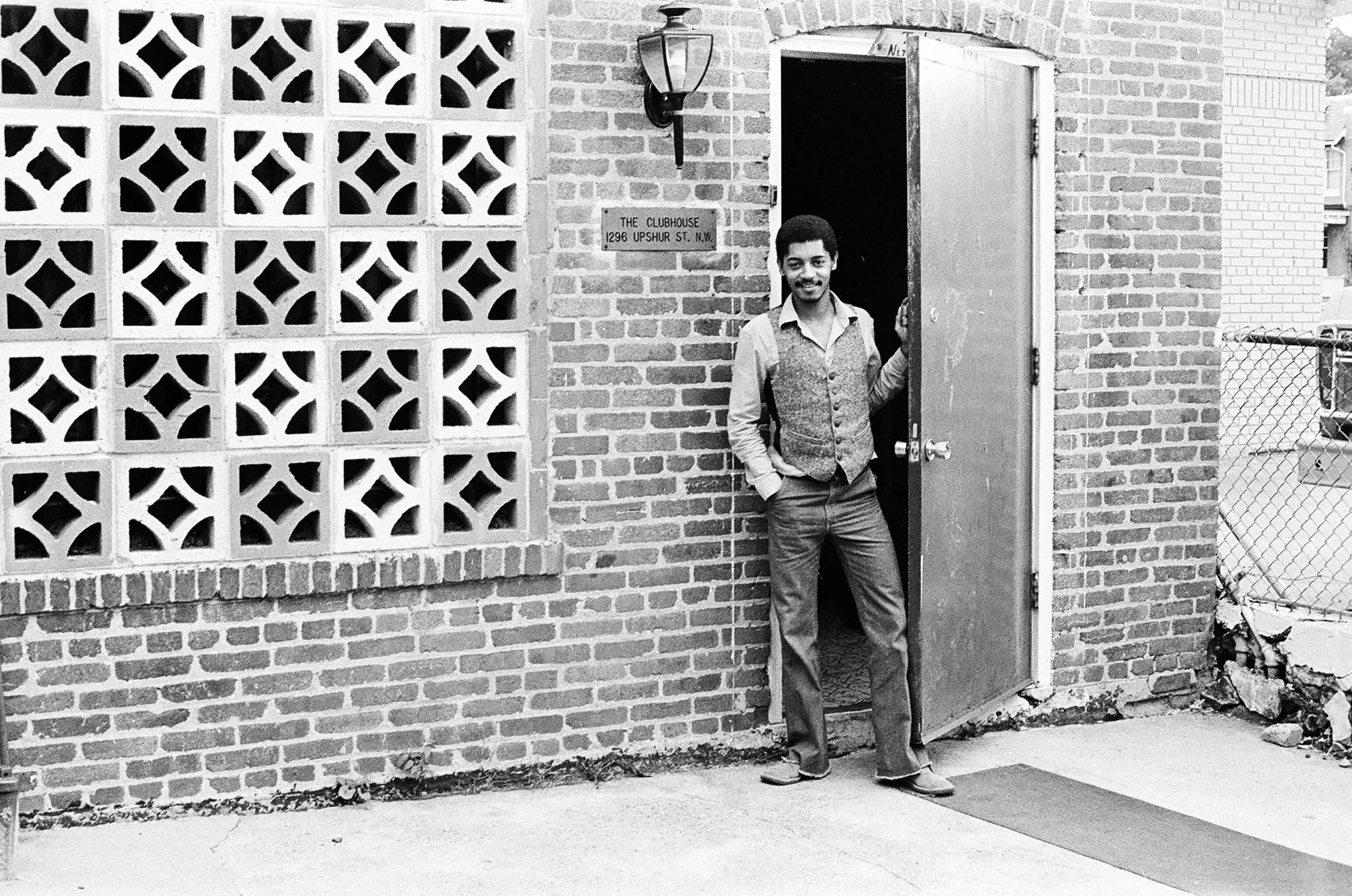
The cultural groundwork had been laid fifteen years earlier. From 1975 until 1990, a Black LGBTQ+ nightclub called the ClubHouse anchored Washington’s Black queer social life. Every Memorial Day weekend, it hosted a celebration called the Children’s Hour, a party that grew into a regional institution, pulling celebrants from up and down the Eastern Seaboard. When the ClubHouse shuttered in 1990, financially gutted and grieving, many feared the tradition would go with it.
The ClubHouse had not simply been a venue. By the 1980s, as the AIDS epidemic began carving through gay communities, it became a site of mutual aid, of informal care, of people holding each other through losses that the broader world refused to acknowledge. The disease, initially framed by the white gay establishment as its own, had arrived in Black queer communities with a different speed and a different silence.
“When it hit us,” activist Rayceen Pendarvis later recalled, “it hit us quickly, and then we had to move, and we had to pivot.” The Rainbow History Project documented that 40% of the ClubHouse’s membership was affected. There was no adequate language or national infrastructure, and definitely no government urgency proportional to the dying.
So Cook, Kirkland, and Hopkins built one. They planned the first DC Black Pride in roughly three months, working with the DC Coalition of Black Lesbians and Gays and the Inner City AIDS Network. They funded it the way Black organizers have always funded things the world will not pay for: drag shows, bake sales, car washes, whatever it took. The goal was explicit, to pull their community together, to raise money for HIV/AIDS services, and to insist, through the act of public gathering, that Black queer life was worth protecting.
What they built grew fast. The 1991 gathering drew thousands. By the mid-1990s, DC Black Pride had become a multi-day weekend. Organizers filed for nonprofit status under Black Lesbian and Gay Pride Day, Inc., and built a board of directors to sustain what had outgrown them.
Then it spread, at the 1998 festival, Earl Fowlkes, then the organization’s president, sat with organizers from New York, Detroit, Atlanta, and other cities. Out of those conversations came the International Federation of Black Prides, which later became the Center for Black Equity. Today, CBE coordinates more than 57 Black Pride celebrations worldwide–Atlanta, Chicago, London, Toronto, Johannesburg. Every one of them carries something that started at Banneker Field.
DC Black Pride itself now draws an estimated 35,000-65,000 people on Memorial Day weekend.
The AIDS crisis did not end. Black gay and bisexual men still account for the highest number of new HIV diagnoses in the United States. Black LGBTQ+ people still navigate housing, employment, and health care systems shaped around someone else’s life. The DC District government has issued official proclamations recognizing DC Black Pride. Major corporations now sponsor it. The money, though, has never matched the need, and lately it has gotten worse.
The Center for Black Equity launched a Save the Black Pride campaign after Black Prides worldwide reported funding cuts between 40 and 60 percent. As CBE President Kenya Hutton put it plainly, Black Prides have always gotten crumbs compared to mainstream prides. Now those crumbs are being taken back.
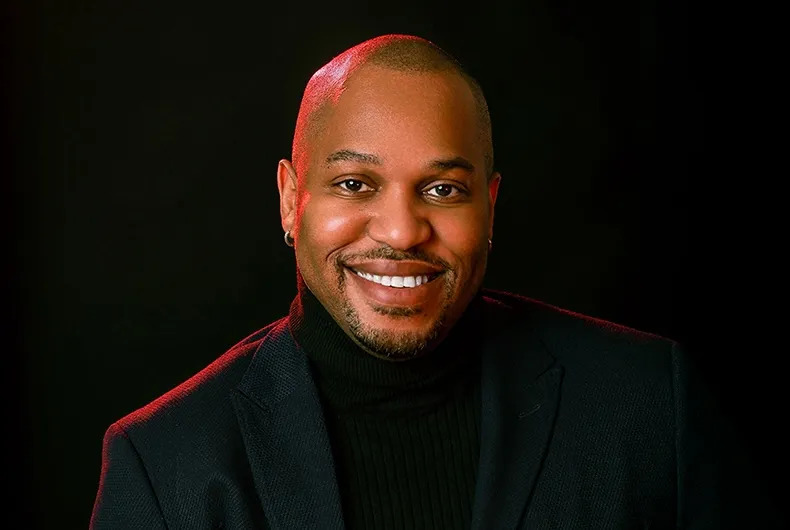
This is the context in which DC Black Pride exists. The festival is where HIV testing and health screenings happen. It is where organizers from dozens of cities trade knowledge. It is where a 25-year-old from Mississippi or Alabama-in-exile sees, maybe for the first time, a crowd of people who look like them, loving openly, in public, on their own terms.
Audre Lorde wrote that it is not difference that immobilizes us, but silence. DC Black Pride, from the beginning, has been a refusal of that silence.
Cook, Kirkland, and Hopkins paid a price to build this thing. The ClubHouse paid it. The 40% of its membership who died during the epidemic paid for it. What that cost purchased is the field itself, the right to show up on Memorial Day weekend in Washington and be counted, be held, be known.
Thirty-five years on, that is still not a small thing.
Pendarvis said it clearly in the early days, they were forging a path for all of us to be free. The forging is not finished, and we know that the path is real because people are on it.
DC Black Pride is held annually on Memorial Day weekend in Washington, D.C. It is a program of the Center for Black Equity. For more information, visit dcblackpride.org.
 Kenneth Williams
Jul 2
2 mins read
Kenneth Williams
Jul 2
2 mins read
Zuri Pryor-Graves
Jun 24
8 mins read
Kenneth Williams
Jun 12
3 mins read
SaintTreyW
May 8
4 mins read

Gaye Magazine® is part of Gaye Media, Inc.© 2026 Gaye Media, Inc. All Rights Reserved.